

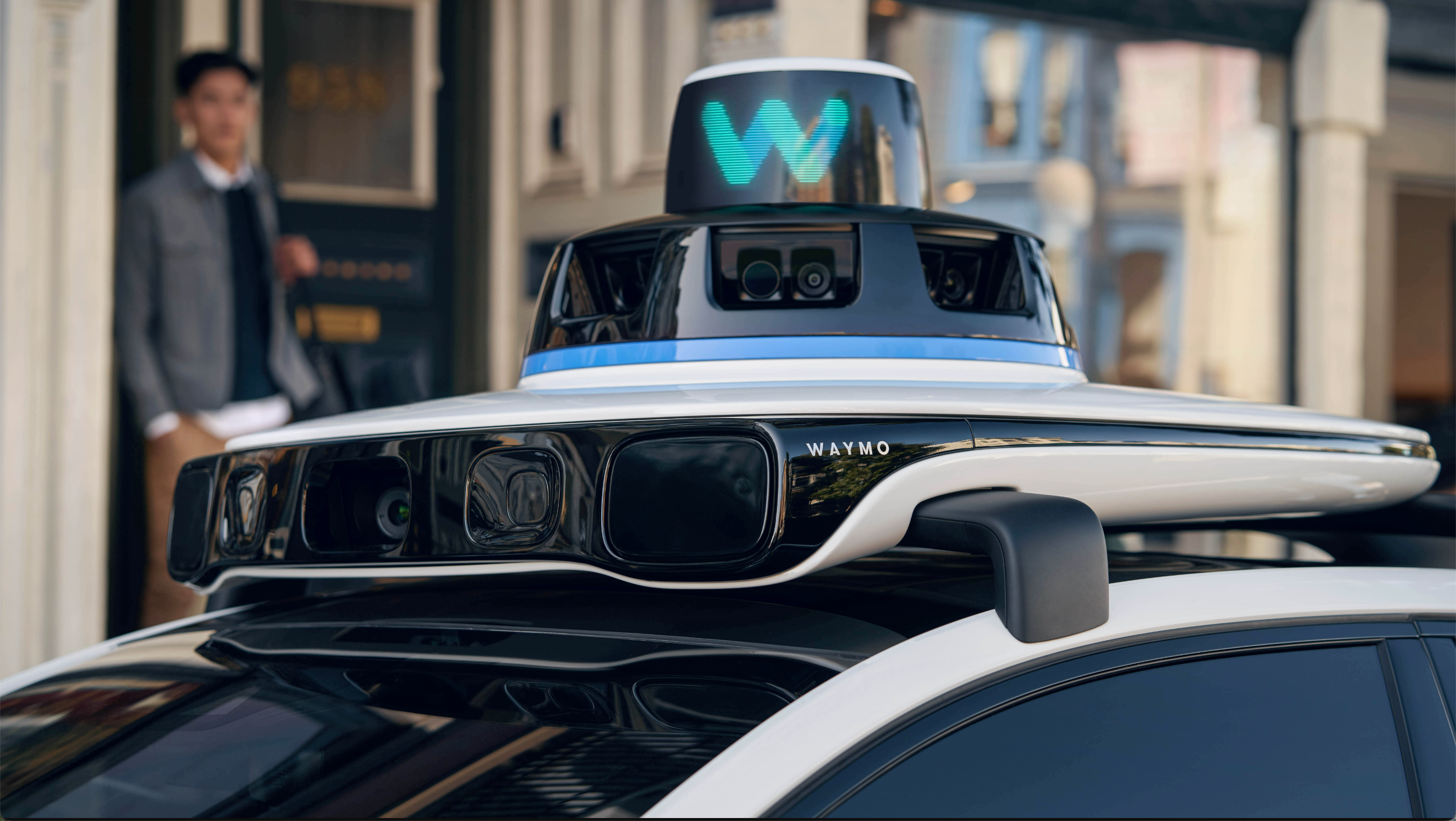
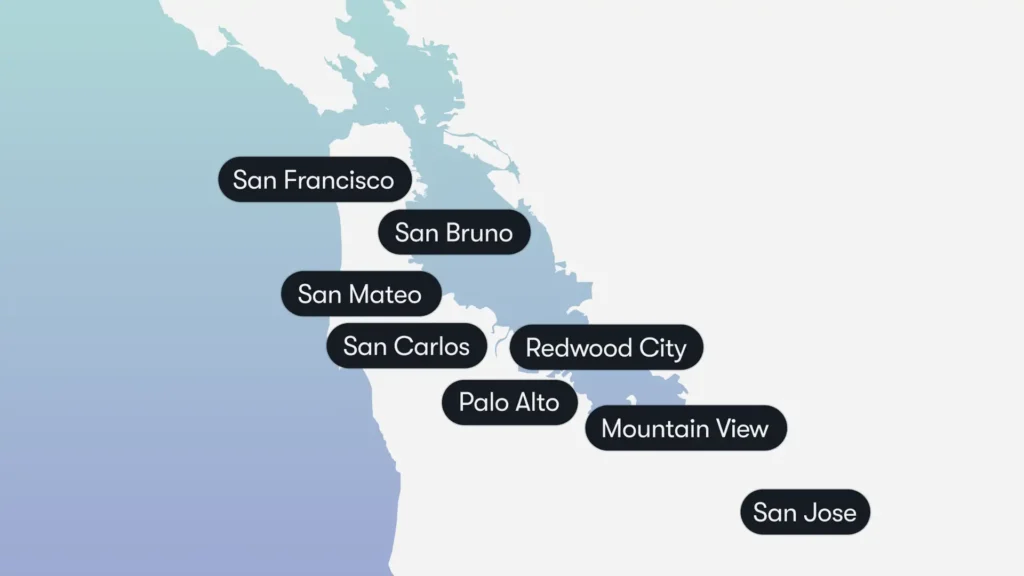
Waymo is the dominant self-driving car service available for public use in the Bay Area. They expanded their service zone on Nov. 12, allowing riders to be picked up and dropped off anywhere from San Francisco to San Jose. With this update comes a newly released feature: freeway access.
Waymo first launched in Menlo Park and further expanded into Palo Alto and Los Altos Hills in June with their usual strategy of slowly integrating new users into the service zone. The amount of users able to ride Waymo in the area has steadily increased since, but prior to Nov. 12, there were still many parts of the peninsula off-limits to riders.
Since this update, Waymo has become available throughout the entire peninsula, including M-A and its surrounding areas. This provides students with an additional means of transportation to and from school, allowing students who may not have a drivers license, car, or school parking spot to commute independently. “I think it’s cool, because then your parents don’t need to drag you around, and you can kind of get places yourself,” freshman Hadley Collins, who has yet to try a Waymo, said.
Waymo also has the main feature of being driverless, which can be appealing to students—especially those who feel unsafe in a traditional rideshare. “I felt safer [in a Waymo] than riding an Uber because there was no driver,” senior Mariam Abdelbary said.
Waymo has a few other key differences from typical rideshares. Without a driver, users know with certainty that their ride will be picked up, without the possibility of it being declined due to user reviews or cancelled by the driver. Waymo also has longer wait times and higher prices on average, making it a questionable option for students.
However, these new areas are only accessible to some users. The data and reasoning on who has access remains undisclosed. Freeways are a feature users are able to opt-in to within the app. They’re then told to expect freeway access in the coming weeks.
The service zone expansion is less straightforward, with some users having no access to the peninsula outside of San Francisco, some having a small, disconnected service area further south, and some having access to the entire peninsula. This includes Mineta San Jose International Airport, the only international airport Waymo serves in California as of now.
Waymo’s expansion has been very quiet and smooth, with seemingly little pushback from the general public or involved cities. “Waymo has continually communicated with the City of Menlo Park on its expansion throughout San Mateo County. Our police department will follow the same safety protocols as it does with all vehicular traffic,” Menlo Park Public Engagement Manager Kendra Calvert said in a statement to the Redwood City Pulse.
Some students are unconcerned with the safety of autonomous cars. “If you see they’re about to crash, they swerve and they’re actually pretty safe. Yeah, I think they’re safer than human drivers,” junior Louis Koude said.
There are other factors outside of the obvious driverless nature of Waymo that deter students from using their services. One such factor is the price, which tends to be higher than competitors such as Lyft or Uber. “Uber can be really expensive. So if they’re cheaper, then yeah, [I would use Waymo],” Collins said.
Abdelbary also expressed other worries. “I’ve heard a lot of stories about how they get stuck in traffic, so that’s a concern,” she said.



Another limitation is that in the Bay Area, teens (under 18) must be accompanied by an adult. Teen accounts are only available in Phoenix right now.