

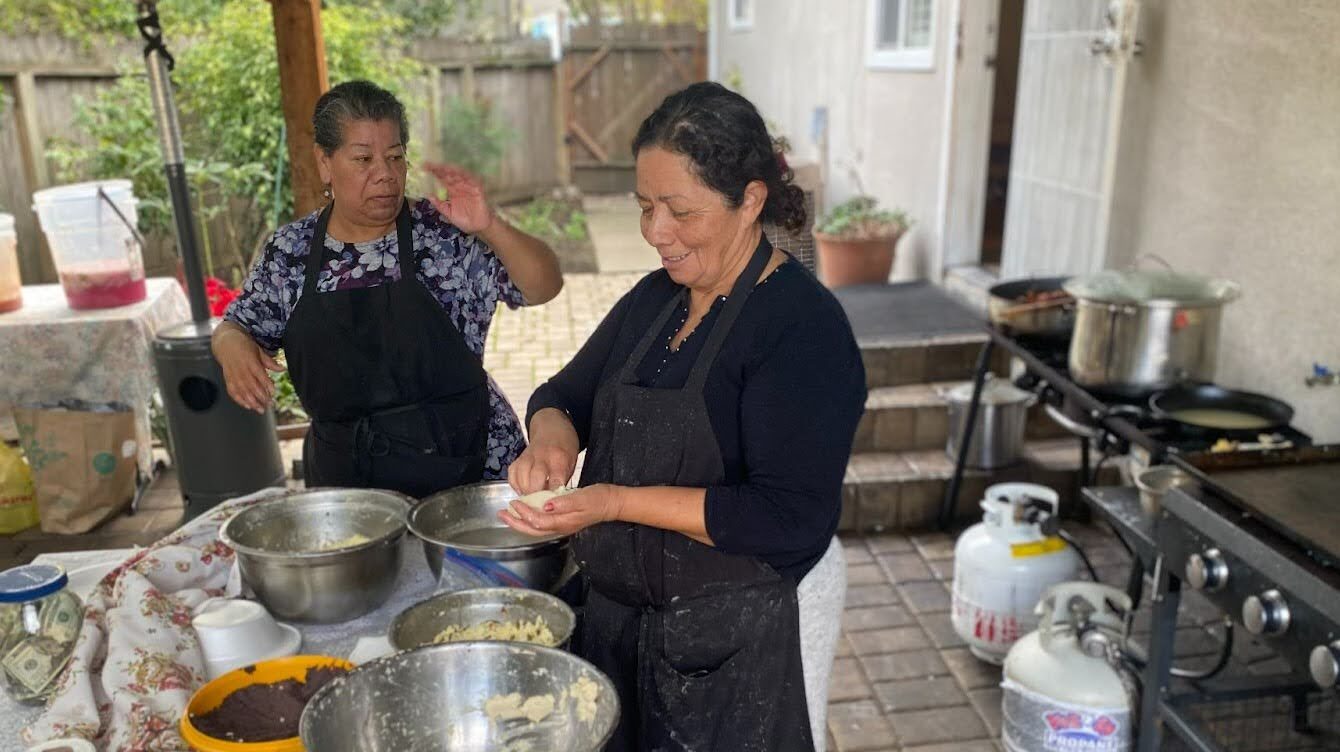
While most spend their weekends relaxing, Rina Deras spends hers tirelessly crafting pupusas and other Central American delicacies for those in her community.
Deras was born in Santa Ana, a northern city in El Salvador, and grew up in a poor household. “We lived in the farm, outside the city, and my mom grew the chicken, and only one chicken for 14 people,” Deras said. “We only [ate] beans, and sometimes tortilla, because we don’t have no money. Tortilla with lemon, that’s [what] we ate.”
Today, Deras plays an integral role in caring for fellow Salvadoran immigrants by organizing donations, working with her church, and her beloved papusa business.
As a young girl, getting to school was difficult for Deras. She walked an hour each way, and often went without shoes—using banana leaves instead. Growing up in El Salvador was especially challenging for Deras given the ongoing civil war in the country. “It the war over there. That’s why a lot of people have to leave in 1980, people [were] finally caring, ” she said.
At 19, Deras immigrated to the U.S., leaving her family and daughter in El Salvador to pursue employment in California. “I came over here because I [didn’t have] money to raise my daughter.”
She came to the United States in 1981, working as a babysitter in Atherton. During her stay, she took English classes at Cañada College. Over time, Deras saved money to bring her family to the U.S. “I went back and picked up my daughter, and she went to [M-A]. My three children went to M-A, and then I [kept] going back and forth, going to El Salvador,” she said.
Deras still works as a babysitter for the same family. “They’re older, and now [I] sometimes [babysit] their grandchildren,” she said.
Today, at her home, Deras honors aspects of her own childhood through the traditional El Salvadoran dishes she makes weekly to share with her community members. Her menu includes pupusas, soups, tamales, and chicken sandwiches—a common Salvadoran delicacy. “One time, my sister came and visited me, and she showed me how to make the pupusas. And since that time, I’ve been making pupusa for many years, and I [am] still working,” she said.
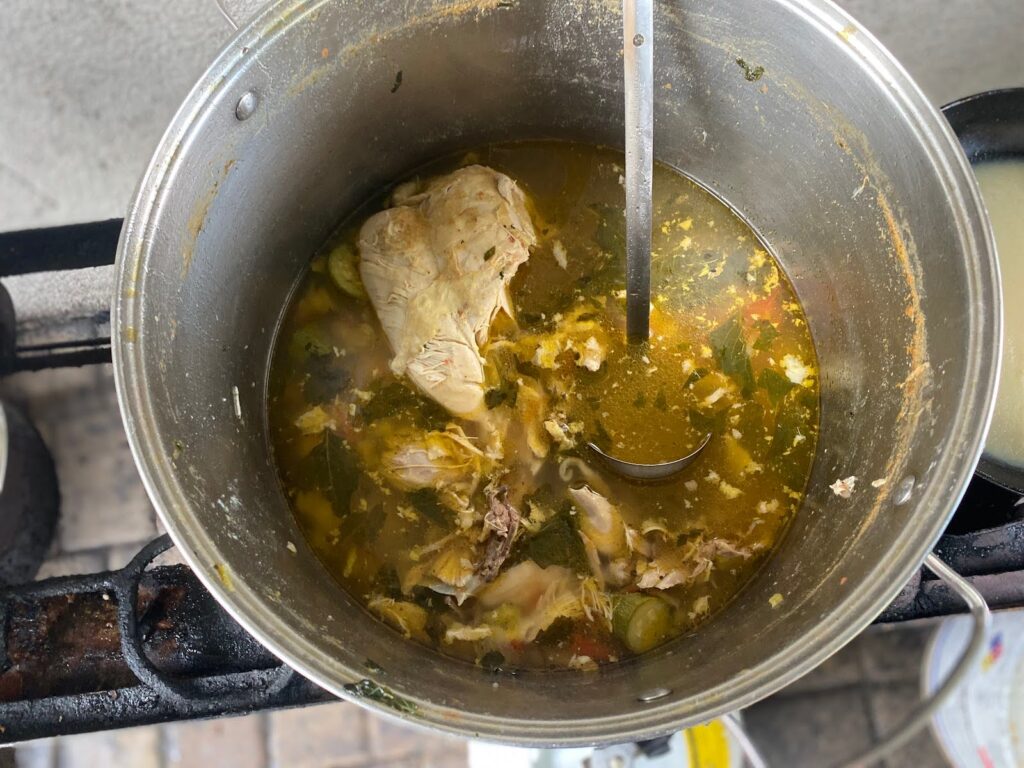
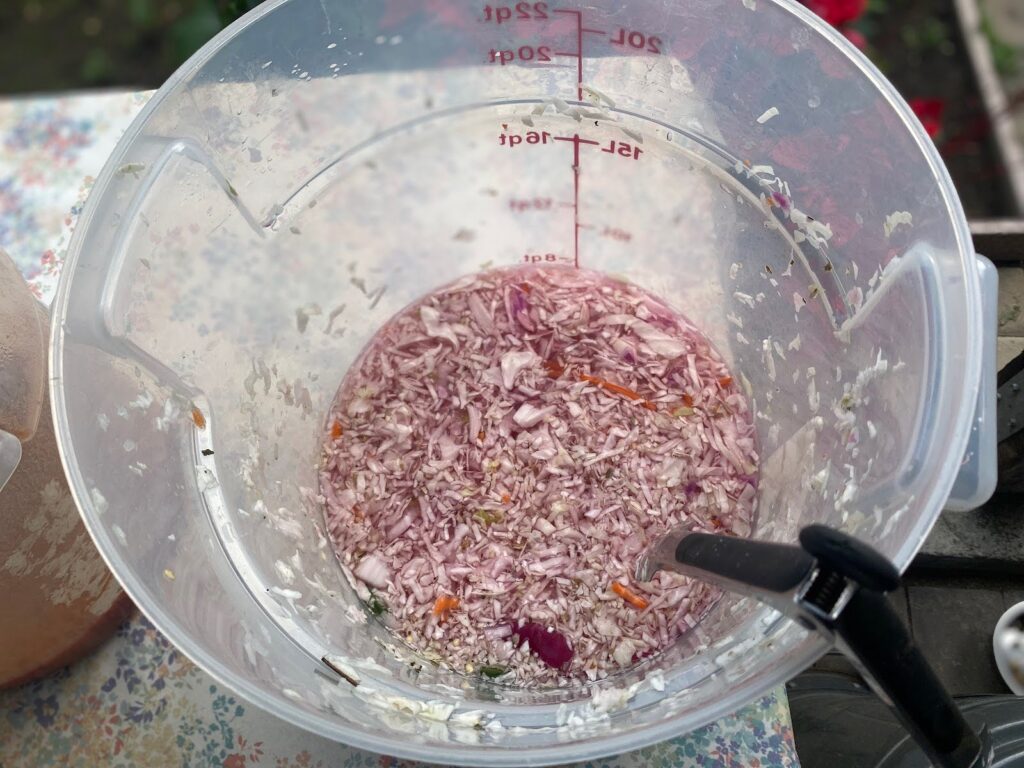
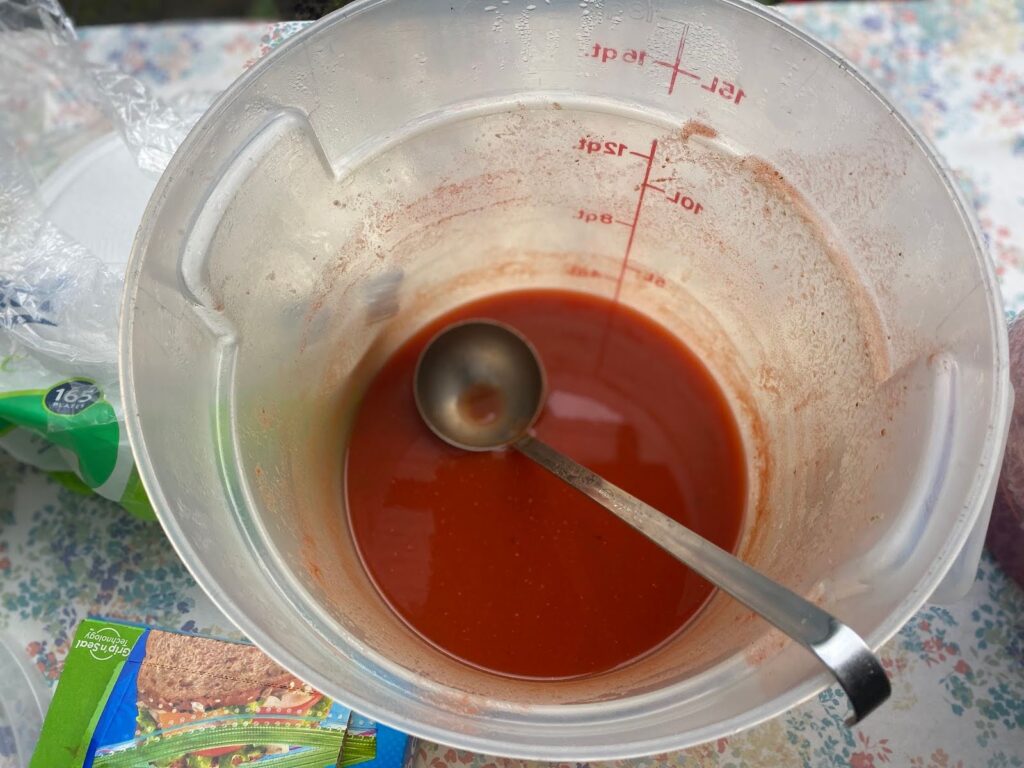
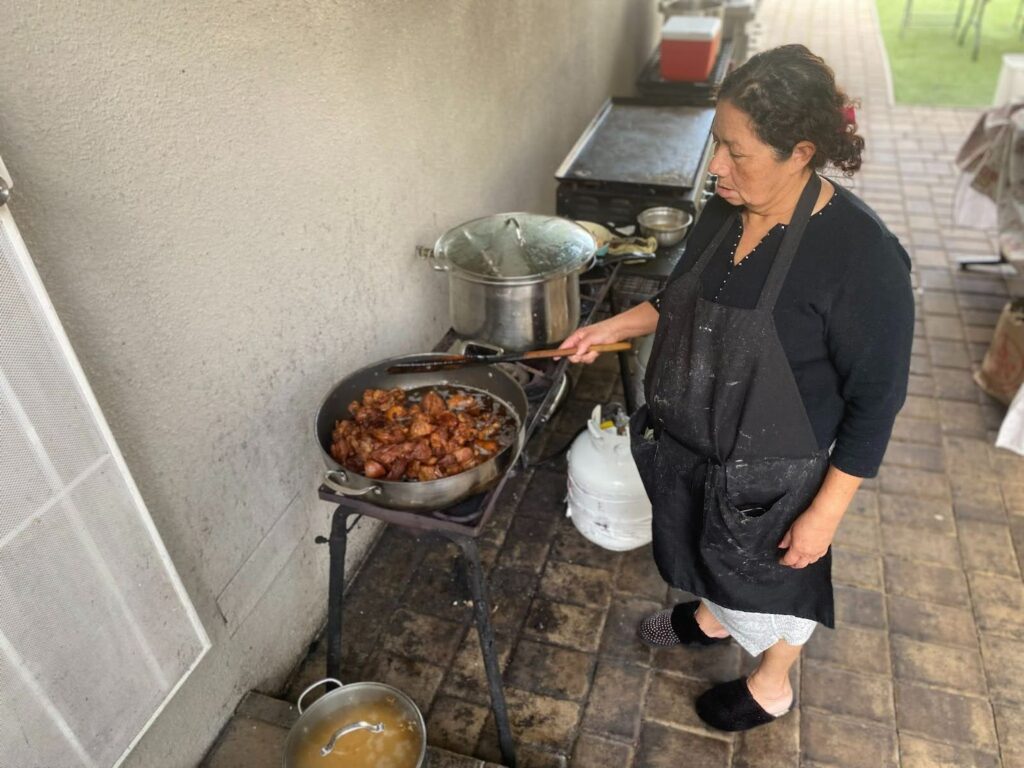
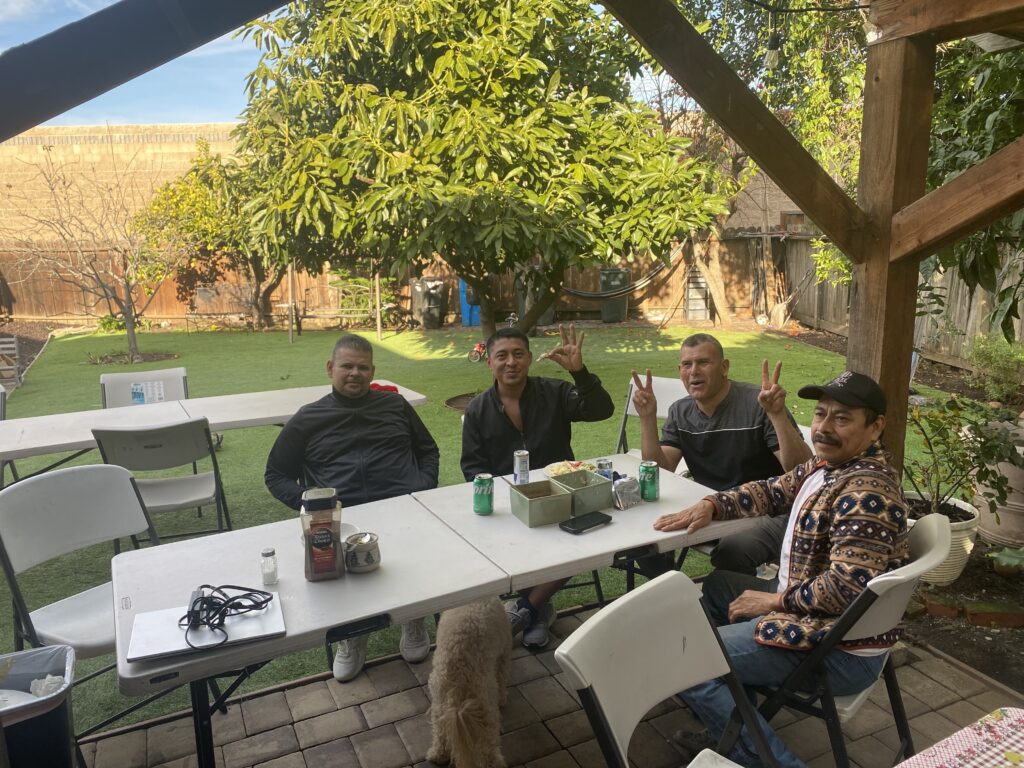
Beyond cooking, Deras also helps newly-arrived Salvadoran immigrants by helping them find housing and jobs. She connects them to a job hotline that employs people she helps, and advises them to remain hardworking and honest.
Deras also tries to help her community back in El Salvador through various philanthropic efforts, including charity with her church. “I [give] boxes with clothes, shoes, all the stuff [people] have and give me in good condition. I put [it] in big boxes, and send it to El Salvador,” she said.
Deras also works with Amnesty International to assist other Salvadorans. “I use [the profits from the business] because I send it every other week I send money over there to the poor people in El Salvador. I send a month, $1,000 in El Salvador. And then I save, for myself, you know, for when I get old,” she said.
Despite the many challenges she has faced, Deras credits her faith as a large part of her success in selling Salvadoran cuisine. “When I [wake up] in the morning, I pray and I pray,” she said. “I have a lot of customers, but I just do it because I like to do it.”
Deras’ favorite part of her work is seeing her customers appreciate traditional Salvadoran foods like she does. “I love when people come and say, ‘Hey, Rina, can you give me the recipe for the pupusa?’” she said.
For immigrants looking to make an impact in the U.S., Deras’ advice is simple. “You have to be very patient and you have to be honest, hard-working. That’s the special thing. You have to get up in the morning, go for a walk and then come and do what you need to do,” she added.
To advertise, Deras uses Facebook and her website to promote her business.
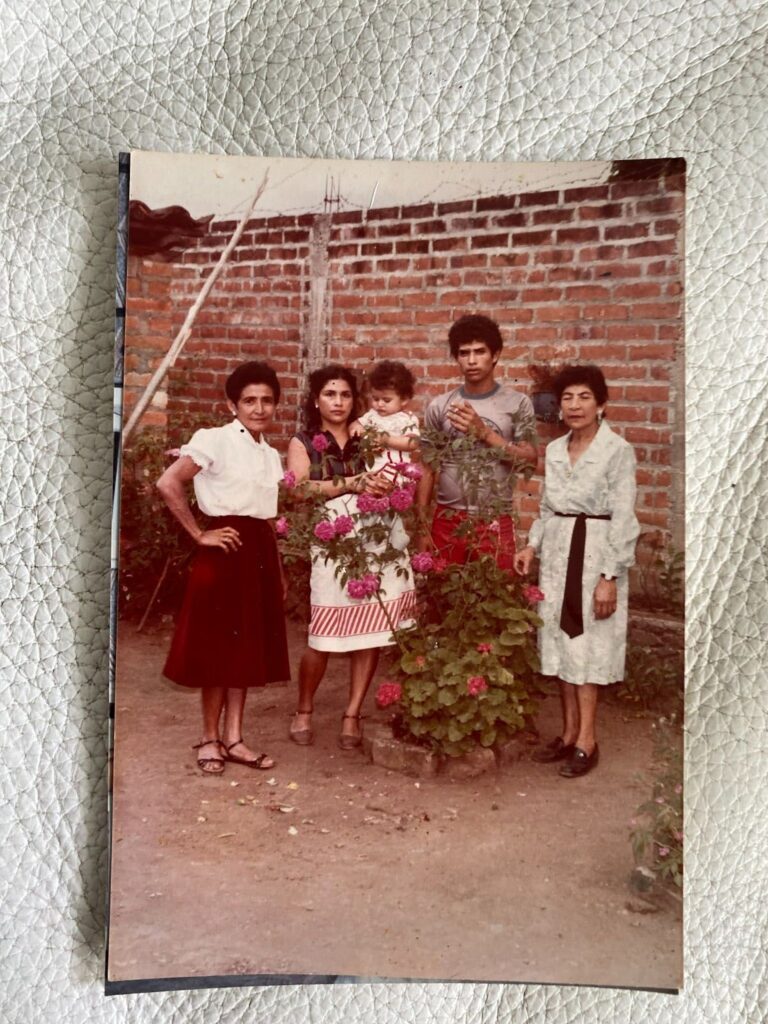
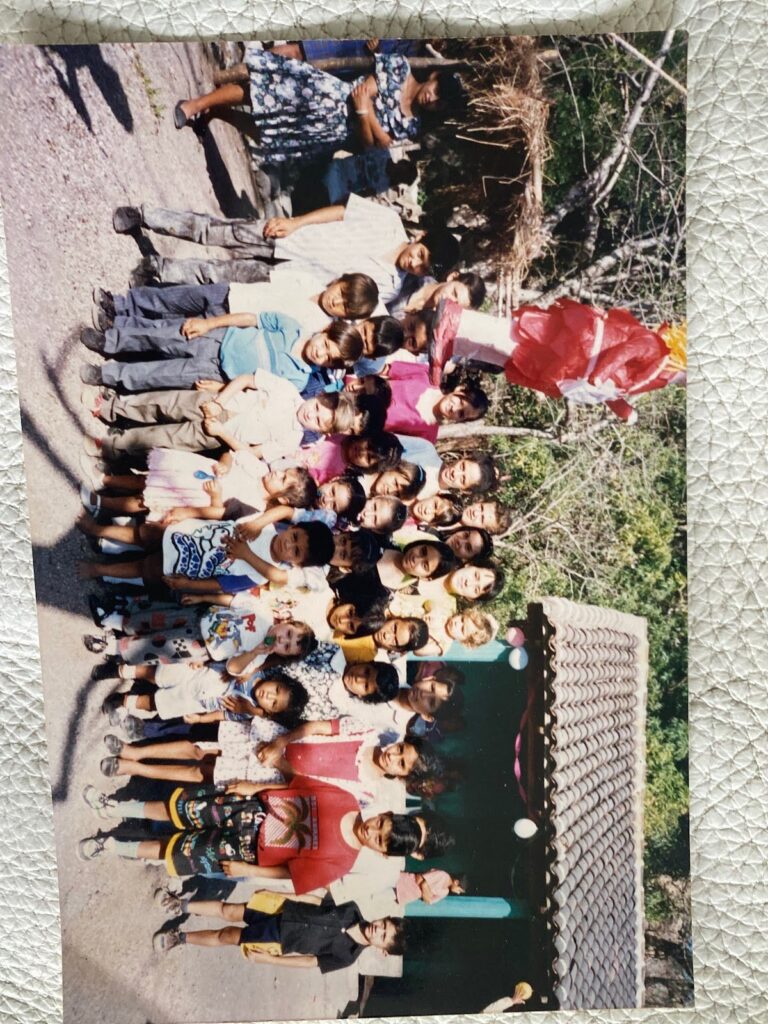
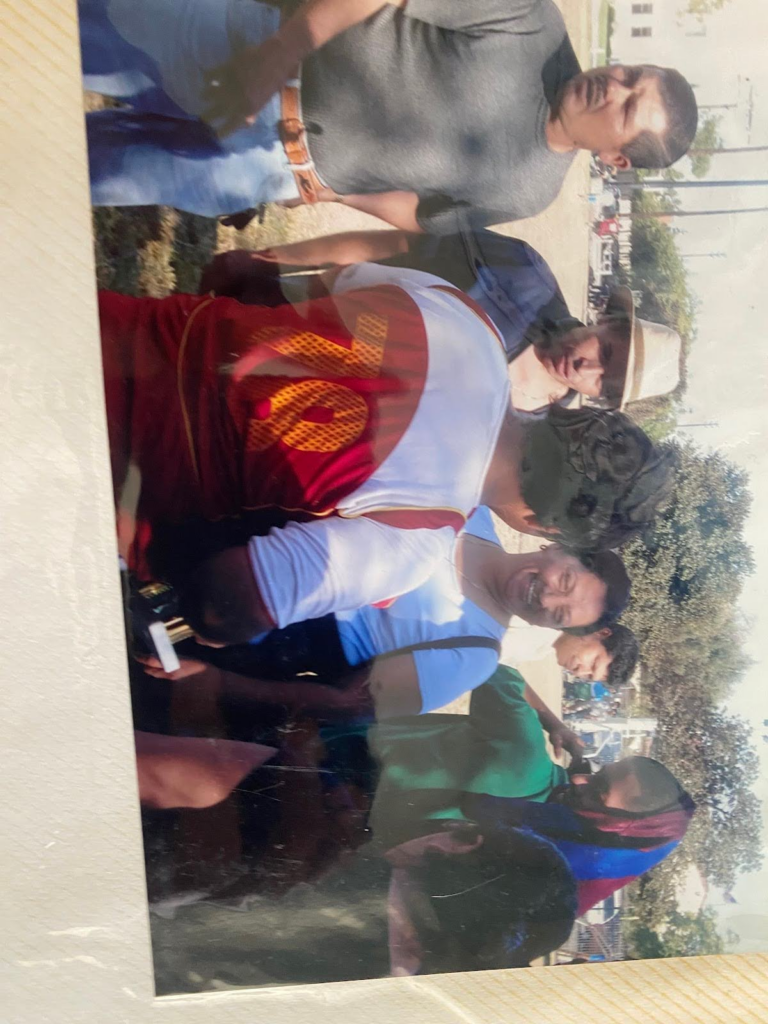
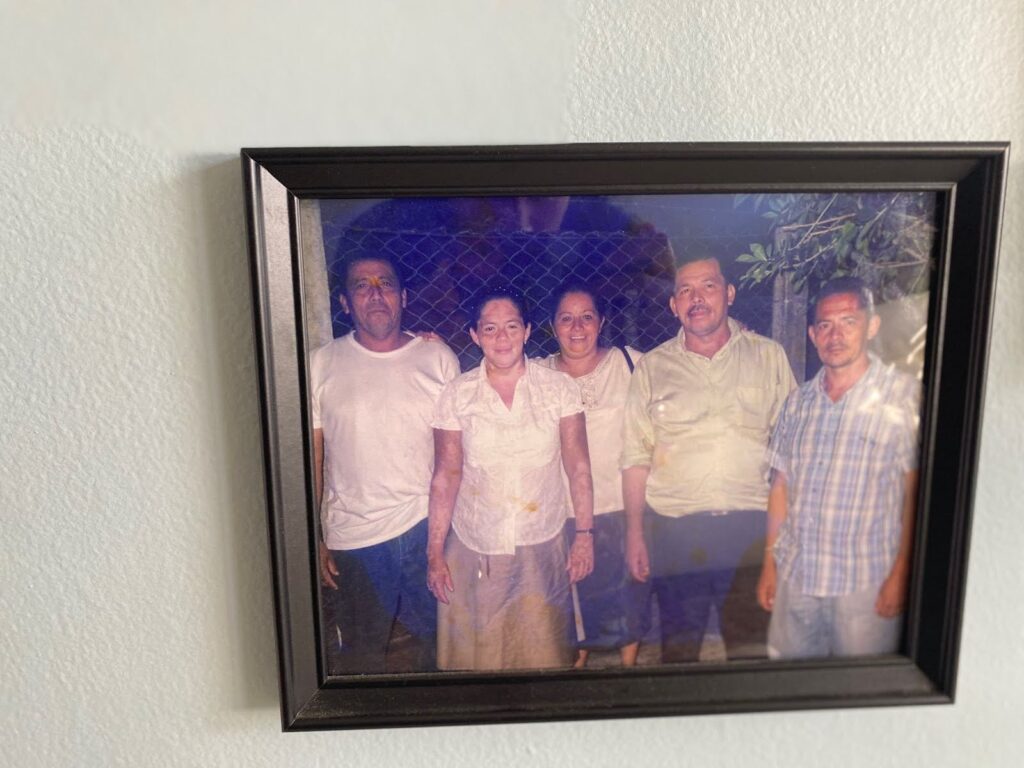
Thanks for taking time to interview and write this article about my mother. She definitely is a pillar for the Hispanic community in the Bay Area.
We love Rina
Rina Felicidades.
Orgullosa de conocerla. Una mujer llena del amor de Dios. Me siento orgullosa de contarme entre sus conosidos. Un gran ejemplo a seguir.