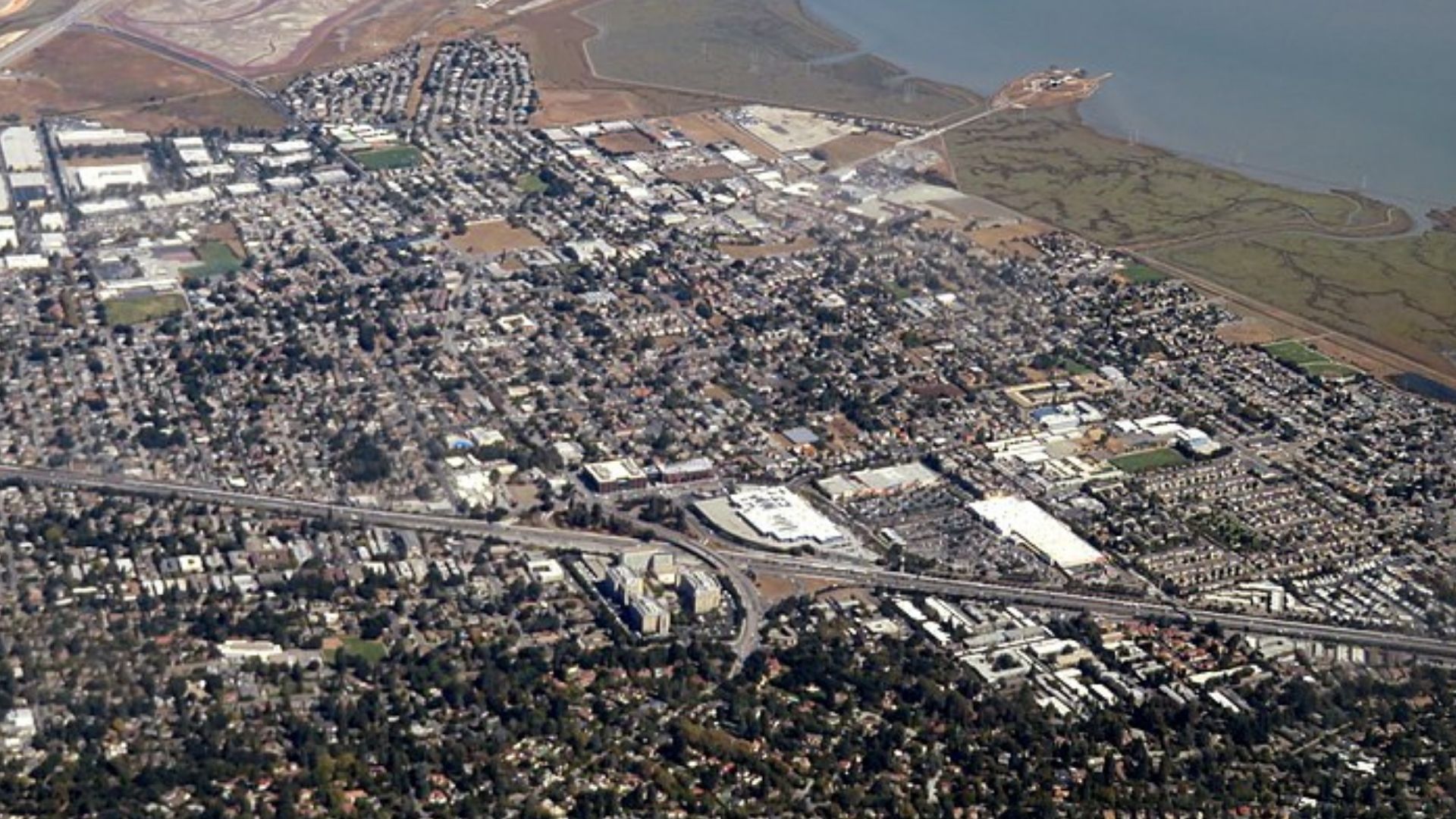
East Palo Alto (EPA) has a remarkable history of perseverance and boasts an extraordinarily diverse population. Notably, Native Hawaiians and Pacific Islanders make up 4.5% of the city, according to the United States Census Bureau. While not being the densest enclave of Pacific Islanders in the Bay Area, with parts of San Mateo and other East Bay cities fostering larger populations, Pacific Islander culture plays a key role in EPA’s history and culture. From the establishments that Pacific Islanders have helped build and populate, to the founding of the grassroots organization Anamatangi, EPA is intertwined with the work of Pacific Islanders.
Like many other minority groups in California, many Pacific Islander immigrants moved to EPA because it’s the only place in the area where minorities could live. While EPA was officially incorporated into San Mateo County in 1983, the city began in the early 20th century. Starting as an unincorporated area of the county, EPA was much larger until surrounding cities Menlo Park and Palo Alto annexed parts of the region in the 1960s. The city was heavily redlined, which led many minority groups, such as Pacific Islanders, to move over to EPA.
Living conditions weren’t as comfortable as the surrounding cities, despite being surrounded many prosperous neighborhoods and is in close proximity to the acclaimed Stanford University.
“The streets were really messed up,” EPA resident Michael Uhila said in an interview with Sisilia Afungia for the East Palo Alto Community Archive’s oral history collection. “Not safe to drive on, but that’s what we had,” he added.
Due to lack of sufficient law enforcement following its incorporation and revenue issues, EPA had rampant issues of gang violence and substance abuse. In 1992, the city reported the highest murder-per-capita rate in the United States. While homicides dropped to zero in 2025, many still look back on this time as a stain on the community.
Senter Uhilamoelangi, also known as Papa Senita, is a resident of EPA and a professional performing artist. He moved from Tonga to pursue a job as an assistant pastor alongside his wife at the Tongan Assembly of God Church. In his interview with Meda Okelo for EPA’s community archive, he referenced the severe violence that the youth experienced.
“I saw police and drug dealers shooting each other,” Uhilamoelangi said. “It was like a war zone, but we fought through that.”
Residents of EPA formed many organizations to improve the city and their neighbors’ lives. Papa Senita and his wife, the late Apollonia Grey Uhilamoelangi, also known as Mama Dee within the community, founded Anamatangi Polynesian Voices in 1997. Anamatangi is an outreach organization that focuses on advancing communities negatively impacted by legal, economic, or institutional systems, with the preservation of community heritage among its top priorities.
The organization’s roots began at M-A in 1992, when Mama Dee instituted an after-school program to tutor Pacific Islander students. This program was originally named “Pacific Islander Outreach.”
At the same time, Papa Senita was organizing fundraising events, using performing arts to gain attention and raise money for the EPA community. Eventually, the performances and Pacific Islander Outreach would merge as one organization following a fundraising event with King Tupau IV in attendance, giving the artists the name “Anematangi.” Pacific Islander outreach was absorbed by Anematangi in 1997, and the groups became an official nonprofit organization.

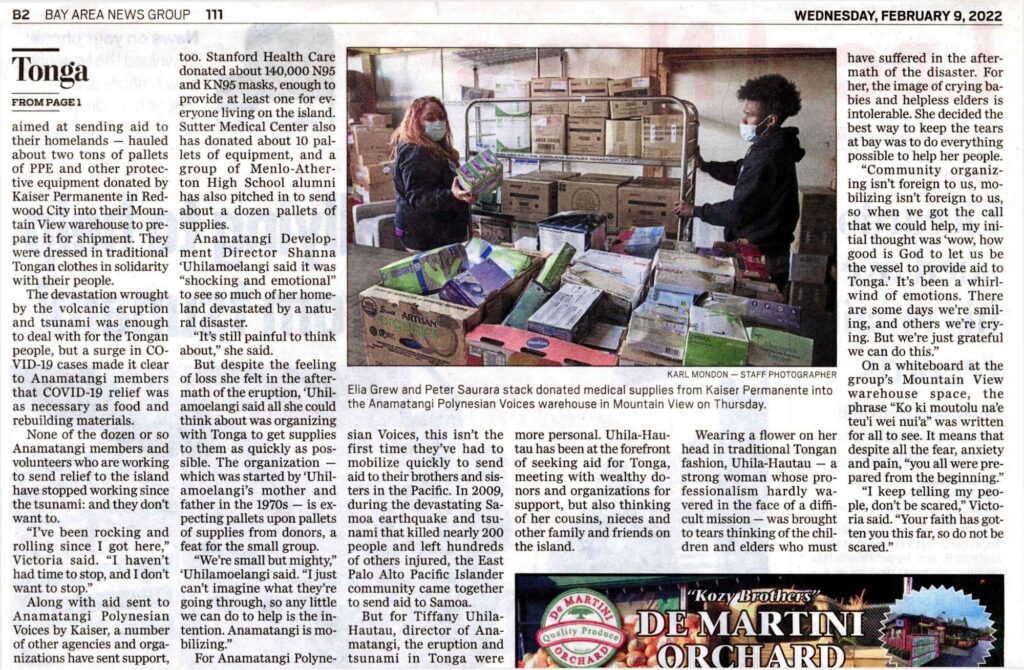
Since its founding, Anematangi has not only been instrumental in advancing EPA but also a valuable asset for disaster relief in the Pacific Islands. In December of 2021, a volcanic eruption in Tonga also triggered a tsunami that devastated the western coast of the island. Thanks to Anematangi’s fundraising efforts, an astonishing 2 tons of medical supplies were sent to Tonga.
Because of the efforts of organizations such as Anematangi, One East Palo Alto, and WeHope, many businesses reopened their doors to the previously risky investment of a city. In 2002, California Bank & Trust opened its doors at Ravenswood 101 Shopping Center, marking a significant change in the attitude of businesses investing in EPA, as it was the first full-service bank to open in the city for the past 15 years. A year later, popular Swedish furniture warehouse IKEA opened along University Avenue.
This progress has been met with mixed reactions, as community concerns over gentrification also grew with the opening of the Amazon office building in 2014 and the expansion in 2017. Many feared that the Silicon Valley tech boom would raise housing prices, driving locals out as they were eventually priced out of their own hometowns.
While apprehension about gentrification remains on residents’ minds in EPA, the culture remains largely unchanged. Senior Nina Tangilanu grew up in EPA after her parents moved there in their 20s because they heard that other Polynesians lived there. Most of the experiences that the community built many years ago stay vibrant; people still gather at the churches, perform dances, and bond through shared culture. “Honestly, if you’re Polynesian, the Polys will find you,” Tangilanu said. “You don’t have to go out and look out for them, it’s really easy to fit in.”
Ultimately, as time passes and residents move in and out of EPA, the city’s cultural identity will endure for many years because of the efforts of organizations such as Anematangi and EPA’s to preserve its history and culture.