Art and its various forms—painting, writing, music, acting, journaling, and more—have been central to human society for thousands of years. Origins of art have been traced back to 45,000 years ago through discoveries of historical cave paintings, bone etchings, and more. Now, many use art as a creative outlet, using it as a way to destress, process feelings, and self-reflect. Here’s a glimpse into how various M-A art clubs encourage creativity within the M-A community.
Art Club
The Art Club offers a welcoming and engaging space for all artists, hosting various hands-on activities throughout the year. Students have the opportunity to express their creativity through lively games such as Pictionary. For most meetings, club members decide on the activity beforehand through voting.
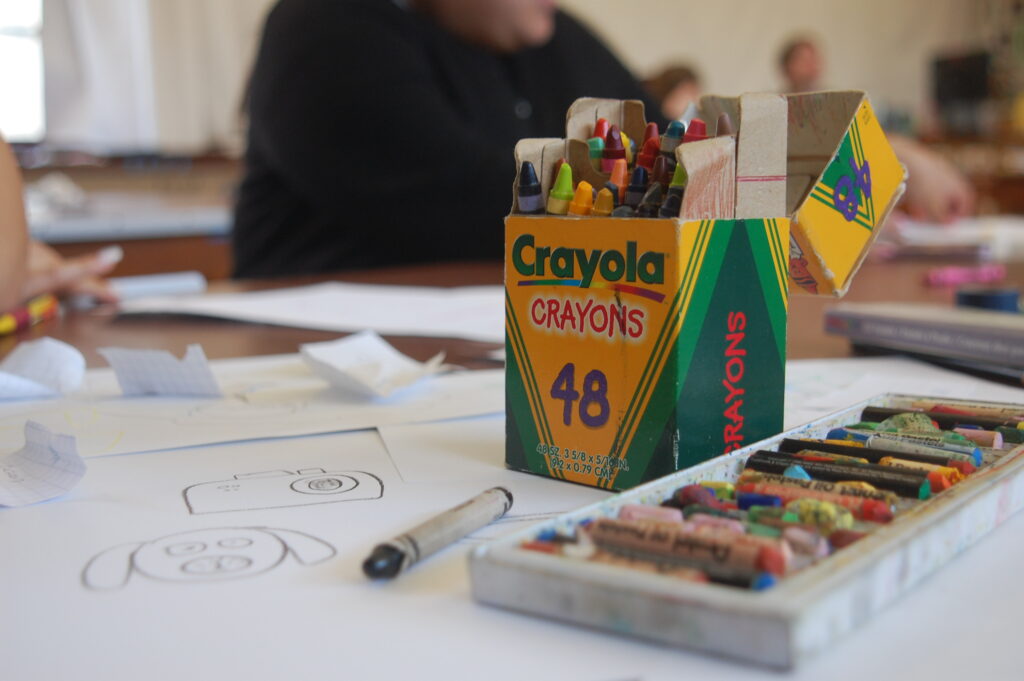
“[We] try to give people different choices of what they want to do. Sometimes, we make a box and make them write what they want to do: painting, drawing, collages, journaling. We really bring some of them together,” junior Ruby Martinez Vargas said. Martinez-Vargas co-founded the Art Club at the request of drawing and painting teacher Mitzi Ulloa to bring students with an interest in art together.
“[Art] helps reduce stress and also stops your mind for a second,” Martinez-Vargas said. “It’s something that you can’t put a grade in. You are free with art. You can do whatever you want. There’s no limit.”
The Art Club meets every Wednesday at lunch in S-0.
Drama Club
The Drama Club acts as a safe and supportive community for all students interested in drama—even if they can’t participate in the elective or school productions. The club plays interactive games such as jeopardy or charades.
“It’s just very important for everyone to have a creative outlet,” senior and president of the Drama Club Kealy Bryman said. “We don’t necessarily have creative outlets in our classes, so I think art is a very good way to express yourself.”
Bryman is a long-time performer and acts in many of M-A Drama’s performances. She performed in her first show in kindergarten and has been performing ever since. “I think especially since we’re a lot of the time at school, we don’t necessarily have creative outlets in our classes,” she said.
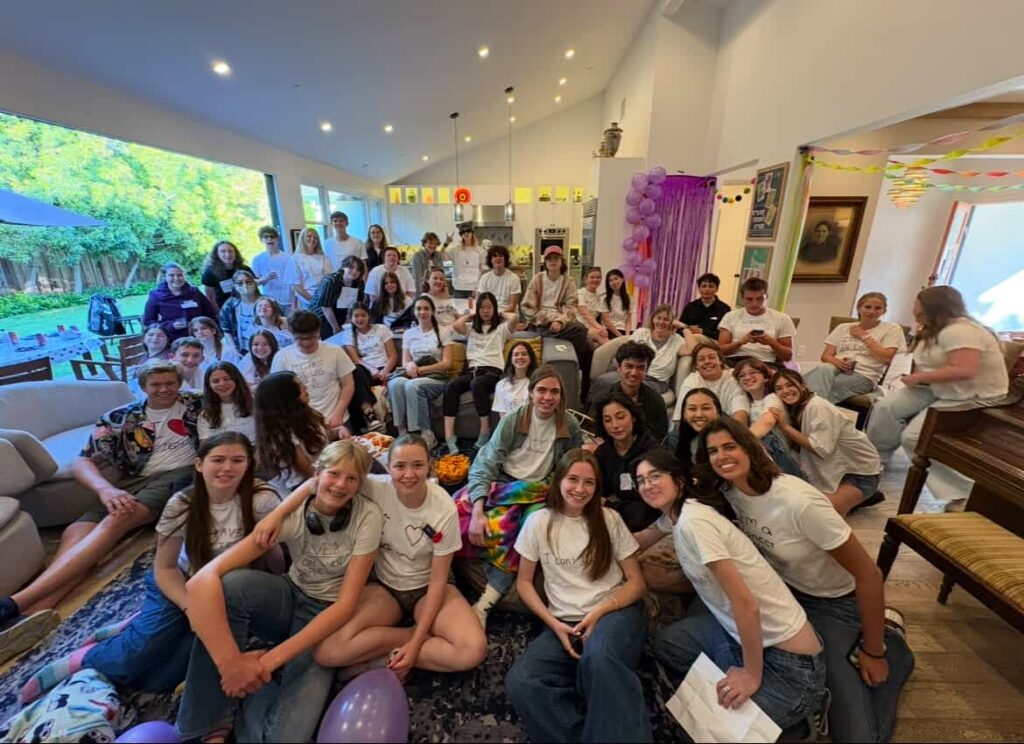
The Drama Club meets every Wednesday at lunch in C-16.
Lyric Lab
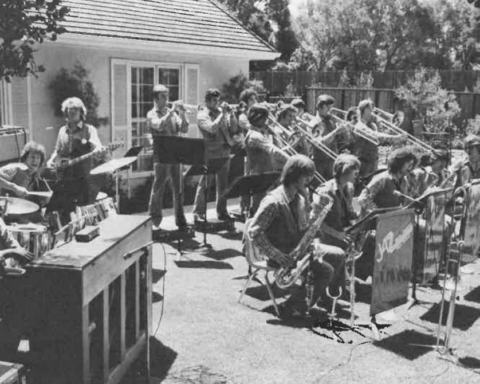
The Lyric Lab is a space for students to explore their passion for music and songwriting. Members collaborate, share ideas, and workshop their songs in a supportive community of music lovers. The club welcomes all students who enjoy expressing themselves through music.
Senior Samantha Richman, the founder and co-president of the Lyric Lab, created the club as a way to bond with students who have a similar passion for music. She received her first guitar after her grandparents took her to Polyphony, a music school in Nazareth, Israel. Nazareth is where guitarist David Broza established One Million Guitars—a non-profit focused on delivering guitars and instruction to young students.
“I confessed to the director that I always wanted to learn guitar, but never had one. He smiled, opened a door to a room full of instruments, and handed me one,” Richman said. “That was it. This became the guitar I learned on, the guitar I wrote my first song on, and the guitar I still play when leading services at synagogue each Sunday.”
“While music connects me to others, it also serves as a personal outlet for coping and self-understanding,” Richman said. “I write songs about personal experiences because there’s nothing more relatable than words I’ve written myself. When I was diagnosed with ADHD and dyslexia in high school, focusing and finding the right words often felt impossible until I turned to songwriting. When my parents got divorced, I couldn’t find a song that captured how I felt, so I wrote one.”
“Music has always been my outlet. Social drama? I write a song. Feeling sad? I write a song. Feeling joyful? I write a song. Playing music helps me connect with others, and songwriting is the way I connect with myself,” she said. “Songwriting turns chaos into clarity, and has become my way of making sense of my emotions too complex for speech.”
The Lyric Lab meets every Monday at lunch in S-1.
Journaling Club
Journaling is the practice of writing down thoughts, feelings, experiences, and reflections—serving as a therapeutic and creative method to self-reflect, manage emotions, and reduce stress. The Journaling Club provides students with a safe space to journal, share their thoughts, and chat among peers.
“Journaling is kind of an underlooked form of art in society,” sophomore Sophia Nguyen said. Nguyen helps plan events for the Journaling Club, and has been journaling for two years. “A lot of people, when they think about art, most commonly think of painting, drawing, mainly visual displays, but it can also be more reserved.”
Nguyen noted that she has become more organized after she started journaling. “For me, it has helped me destress from school work,” she said. “Because a lot of times I have a lot of work, and that makes me stressed and kind of crash out. So I journal to control my emotions, sort things out and also plan my day.”
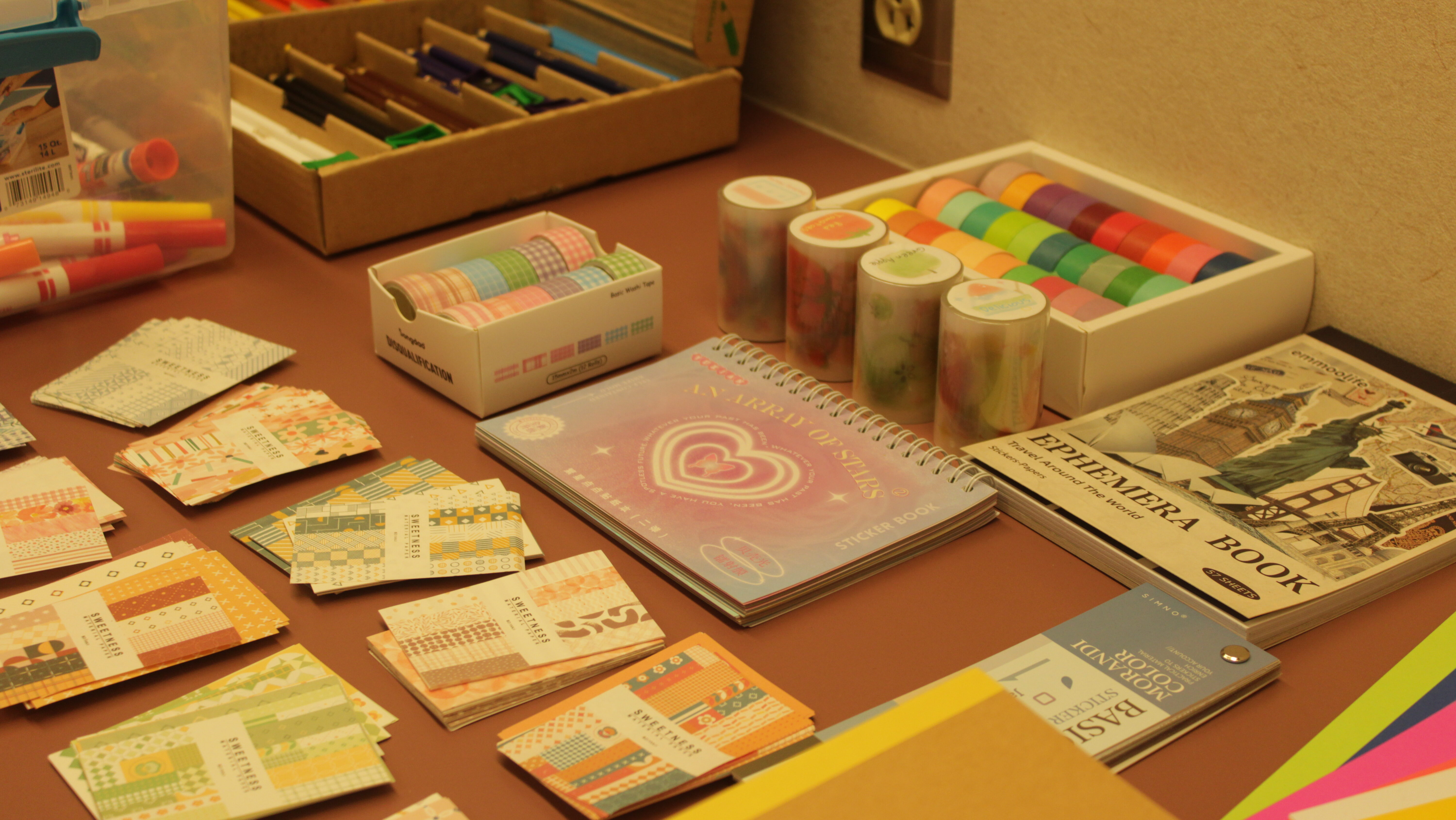
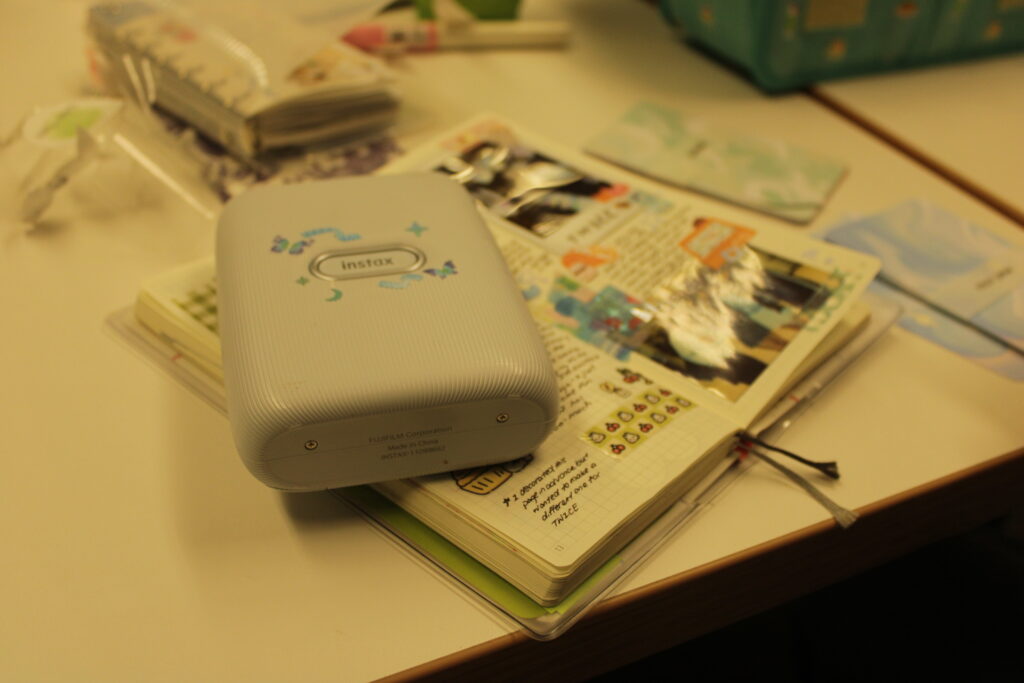
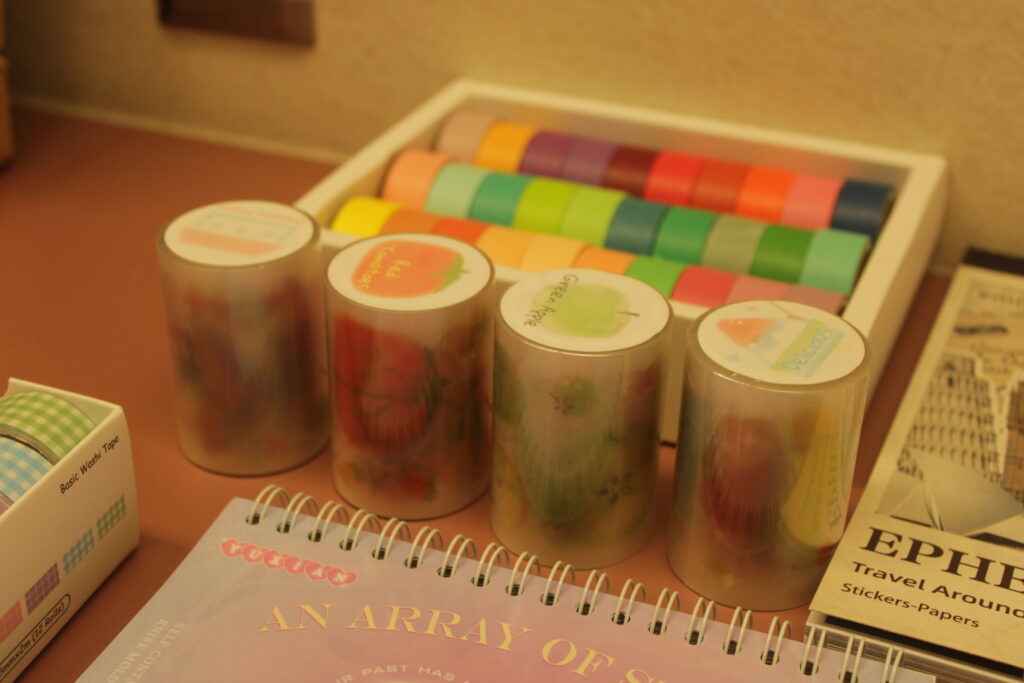
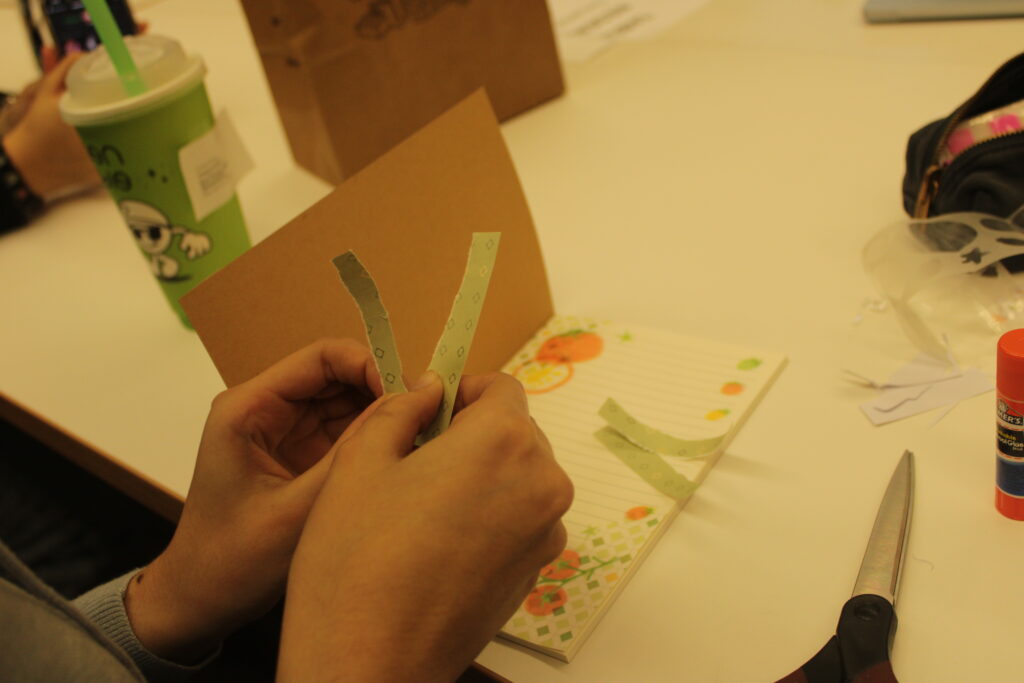
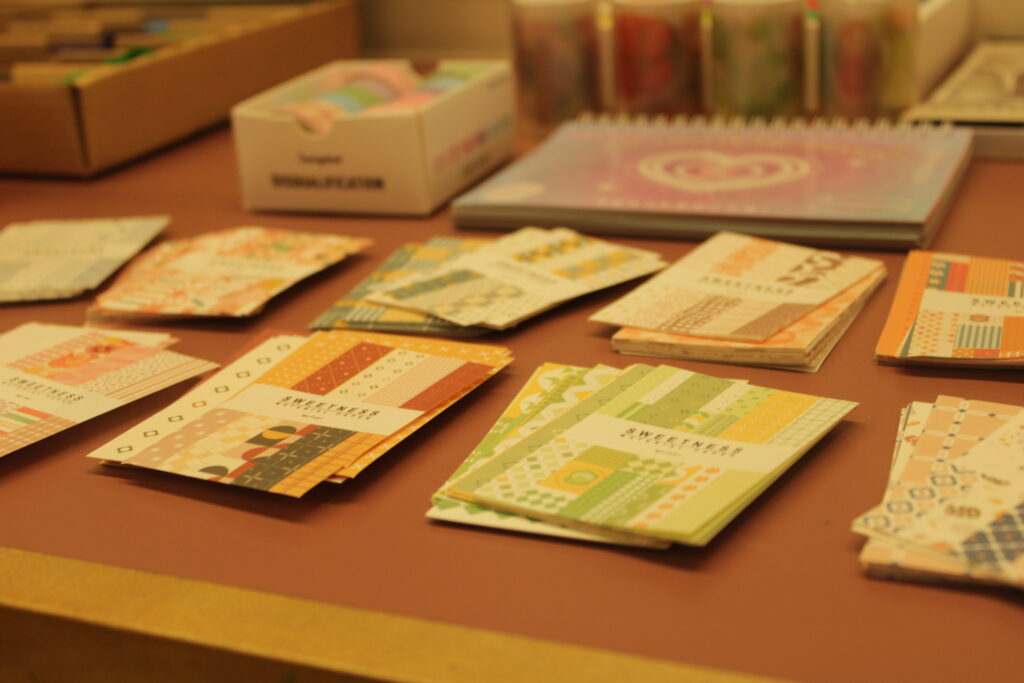
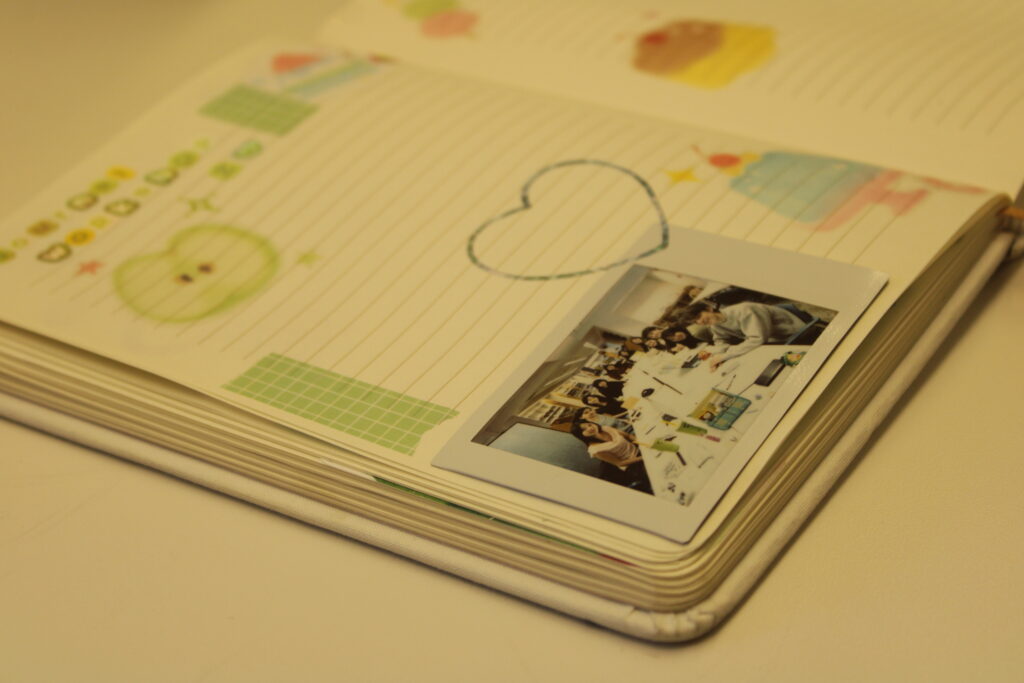
The Journaling Club also hosts journaling workshops, with their last one being held in the Menlo Park Library on Jan. 29. Students were offered markers, stickers, washi tape, and cards to decorate their respective journals—not to mention an assortment of snacks in case students got hungry.
“[Journaling] is a way of private self care. It really destresses you. People do it to regulate their emotions and organize their work, their day,” Nguyen said.
The Journaling Club meets every Monday at lunch in C-11.
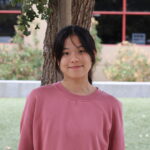
“I think [art] is a really wonderful way to express your emotions and worldview,” sophomore and Vice President of the Creative Writing Club Eden Ye said. Ye has been writing since they were five.
“Creative writing is—in my opinion—one of the most essential forms of art. I really do think writing has changed my life,” they said. “Whenever I think about my identity, writer is one of the first words that come to mind. I don’t know where or who I’d be if I couldn’t write.”
“I think [art] has a very positive impact on people and their mental health. The arts can make individual and seemingly isolating experiences relatable. It is a form of reflection,” Richman said.
The positive impacts of art are undeniable: art promotes creativity, reduces stress, and oftentimes helps individuals in processing and expressing emotion. M-A art clubs continue to foster such positivity in their communities, providing a safe space for all artists.
“Art will never die,” Bryman said.