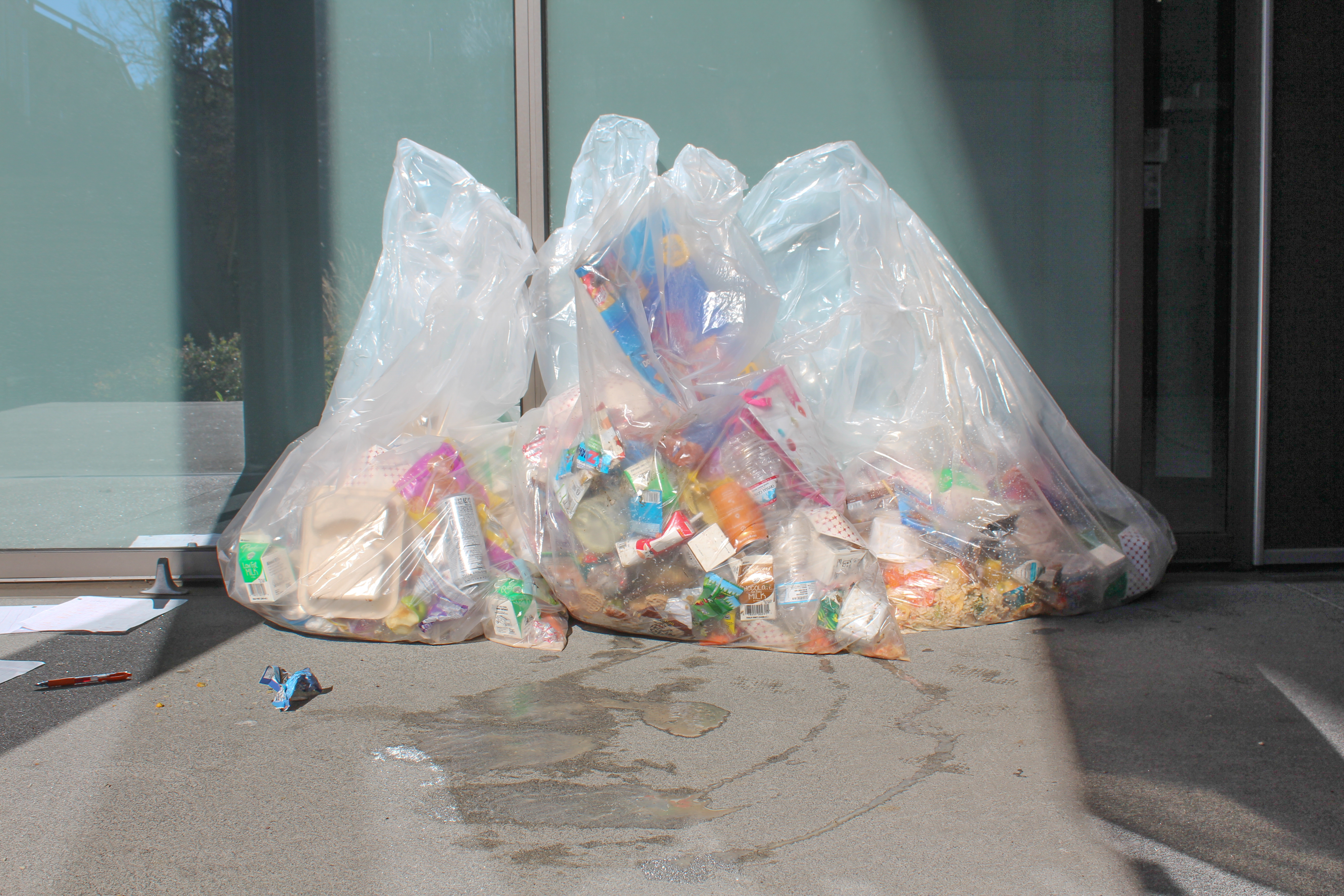
From eating snacks in class to messing up a worksheet, producing trash on campus is a full time job for students.
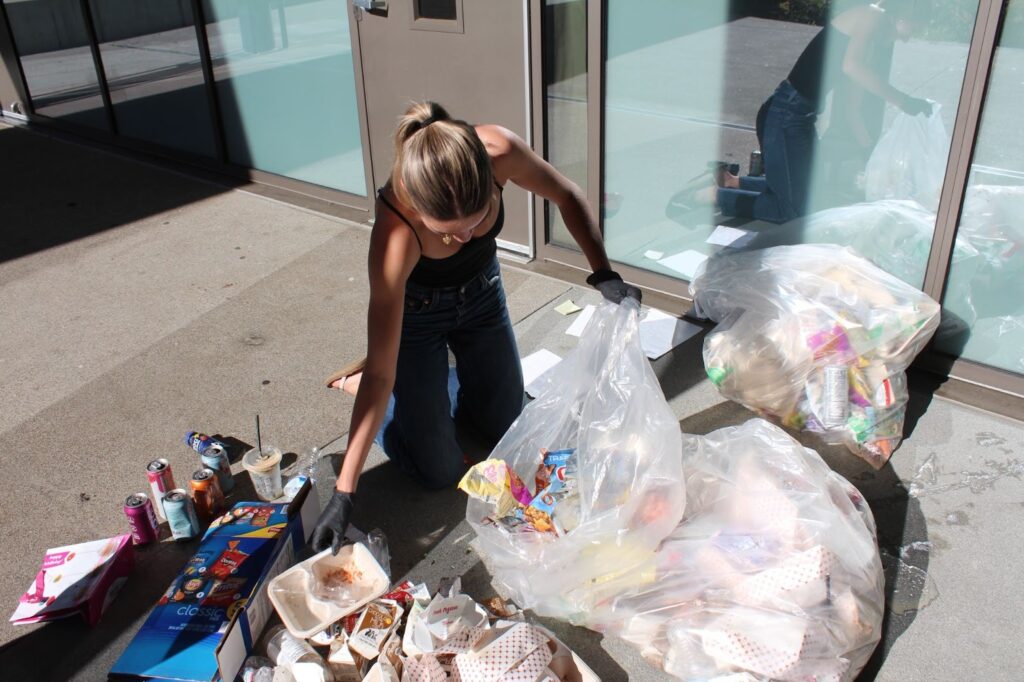
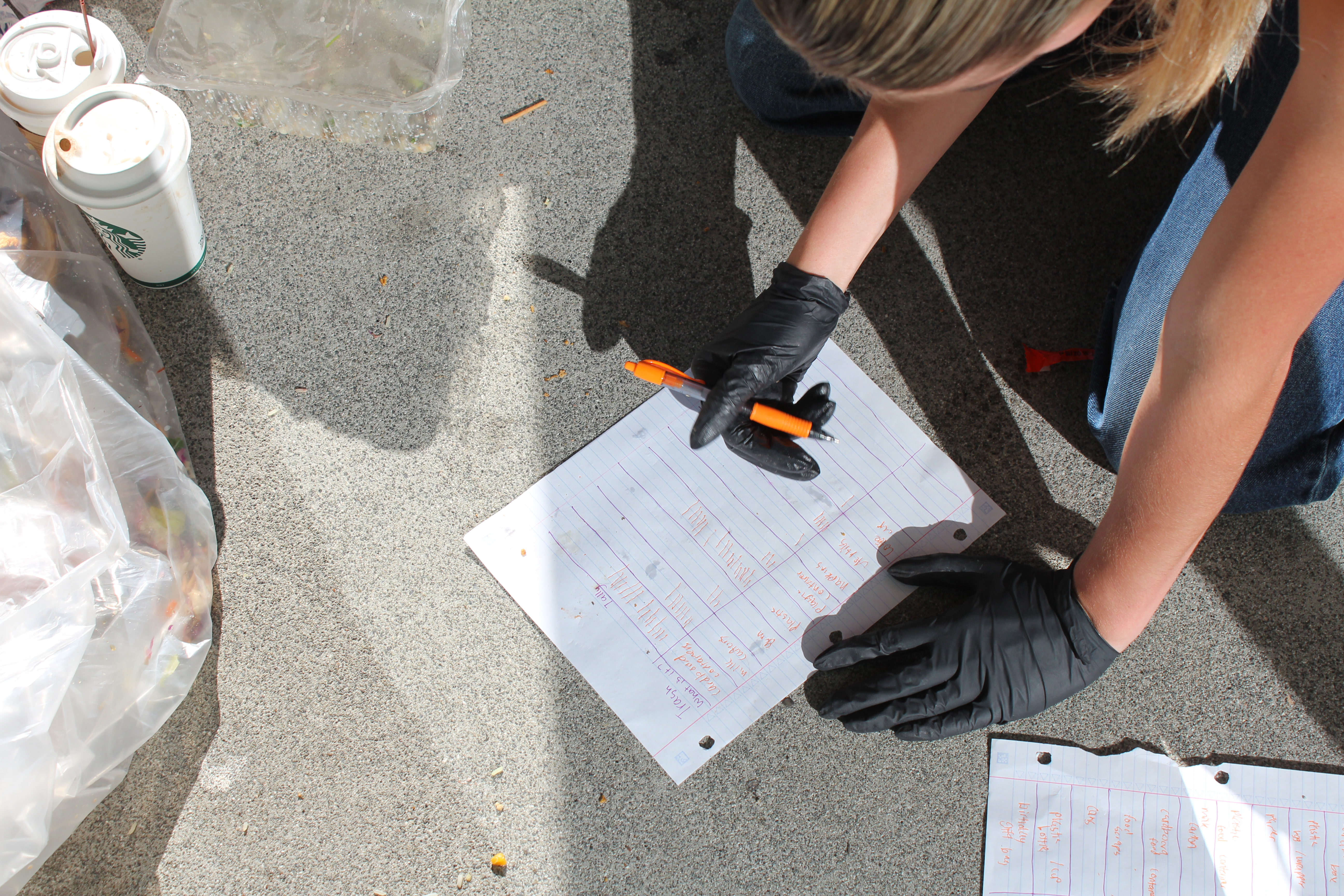
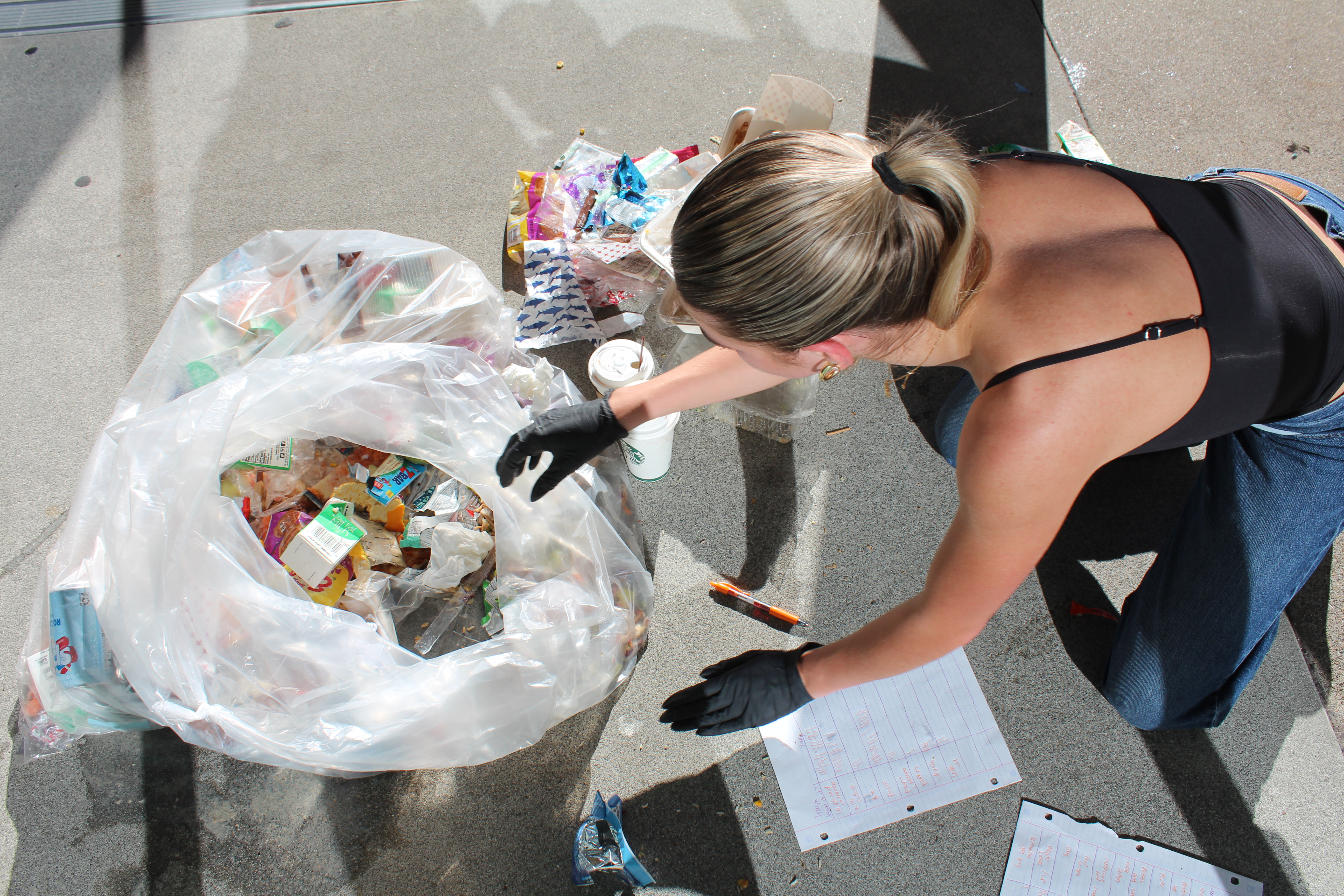
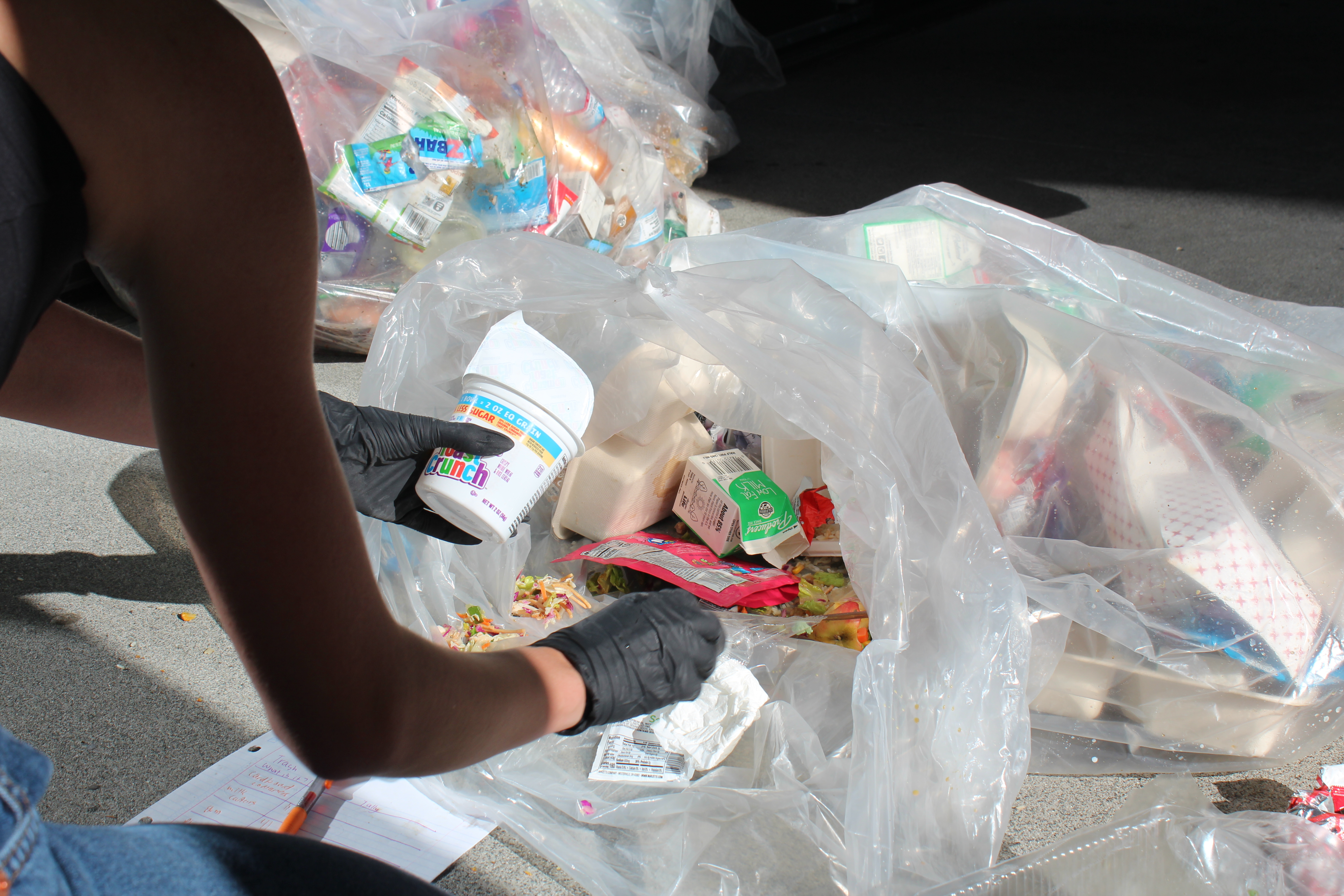
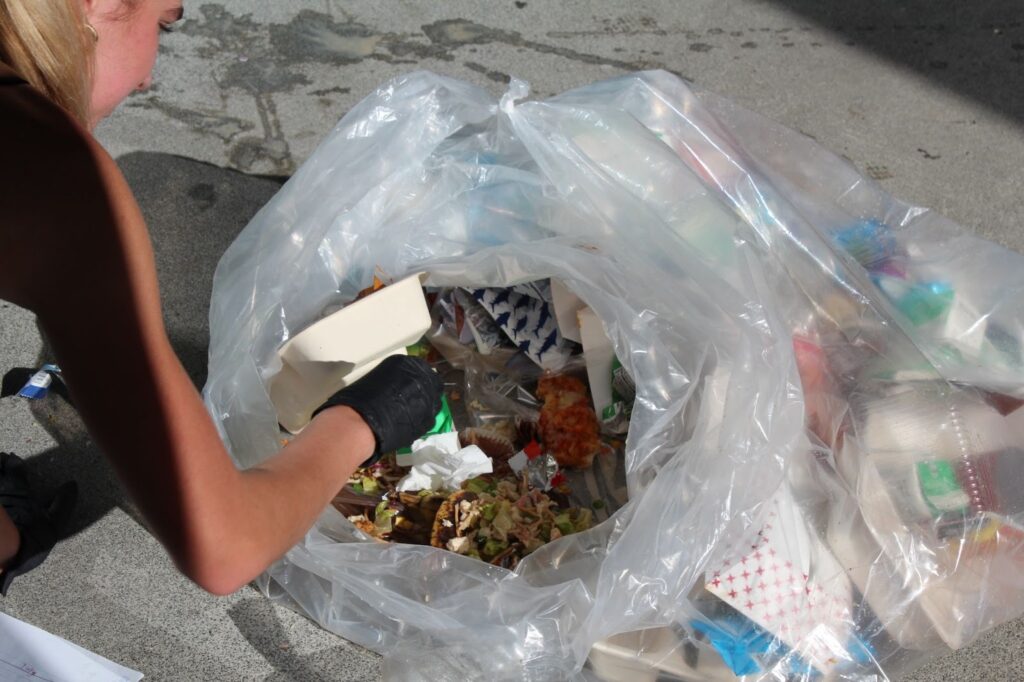
Curiosity got the best of me. After watching students throw items into whatever bin was at their convenience and noticing my own lapse of judgment when it came to trash sorting, I was desperate to know how we are doing with our trash disposal. Obviously, the only way to test this would be to set out on my hands and knees to empty and categorize the contents of one landfill, one compost, and one recycling bin in the G-wing.
When it comes to waste disposal services, M-A uses Recology, which has comprehensive rules for what items belong in which bins.
Landfill Bin
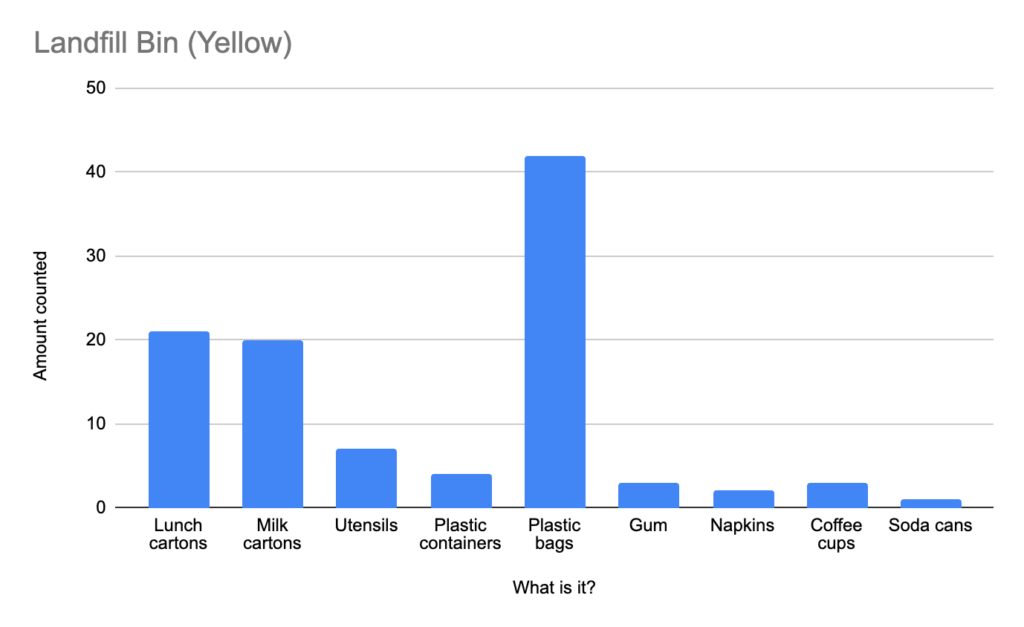
The landfill bin contained a wide genre of materials, many of which did not belong there. Beneath the layer of countable items, there was a mushy mixture of food scraps, which cannot be placed in the landfill bin. Landfills are designed to exclude oxygen, so when food breaks down without air, it releases greenhouse gases like methane.
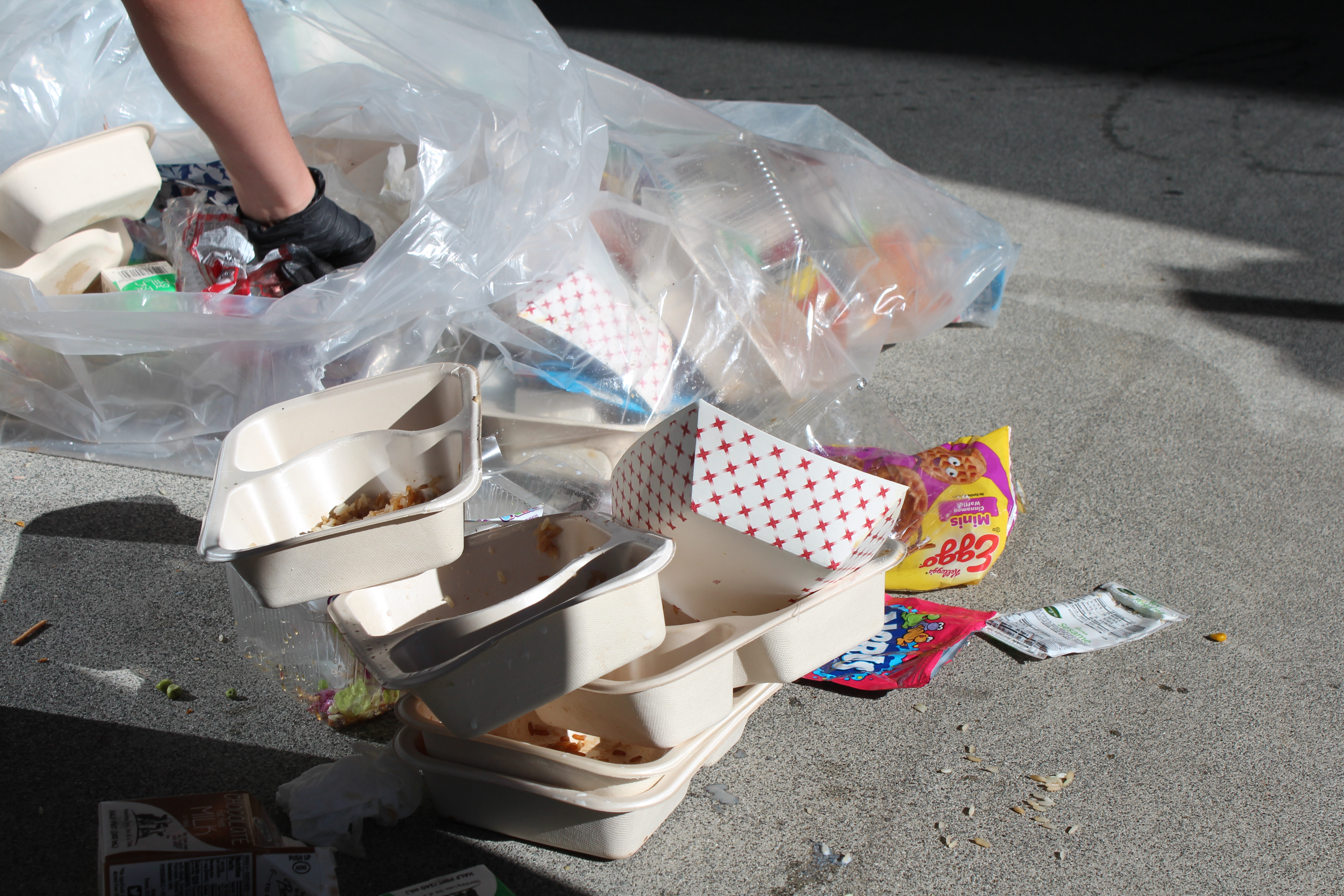
Cardboard and paper lunch containers were also commonly found in the landfill bin, when they should actually be placed in the compost. Milk cartons were another frequent item, however these belong in the recycling bin.
Despite the errors, some materials were correctly discarded. The most commonly thrown away item in the bin, plastic bags and wrappers, do belong in the trash. Plastic utensils were also properly disposed of.
Compost Bin
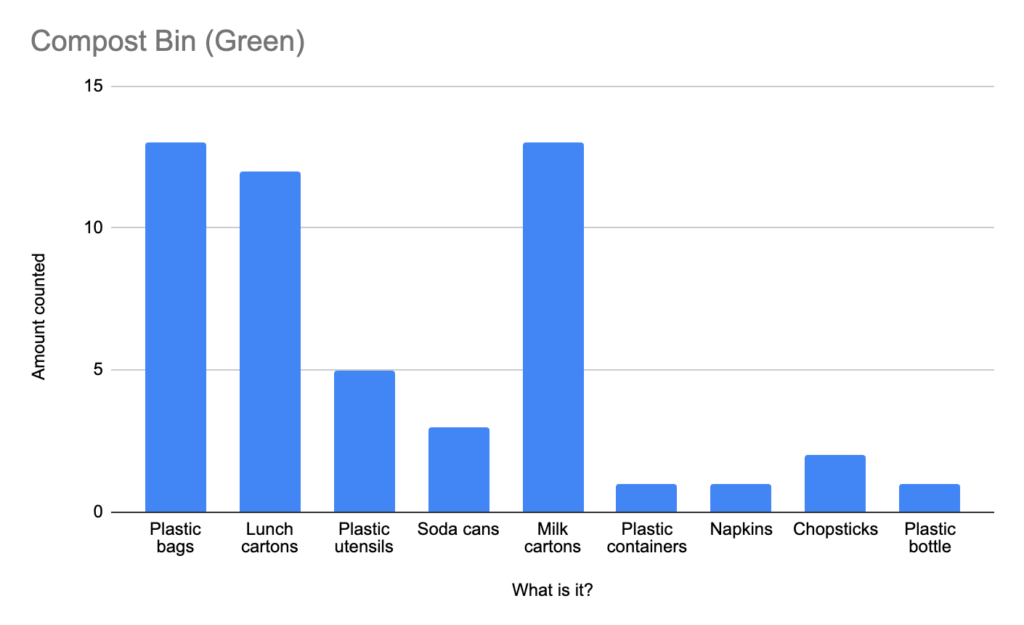
The compost bin showed some of the highest sorting errors. Milk cartons were the most frequent item, which might seem compostable due to their paperboard material that many assume is biodegradable. Despite this, they are often coated with plastic and sometimes include layers of aluminum that don’t break down as fast as compost. Plastic bags and wrappers were also a top item, despite not being compostable.
In addition, plastic utensils, soda cans, plastic bottles, and plastic containers were found in the compost bin. These items do not biodegrade and can clog machinery while also contributing microplastics to the finished compost and soil.
Compost is ideal for soiled paper and food scraps, making it the right place for the napkins, chopsticks, and food. It is also the proper place for the biodegradable cardboard and paper school lunch containers.
Recycling Bin
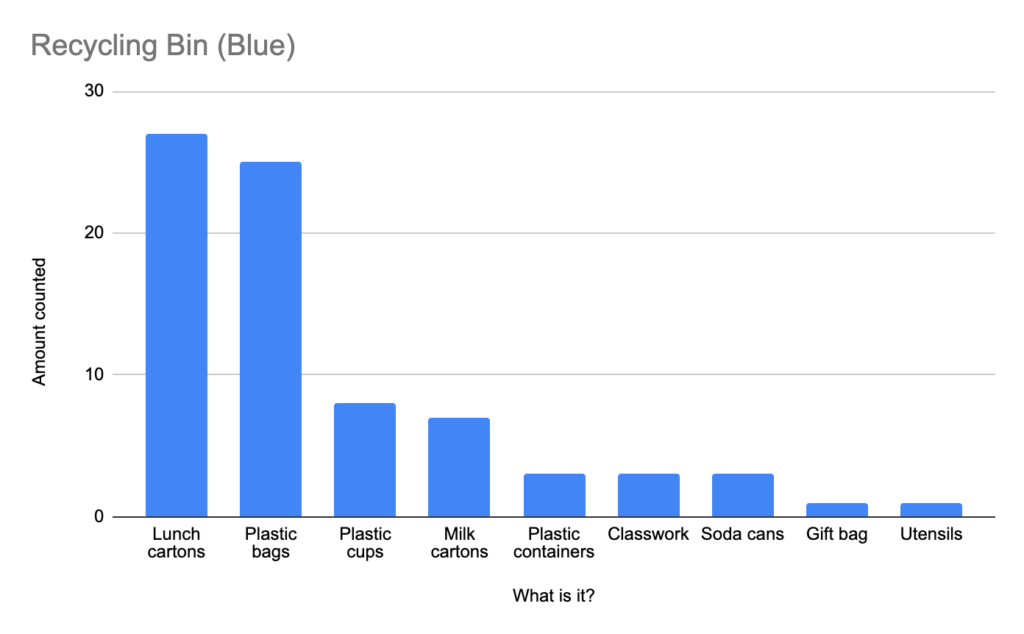
While the recycling bin was generally more accurate than the compost bin, it still had significant issues. Plastic bags were found in this bin, while they should go in the landfill. These bags can jam recycling machinery and are one of the most common recycling contaminants.
Milk cartons were another frequent item, many of which still contained liquid. While recycling is the proper place for these items, recycling plants are not designed to handle liquid. Cartons should only be disposed of once emptied and dried. Similarly, the cardboard and paper lunch containers, especially when contaminated with food, do not belong here.
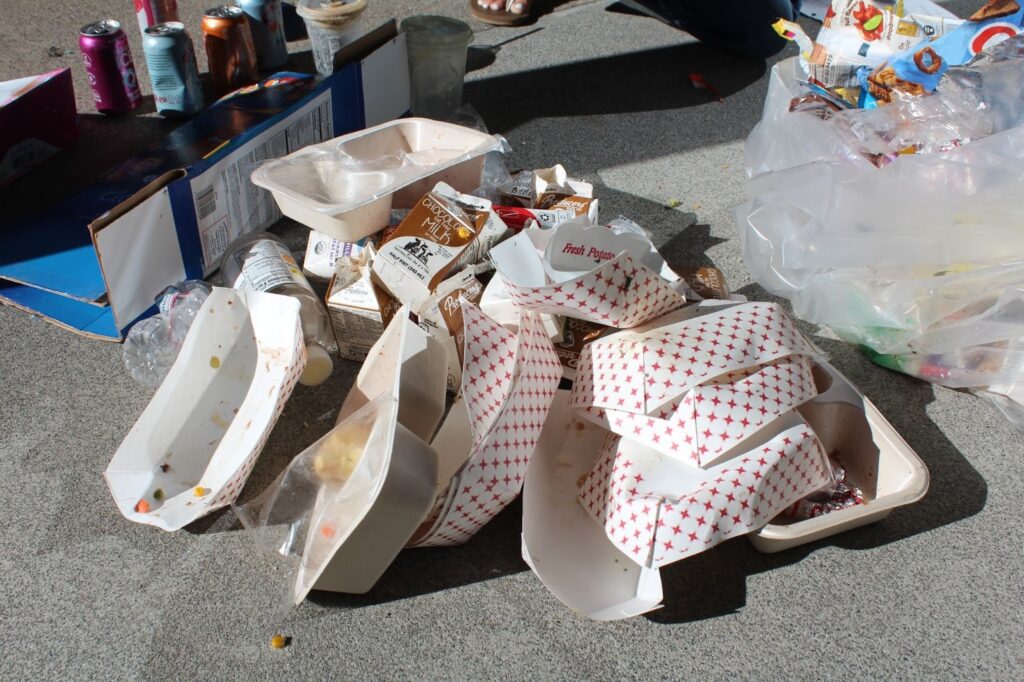
On the positive side, many items were sorted accurately. Plastic containers, soda cans, and paper classwork, though composing a small fraction of what was found in this bin, align with Recology’s recycling guidelines.
Across the three bins, liquids, plastics, and food-soiled materials are the most frequently misunderstood items. Improper sorting can cause entire loads of compost or recycling to be sent to landfills instead. Even when most items in a bin are correct, a few contaminants can undermine the system’s effectiveness.
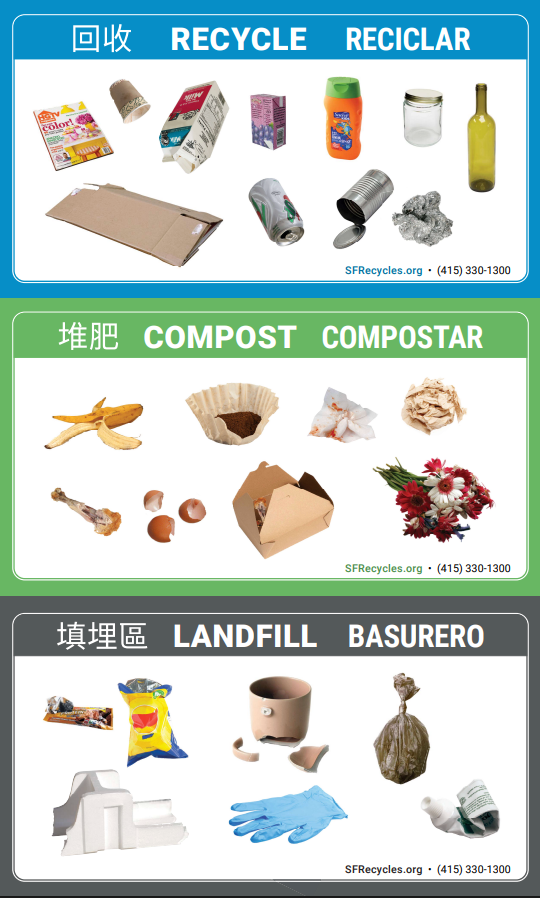
Despite the negatives, the data showed M-A’s valiant effort to dispose of waste responsibly. Even if milk cartons were commonly confused between compost and landfill, few were found in the recycling, showing that the overall trends may be less of an issue of carelessness and more of a lack of understanding. With clearer guidance and signage, M-A has the potential to greatly improve its waste sorting and reduce its overall environmental impact.