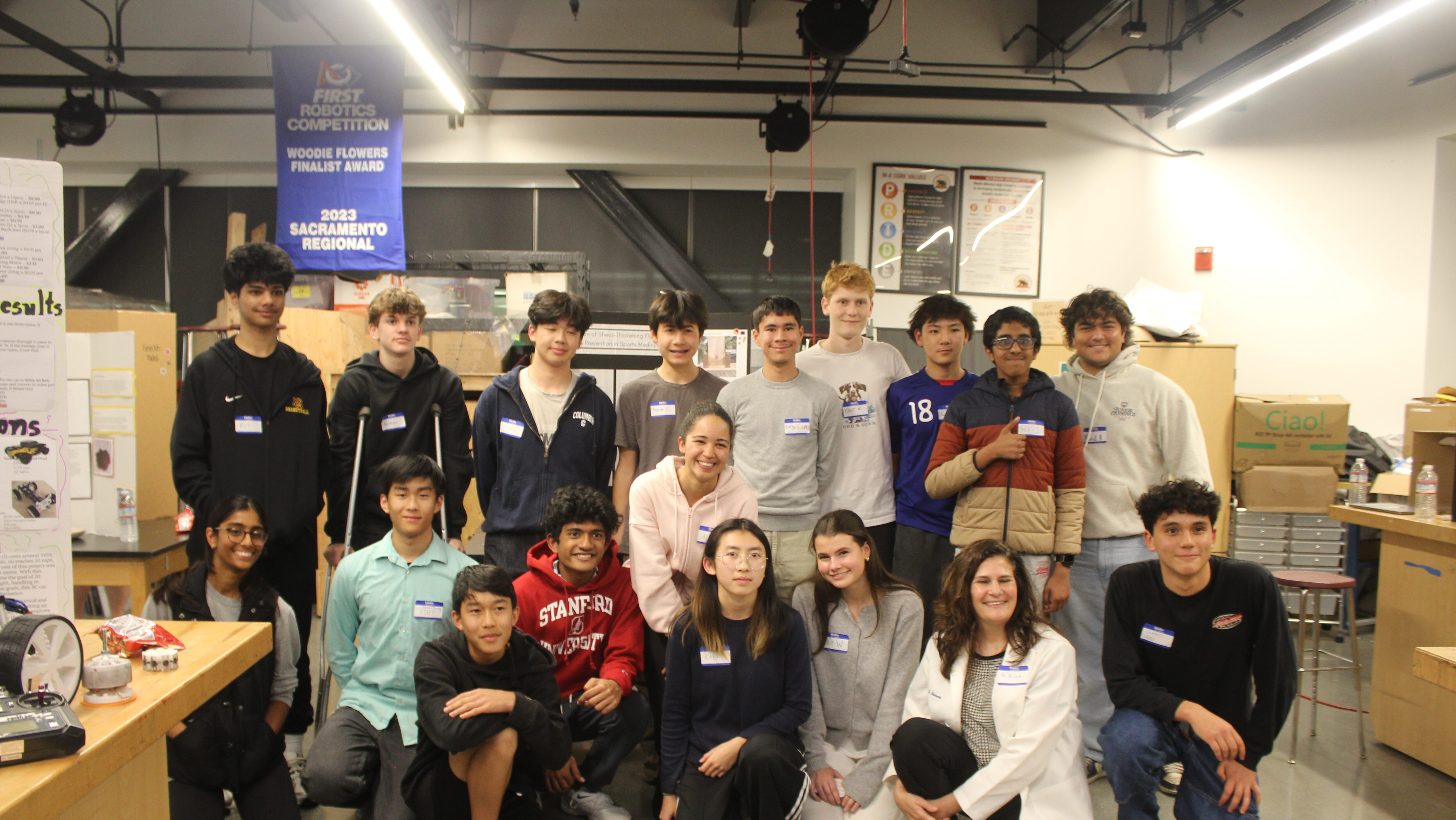
M-A hosted its 11th annual STEM Fair on Tuesday afternoon in the Makerspace. After months of planning, experimenting, and advertising, the STEM fair was a great success. From seeing which fabric degrades slowest to the benefits of a cost-effective RC (Remote-Controlled) Car, the STEM Fair showcased students’ various talents and interests.
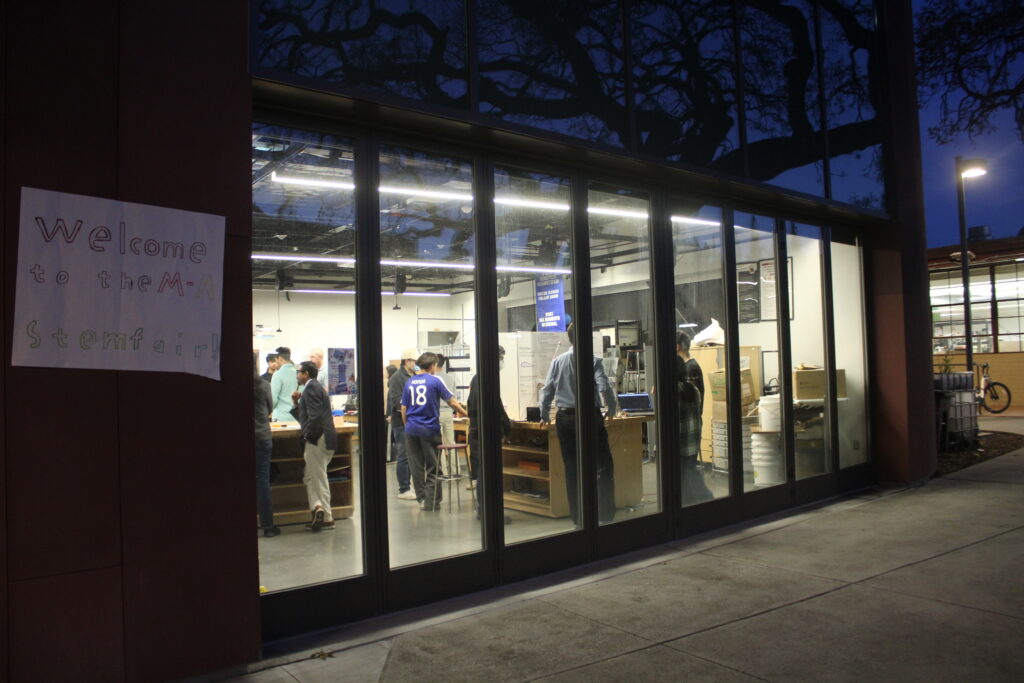
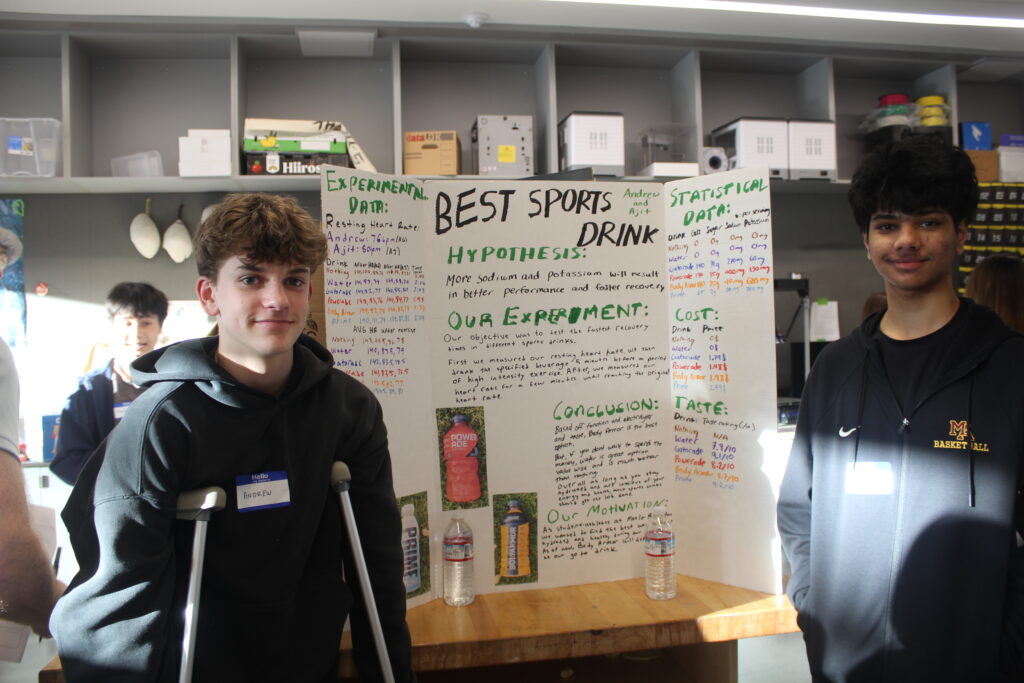
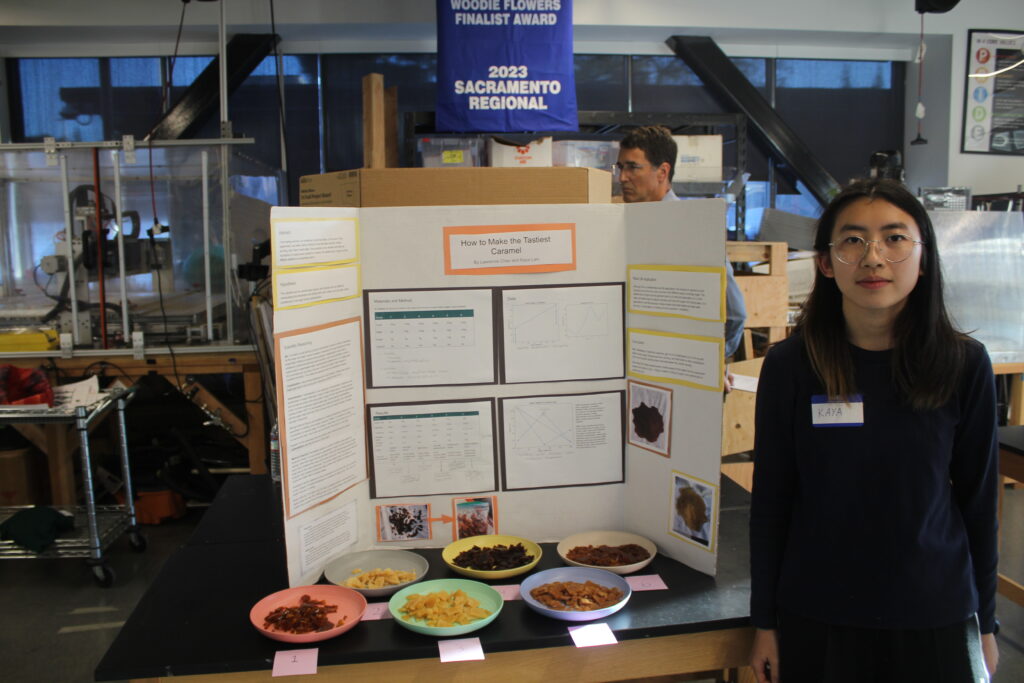
“We had more projects than normal,” STEM Fair organizer and chemistry teacher Dr. Martha Richards said. “It’s always been my dream to grow the STEM Fair program, so that was really encouraging.” This year, the M-A STEM fair ended up having twelve different experiments breaking their previous year of ten experiments.
Alexander Erlebacher
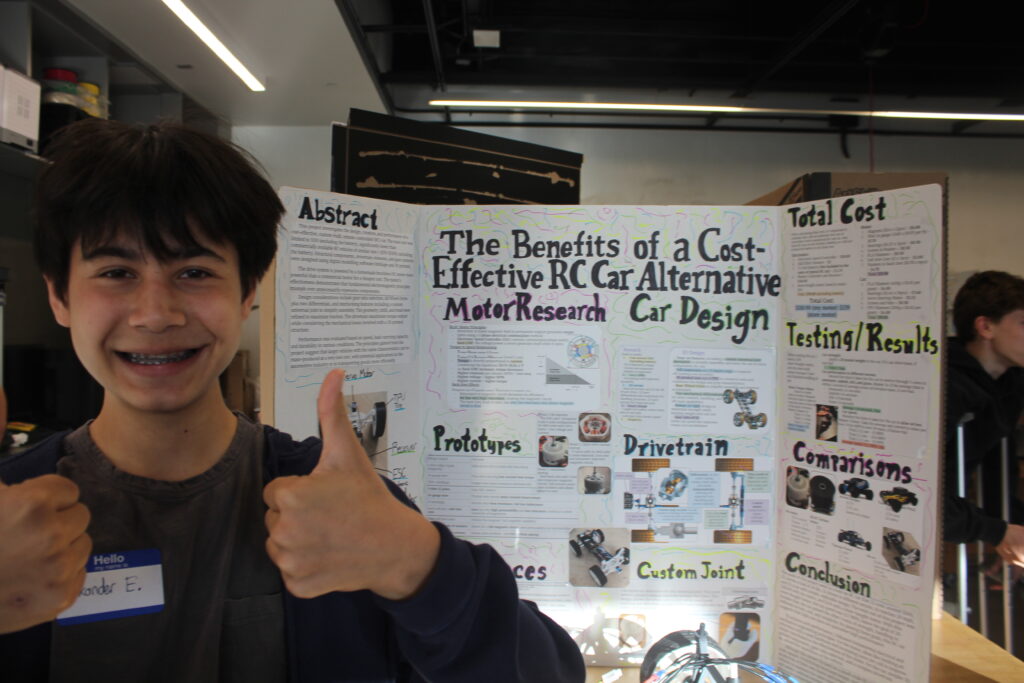
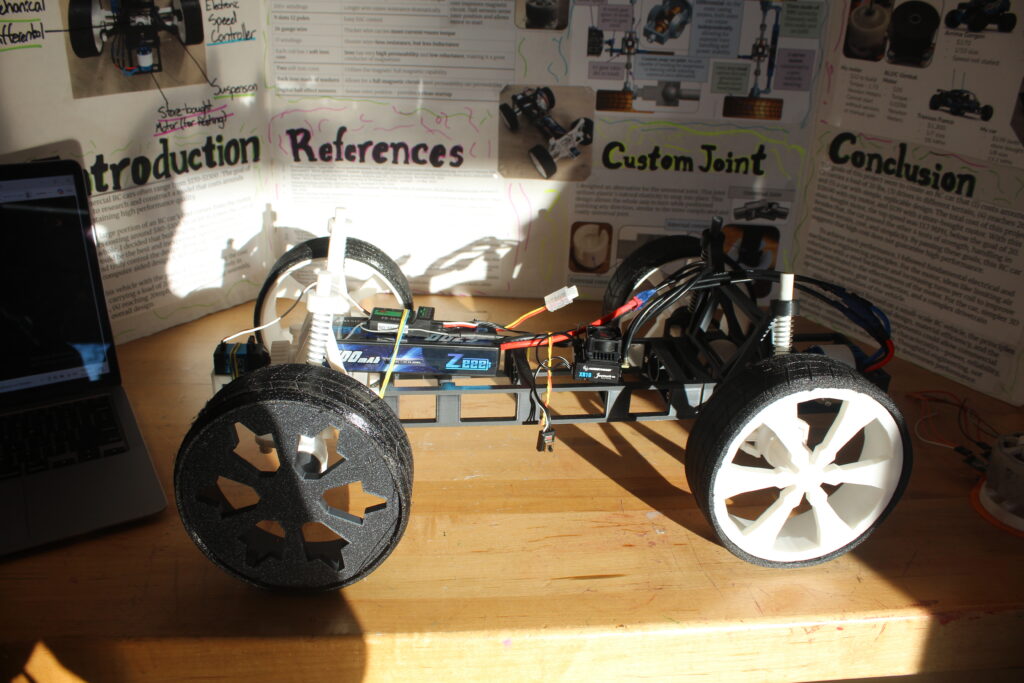
Motivated by his passion for engineering, freshman Alexander Erlebacher researched how to build a cost effective RC car. Despite this being his first STEM fair, Erlebacher managed to build up his RC car from scratch, starting from using CAD (computer-assisted design) all the way to 3D printing the parts.
At first, he hadn’t planned to participate in the STEM Fair, but Erlebacher ultimately decided to join out of curiosity. “I wanted to get into engineering. Then I decided to make a motor, then after that, I decided to make a car, and then my brother told me to do the STEM fair, ” he said.
Erlebacher turned a simple idea into a reality, earning the 3rd place prize.
Colin Chien
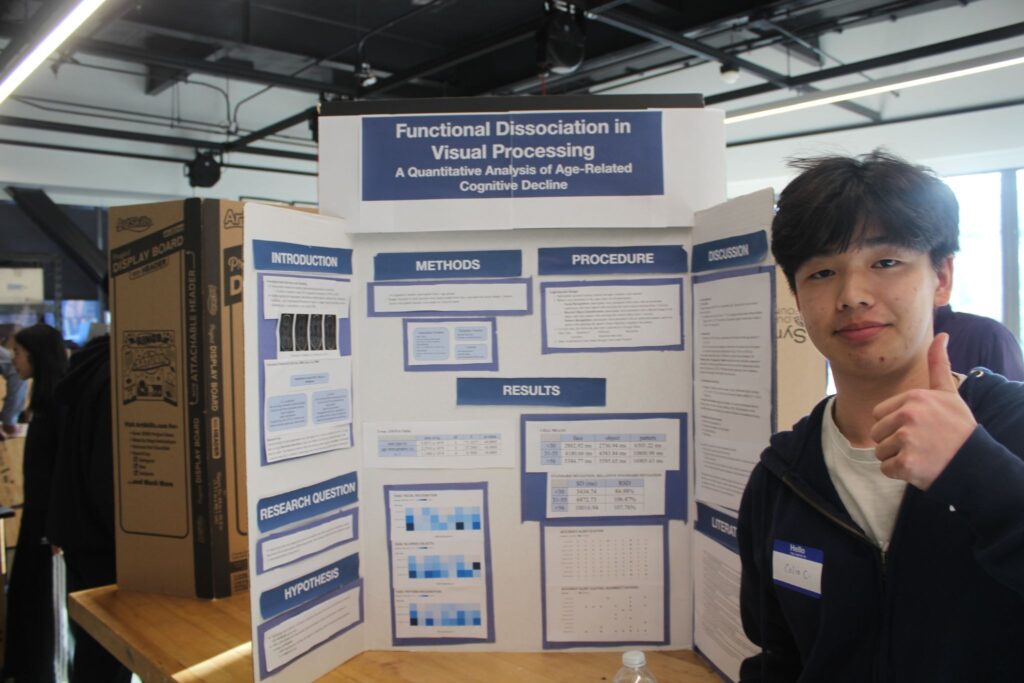
Realizing the prevalence of neurodegenerative diseases (degradation of the nervous system), sophomore Colin Chien discovered an interesting observation. “I found neurodegenerative diseases, especially Alzheimer’s, to be extremely pressing, especially in our current state of society,” he said.
Based on his interest in neurodegenerative diseases as well as the Cattell-Horn Carroll theory of intelligence—a standardized way of measuring cognitive function—Chien interviewed and conducted research on symptoms of neurodegenerative diseases. He found that their decline in fluid intelligence(problem solving skills) was steeper than that of crystallized intelligence(experience based skills). Although he didn’t win any prizes, his project helped him gain exposure to the medical field and better understand human cognitive function.
Ellie Whittaker
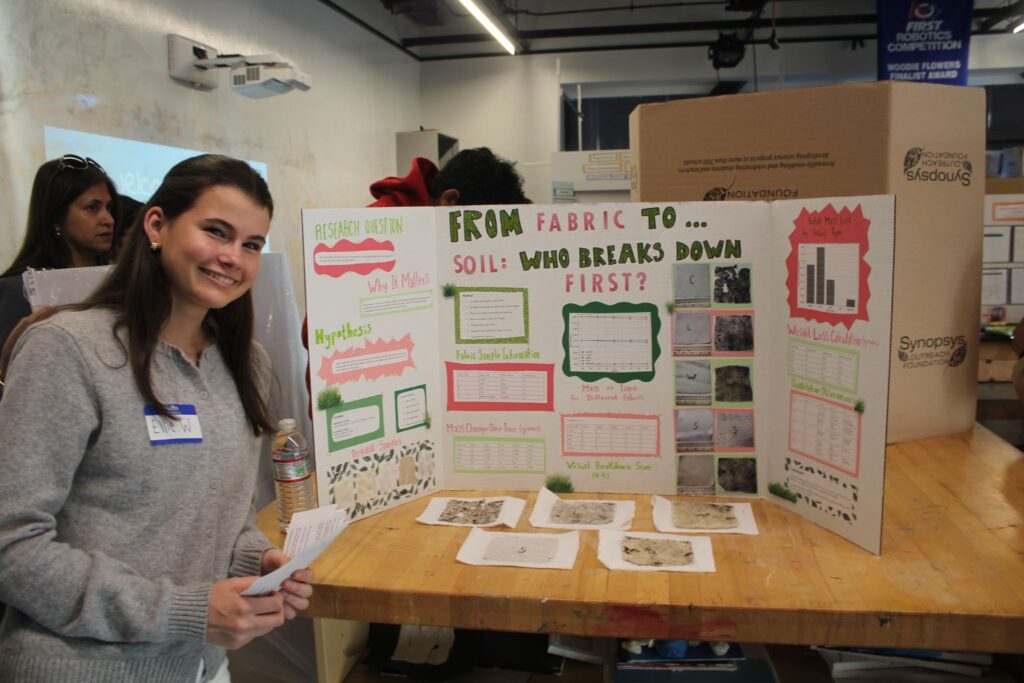
Sophomore Ellie Whittaker designed her experiment after she noticed an everyday issue. Motivated by her passion for fashion, Whittaker set out to uncover how her own clothes affect the environment. “Textile waste is a major environmental problem, so I wanted to see which fabrics would break down faster. It might be better for the environment,” she said. Whittaker tested multiple different fabrics to figure out which ones would degrade the fastest and are the most environmentally friendly, considering factors like the weight loss, to determine which fabric degraded the fastest.
Shawnak Shivakumar*
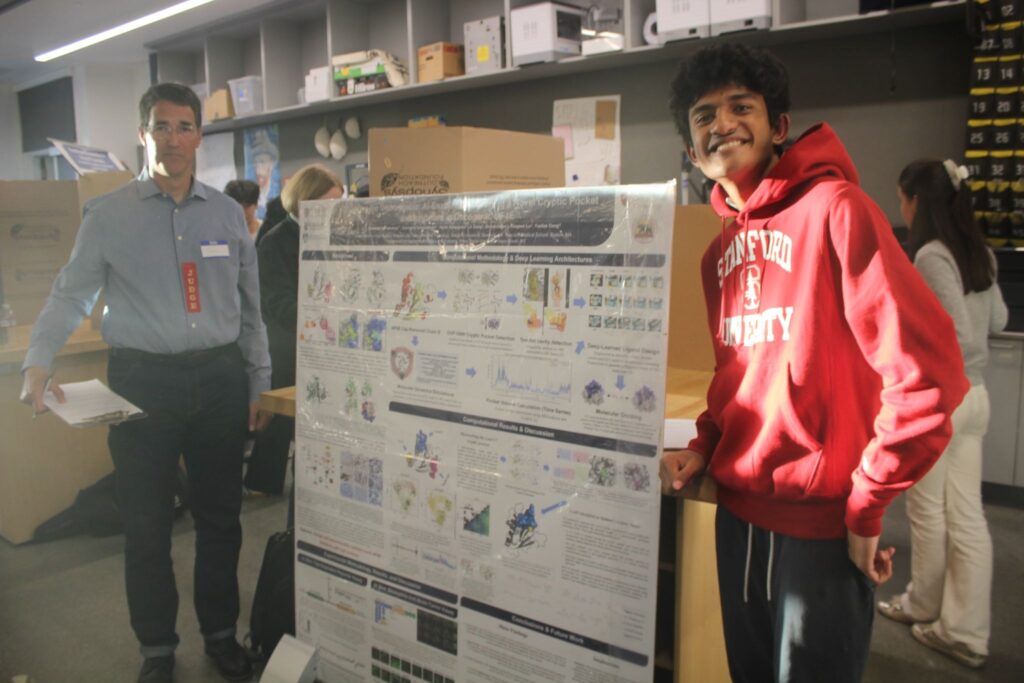
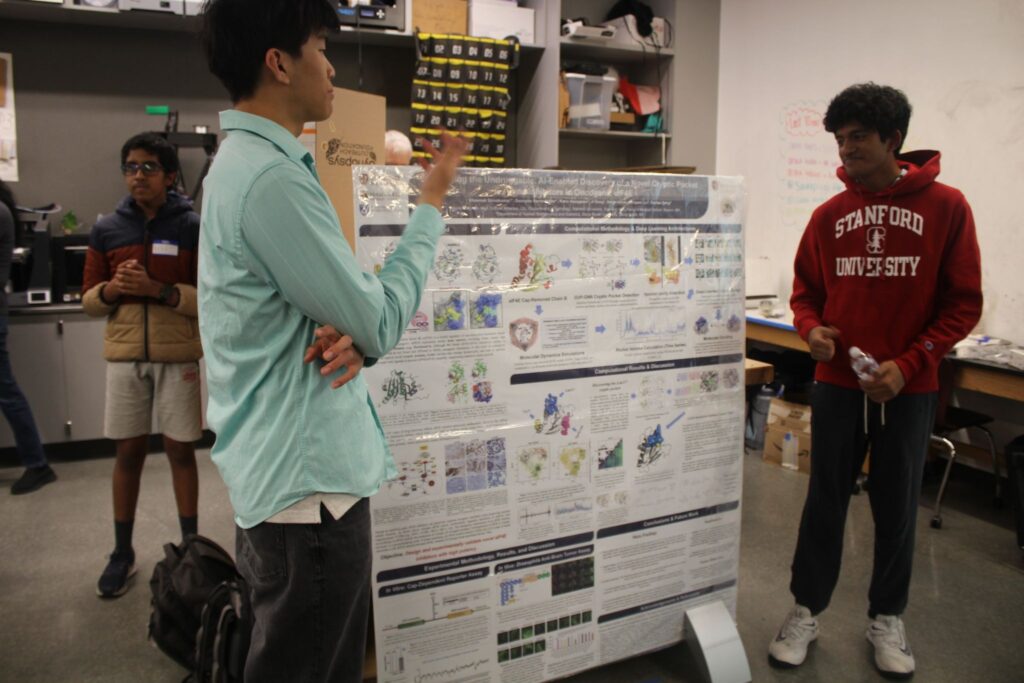
Stemming from his interest in protein behavior as well as his research experience in diseases, antibodies, and antigens, senior Shawnak Shivakumar decided now would be a good time to tackle something bigger. Doing research with many prestigious institutions like Stanford University and Harvard University, Shivakumar wanted to focus on how to curb cancer growth.
He researched how stopping initiation factors (proteins that start the assembly of cancer) decreases the amount of cancer. “The main finding was that I was able to develop a compound that decreased cancerous tumors, 21% more than the current industry standard, and 47% more compared to an untreated cancerous tumor,” he said. Shivakumar won second place in the STEM Fair.
Ajla Ribic
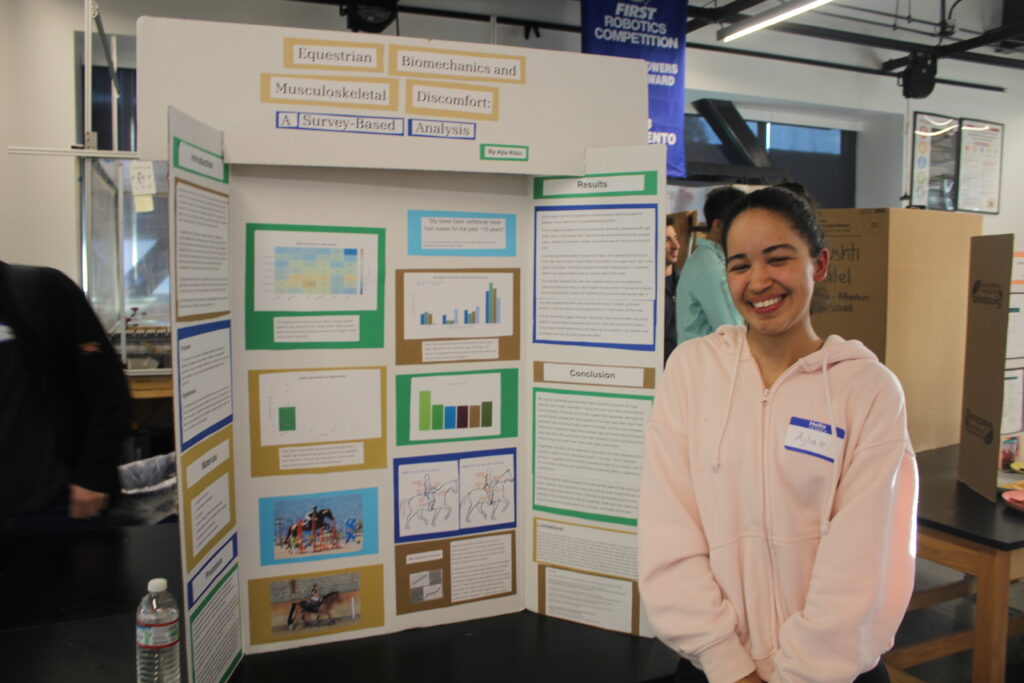
After learning how to ride horses five years ago, junior Ajla Ribic’s passion for horse riding and medicine was a major factor in deciding her experiment for the STEM Fair, which covered the biomechanics of equestrians and their discomfort while riding.
To test factors such as weather, age, and experience, Ribic gathered data from her fellow equestrians to understand and analyze discomfort when riding a horse. “People do often in the equestrian community experience a lot of pain, myself included,” Ribic said. Through her passion and interest, Ribic found this experiment to be really fascinating and fun to do.
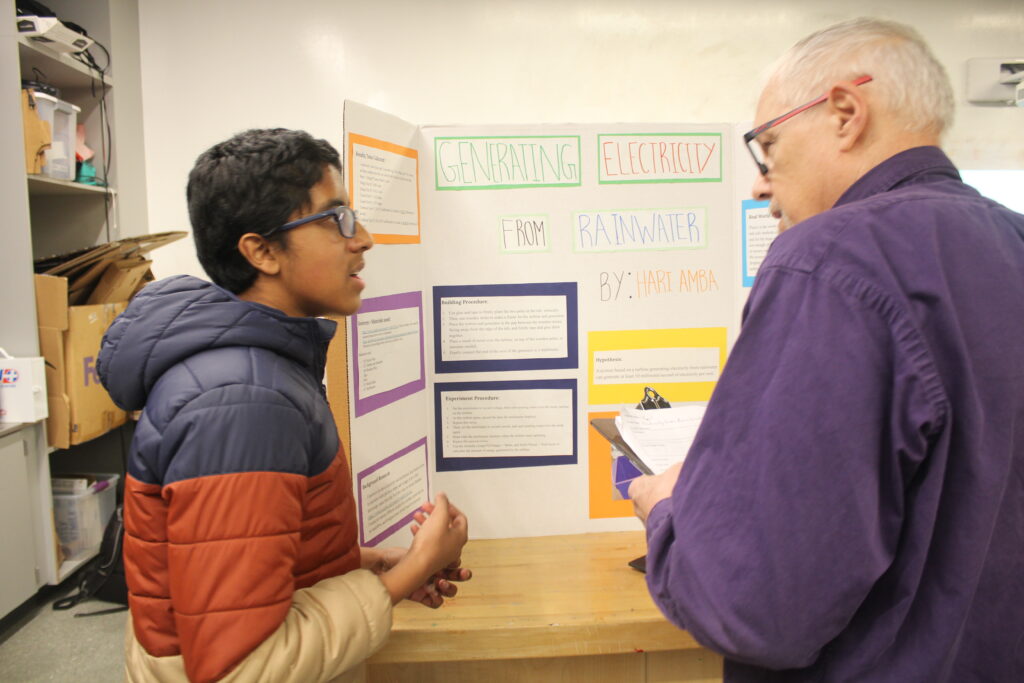
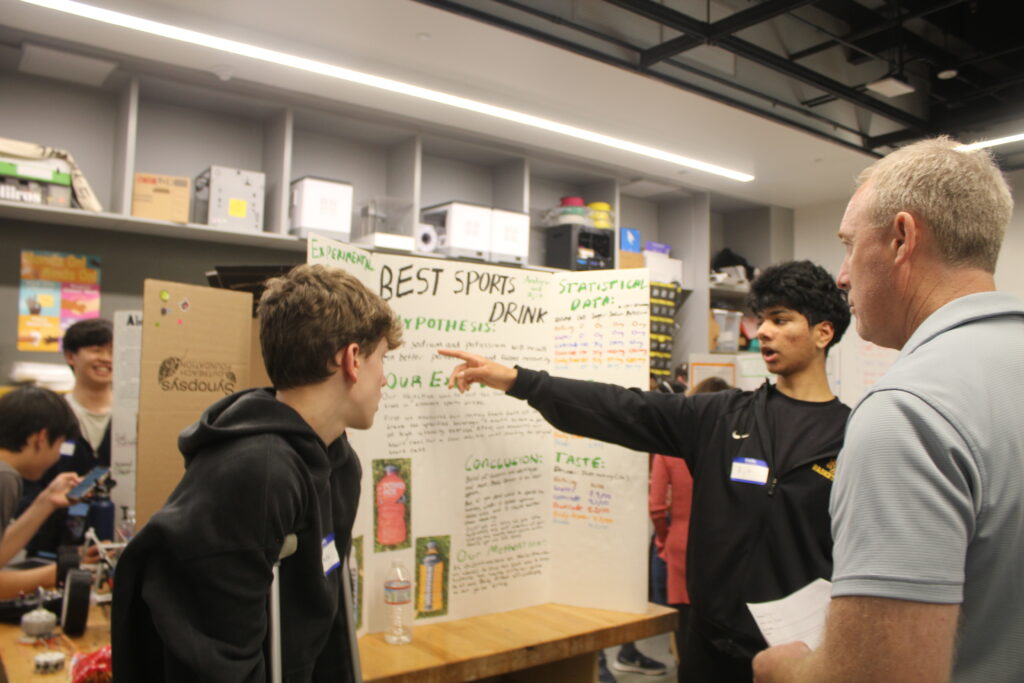
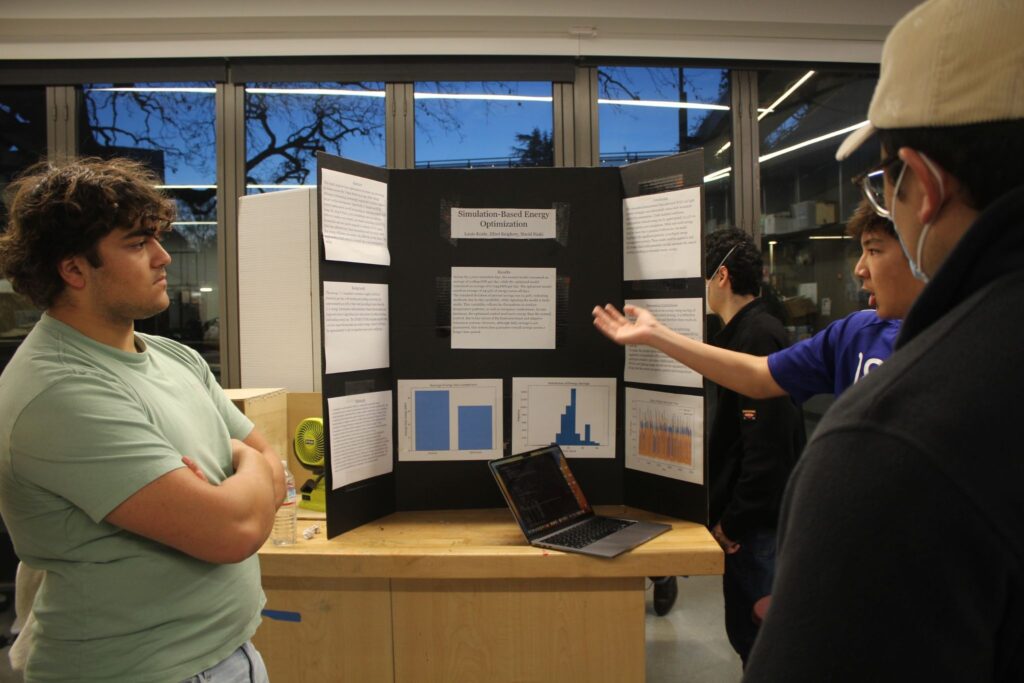
The STEM Fair was a wonderful showing of M-A’s talented and diverse community. The science fair ended with freshman Alexander Erlebacher getting third place, senior Shawnak Shivakumar getting second, and junior Isaac Chen winning first place.
“This is my 11th year doing it, and I think they’ve all been really successful in that everyone has a good time and that there’s this buzz and energy while people are discussing and talking about their science,” Richards said.
*Shawnak Shivakumar is a journalist for the M-A Chronicle