With the California primary election right around the corner—June 2, to be exact—students need to register to vote by May 18. However, many students have felt out of the loop with the voting process, so here’s an informational guide for seniors who are eligible (age 18 by June 2) to cast a vote.
When students turn eighteen, it’s officially time for them to begin voting.
What is on the June primary ballot?
A vast number of candidates will appear on the June ballot. The primary election serves as the first voting step before the general election, which is held on November 3, and voters will pick who will appear on the official November ballot.
Governor of California nominee:
The top executive of the State. They look over state agencies, enforce laws, and can sign or veto bills from the legislature.
Read more about the 10 major candidates in the running here.
US House Representatives:
Represent California districts in the federal House of Representatives. They propose and vote on national laws, budgets, and policies. Currently, California has 52 representatives in the House of Representatives.
Read more about the US House of Representative candidates here.
State Assembly members:
Represents districts in California’s legislative house. They vote on state laws and budgets. California has 80 members in the California State Assembly.
Read more about the State Assembly member candidates here.
Lieutenant governor:
Second in command to the governor. They act as a governor if the governor is not available. They serve on several boards, including higher education and economic development boards.
Secretary of state:
They manage elections, keep state records, oversee business registration and ensure transparency in government.
Read more about the Lieutenant governor candidates here.
Attorney general:
Chief law enforcement officer of the state. Represents California in legal matters, oversees district attorneys, and enforces laws.
Read more about the Attorney general candidates here.
Treasurer:
Manages state investments, debt, and funds.
Read more about the Treasurer candidates here.
Local offices (city council, county supervisors):
Manage local issues like zoning, public services, schools, roads, and budgets.
How do I register?
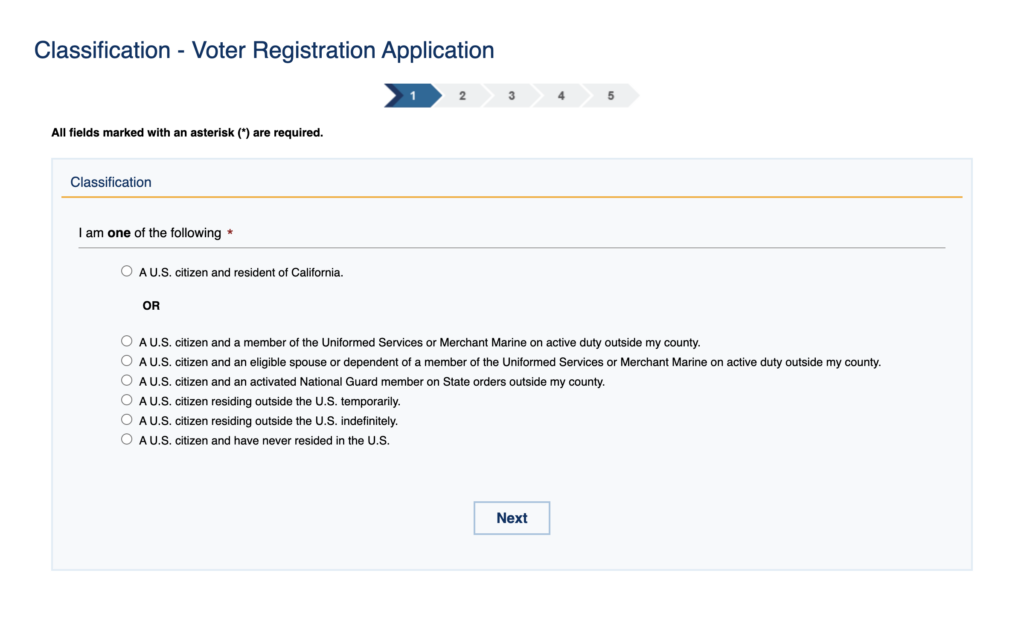
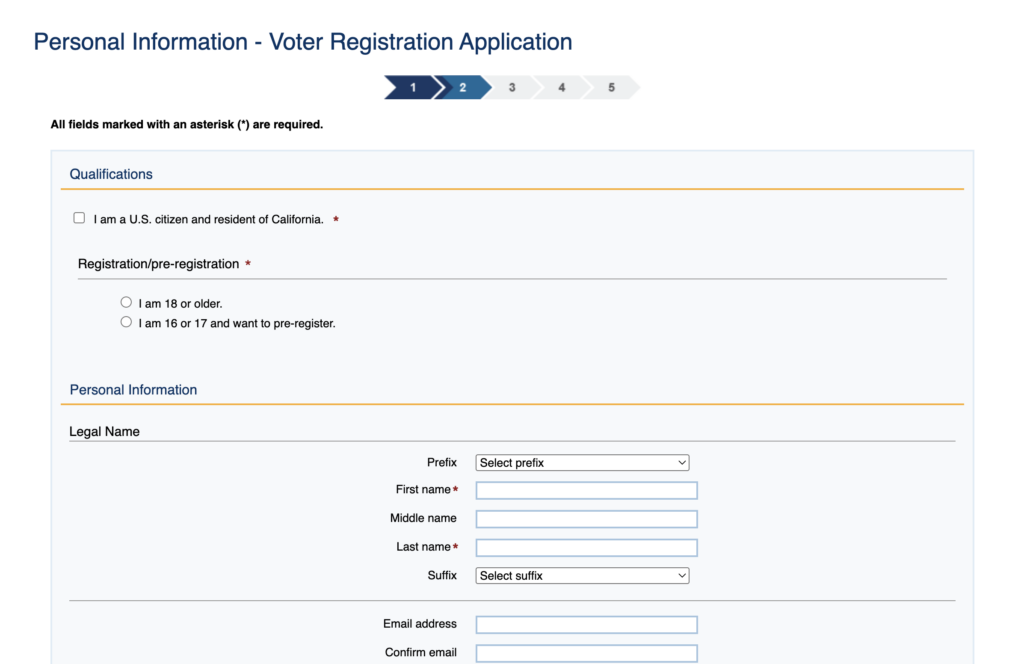
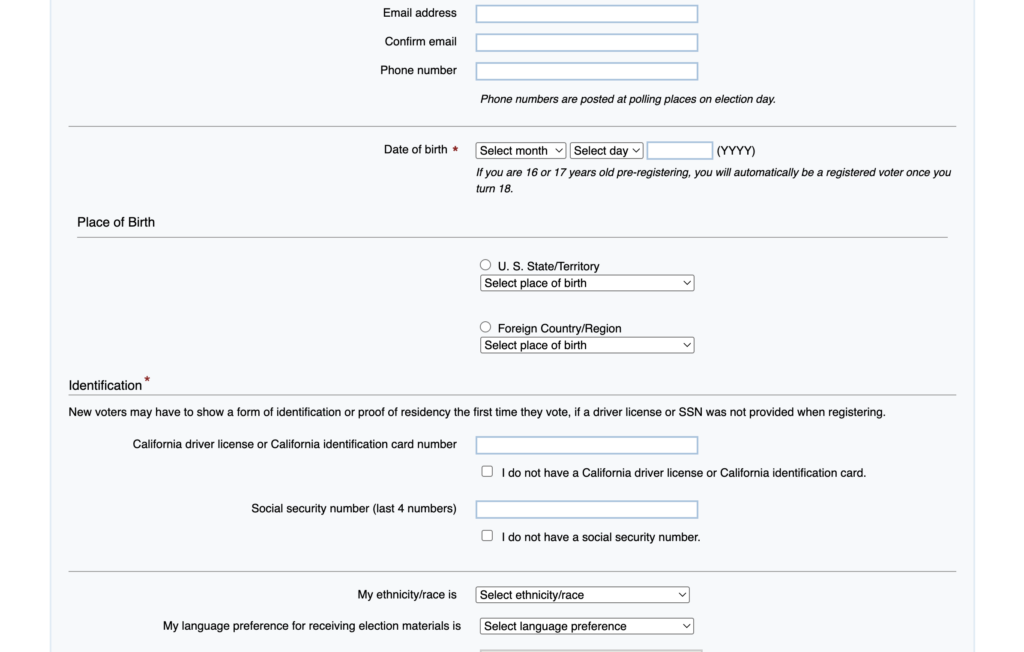
The registration process is relatively simple and takes less than five minutes if you have all the information prepared. To register for the primary election, just follow these simple steps.
- Check if you qualify to vote. You must be a U.S. citizen, live in California, be 18 by election day, and not be in prison.
- Register online. You will need your California Driver’s License, State ID, or the last 4 digits of your Social Security number.
- You must register online by May 18th, 2026.
- After you register, you stay registered for future elections. You will only have to update your registration if you move, change your name, or change your political party alignment.
- In primaries, you vote to select candidates within a specific political party, so it’s best to register as aligned within some political party to have more influence as a voter. That being said, you do not necessarily have to vote for candidates within your registered political party in the general election.
Mail ballot vs. In-person
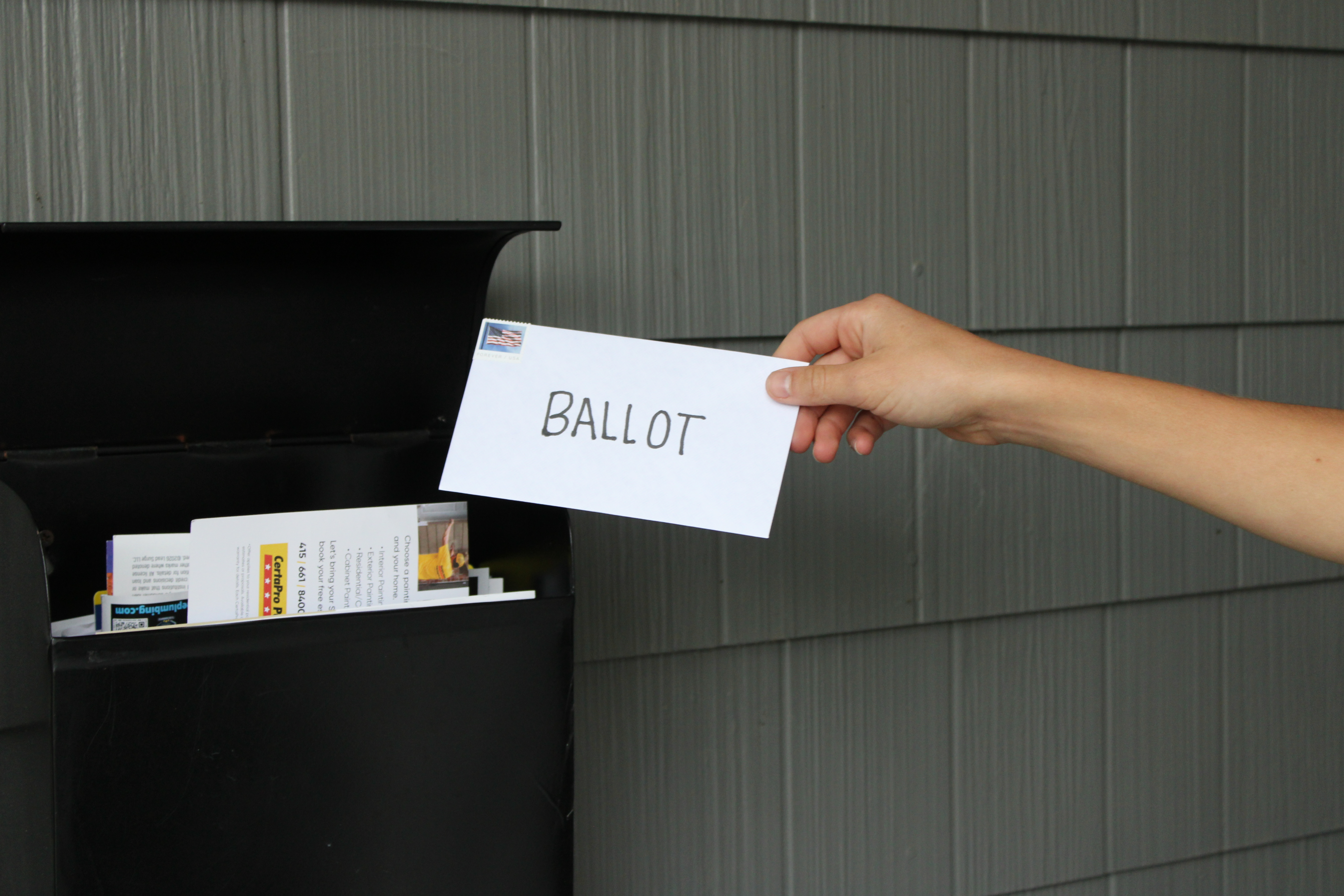
After successfully completing the registration process, two methods are available to fill out your ballot. A mailed ballot will be sent to the home of the voter a few weeks before voting day. The voter will fill it out, and mail it to the return address printed on your ballot. It must be postmarked by June 2nd to be eligible. The second option comes in an in-person vote. Voting centers and polls begin opening up to 10 days before election day, when they will be open from 7am to 8pm. Voters will vote on a machine or a paper ballot and it leads to an immediate submission of your ballot.
The link to finding the closest voting center or ballot drop box location can be found here.
Student’s perspective
From the students’ perspective, M-A seniors understand that voting matters, even if they are still learning about the actual process. “I think it’s important to get involved in the voting system,” senior Jesus Oseguera said.
“I think people should want to vote because it is important for our country, and we want people who are educated to vote,” senior Aidan Sharp said.
Students’ voices matter because their vote helps to shape decisions that affect their future. However, more often than not, students aren’t prepared for what is to come on their ballot. “I don’t really know much about what’s going on in the upcoming election and I feel misinformed and uneducated,” senior Shayne Porter said.
Researching candidates can be challenging the first time around, so skim through the links about candidates provided above. Look further into those who stand out as the best leaders, and don’t hesitate to talk with friends and family to learn from their experience voting as civically engaged citizens.