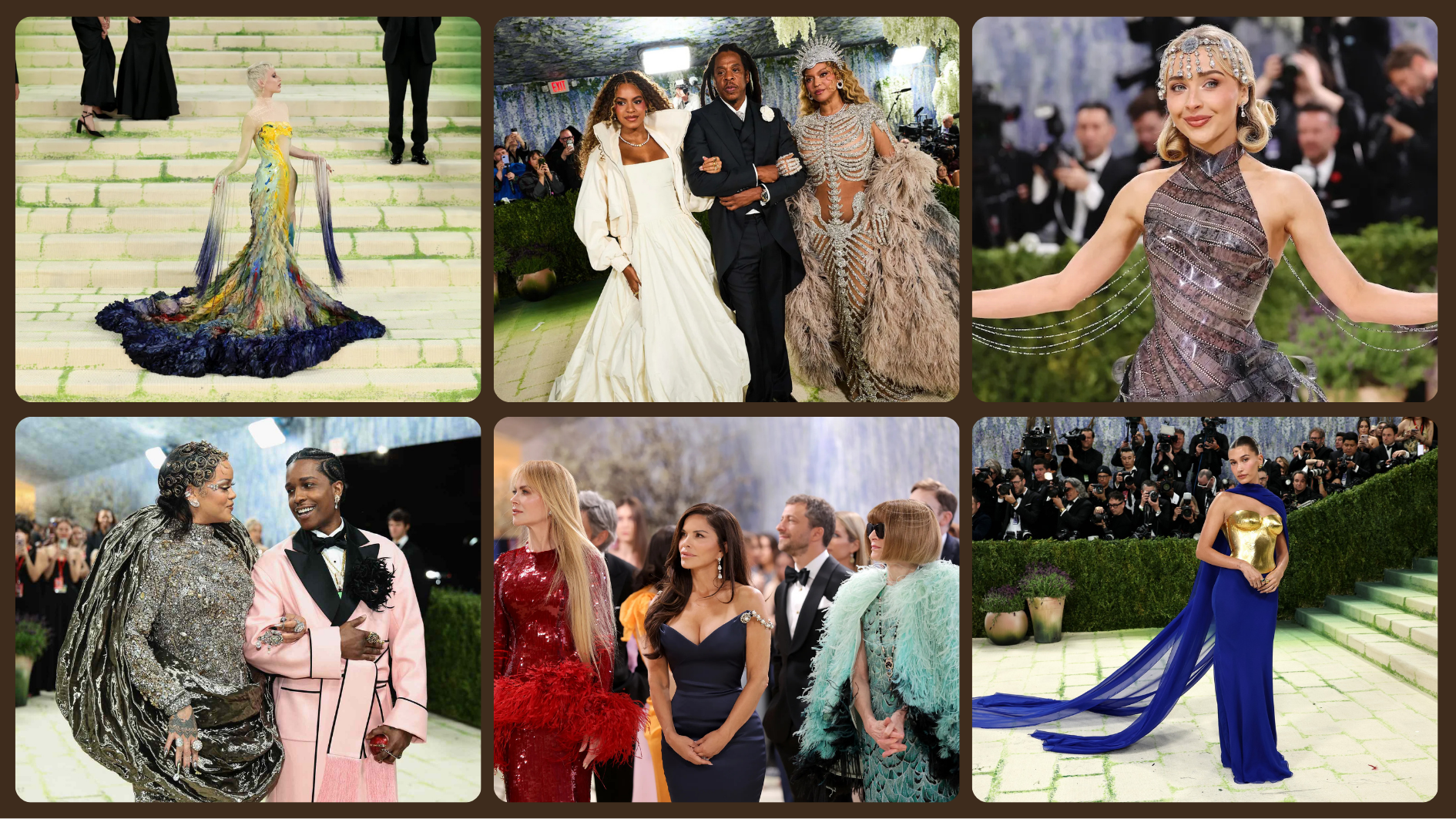
The Met Gala, often referred to as fashion’s biggest night, took place this past Monday at the Metropolitan Museum of Art in New York City. Organized as a fundraising event in support of the museum’s Costume Institute, the event brings together the world’s most important celebrities, designers, and influential figures for a night that blends fashion, art, and philanthropy. Taking place every year on the first Monday in May, the Gala has become one of the most anticipated and widely covered events in pop culture.
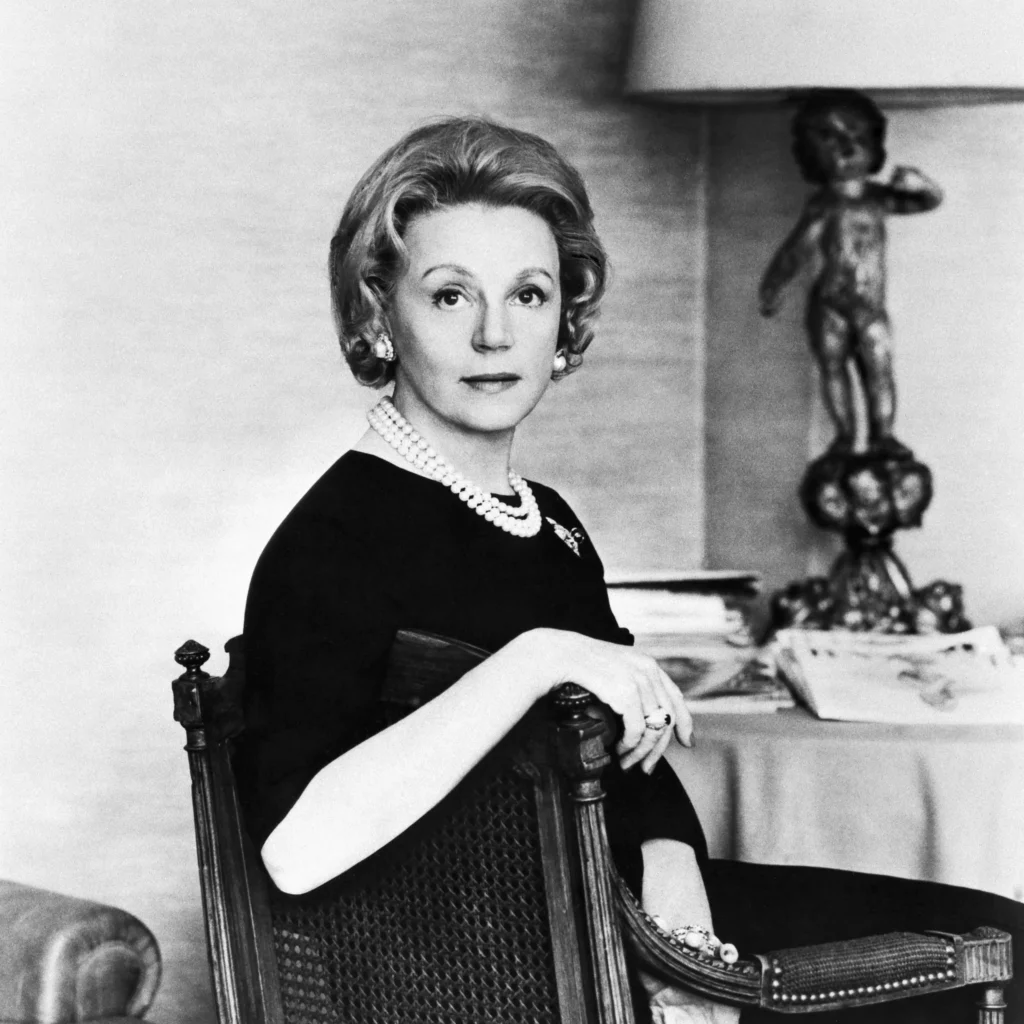
The Met Gala was founded in 1948 by fashion publicist Eleanor Lambert as a way to raise funds for the Costume Institute, which had recently become a part of the Metropolitan Museum of Art. At the time, the event was a relatively simple dinner, with tickets costing around $50 and attendance largely limited to members of New York’s high society. It was far from the spectacle it is today, holding almost no global significance.
Throughout the 1950s and 1960s, the Gala remained a charity event, rotating venues and maintaining its focus on fashion fundraising. However, as the fashion industry grew in cultural influence, the event began to shift in its scope.
By the 1970s, under the leadership of Diana Vreeland, a former Vogue editor who became a consultant for the Costume Institute, the Gala began to take on a more theatrical and creative strategy. Vreeland introduced the idea of themed exhibitions, which encouraged guests to dress according to a specific concept rather than just wearing formal attire, marking a transformation that turned fashion into art.
The most significant transformation occurred in the 1990s, when Anna Wintour, editor-in-chief of Vogue, took over leadership of the event. Wintour strategically elevated the Gala by inviting major celebrities from film, music, sports, and the arts, ensuring widespread media attention.
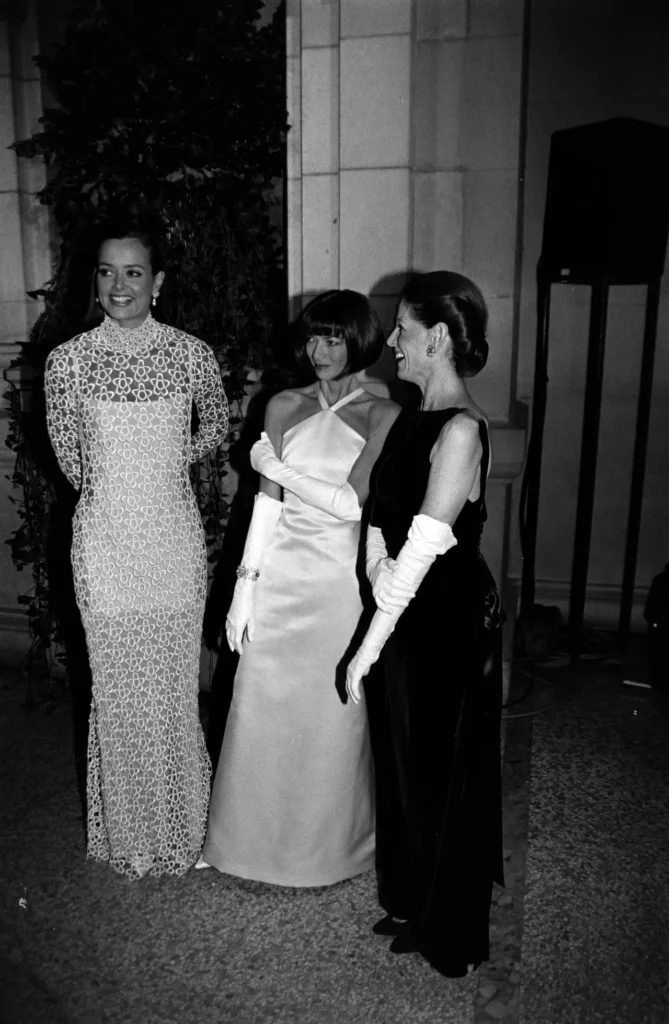
Wintour also strengthened relationships with top fashion houses, making the red carpet a platform for designers to showcase custom, high-concept designs. Under her direction, the Gala became highly exclusive, with a carefully curated guest list and dramatically increased ticket prices.
Today, the Met Gala is the intersection of fashion, art, and media. What began as a small fundraiser has evolved into a worldwide event that raises millions of dollars for the Costume Institute.
This year’s Met Gala centered around the Costume Institute’s exhibition “Costume Art,” with the dress code being “Fashion is Art,” exploring how clothing can function as a form of artistic expression, similar to a painting or a sculpture. By emphasizing the relationship between the human body and design, the exhibition encouraged guests to view fashion through a deeper lens.
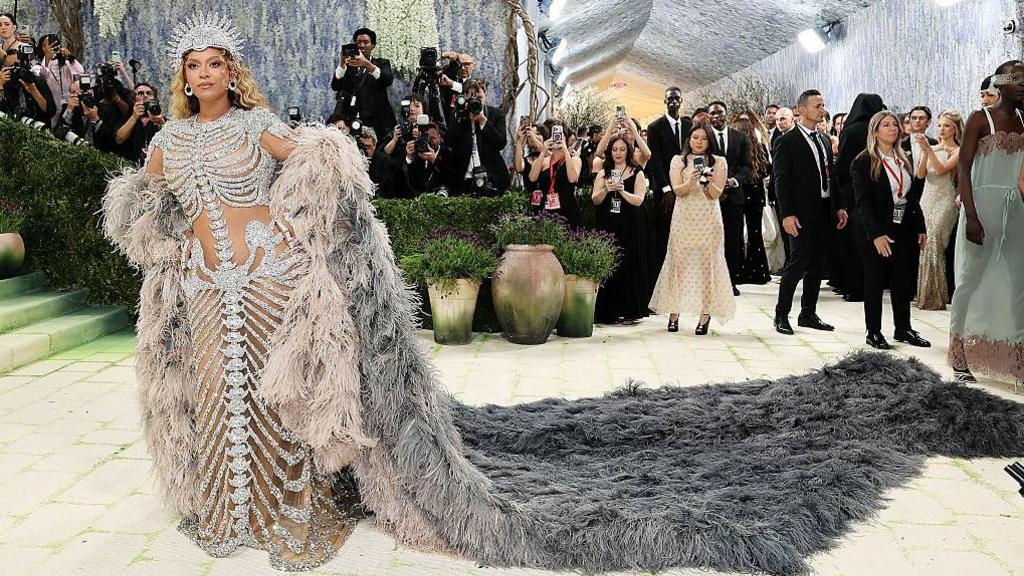
As co-chairs, Beyoncé, Nicole Kidman, Venus Williams, and Anne Wintour set the tone for the night with strong interpretations of the theme. Beyoncé made a striking return to the Gala after a 10 year hiatus, featuring a skeleton-inspired look by Olivier Rousteing that emphasizes structure and form—a loyal and reminiscent collaboration for Queen B.
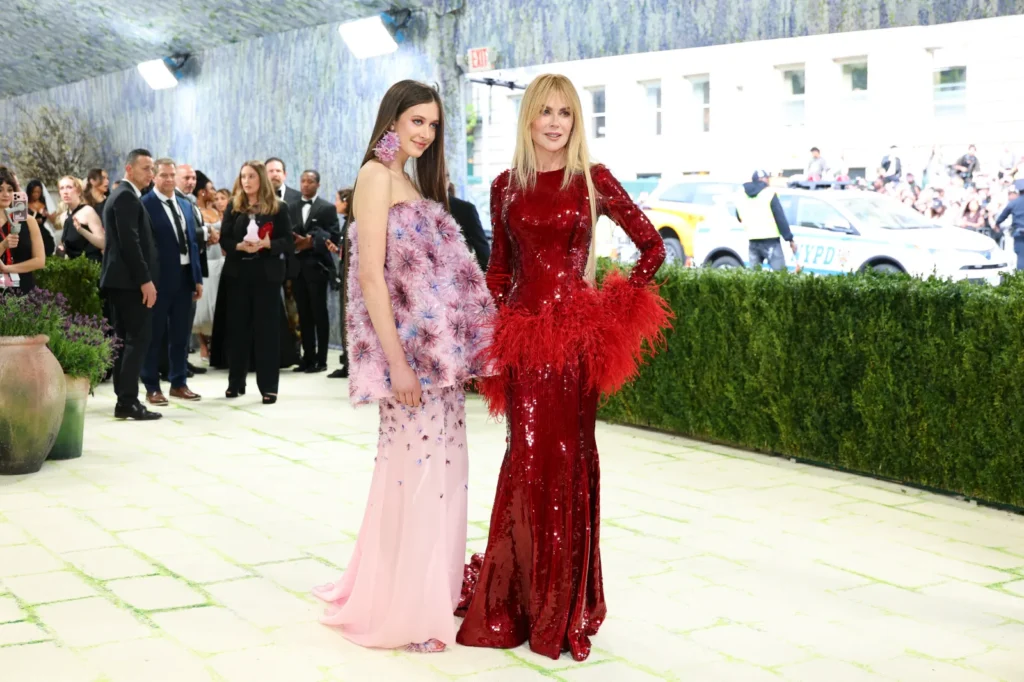
Kidman opted for a beaded Chanel dress covered in sequins and decked out in feathers, marking an impressive new era for the brand under creative director Matthieu Blazy. The bold red color symbolizes passion and love, almost a Moulin Rouge-inspired feel.
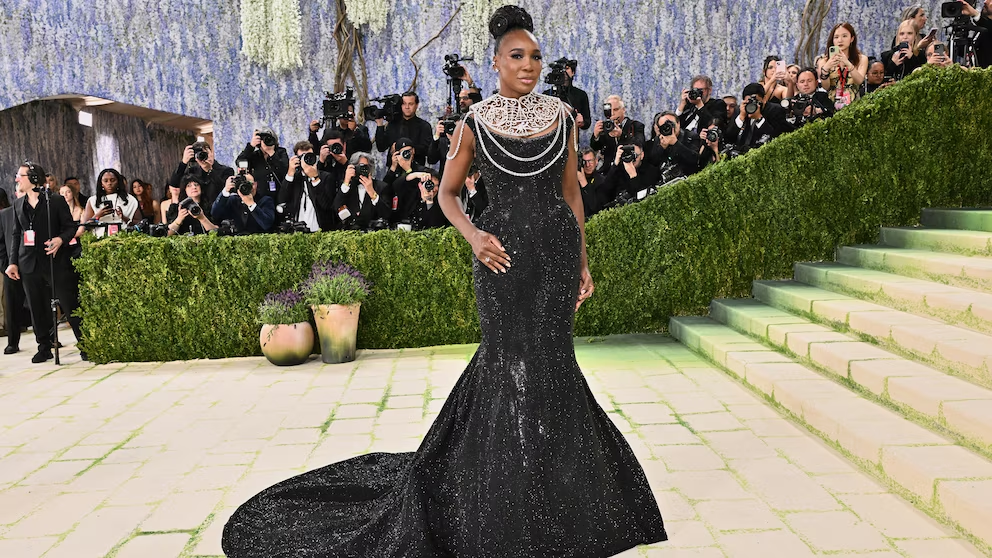
Williams wore Swarovski in a black sequin mermaid silhouette, paired with a bold pearl neck plate. The look was inspired by her connection to art, referencing Venus Williams, Double Portrait, a piece by artist Robert Pruitt, blending her athletic identity with sculptural elegance. While the outfit itself felt slightly underwhelming compared to the other co-chairs’ looks, the personal story behind it added notable depth.
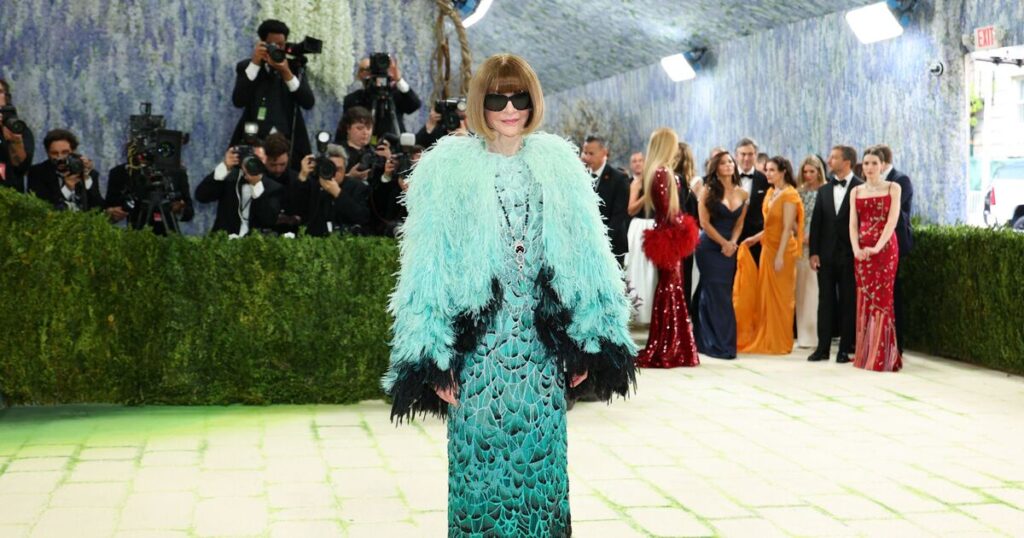
Wintour remained consistent with her signature polished style, wearing a custom Chanel teal-to-black ombré gown layered with a dramatic feathered coat. Her look felt glamorous and refined, subtly reflecting the night’s theme, making it one of Wintour’s strongest recent Met Gala appearances.
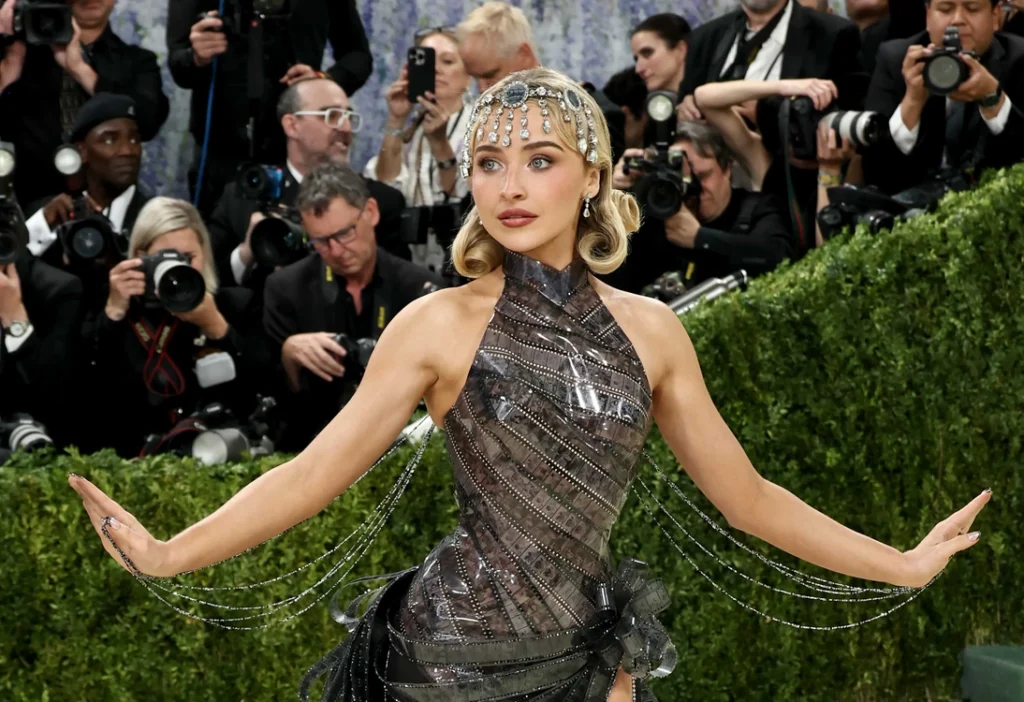
Sabrina Carpenter embraced Old Hollywood glamour in a custom Dior gown designed by Johnathan Anderson. Inspired by Audrey Hepburn’s 1954 film Sabrina, the dress was wrapped in rhinestone film strips featuring scenes from the movie itself. Some viewers criticized the look as out of touch because it incorporated original film strips, while others praised it as a strong storytelling concept, connecting cinema and fashion as forms of art.
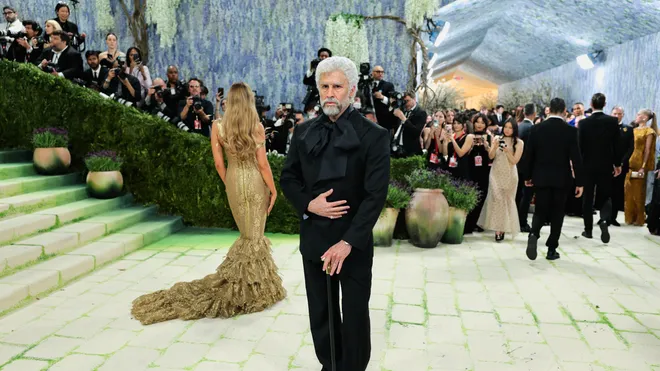
Bad Bunny delivered one of the night’s boldest concepts, arriving as an aged version of himself through prosthetics designed by makeup artist Mike Mario. Wearing a custom look created in collaboration with Zara, topped with an oversized bow and cane, the outfit reflected the aging body and fashion’s relationship with time.
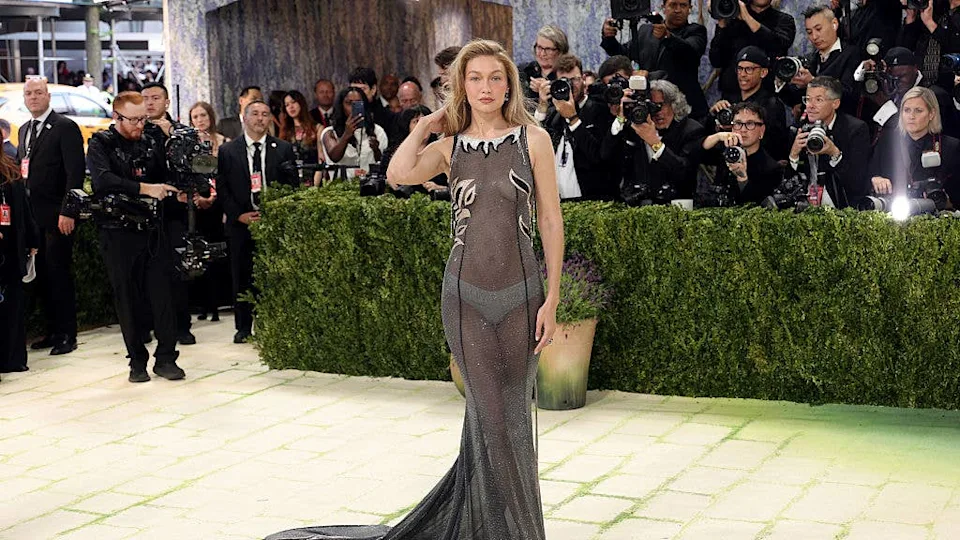
Gigi Hadid wore a custom Miu Miu gown inspired by the brand’s past collections. Covered in crystals, floral embroidery, and flame-like detailing, the dress was rebuilt directly on her body just two days before the Gala. The look closely highlighted the night’s theme by treating the body itself as a canvas for art.
Among other standouts, Rihanna wore Maison Margiela, drawing on medieval architecture, Emma Chamberlain impressed in Mugler with a hand-painted look inspired by archival designs, and many figures like Hailey Bieber, Kylie Jenner, and Chase Infiniti opted for sculptural silhouettes, putting emphasis on human form.
The Met Gala has transformed fashion into a platform for art and self-expression. This year’s event continued that evolution, with celebrities using the carpet to turn clothing into true works of art.