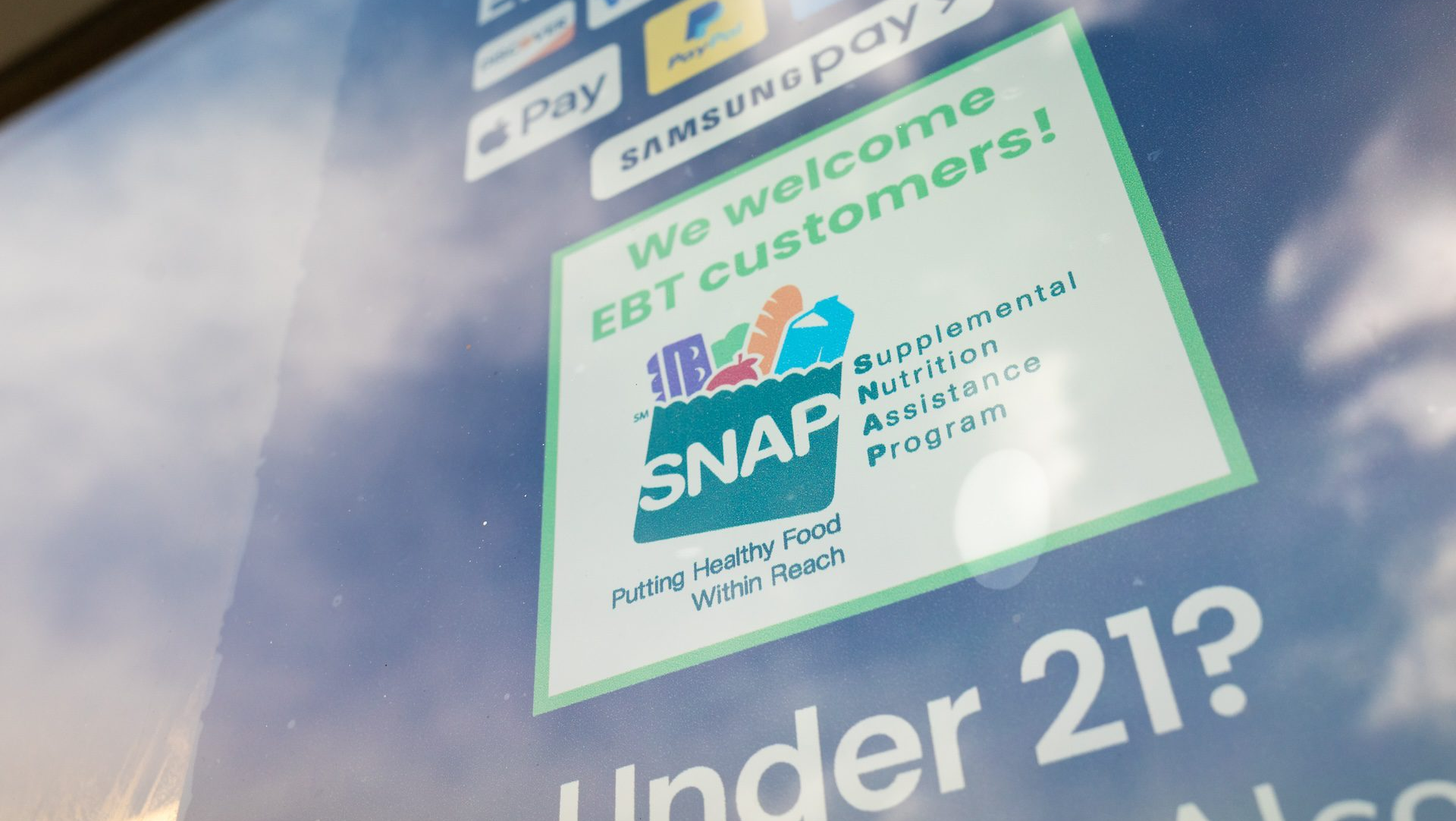
Around 70,000 resettled refugees and humanitarian immigrants in California lost access to the federal food support program known as Supplemental Nutrition Assistance Program (SNAP) benefits on April 1. Two months later, Bay Area refugees have had to turn to new stable food sources, namely nonprofit organizations, to obtain quality nutrition as they establish themselves in the U.S.
The policy change was mandated by H.R.1, the July 2025 Congressional megabill also known as the One Big Beautiful Bill Act. The legislation delivered sweeping cuts to social support services like SNAP while increasing spending on defense and immigration enforcement.
The gradual rollout of restrictions since July 2025 has limited many groups—including large households, people over age 60 without a disability, and able-bodied adults without dependents—from accessing as much or any food assistance from CalFresh, California’s SNAP program. CalFresh is funded entirely by the federal government.
At the start of April, lawfully present refugees, humanitarian parolees, protected immigrants, battered noncitizens, and survivors of human trafficking were completely cut off from accessing CalFresh benefits.
Hugo Torres is the Vice President of Programs and Services at Samaritan House, a nonprofit in San Mateo County that serves a variety of people in poverty by providing medical services, homeless shelters, and food programs. Though the organization does not ask about immigration or refugee status, Torres shared that employees build rapport with clients. People using Samaritan House’s resources often share their stories, and people new to the country are part of the population the organization serves.
“It’s definitely a lot of fear, fear of the unknown or what’s coming. There’s a lot of fear right now with the current gas prices and high rents, and people [are] already struggling in this current time and space to survive in this very expensive county. They are just fearful of what it means when there’s going to be more barriers coming their way,” Torres said.
Making access to food support more difficult can hinder refugees and immigrants’ education as they adapt to new customs in the U.S., as well as endanger their health. SNAP benefits often bridge the financial gap to affording healthier produce and unprocessed foods. “If they’re diabetic or [have] high blood pressure, there are certain foods that they’re limited to, or will need to stay healthy. It’s not just having access to any food, it’s having access to food that’s going to also keep them healthy with whatever their medical needs are,” Torres said.
Now, there are greater barriers to receiving support. To re-qualify for SNAP food assistance, refugees must become legal permanent residents and obtain a green card, a backlogged petition process that can take 20 to 32 months. And even before applying for a green card, one must live in the U.S. for at least a year.
As refugees arrive in the U.S. in a vulnerable position, with minimal savings and connections, the local nonprofit sector has worked to absorb the extra demand.
“We saw an increase of between 25% to 30% in families coming to [Samaritan House] just in this last year. They told us how fragile things were before the changes, so that was something that we were anticipating,” Torres said. “We also serve about 1,300 hot meals every single day that go out to our shelters and different partners and folks in the community. We distributed 5.5 million meals and supported around 32,000 clients in our fiscal year of 2023 to 2024.”
Reasoning for the policy changes revolves around allegations of individuals fraudulently abusing SNAP benefits, as well as the program being a waste of federal funds. The Republican Congressional majority’s concern is overspending on refugees, who, according to the International Rescue Committee (IRC), used $475.2 billion of government support between 2005 and 2019. The IRC also notes that refugees generated $581 billion in tax revenue, contributing a net $123.8 billion to the U.S. economy, in the same period.
Recent data shows that less than 1% of people receiving SNAP benefits were disqualified for committing fraud in 2023, so the federal government is predominantly working to transfer the cost of social support programs to the states and local communities.
Torres believes in the strength of San Mateo County nonprofit networks to step in, but he acknowledges that organizations like Samaritan House rely on continued financial support from private donations and local government grants, as well as volunteers, to meet the increase in need.
“I think people just need to understand that immediate help is available regardless of their immigration status,” Torres said. “Samaritan House, we don’t require any legal status or proof of citizenship to receive our services, and we are also connected with other agencies throughout the county, so we can refer folks to areas that are closer to them that also provide the same services. [People] have a perception that we only support with food, but there’s so much more that our organization does to support individuals in the community.”
If you or anyone you know needs food assistance, San Mateo County has a comprehensive list of resources.