The Centers for Disease Control and Prevention (CDC) officially began its annual cyclosporiasis surveillance period in early May, which usually ends with a couple of cases reported during peak season. However, the 2026 cyclosporiasis season appeared much more severe than in previous years, with 17,180 cases confirmed in the United States between May 1 and Aug. 24. This was dramatic compared to May through August of 2025, when only 1,180 cases of cyclosporiasis were reported.
What is cyclosporiasis?
According to the CDC, “Cyclosporiasis is an intestinal infection caused by the parasite Cyclospora cayetanensis.” Symptoms include diarrhea, loss of appetite, bloating, fatigue, and more. Cyclosporiasis was first discovered in the late 20th century by researcher R.W. Ashford, who found Cyclospora coccidia in human feces in Papua, New Guinea. After years of further research, researcher Ynes Ortega proposed the name Cyclospora cayetanensis in 1992, which was officially validated in 1994.
How did this outbreak start?
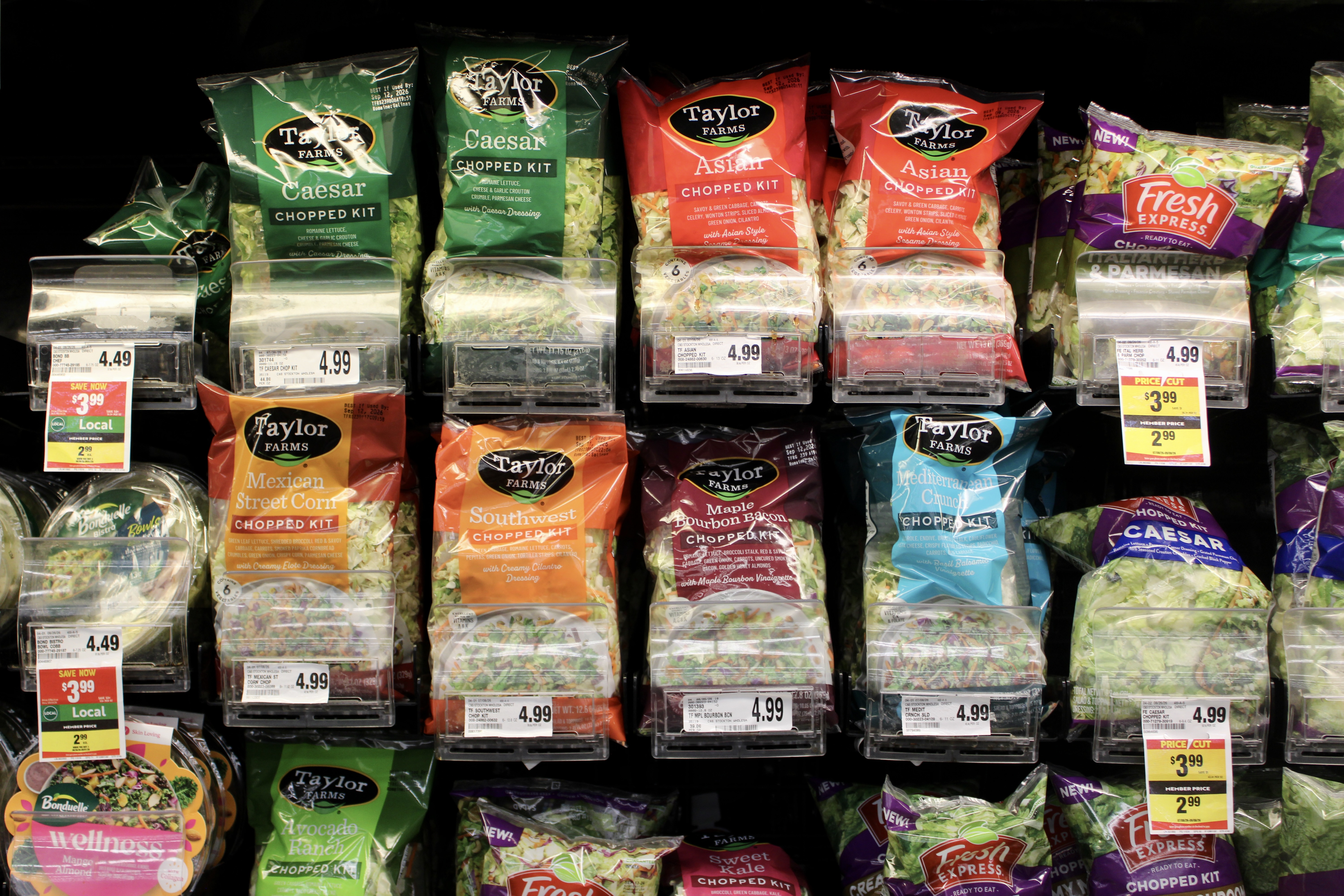
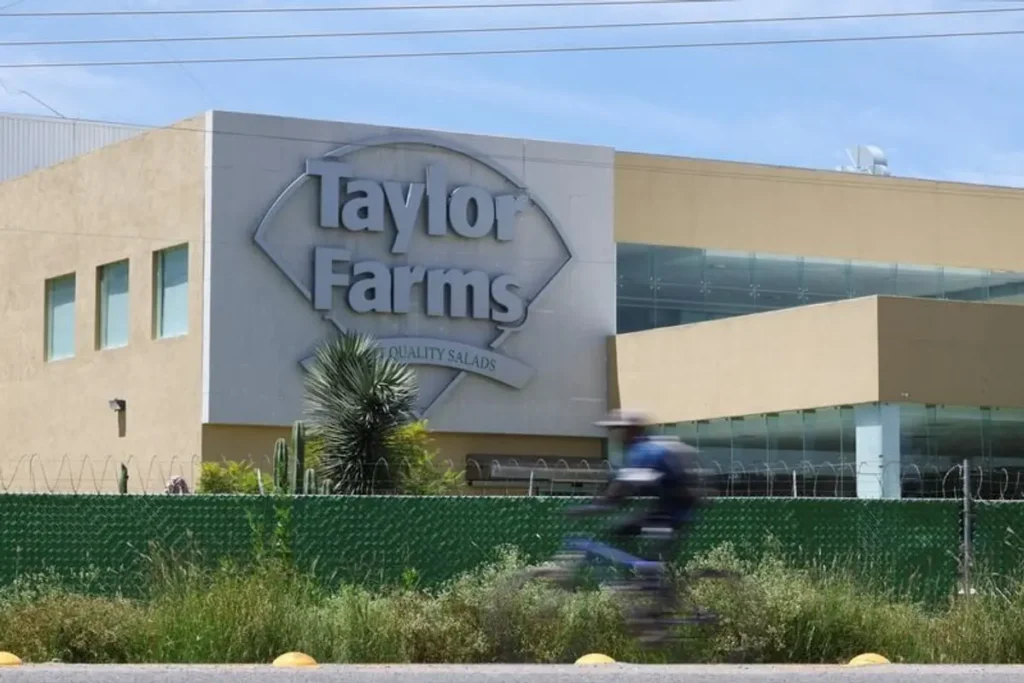
The Cyclospora outbreak is believed to be linked to iceberg lettuce supplied from the Mexico-based operation of Taylor Farms, a company that grows, processes, and sells fresh produce and ready-to-eat foods. The CDC connected the outbreak to Taylor Farms after investigators found a correlation between infected individuals and iceberg lettuce from the company. Many people who tested positive for Cyclospora reported eating at Taco Bell, where the lettuce was supplied by Taylor Farms.
Piper Rosenthal / M-A Chronicle
Student perspectives
With the outbreak making world news, students have become increasingly aware of the risk of parasites in their food.
“I’m disgusted,” junior Nic Sandoval said. “I feel like the quality of American food isn’t that good.” The quality of American food isn’t a surprise to many students.
“It grosses me out, and there’s not really any way for people to tell. It’s up to the stores and the restaurants to control,” senior Pooja Shenoy said.
Sophomore Alyra Alexander hasn’t felt as passionately about the outbreak. “I’m not scared, but I’m definitely not gonna go to Taco Bell anytime soon,” Alexander said.
Sophomore Anagha Bhatia feels similarly. “I haven’t stopped eating anything yet, I just have to be extra careful,” she said.
Although some students weren’t worried about their own health, family members were. “My grandparents were freaked out,” senior Oliver Chi said.
How does it spread?
Since Cyclospora needs about one to two weeks in a warm outside environment to mature and become infectious, it is highly unlikely the parasite will spread from person to person. Instead, the parasite spreads when food or water becomes contaminated with feces carrying the parasite, which people then consume.
What are the next steps?
As for next steps, the Food and Drug Administration (FDA) recommends thoroughly washing produce, discarding the outer layers of fruits and vegetables, and cooking all produce to at least 158 degrees Fahrenheit to kill the parasite. Taylor Farms has temporarily suspended production of all its products, hoping to prevent the spread of the parasite. Additionally, they released a statement saying they are working to remove the products, have suspended distribution of iceberg lettuce, and are coordinating with the FDA, CDC, and state authorities.