AP Art History will not be offered at M-A this year for the first time in two decades. Taught by Liane Strub until her retirement last year, the class taught students to analyze artwork from every continent, dating as far back as 30,000 B.C. For many of her students, the class was a highlight of their high school experience and inspired them far beyond M-A.
Students often appreciated the course’s global range, from prehistoric sculpture to contemporary mixed media, as well as the personal flair Strub brought to it.
“[My favorite unit was] the Asian Art unit. Previous to taking Art History, I didn’t really know much about Asian art. I mostly thought of art as this European thing, with the Louvre, with French artists, Da Vinci, all those European classics, but I never really considered a lot of Asian artists,” Gustav Singel ‘26 said. “I thought that was a really cool way to expand my knowledge of art.”
“I think my favorite unit was the first unit about like the one from 30,000 B.C., [Global Prehistory] I really enjoyed the first unit though because… I think it tells a story about how humans live,” senior Abby Anderson said.
“I would say my favorite unit was the Global Contemporary unit… [I] don’t think I knew a single artwork on that unit [before Strub taught it],” senior Parsa Adl-Tabtabai said. “But it was just really interesting because a lot of it was mixed media.”
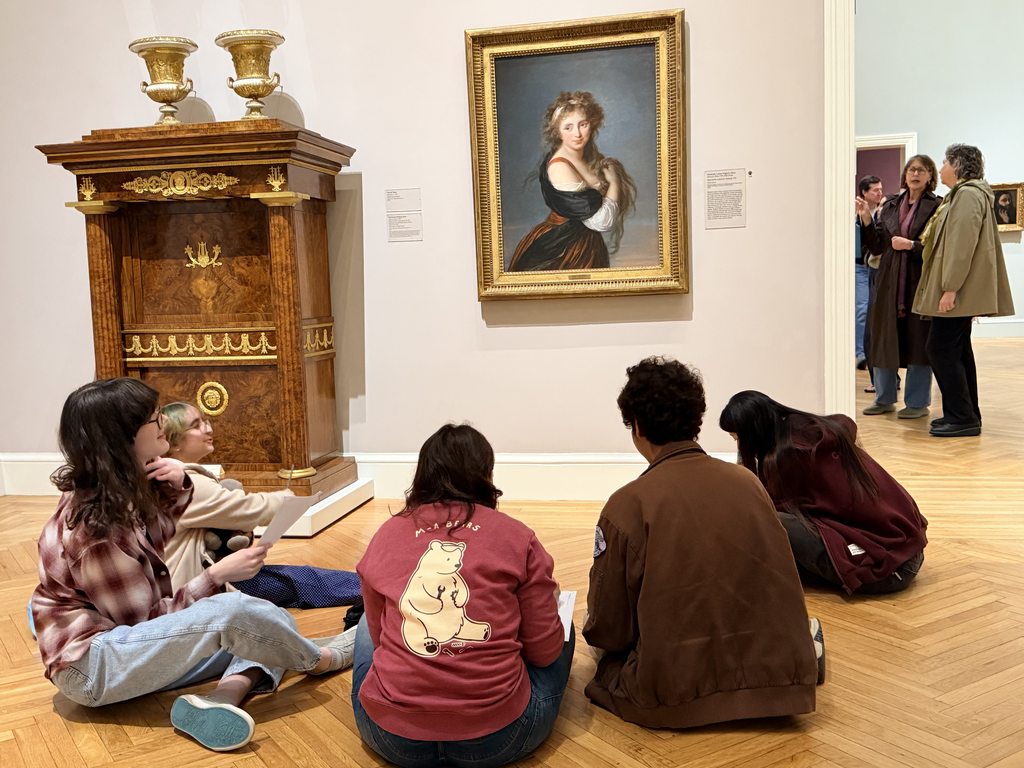
During its time at M-A, Art History wasn’t the most popular course, often only having one period of instruction. However, the students who did take it often remember it fondly and describe it as a formative part of their high school experience.
Daniel Matloub ‘26 took Art History his senior year. “My love of art history still shines even today. I would say I’m a STEM major, and I talk about art all the time,” he said.
“If I had to summarize the value of art history to me, I would say that it allowed me to be closer to my mom,” Adl-Tabatabai said.
Many Art History students emphasize how the class opened their eyes to how much art they encounter every day.
“Taking art history really opened up my eye to notice smaller details and things, like in everyday life and painting and writing too,” Anderson said.
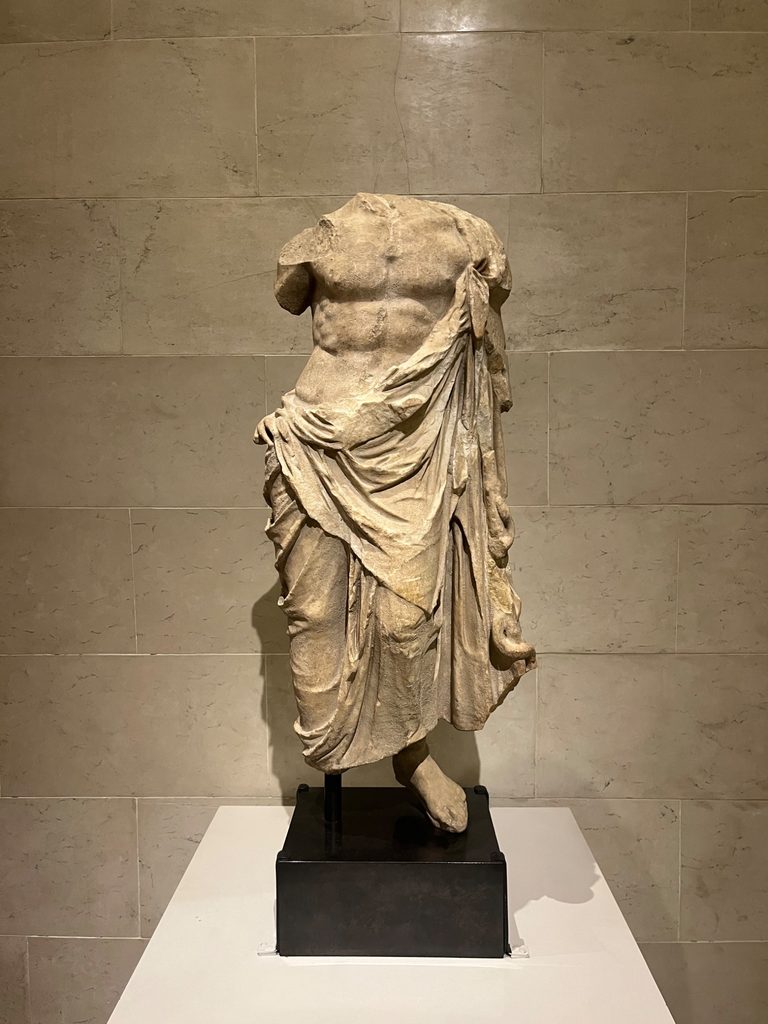
Singel also shared that because he took Art History, he is now able to fully appreciate art he might’ve ignored previously. “Here at Berkeley, there are these ancient Greek statues that they have on collection, and I’ll analyze it, just walking by, ” he said. “If I hadn’t taken the class, I would just walk past these statues without even considering what period they’re from or what that actually signifies.”
Beyond the course content itself, Art History has given many students a strong sense of community. Learning about art over centuries has brought them new conversation topics with their friends. “There’s also a social aspect to it. I remember just a couple days ago, one of the famous artists that we [learned] about passed away, and I got a text from one of my friends about it that I had taken Art History with, and I remember calling another friend who had really enjoyed the artist, and we talked about it for a little bit,” Matloub said.
“Since it’s only one period and it’s a small class, it’s very tight knit. I definitely recognize everyone in that class in the hallways, which is not something I would have been able to say for other classes,” Adl-Tabatabai said.
Strub, who taught Art History for 20 years, credits her love of art for bringing her to teaching. “[Art] saved my life. It means mental health. It means happiness. It means [a] spiritual kind of fulfillment,” she said.
Many of Strub’s students say that her passion rubbed off on them. “She brought in a lot of her own passion, a lot of her own memories in her life, and not only did that help me memorize a lot of the artworks and think about them in a much deeper way,” Matloub said. “I think when you have a teacher who is so passionate about specific subject matters… that really shines through in the students and how they’re able to learn.”
Many also cite Strub’s raconteur personality as a defining part of M-A’s Art History program.
“She has a lot of commentary, she’s very funny and genuinely makes presentations fun,” Anderson said.
“I thought Ms. Strub was a really refreshing teacher in that she treated us more like equals instead of her subordinates as a teacher-student kind of relationship,” Singel said.
Art History was a course that has stuck with students long after graduation, often being one of the most defining and memorable parts of high school.
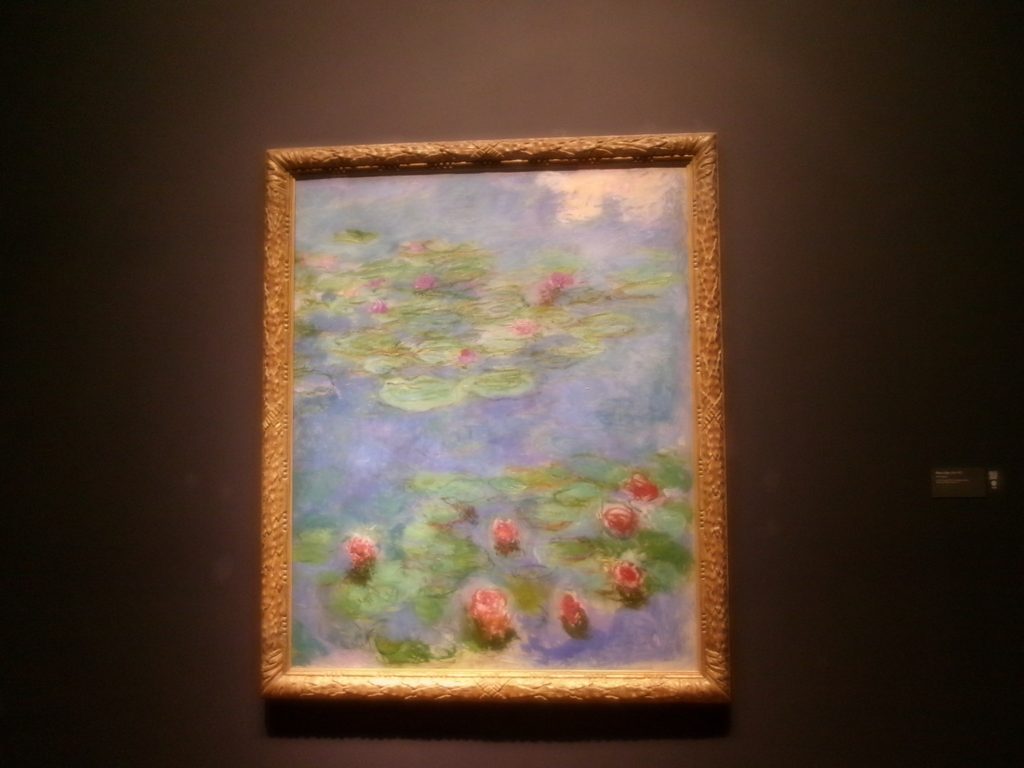
“I’m in my dorm right now. I’m looking at my walls, and I see that I’ve put up two Monet posters in front of me because I really appreciate his work and the history behind it. But also, it just reminds me of home. It reminds me of M-A,” Matloub said.
For many students, Art History reinforced how integral art is to the human experience. “The great thing about any artwork, visual or written, is that it attempts to address what makes us human,” Strub said.