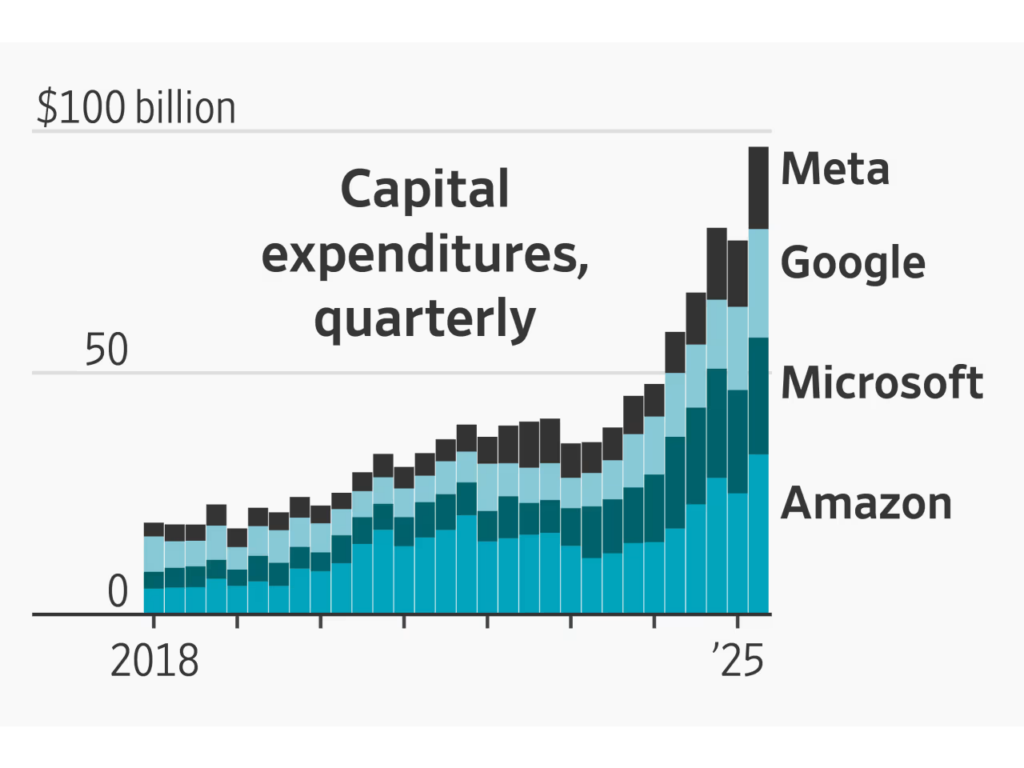
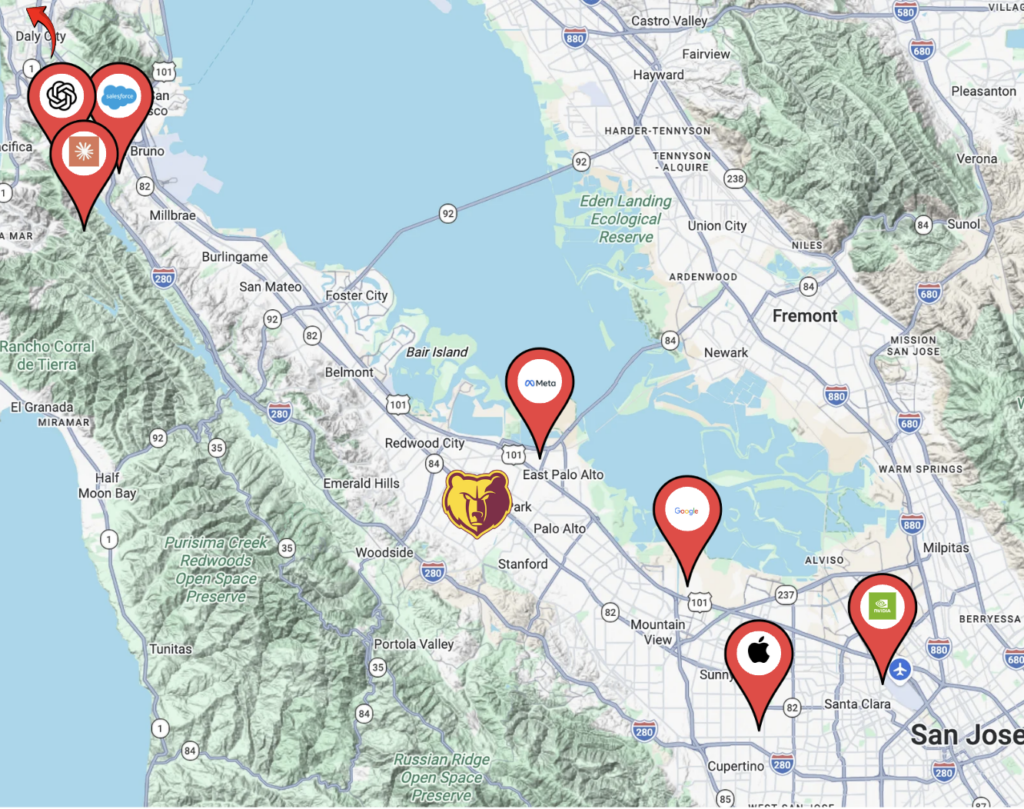
The Bay Area is one of the central hubs of the technology industry and the site of increasingly advanced artificial intelligence model development. With rapid AI development, large technology companies like Meta, Google, and Apple bring an influx of workers, jobs, and money, impacting the housing market.
The arrival of skilled workers employed by local technology giants to develop and manage AI has increased the already rising prices as these highly paid workers search for nearby housing.
“[Employees in AI] don’t have time to go through all these home searches, and they don’t want to fix up the house. They just want a turnkey home. Basically, you put your key in the lock, and then everything else is good to go,” Kevin Schmidek, Director of Land Acquisitions at Thomas James Homes, said.
Because employees at major AI companies generally receive high salaries, homebuilders raise prices to match workers’ willingness to pay for expensive and convenient housing.
“There’s not enough housing in the Bay Area,” Schmidek said. “As home prices continue to rise across the Bay Area, driven in part by the AI boom, many first-time and entry-level buyers are facing difficult decisions about where they can afford to live and what type of home whether a single-family house, condominium, or townhouse best fits their needs and budget.”
Many of the high-end buyers Schmidek’s company serves work at AI or tech companies. Schmidek’s company, Thomas James Homes, helps address demand for modern, move-in-ready homes in a market where housing supply remains constrained. The growth of the technology sector has further increased demand for this type of housing. “AI is going to be great for the upper end of the housing market [but not for affordability],” Schmidek said. While growth in the AI industry may create wealth and increase demand for high-end homes, rising prices could also make homeownership harder for lower-income homebuyers in the Bay Area.
For many M-A teachers, the cost of living can make housing near school financially out of reach. Football Head Coach and history teacher Chris Saunders has noticed a substantial increase in housing prices over time. “I remember my parents buying their house at about a third of the price of what I bought my house for,” Saunders said.
Though Saunders chooses to live in San Francisco, the drive to M-A can sometimes take over an hour, which can add extra costs and hassle. “You have to pay for energy one way or the other, as well as maintenance on a car. You certainly put more miles on a car, commuting as I do, than you would if you didn’t [live so far],” Saunders said. “These are big investments and assets that depreciate pretty quickly.”
Study Skills and English III teacher Elise Nocedal, who lives in Half Moon Bay, has been limited by a lack of available housing. “I wanted to purchase a home. The only place that I could purchase a condo that was in a nice neighborhood was in Half Moon Bay,” Nocedal said. “It would be nice to have a shorter commute for sure.”
“The time that I’m wasting that I could be doing for something for myself or something for grading,” Nocedal said. “I am searching to possibly transfer to one of our other school sites in the district that’s a little bit closer because Carlmont would save me like 20 minutes a day.”
Anton Gerth, an English II teacher at M-A, also struggles with a lengthy commute. Gerth, who lives in the Santa Cruz Mountains, spends three to four hours commuting round-trip each day. To put his current commute into perspective, Gerth estimates he loses more than three weeks of travel time each year. “My current commute is at least 540 hours per year, or 22 and a half days,” Gerth said.
“I can live closer; I just can’t own [property]. I’d prefer not to rent or share a wall with neighbors.” Gerth said. Because of the high cost of owning property, Gerth has been unable to move as close to M-A as he would like. Gerth attributes the sharp rise in housing costs to supply and demand, meaning demand is too high as the supply of available houses dwindles because of too many buyers in the market.
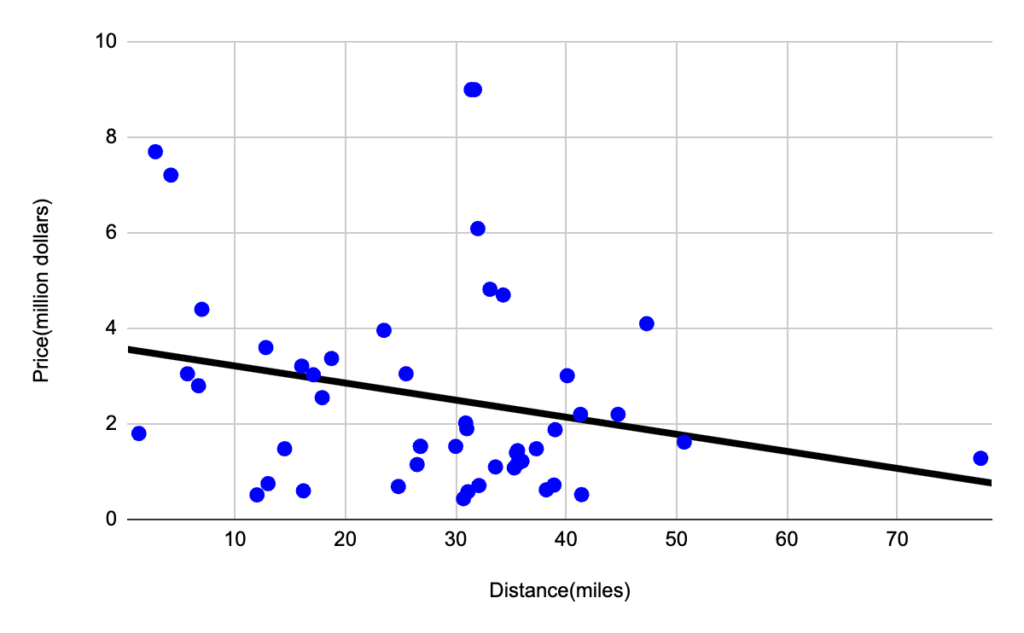
Alexandre Bernat, a co-Founder of Vetto AI, expects AI to continue to affect prices across the entire economy. “We’re going to have an economy of higher prices locally—it’s way higher than the other states around it, probably. Politically, economically, you have more money going in, so prices go higher.” Bernat said.
“A lot of people are [already] going to the South Bay or the western, most western side of SF or southern parts,” Bernat said. “It’s going to be way harder for people outside tech to adapt, and that will push people further away from these centers, these tech centers and company centers.”
The M-A community, which sits directly in the middle of a growing AI technology industry, has been deeply affected by the arrival of AI wealth, pushing teachers farther from their workplace, increasing commute time and transportation costs, and draining hours.
“We’re in the tech epicenter of the world, and some of the wealthiest people in the world live right here,” Saunders said. “It’s unfortunate that the people who work in communities are now less likely to live in these communities, and not by choice, but by economic factors.”