This is a dissenting opinion to The 2026 M-A Chronicle Voter Guide, published on October 24, 2026, which opposes Measure P.
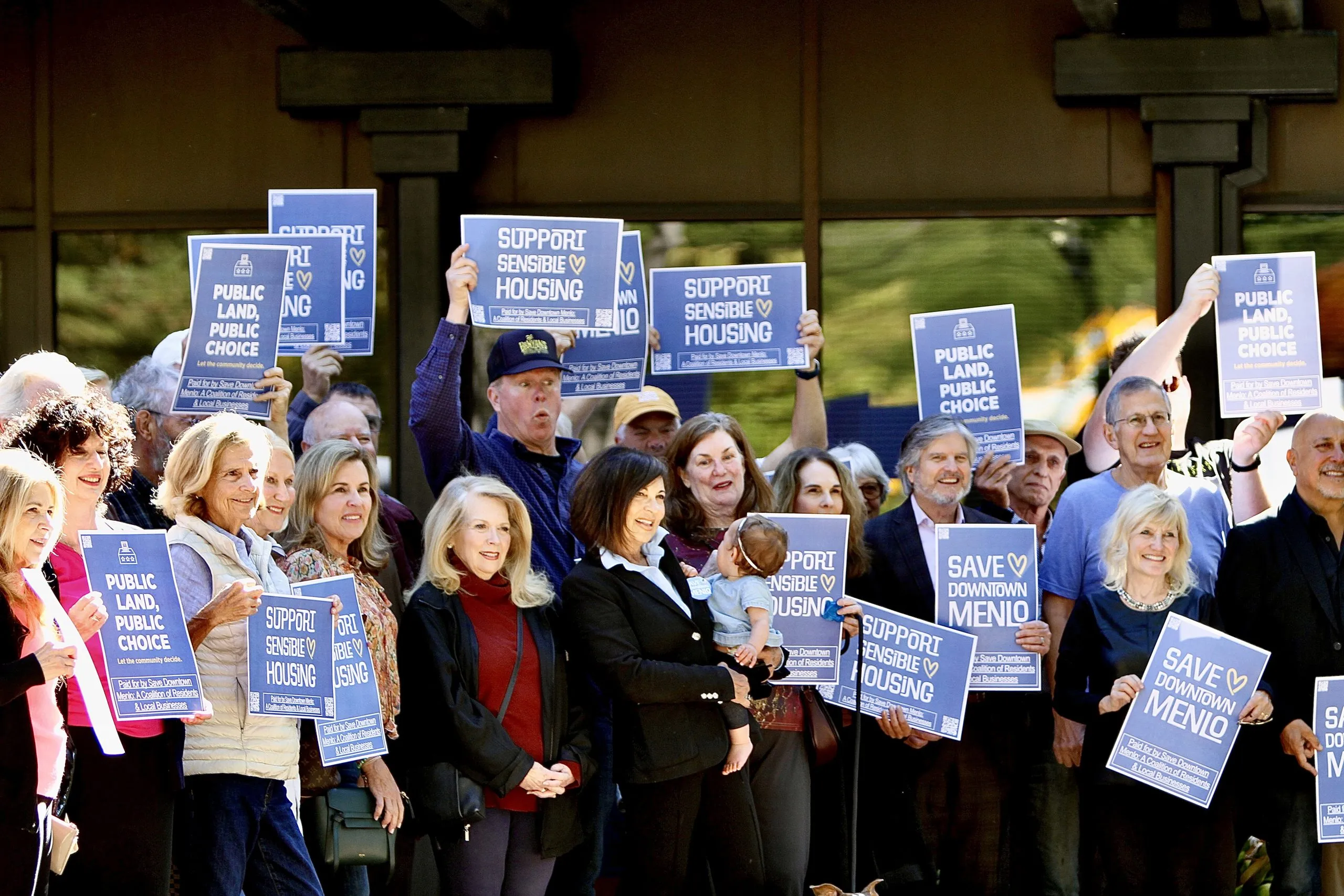
Why should Menlo Park’s five City Council members override the voices of thousands of residents? Measure P would correct this imbalance, placing downtown Menlo Park’s future in the hands of the people who want to safeguard it. Contrary to the Election Desks Opinion, and as a member of the Save Downtown Menlo campaign, I stand by Measure P’s goal: no housing on downtown’s parking plazas without voter approval.
Affordable housing is necessary for Menlo Park’s growth and success, but destroying the unique character of our historic downtown is not the answer.
So, what is Measure P?
Measure P is designed to “Prohibit the City of Menlo Park (the “City”) from selling, trading, leasing, donating, disposing, or otherwise conveying all or a portion of City-owned downtown Menlo Park parking lots for any reason that would affect or diminish the availability or convenience of parking, without voter approval.” The measure’s intended goal is to empower the people of Menlo Park, requiring a simple majority of voters to approve any change that would reduce parking on the eight downtown plazas. The Ballot Measure would apply retroactively to May 15th 2025, so plans that have already been put into motion would be halted to voter approval too.
Measure P doesn’t ban housing anywhere, including downtown. It just means any project that cuts plaza parking requires voters’ sign-off first. It also wouldn’t apply to any spaces other than the eight downtown plazas that serve local businesses. Measure P wouldn’t require voter approval for enhancements that don’t reduce the “availability, access, or convenience” of parking, allowing reasonable improvements without voter approval, like repaving or installing electric vehicle chargers.
How did Measure P come to be?
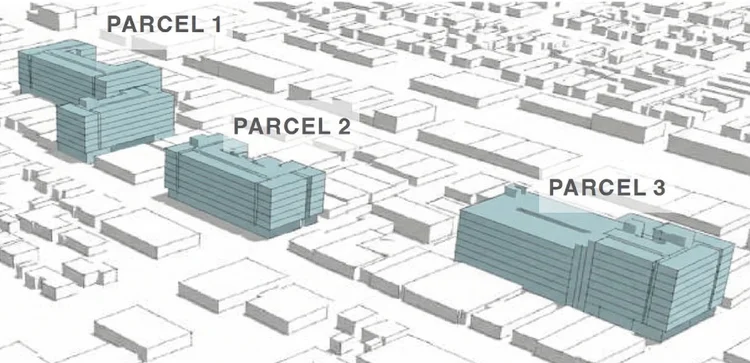
The city first listed three of the eight downtown plazas as housing sites in its January 2023 Housing Element, and the council took up the plan in August 2024. They often did so before studying its impact on downtown businesses, without a plan to replace lost business parking, and with a fixed goal of trailing through our Downtown.
In November 2024, pushback from downtown business owners and Menlo Park residents led the Council to postpone any requests for housing plans from developers until January 2025.
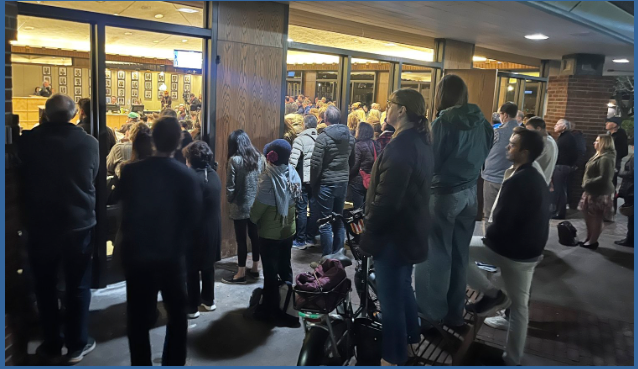
On Jan. 13, 112 businesses issued a statement to the Council opposing the proposed plan. The next day, the council chambers were standing room only, and public comment lasted until after 11 p.m. Most speakers opposed the plan.
A group of downtown mom-and-pop businesses banded together to form Save Downtown Menlo and filed a lawsuit against the City for offering the downtown parking plazas for purposes other than parking. The lawsuit rests on history: In 1955, when the city acquired most of the parking plazas through eminent domain, they paid for them with special assessments charged only to downtown business. The City adopted resolution number 1955-1, which resulted in the giving the businesses the plazas solely for parking purposes. The city disputes this claim, and no ruling has been made yet. But the historical precedent raises a fair question: If local businesses paid for these lots, don’t they deserve to have a say in what happens to them?
Even while battling the lawsuit, the Council continued to steamroll the parking replacement plan, and released a Request For Submittals (RFS) asking developers to bid for the proposed lots, offering them up for only a dollar per square foot annually.
If local businesses paid for these lots, don’t they deserve to have a say in what happens to them?
The minimum requirement for the measure to be put to a vote was to collect at least 10% of Menlo Park’s current registered voters. On Oct. 10, nearly 4,000 signatures were submitted, with more than 2,000 validated by the County, about 15% of Menlo Park’s registered voters. The County verified the Ballot Measure. On Dec. 2, the City Council unanimously voted to add Measure P to the Nov. 3 ballot.
The Measure asks the simple question: Would you rather the future of downtown in the hands of the People or in the grasp of five City Council members?
Why shouldn’t the housing be in the Downtown Plazas?
Estimates for the cost of the replacement parking promised by the City Council range from the city’s low-end $30 million number to around $85 million when based on a recent Palo Alto parking garage.
The council doesn’t have sufficient money to pay for the construction, so it could cost taxpayers millions, and concerns have been raised about the environmental consequences of building on chemical-soaked lots. Alternatives also exist—developments at Bohannon Industrial Park and at Corporation Yard (333 Burgess Yard) along with many other sites, have been considered for affordable housing in the past as well as the newly passed Senate Bill 79 (SB-79), which lets private developers build denser housing near Caltrain.
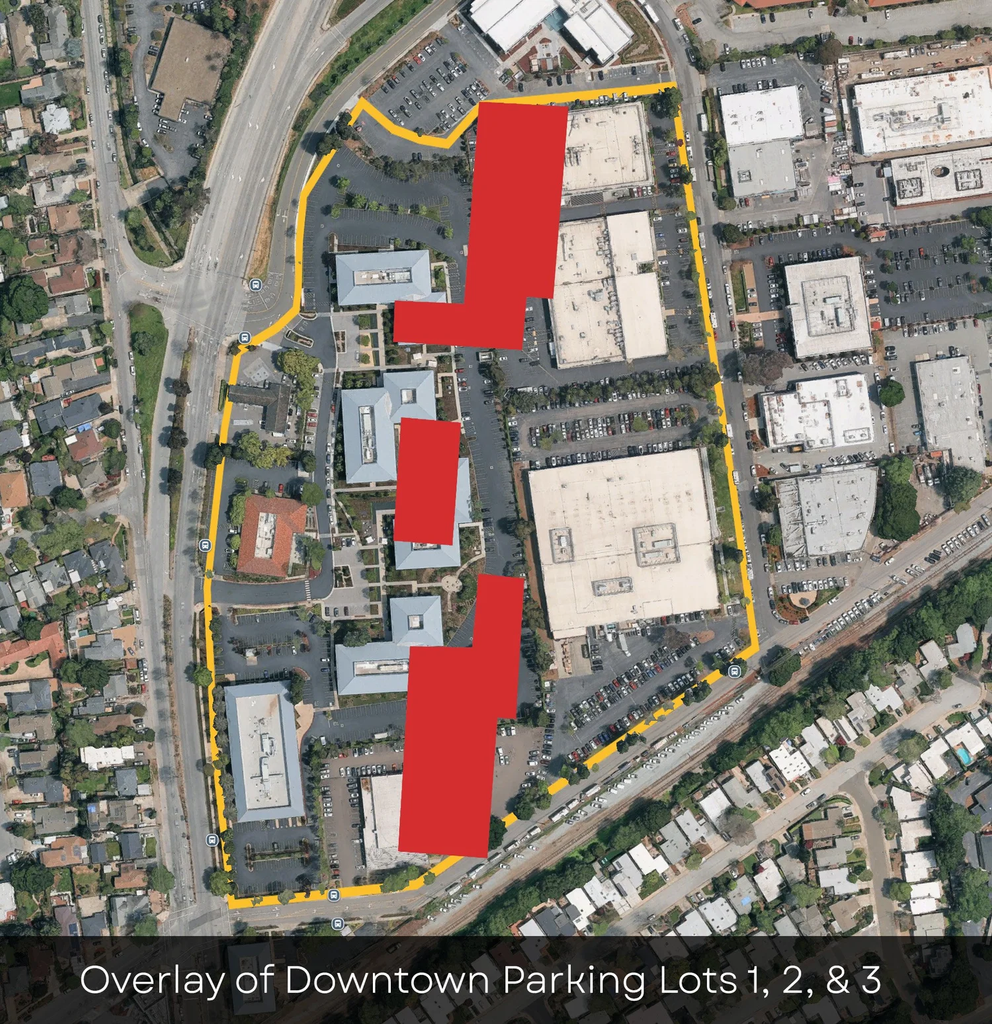
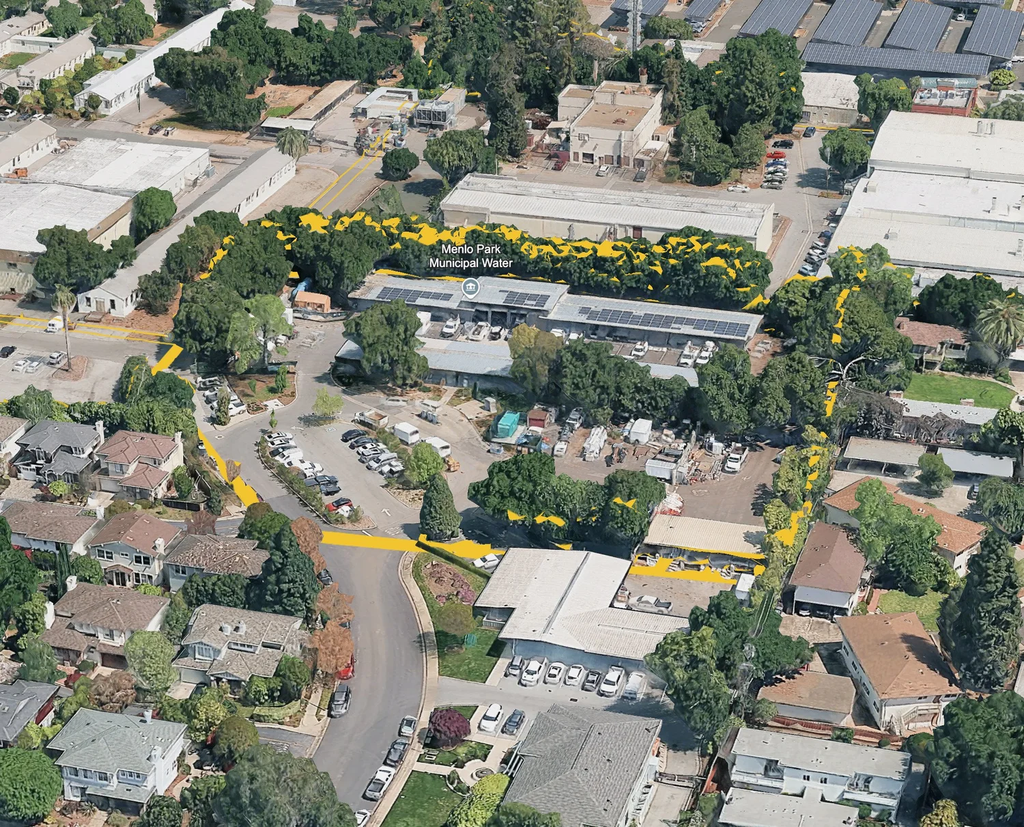
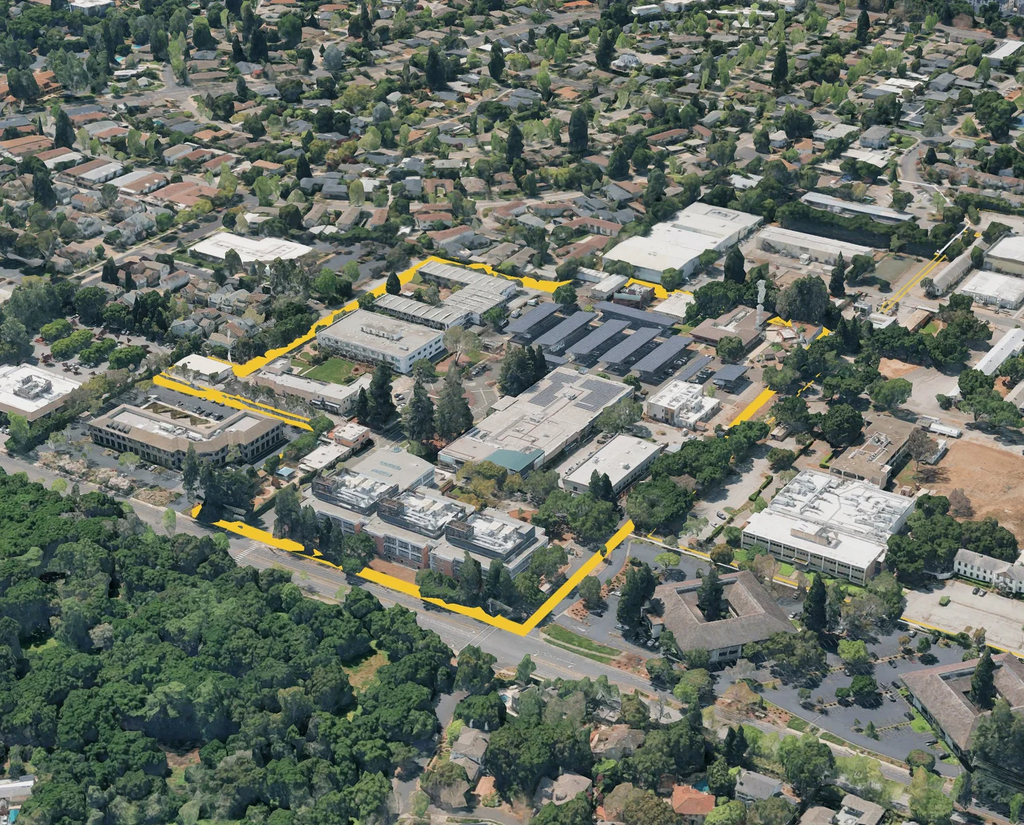
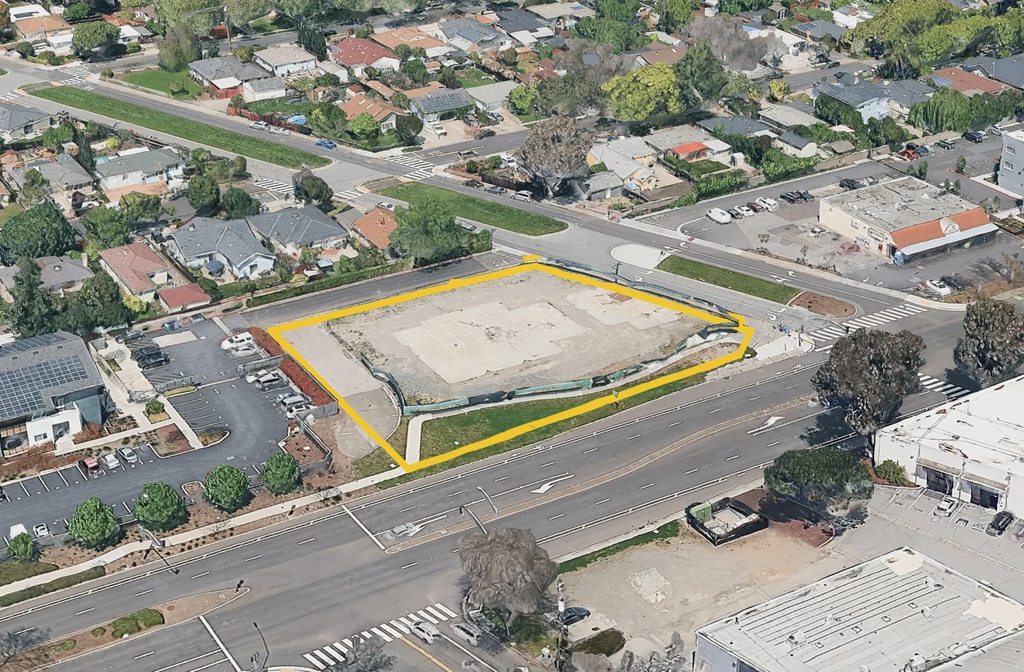
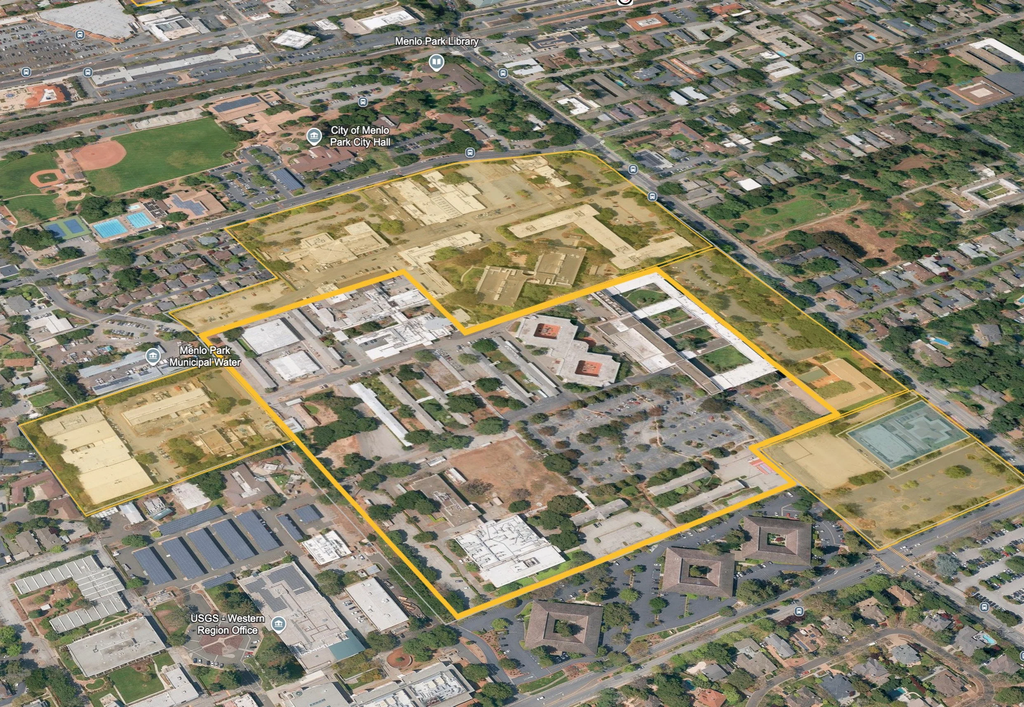
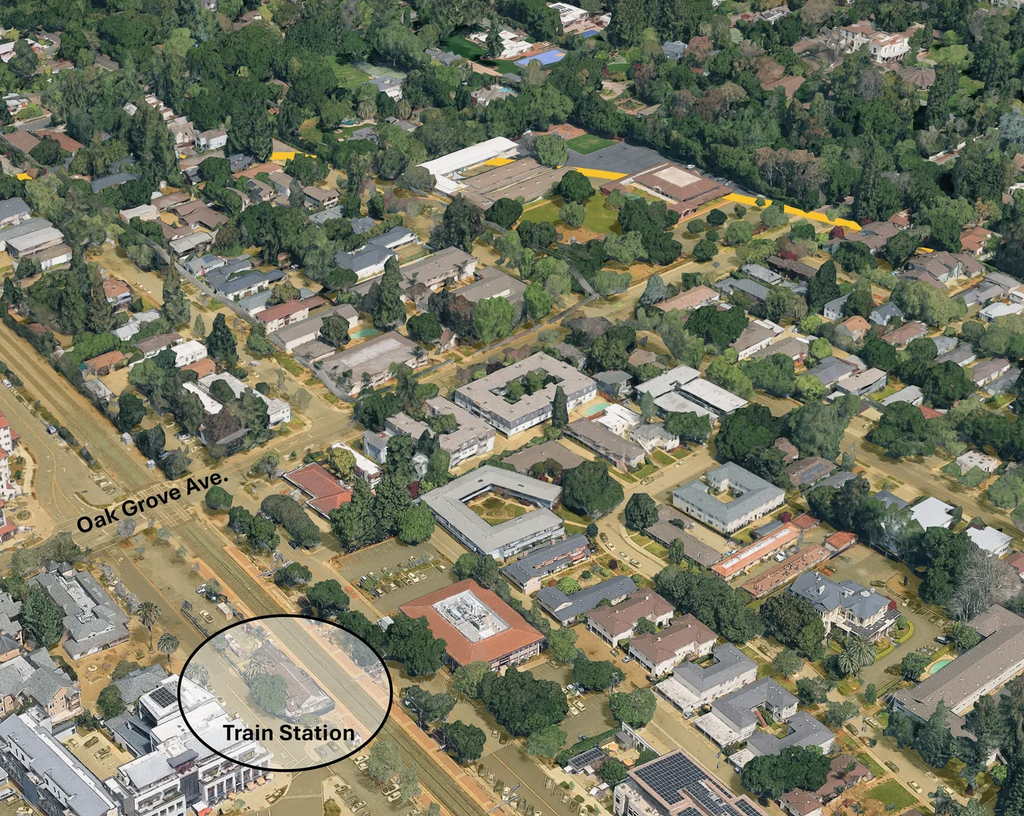
If that’s not reason enough to leave our downtown alone, a July 2026 report from the City itself says Menlo Park has space for more than double the state mandated housing, giving ample space to relocate the parking initiative. There have also been 12 other projects proposing 2173 mixed market rate and affordable housing units that have been filed or approved since the plan was initially certified, allowing Menlo Park to meet its required goals without sacrificing the downtown we have come to love.
Downtown belongs to the People of Menlo Park.
Menlo Park residents, patrons, and business owners have pushed back hard against the Council’s mismanagement, packing council chambers on Jan. 14, 2025, and watching the council soften its promise to replace lost parking. Measure P is a necessary check to prevent the Council from making irreversible and detrimental changes to Downtown.
While City Council members, elected every four years, have the legal authority to make decisions about city-owned property, the community deserves to be represented. They deserve to shape the future of the downtown at the center of their lives. After all, a downtown is more than a collection of stores and parking lots. It’s the heart of a community. It’s where we gather and invite our friends. It’s where we go for groceries, supplies, entertainment, and outings. It’s where kids grow up and later bring their own families.
After all, a downtown is more than a collection of stores and parking lots. It’s the heart of a community.
After two years of the City Council ignoring opposition, breaking promises to replace lost parking, and refusing to consider alternative sites that would spare downtown businesses, public trust has deteriorated. This lack of trust has made Measure P the only way for our community to put checks and balances in place to ensure residents have a say in the future of their downtown. This is why ballot measures exist, so the voters can stand up and speak out when the elected officials refuse to listen.
The City Council’s shifting positions and broken promises have raised serious questions about the Council’s accountability, leadership, and credibility. This lack of transparency has eroded trust between the residents of Menlo Park and the Council, so why should the Council make the decision about our Downtown when the people can?