As a fully student-run publication, the M-A Chronicle depends on its editors to manage just about everything. These seniors each supervise writers, edit daily articles, meet weekly, oversee the website and The Mark, and make all editorial decisions for the publication. As the school year comes to an end and the current editors pass the torch to next year’s editorial board, take a moment to get to know the people who have made this publication so great over the past year.
Ella Bohmann Farrell
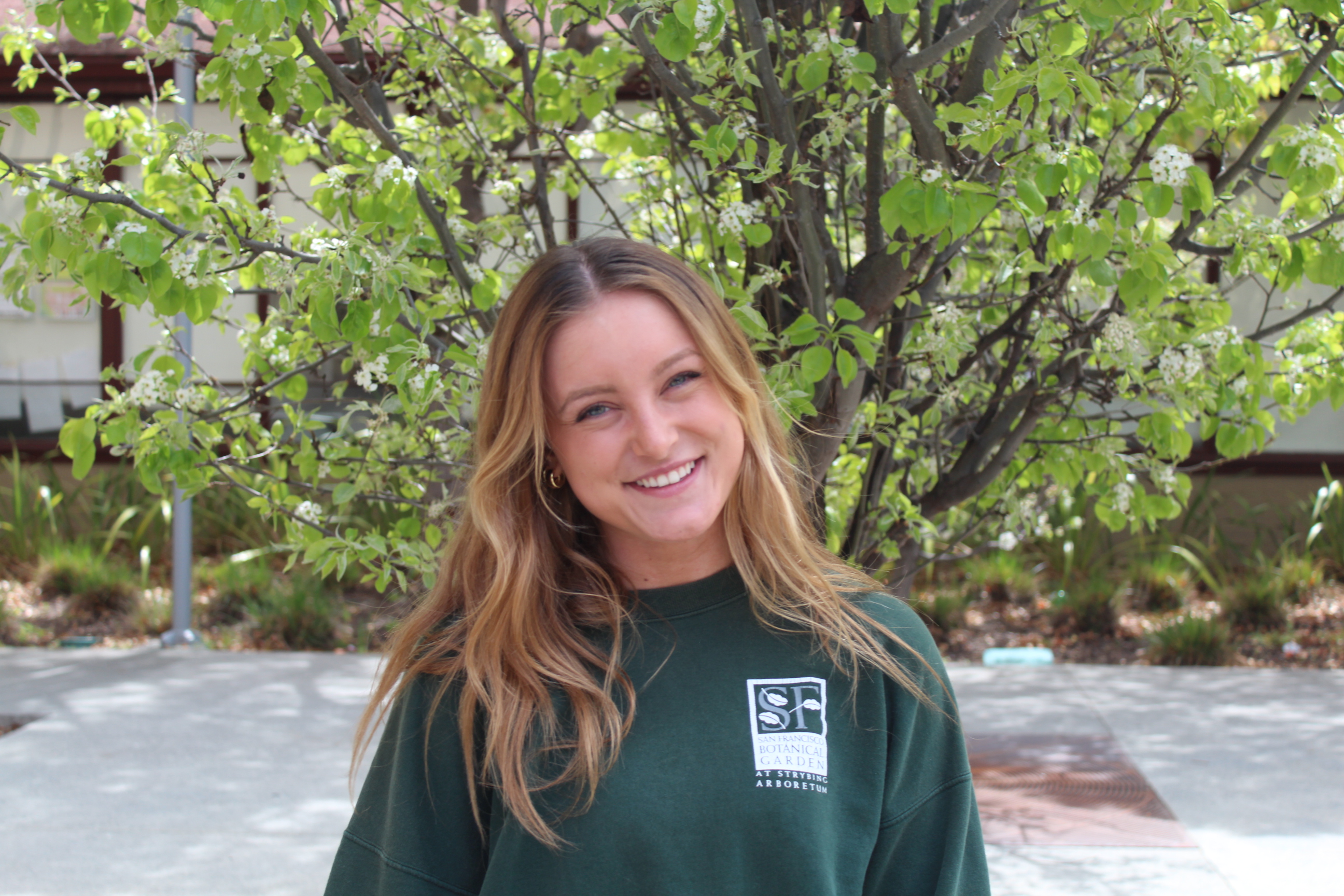 After reading M-A Chronicle articles online and becoming interested in the class, Ella Bohmann Farrell joined journalism as a junior. Bohmann Farrell quickly learned how to use InDesign to create layouts for The Mark, our bi-annual magazine, and began to become a leader in the class.
“I’ve had to become more decisive, and learn to be able to make decisions quickly instead of going back and forth and saying ‘I don’t know,’” she said. She also recognized taking on an increased workload due to the journalism program’s expansion this year.
“We had to adapt to the bigger class size, and then also had to post more stories and honestly spend more time on the job than we thought we were going to,” she said. “It was definitely a transition, but it’s also something that we’re super grateful for.”
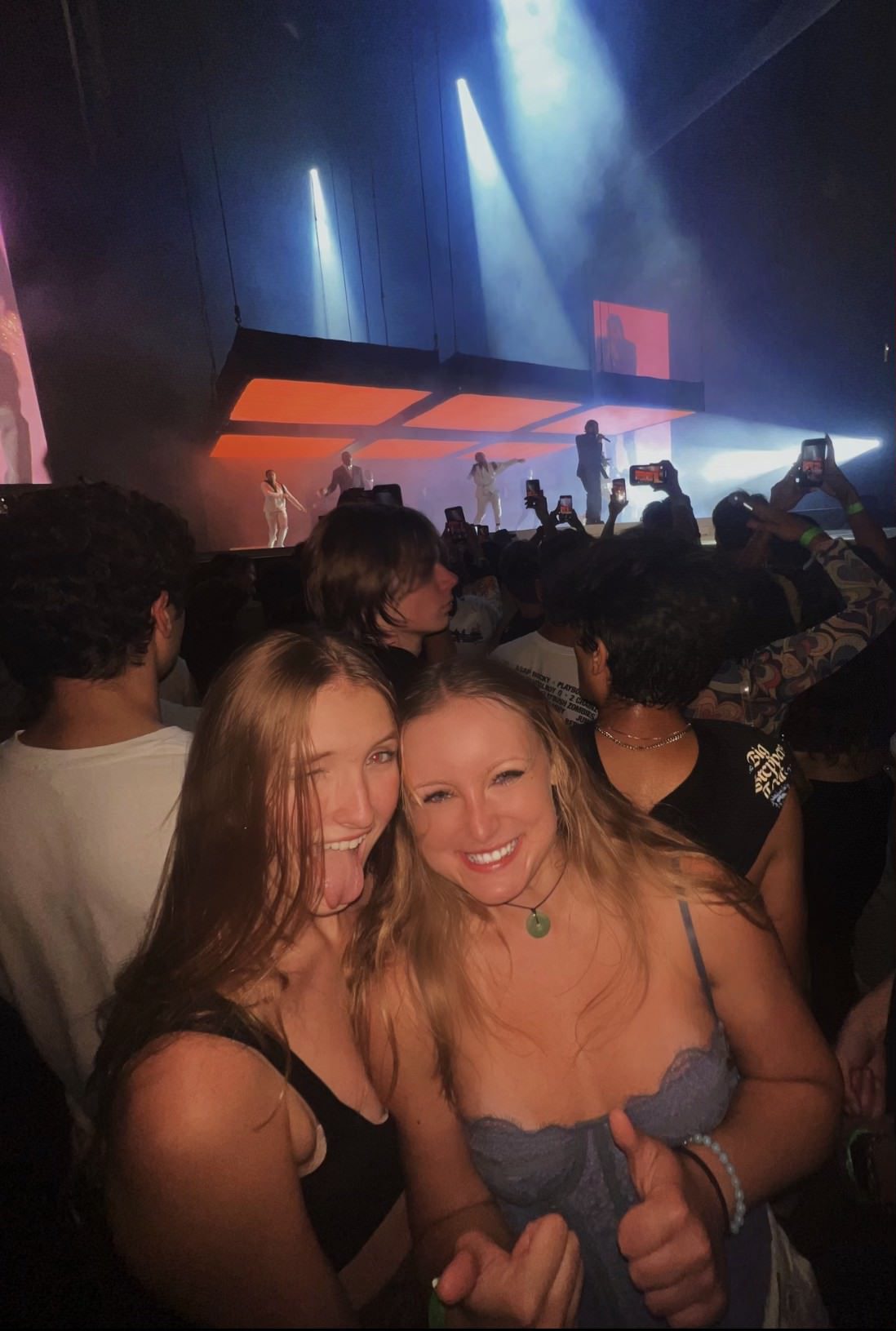
One of Bohmann Farrell’s most rewarding experiences in journalism was the success of her MCLV and detracking article that took months to write and, in the end, “elevated the conversation” about the topic.
“The recent police incident was a terrible situation with convoluted facts, so the fact that we have the type of platform where we could get 1,000 likes on Instagram and 10,000 reads on the article is pretty impressive,” she added. “I think it shows that our publication has merit, and it felt like our hard work was paying off.”
Outside of journalism, Bohmann Farrell plays tennis, lifts weights, hikes with friends, attends lots of concerts, and aims to read ten books each month.
Next year, she will major in social welfare at UC Berkeley and hopes to join the staff of one of Berkeley’s student publications in order to further her love of journalism.
Katie Doran
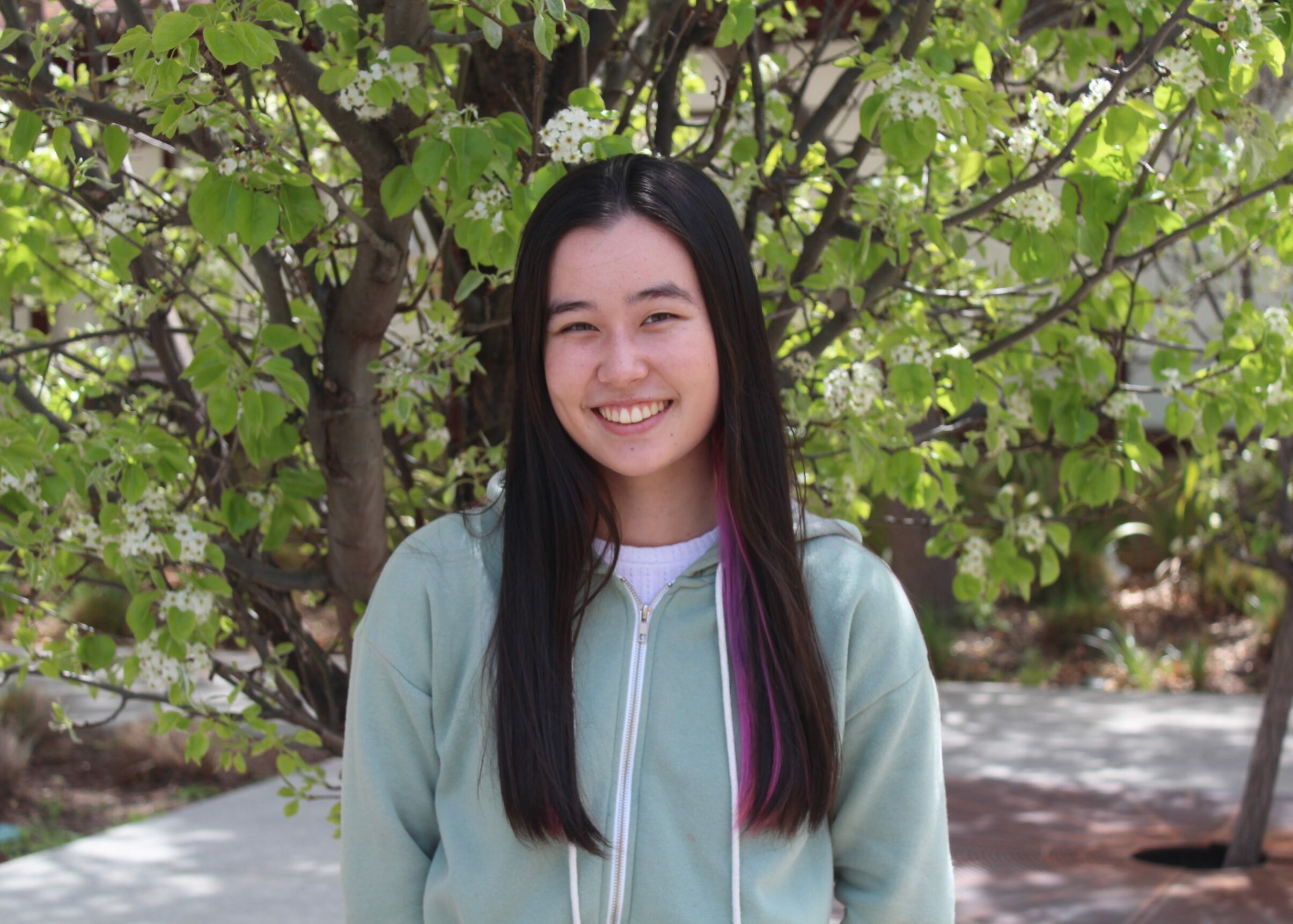 Katie Doran joined journalism as a junior and has since become one of the most organized and passionate people in the class. As a longtime debater, she came into the class with a lot of knowledge on national and international issues but “wanted to gain a more local perspective.”

“I wanted to be an editor because I’m just that power hungry,” Doran joked. “It’s not like I joined journalism with the intent of becoming an editor. That was not really my goal, or really even something I was thinking about when I first joined. It’s something that arose naturally, because I was really involved.” Her first ever article was written with peer and future co-editor, Sheryl Chen.
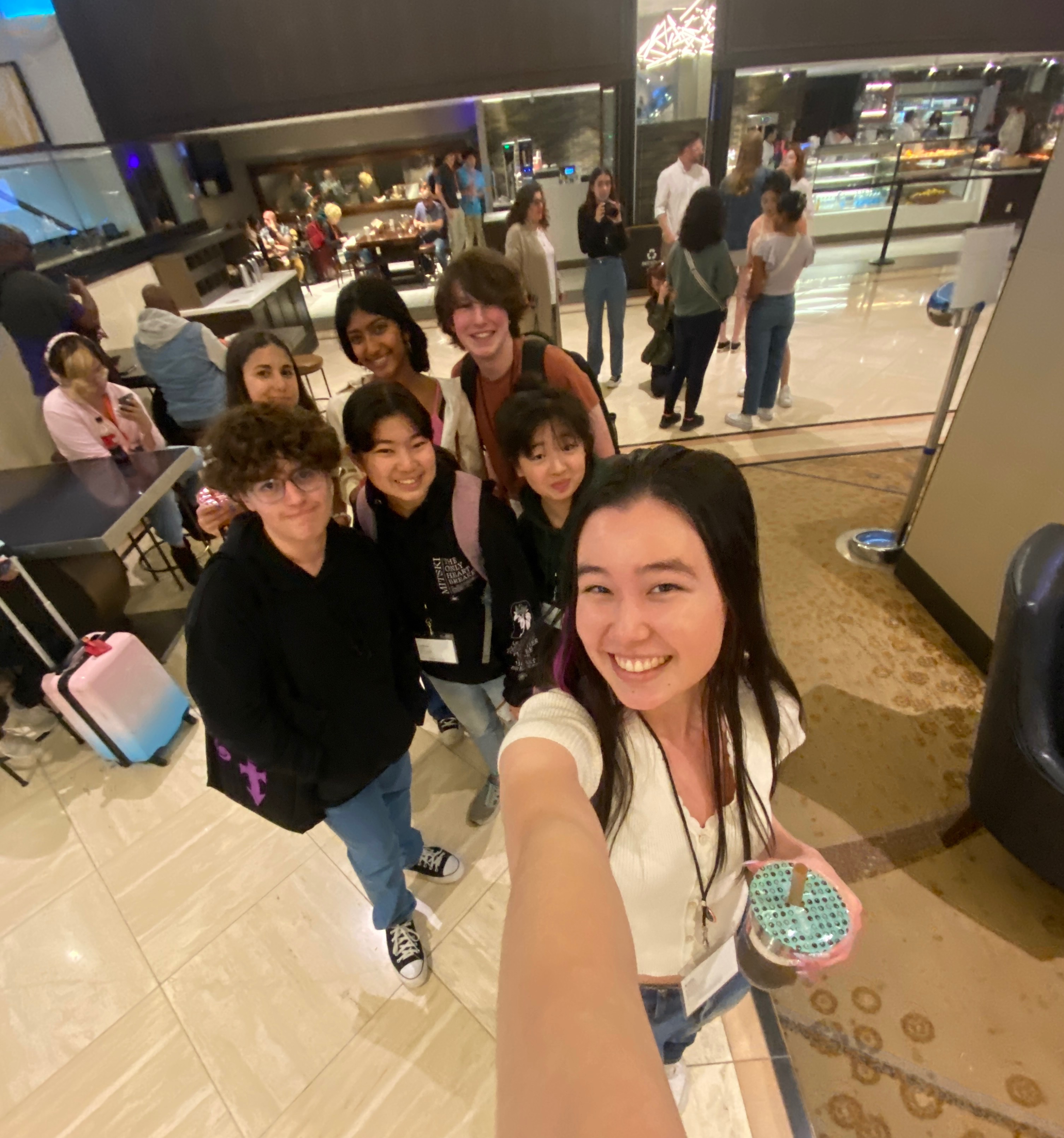 From there, Doran’s journalistic endeavors took off, and have proven time and again that they are capable of creating change in the community. Her article Is the SAT Actually Racist? sparked conversations around campus, and her opinion on menstrual products in school bathrooms led to the initiation of Leadership’s Hygiene Drive. “One of my favorite articles was my opinion article about teaching LGBTQ+ history at M-A, because it is an issue I’m really passionate about. I love that our program gives students the opportunity to write about issues that are important to you,” they said.
Doran also spends time working with her fellow editors, advising her editing group, and copy-editing articles. “The class is definitely very collaborative,” she explained. “I spend most of my class periods chasing after people and running from table to table and hearing my name called from across the room a good number of times, but it’s definitely something I really enjoy.”
As for what they enjoy most about their editor role: “You get to see people light up about their projects, and you get to see people get really excited about journalism.”
After high school, Doran is heading off to Georgetown University, where she plans to major in government on a pre-law track. They hope to stay involved in journalism at Georgetown, and “might do some journalism before law school.”
Emily Buck
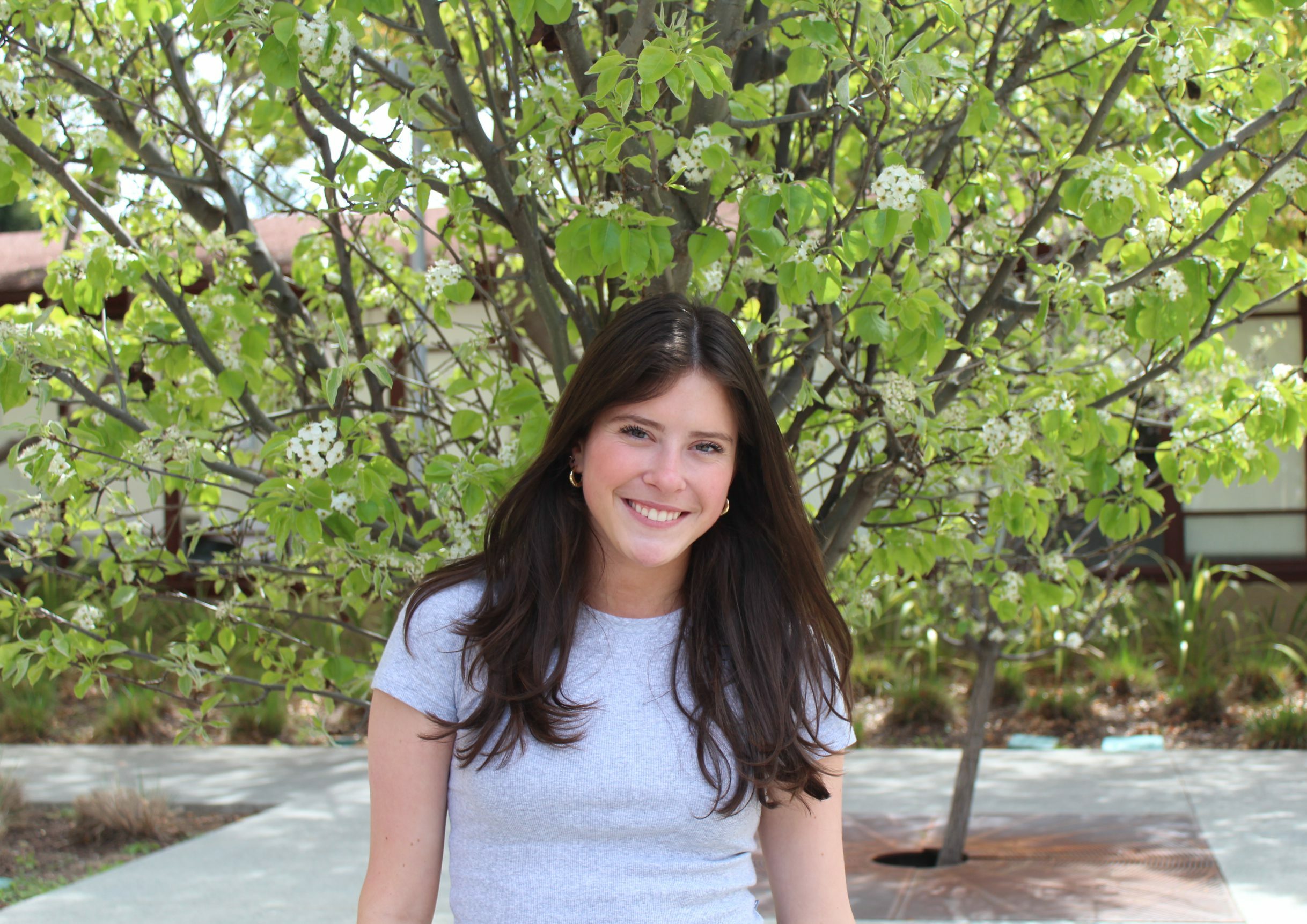 “I really looked up to the editors last year, and I wanted to be like them,” Emily Buck said about her journey to becoming an editor-in-chief. Now an editor, she loves working with her group of writers and participating in editor meetings.
“The creative process of being an editor is super cool, and even though the meetings are super long, they’re also super fun,” she said. “I get to discuss campus issues with people I really like, and I always learn so much.”
When not at editor meetings, Buck spends time swimming, hiking, skiing, working as a lifeguard, and baking: “I’m not very good at baking, but I still love to do it.”
Something Buck is good at, though, is designing creative layouts for The Mark, which took a while to learn. “Journalism is trial and error,” she said. “My first Mark was a big challenge and had such a learning curve. Learning InDesign takes a long time, and last year we had two or three weeks to put together an entire magazine when we had never made a magazine before. I was at school from 12 p.m. to 8 p.m. one day, after a minimum day, working on The Mark. It is definitely a labor of love—I wouldn’t do it if I didn’t love it—but you have to learn very quickly.”
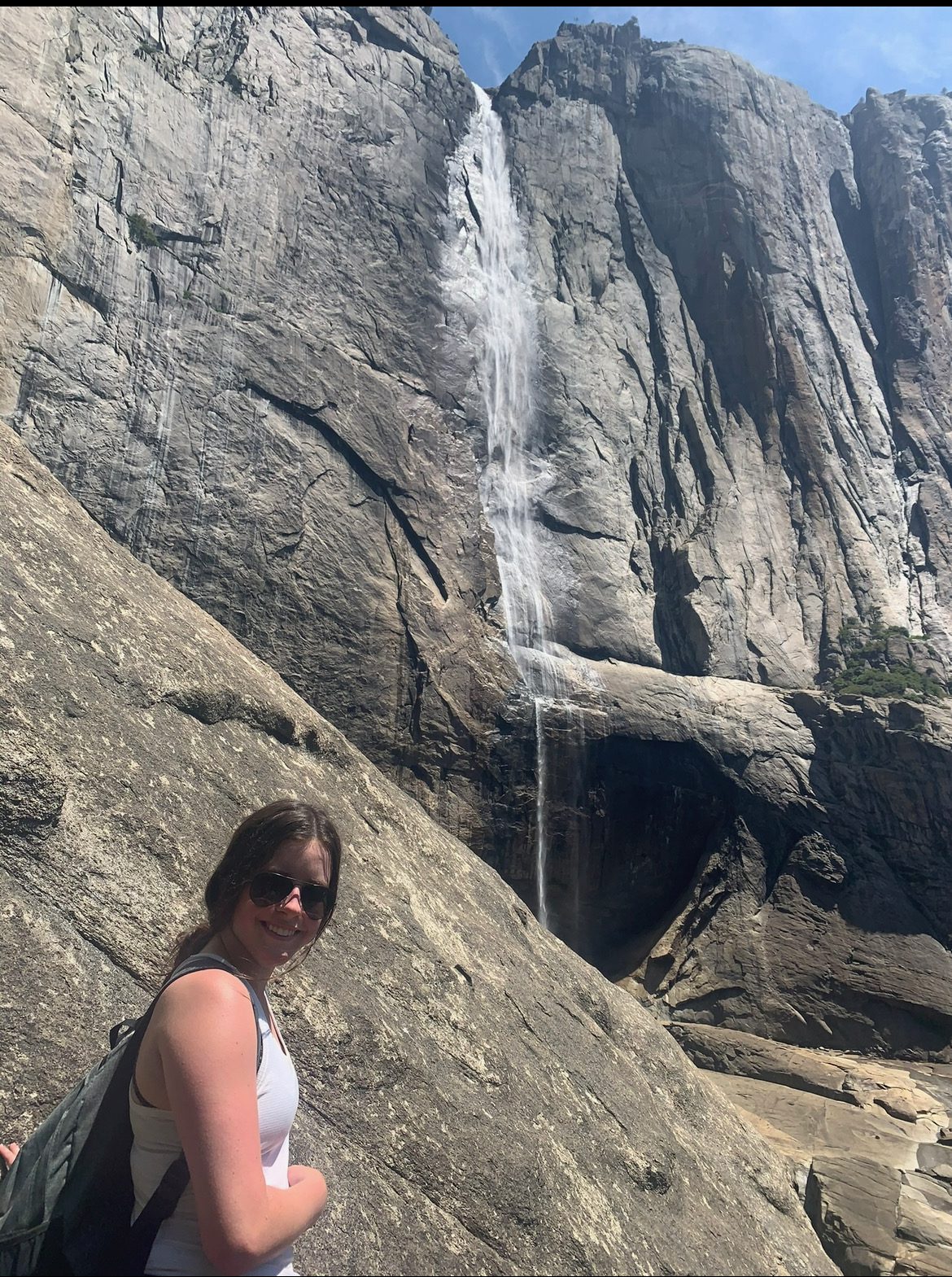
“This class is a great opportunity for someone to get a taste of the real world,” Buck reflected. “I’m talking to people I never would’ve talked to if I didn’t join journalism. The fact that I’m talking to Mr. Losekoot about an issue I have is something that I never would have done if I didn’t join journalism.”
Buck also appreciates journalism for the community that emerges from the class. She’s loved working with her co-editors in specific. “We all bring something very unique to the table,” she said. “As an Editorial Board, I think we’re really good at seeing multiple sides and perspectives, and looking at things without bias.”
After graduating from M-A, Buck plans to attend UC Davis to study public health.
Sheryl Chen
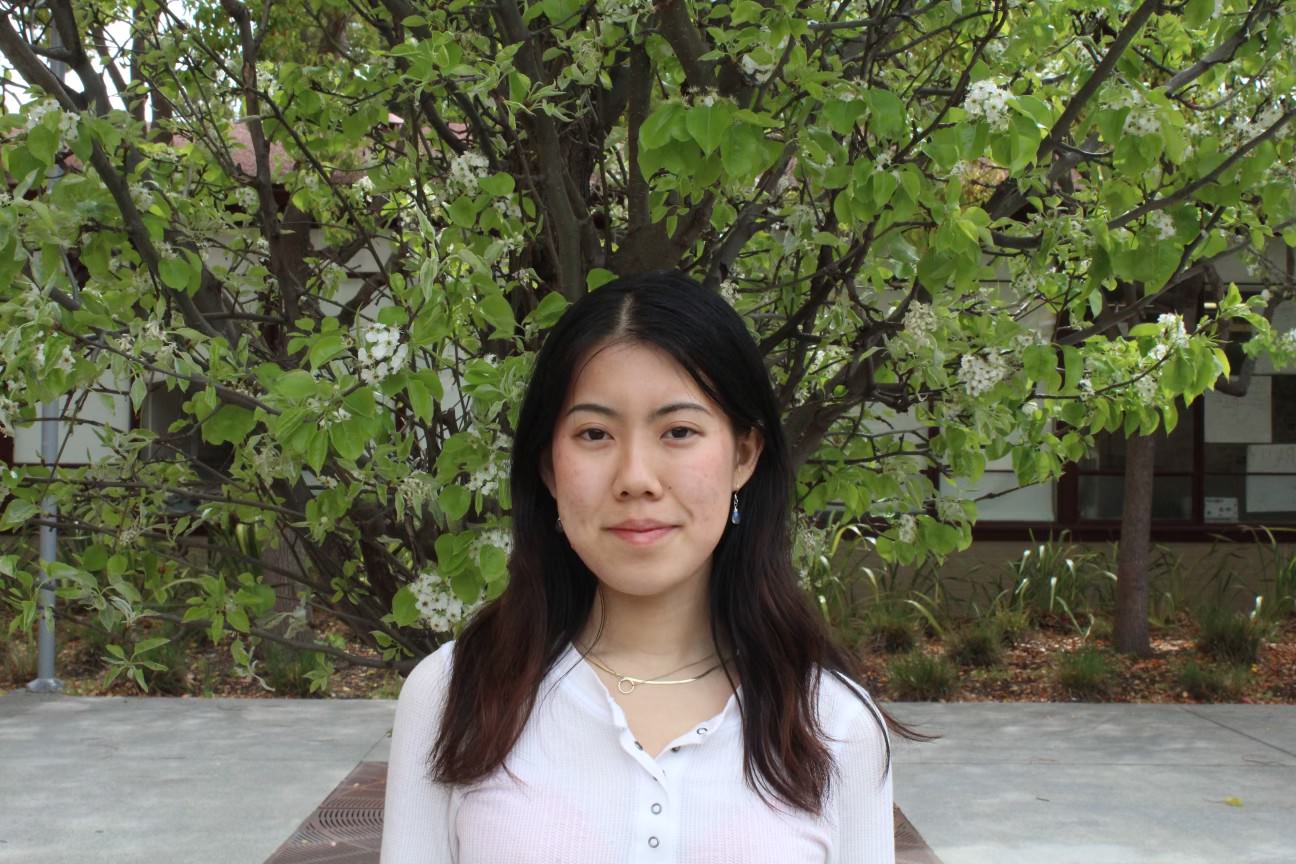 While the fifth period journalism class is split between three editors, Sheryl Chen is the only editor in sixth period. She has the difficult task of managing an entire class on top of her other responsibilities as an editor.
“I make sure the people I oversee are on track to publish with constant feedback, check-ups, and edits. The editors also meet at designated times to discuss our most pressing articles and any events that deserve our attention,” she said.
Chen has been in journalism a year longer than the other three editors. “I first joined journalism after spending lots of time browsing the site instead of doing school work my freshman year.” she said. After being inspired by articles she read, including Sarah Mark’s feature on M-A’s English Language Development program, and of course countless coffee reviews, Chen decided to join the class as a sophomore.

“I wanted to become an editor because I wanted to have a say in the direction of our publication,” Chen said. “I liked the responsibility and wanted to take on the challenge.” She also said that being a part of journalism empowered her: “It allows me to feel part of something and gives me the agency to fight what I think is unfair.”
Although much of Sheryl’s time is spent editing and offering guidance to her editing group, she has a multitude of passions beyond journalism, including running and cooking. “Seeing someone enjoy a meal I made gives me unparalleled satisfaction,” she said.
After high school, Sheryl will attend Stanford University, where she hopes to write for the The Stanford Daily.
“Our program has ballooned this year, not just in terms of staff size, but also staff output,” journalism advisor John McBlair said. “Managing the quality and ethical concerns of over fifty ambitious journalists’ stories has been a monumental challenge, one they met with good humor and a strong sense of their responsibility to the community.”
“All four of them have been role models to others, and our program will keep improving because of them long after they’re gone,” he added.