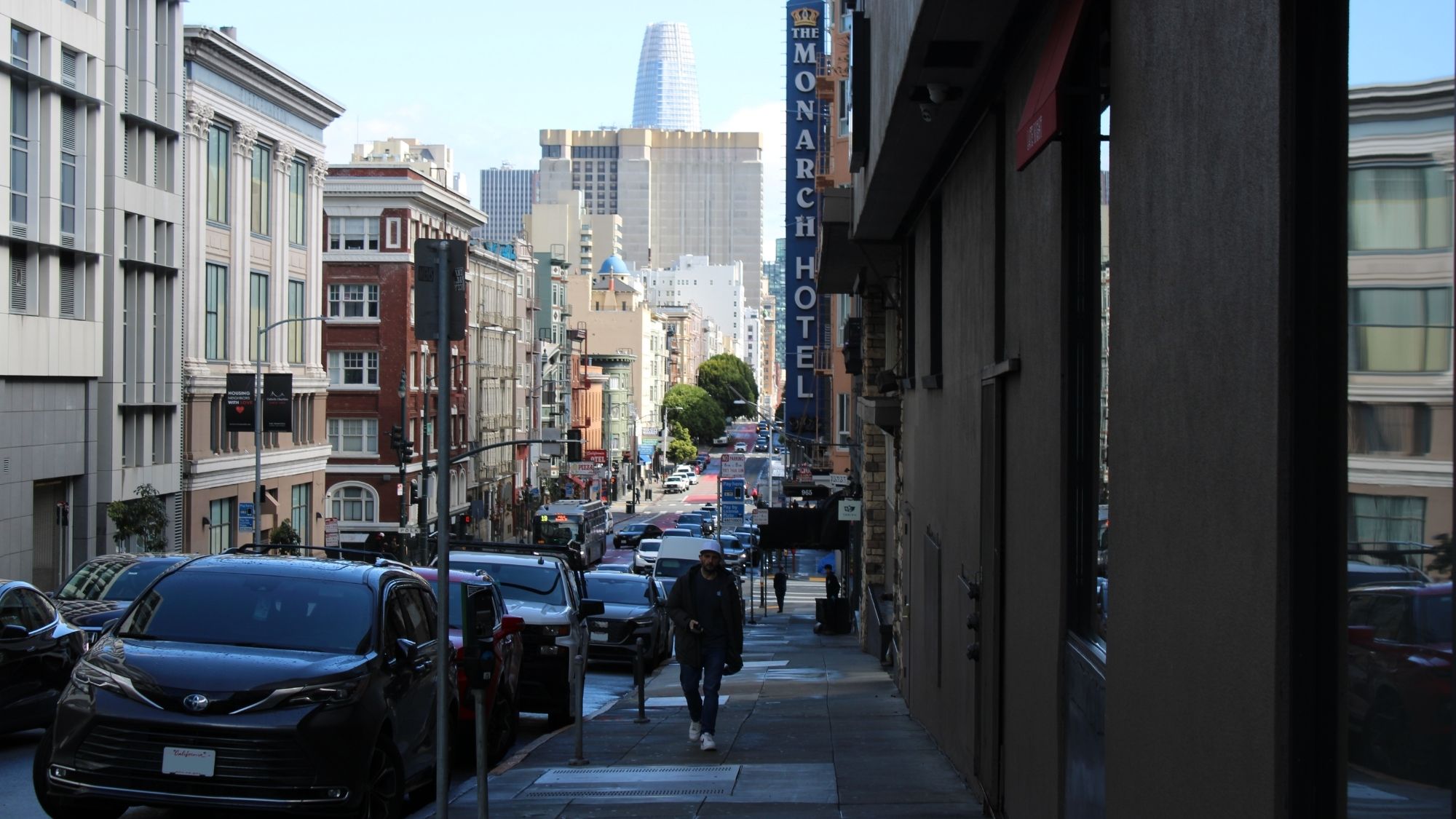
Since the Gold Rush, San Francisco has been one of the U.S.’ major cities. In the past few decades, the city has become synonymous with danger, violence, and drug abuse.
These associations have only worsened in the past couple of years, with a Gallup study finding that 48% of American respondents rated San Francisco as unsafe in 2023. This is a significant jump from Gallup’s 2006 report on citizen perceptions of safety, which found that only 26% of respondents categorized the city as dangerous.
After the transition from diesel to a fully electric train fleet, traveling to San Francisco has become more efficient. Now that the city is only an hour away from M-A via public transit, the issue of its safety is more prominent than ever.
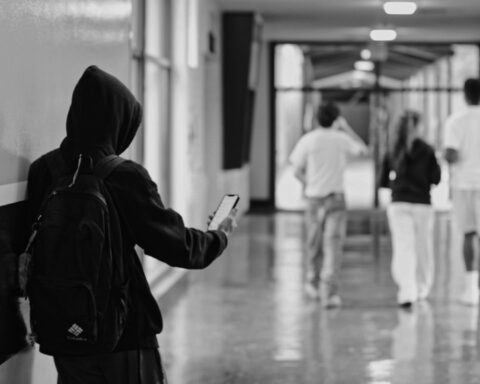
Driven by safety concerns and parental warnings, many M-A students report avoiding San Francisco entirely, viewing it as a high-risk area. Of 232 respondents, 80.17% of M-A juniors rated the city a 3 or lower in terms of safety, with 5 being the safest and 1 the least.
“There’s a lot of homeless people who are mentally unstable,” sophomore Ihra Kothari said. “They go and follow you and scream at you.”
“[San Francisco] makes me very anxious, because I feel like I’ve heard a lot of things like, ‘Oh, you shouldn’t look at people,’ ‘You should be cautious when you’re walking,’” junior Kateri Ozog said. “I feel like I also just see a lot of people that may be unhoused and on a ton of drugs and that just scares me.”
“I know you probably shouldn’t assume the worst of people, but I feel like in an area like that, you should just be cautious,” Ozog said.
However, data suggest that the decline in perceived safety is unwarranted.
Although San Francisco does have a relatively high property crime rate—ranked fourth, just below Memphis, Denver, and Portland—it barely made the top 20 when it came to violent crime in 2022. Property crimes include burglary, theft, vandalism, and arson, while violent crimes are defined as offenses that involve the use or threat of force against a victim.
Since 2019, there has been a 45% decrease in homicides and 40% decrease in robberies. The San Francisco Police Department (SFPD) recorded 63,584 crimes in 2017 and 27,887 in 2025—a 56.14% decrease.
Even so, the stigma regarding San Francisco’s safety seems to be worsening—and businesses are being affected by the prejudice.
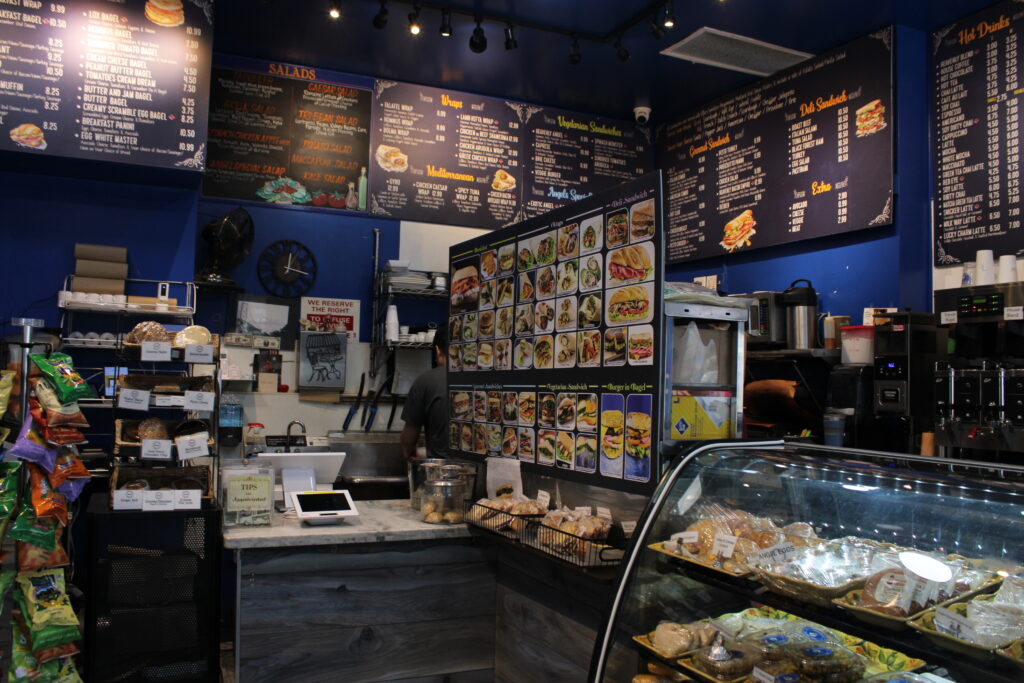
“We lost a lot of tourists when the pandemic hit. That was different,” Nagham Aboufaraj, owner of Angel Cafe & Deli, said. Aboufaraj’s cafe is located in the Tenderloin, a neighborhood infamous for danger and violence despite being just blocks from the tourist hub Union Square. “We lost a lot of tourists during the tourist season. We were completely down after 2020. Most of the places around here are rented by the homeless, the city renting for the homeless to be maintained.”
Data recorded by the SFPD indicates a 52.08% decrease in property crimes and 28.91% decrease in violent crimes from 2017 to 2025 in the Tenderloin.
While there is no denying the extremity of the Tenderloin’s drug crisis—with the neighborhood having contributed to almost two-thirds of San Francisco drug crimes in 2023—many local residents report that they do not feel personally threatened by the street activity.
“There’s a lot of addiction on the street, but I don’t feel in danger from that,” Academy Science teacher and San Francisco resident Brett Olson said. “I just feel like people need to get help to get off of the drugs.”
“They don’t really bother other people,” Aboufaraj said. “I mean, most of the time, the drugs are on the street, and they already pass out. They’re in a different world. People on the street are very harmless. [They] just need care and love.”
Although he faced a handful of encounters with vandalism, Aboufaraj reports only one personal dangerous encounter, in which a man attempted to rob Aboufaraj at a BART Station. This incident occurred when Aboufaraj came to the state from Syria 25 years ago.
While some San Francisco neighborhoods can be intense—especially when compared with the tame environment of Atherton—the true danger has been greatly exaggerated by the media.
As the journalistic adage “if it bleeds, it leads” suggests, negativity drives online news consumption. In fact, data from 95,282 articles and 579,182,075 posts show that social media users are 1.91 times more likely to share links to negative articles.
The same applies to news regarding San Francisco. Reports frequently concentrate on dangerous activity in the city, and that same news garners attention.
Some residents claim that this pattern leaves an important part of San Francisco’s story untold, for the imbalance in coverage has shaped how many people perceive the city. Because crime reports and safety concerns dominate headlines, the other aspects of San Francisco are overshadowed.
“We don’t just need to see the negative, even though the scary news gets more viewers, more readers, more attention,” Spanish teacher and SoMa resident Michael Mueller said. “We need to hear positive things. We need to see both sides.”
“People’s perceptions are always influenced by the media, and the media’s job often is to make money off a story,” Olson said. “And some of the story is true, but [it’s] often overblown.”
“There’s a lot of things [the] media covers, and a lot of things [the] media don’t see. But as people we always see everything on the street,” Aboufaraj said. “I’ve been here from six [in the] morning to two p.m. We see a lot of things happening a day. There’s a lot of beautiful things in the city.”
San Francisco’s rich history, diverse neighborhoods, and coastal beauty make it a must-visit destination. From the iconic Golden Gate Bridge and historic Alcatraz Island to the lively Chinatown and colorful Mission District murals, San Francisco’s vibrant culture makes it an unforgettable city.
“It’s a beautiful city, it’s a world-class city. It’s got great parks, food, really good people, a diversity of neighborhoods,” Olson said.
“San Francisco [is] a hub of creativity and diversity. It’s a very rich experience being there. Even when you walk through the streets, you see so many cultural aspects,” sophomore Harris Wellington said. Wellington first visited San Francisco when he was just two years old and continues to visit the city 10 to 15 times a year.
“You see so many food places. You see so much representation,” Wellington said. “The whole vibe of the city is just very real, very cool.”