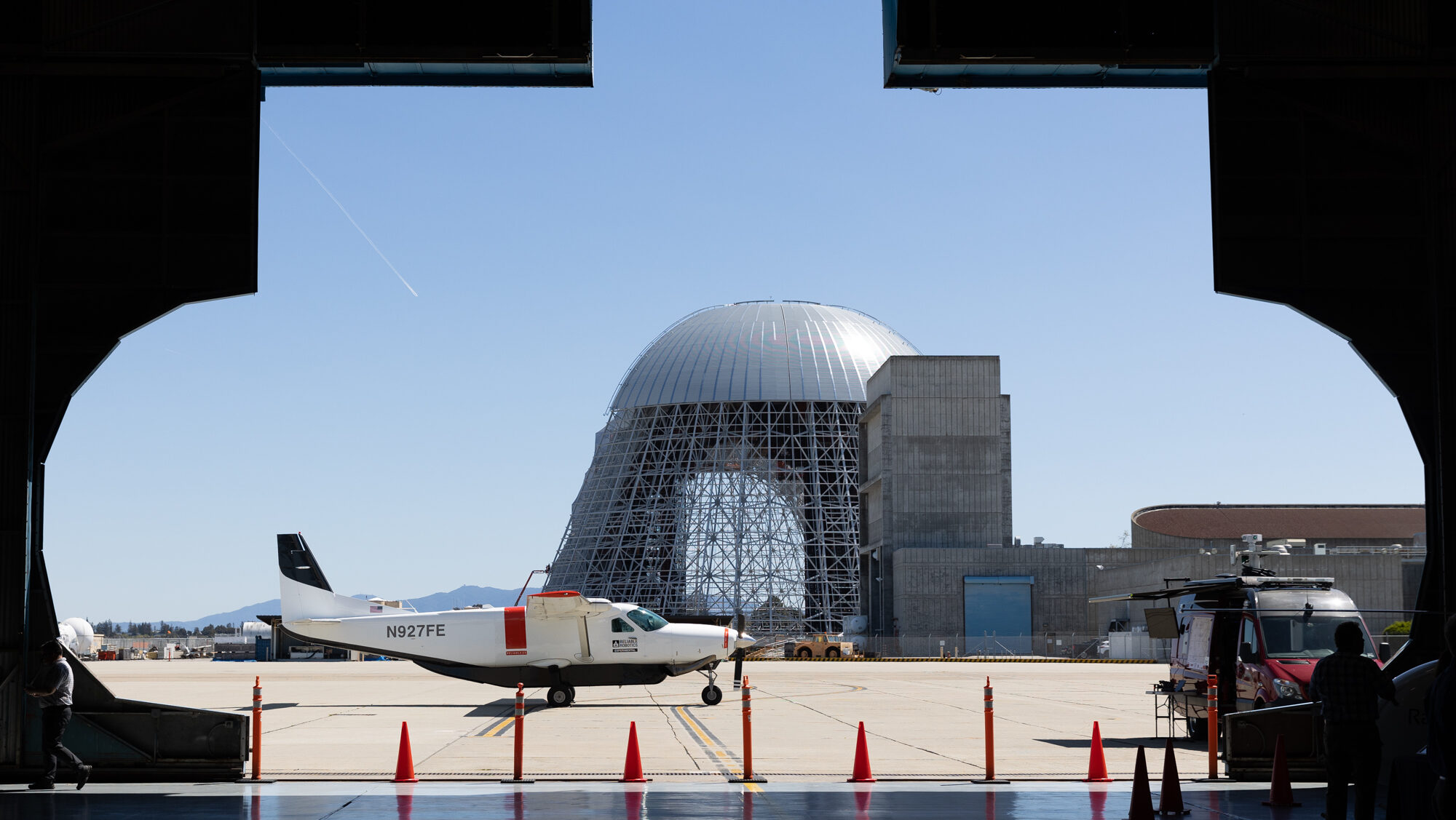
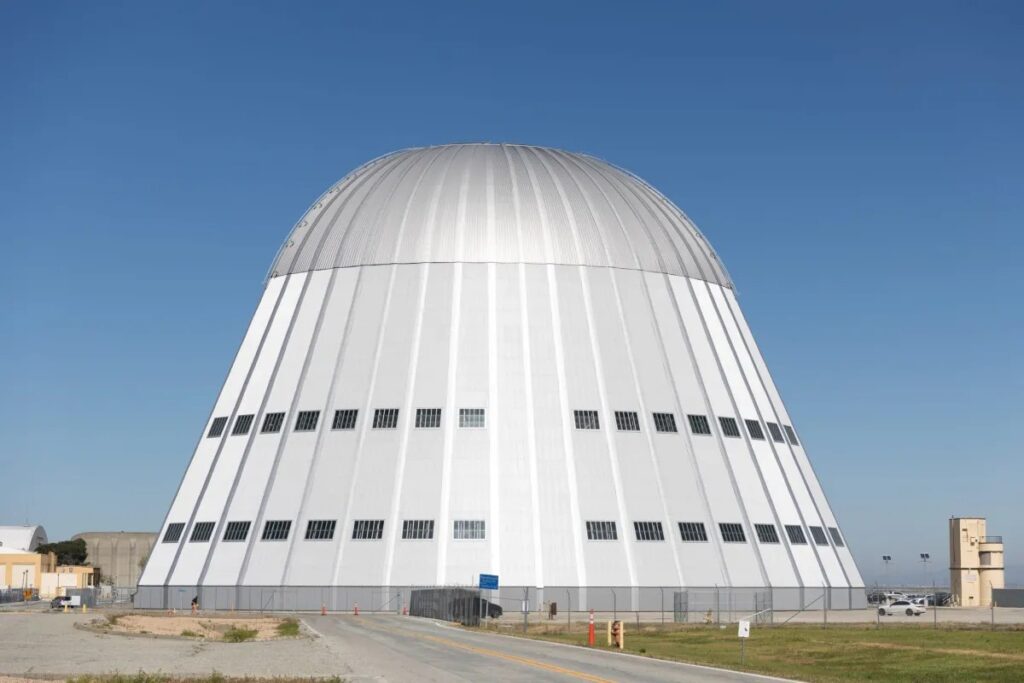
Hangar One, a part of NASA’s Ames Research Center and located at the Moffett Federal Airfield in Mountain View, finished its restorations in December 2025. The iconic structure housed airships, a type of lighter-than-air aircraft, for nearly 70 years before it closed in 2003 due to toxic chemicals.
The discovery of polychlorinated biphenyls, asbestos, and toxic lead paint forced NASA to close the hangar in 2003. NASA initially made plans to tear it down, but following community backlash, it opted to decontaminate the site instead by removing much of its exterior. For years since then, the hangar sat unused with no attempts at restoration.
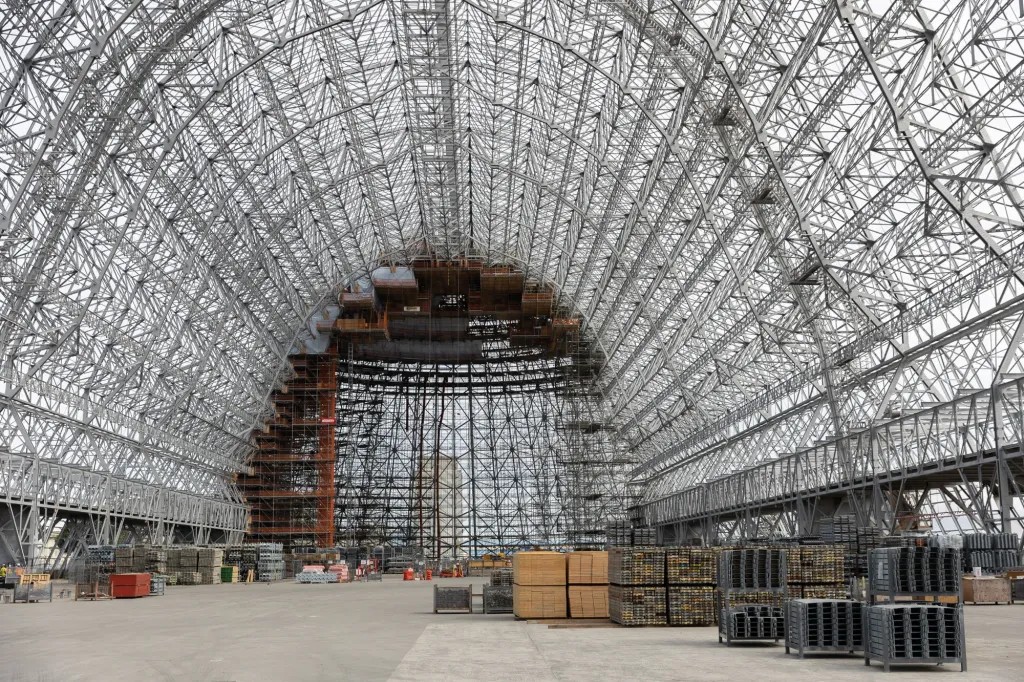
Renovations began in May 2022. Planetary Ventures, a subsidiary of Google, was responsible for overseeing the restoration after leasing the Moffett Airfield in 2014. The plan was to fully remove any remaining toxic chemicals from the structure and refurbish the facility’s exterior. After multiple years and hundreds of millions in investment, the project finished in December 2025.
“We are thrilled that Hangar One will continue its historic legacy for generations to come,” Chris Alwan, Director of Corporate Real Estate at Google, wrote on LinkedIn.
The project preserved an important historical building while enabling the hangar’s future use. Planetary Ventures has pledged to use the hangar for innovation though the community urges for the creation of an educational museum about lighter-than-air aircraft. The building could also resume its original purpose of housing airships.
History of Hangar One
Hangar One was built in 1933 to store giant naval airships at Naval Air Station Sunnyvale, now known as Moffett Field, part of NASA’s Ames Research Center. Hangar One was originally intended as an base on the West Coast for gas-filled vessels for the U.S. Navy’s “lighter-than-air” aviation program.
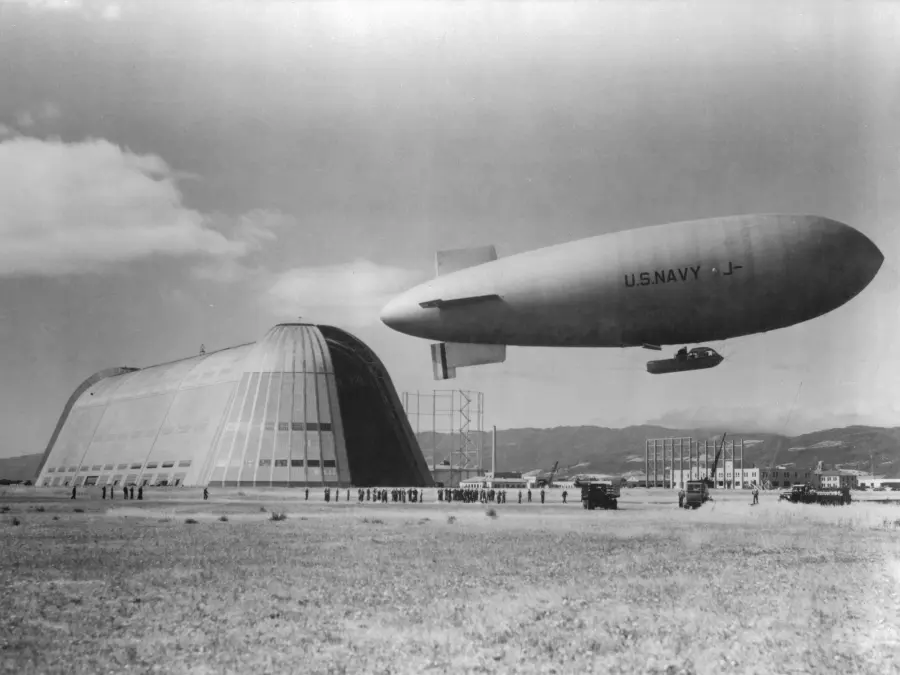
However, after two years, the “lighter-than-air” technology failed when the USS Macon—the original airship the hangar was built for—was lost in a storm due to structural failure. Most of the crew survived the crash, but the ship disappeared in the Pacific Ocean. This incident ended the program and decimated the Navy’s confidence in airships. Without airships, the purpose of the hangar became unclear.
As World War II began, Hangar One adopted a new purpose as a West Coast hub for aircraft storage, maintenance, and logistics. As the war came to an end, the hangar continued to be used as a valuable storage area for small blimps and for general aviation support. During the Cold War, the hangar became a hub for anti-submarine weapons such as depth charges and torpedoes.
By the late ‘80s to the early ‘90s, the need for the base was declining, and Hangar One faced the fate of many U.S. military properties: downsizing under the Base Realignment and Closure program. After decades of use, the future of Hangar One became increasingly uncertain.
Hangar One turned a new leaf in 1994 as the NASA Ames Research Center took control of the structure. Instead of being used as an Army storage unit, the hangar was transformed into a center for aeronautics research, supercomputing, and human space flight support. The Airfield was also useful for experimental aircraft.
In 1997, environmental testing revealed that Hangar One was exposing toxic chemicals into the surrounding area. Government-sponsored tests discovered that these chemicals included PCBs (Polychlorinated Biphenyls), industrial chemicals banned in 1979 that were used in old-fashioned sealants and coolants. The government found the PCBs in the walls and soil around the hangar. This discovery, along with asbestos found in the beams, caused Hangar One to be shut down in 2002.
In 2010, the exterior of Hangar One was removed by the Navy, leaving only the steel frame. Locals found this eerie “skeleton” of Hangar One haunting and post-apocalyptic.
Now with its renovations complete, the hangar will be back in use again. Its exact purpose is still undecided, but Hangar One will return to being an icon of aviation.