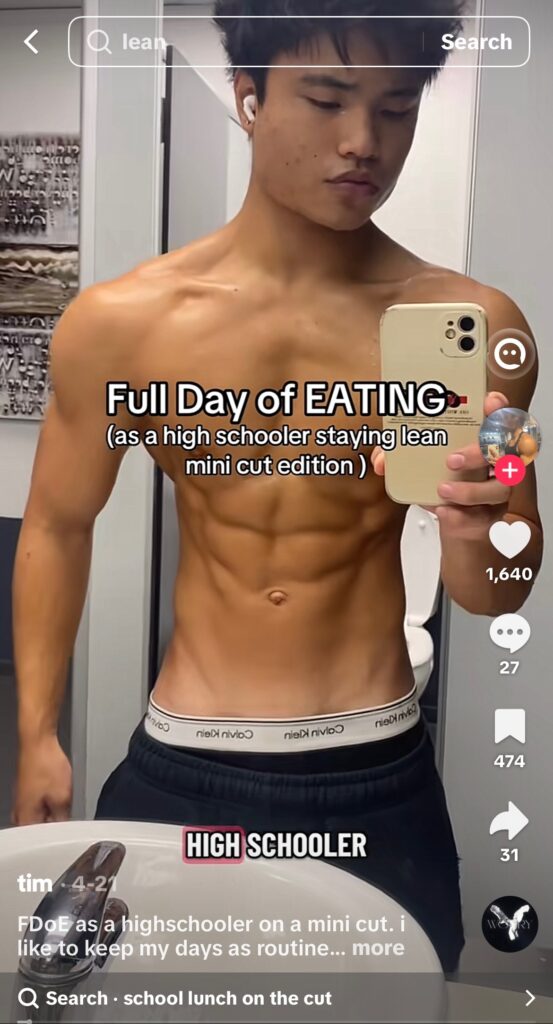
For decades, the national conversation surrounding eating disorders and body dissatisfaction has focused almost exclusively on young girls. However, with the rise of social media there has been an adamant switch that puts pressure toward teenage boys, which trades filters for “fitness” and thinness for the concept of “bulking.” While the public often overlooks how male eating habits are influenced by media, platforms such as TikTok and Instagram have created a gym culture that experts say is driving a silent increase in muscle dysmorphia among adolescent males.
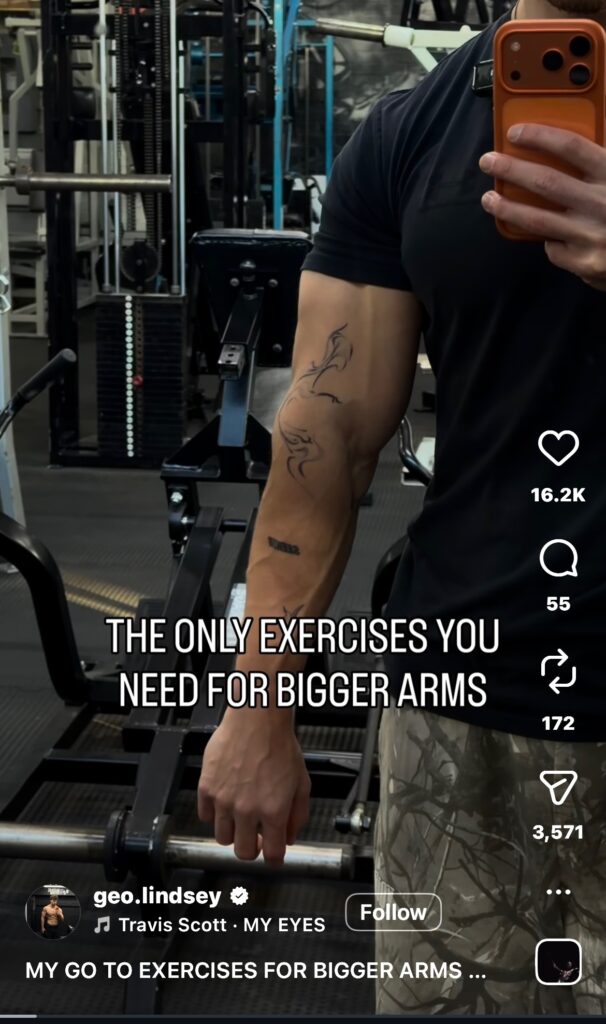
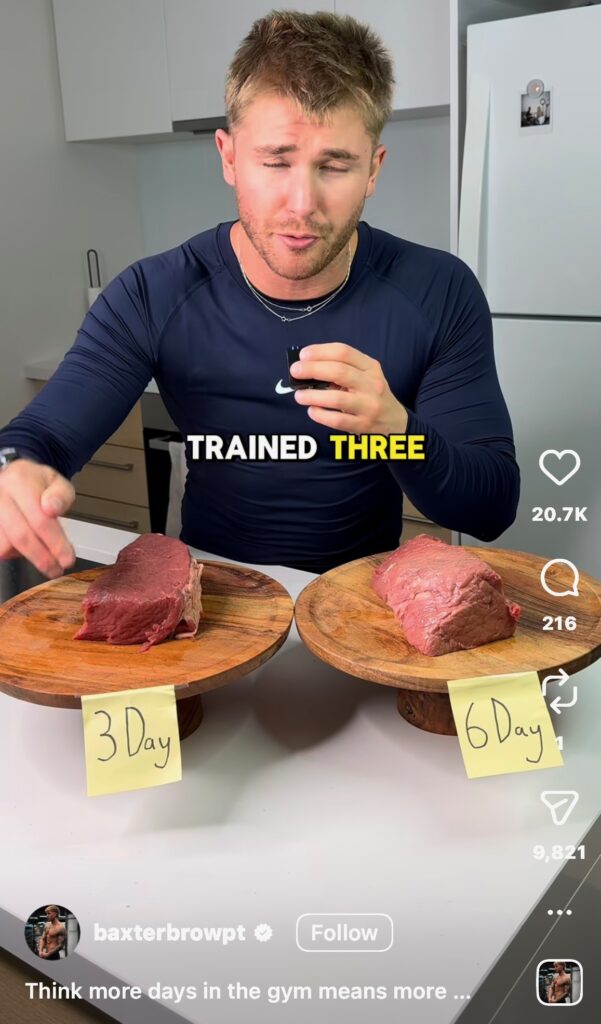
For young boys, the scroll through social media often means a constant encounter with “hyper-muscular” influencers who claim to know the secrets to the perfect body. They also typically lack the scientific credentials to back their claims up. “I think for teenagers and kids in high school it can [set] an unrealistic expectation, which leads many kids to stupid stuff, like hopping on unsupervised drugs,” an anonymous senior said.
This environment pushes specific expectations onto its young users, who often adopt extreme eating habits to keep up. One senior noted that gym culture has evolved, focusing too much on being strict or exact about dieting. “I think eating habits have for sure changed due to social media,” he said. “I think people, especially boys, feel like they need to eat a certain way nowadays, and I think it gets to a point where it can eventually become a little bit dangerous.”



Dr. Jason Nagata, MD, an associate professor of pediatrics at UC San Francisco, explained that the ideal masculine body is now defined online by being both big and muscular. This has led to a growth in muscle dysmorphia, commonly known as “bigorexia” online. “Muscle dysmorphia occurs when an individual becomes obsessed with becoming muscular. They may view themselves as puny even if they are objectively muscular,” Nagata said.
More recent data from 2024 to 2025 highlights the actual scale of this issue. A 2025 report found that 26% of adolescent boys and men scored above the clinical cut-off for muscle dysmorphia. Additionally, Nagata’s research explicitly shows that nearly one-third of teenage boys report they are trying to “bulk up” by any means necessary, even including adopting dangerous or even life threatening methods.
Other students have felt the impact of these popular trends early on. “I used to kind of compare myself negatively to these people, and I’m just looking at them. I want to be like them,” one said. He noted that the algorithms push out the most extreme physiques, creating a more biased sense of reality. “I feel like it definitely sets very unrealistic standards, because obviously the people who have better builds are going to be more popular, and then they’re going to be on a lot more people’s feeds,” he said.
One of the biggest causes for these eating habits is eating pattern called “bulking and cutting.” These are periods of massive overeating (a bulk) that are followed by extreme caloric restriction (or a cut). This cycle is particularly harmful, especially during puberty. “I guess I used to [bulk and cut], but I feel like, especially for growing teenagers, it’s not good to do that, because you need to have a stable amount of food to grow,” another anonymous senior said.
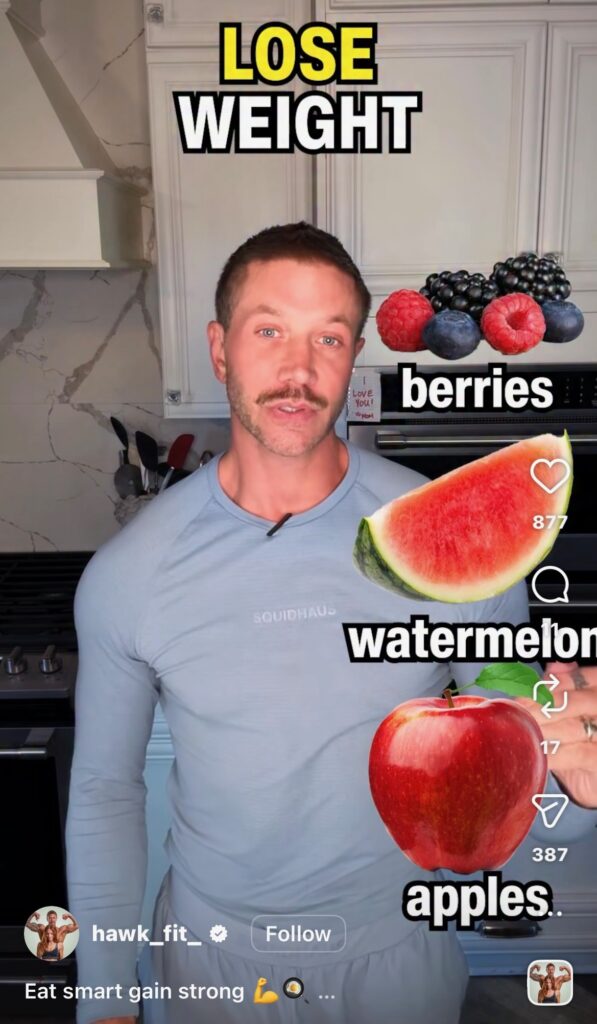
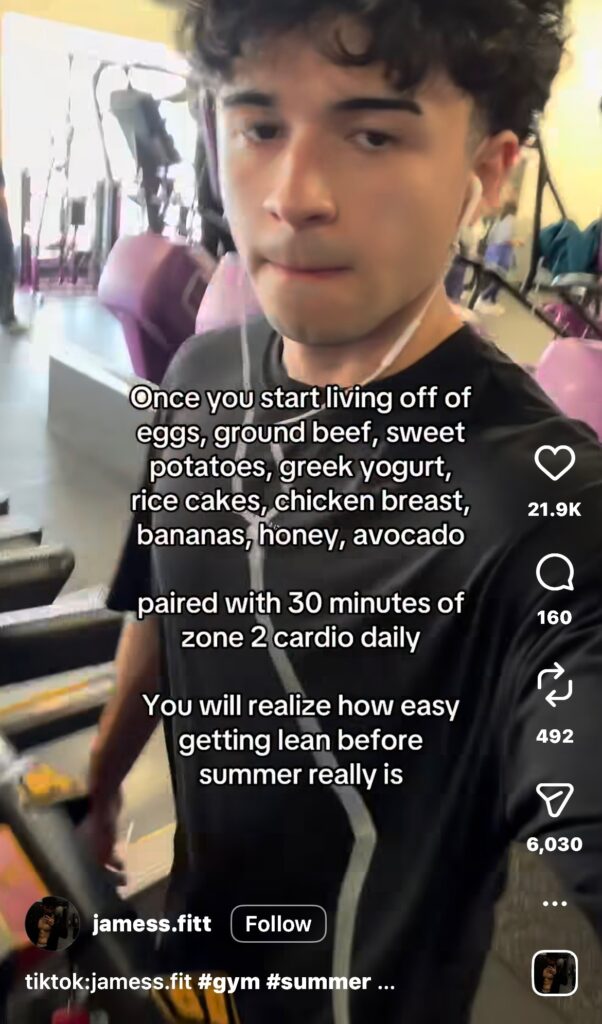
An anonymous junior reflected on the fact that the obsession with needing to be “shredded” and strong at the same time can be a physical standard that is hard for the body to maintain. “I was trying to get really strong and also get really lean, and then I would just basically not gain any muscle at all, because your body needs to be fueled and have more protein, get more food to gain muscle,” he said.
Despite the rising numbers, eating disorders in boys are frequently ignored. “Eating disorders in boys are underrecognized, underdiagnosed, and undertreated. Many people, including health care professionals, are not aware that eating disorders can occur in boys,” Nagata said. He points out that historically, eating disorder research has focused on females, meaning that the medical community often misses the warning signs for eating disorders in males. Even diagnostic criteria for anorexia nervosa included the loss of a menstrual period, a characteristic that automatically excluded boys.
Additionally, the medical complications caused by eating disorders are unique and severe for boys. Nagata’s research documented that malnourished boys often suffer from anemia, zinc deficiency, and Vitamin D deficiency. They also tend to need longer hospitalizations than girls, as their bodies require significantly more energy to undo the damage caused by over-exercising and restrictive eating.
Unhealthy efforts to become more muscular are often overlooked or even promoted because they achieve an athletic look. But behind the facade, teens adopt extreme workouts, restrictive diets, or even use supplements, habits that can negatively impact both physical and mental health. When teens feel the need to match unrealistic body standards they see online, it can lead to effects such as nutritional and hormonal imbalances, weakened bones, chronic fatigue, anxiety, and in some cases, depression.
Although the pressure is intense, some students are trying to find ways to disconnect their self worth from their physique. One noted that he had to step back when the gym started to consume his mental health. “My obsession with [social media] just shattered my confidence, even though I was looking and feeling great,” he said.
He eventually realized that the content on his feed wasn’t helping his progress at all. “I think it did [increase pressure], and then I stopped caring as much about it, when I realized that gym and appearance isn’t the only thing that really matters,” he said.
In order to healthily use social media you need to make a mental change. He believes that the focus on social media needs to be shifted away from comparisons with others and to personal goals.“I think a lot of people compare themselves to people online. And I would just say focus on yourself and make it less me versus everyone else, and more me versus me,” a senior said.