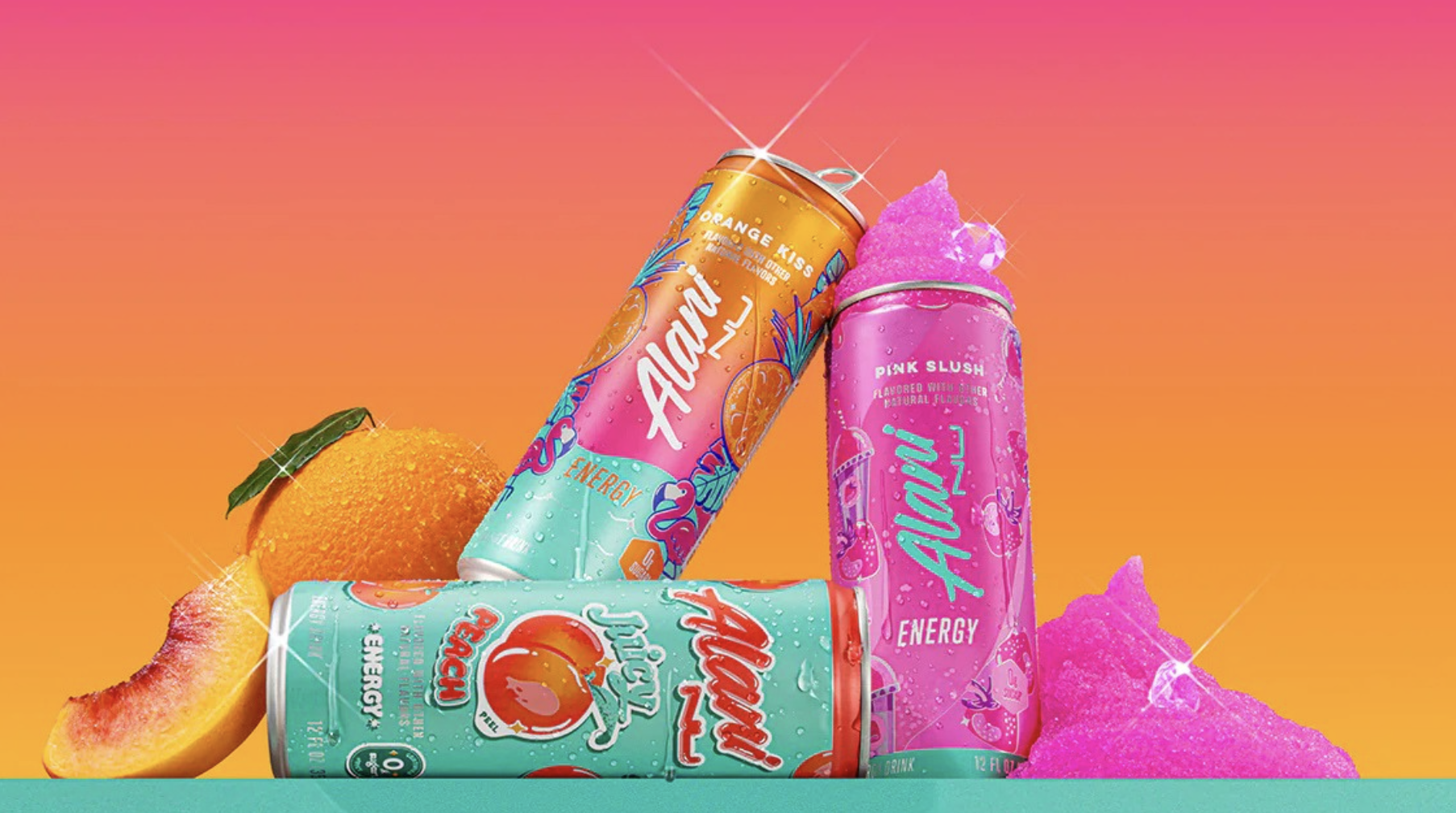
In Oct. 2025, 17-year-old Larissa Nicole Rodriguez passed away from an enlarged heart due to excess caffeine consumption. On April 8, 2026, Rodriguez’s family filed a wrongful death lawsuit against Glazer’s Beer and Beverage. The company is a distributor of many energy drinks, including Alani Nu, the one that led to Rodriguez’s death. The family is seeking more than $1 million in damages.
Celsius Inc., which owns Alani Nu, responded to Rodriguez’s death.“[We are] saddened by this loss, and our thoughts are with the family. We take product safety seriously and believe consumers should have clear information about what they are drinking.” Celsius Inc. is not a defendant in the lawsuit.
The family alleges that Alani Nu does not advertise sufficient warnings, such as consumption limits and other health risks. Alani Nu cans solely disclose that there are 200 mg of caffeine per 12-oz can and that it is “not recommended for children, people sensitive to caffeine, pregnant women, or women who are nursing,” according to the label on the can.

Benny Agosto Jr., the family’s attorney, stated that Rodriguez initially began drinking Alani Nu due to its popularity on social media. She later started posting about the drink herself, resembling influencers.
Although Celsius Inc. has claimed that they do not market to anyone under 18, the family alleges that the company uses social media to market to minors and trap them in cycles of addiction.
Biology teacher Patrick Roisen acknowledged the addictiveness of these energy drinks, as students rely on them to recover from lack of sleep. “Even if they do try to cut down, they’ll start suffering withdrawal. Like I said, that’s great for the energy drink companies, they get to trick their customers into drinking more of their product—caffeine also makes you pee more, so you’ll get more thirsty, so you’ll want to drink even more,” he said. “And if they can create a chemical dependency while the brain is still developing, they’ve got a prisoner, I mean, customer for life who feels like they’ve no choice but to give the company money.”
This reliance on Alani Nu is evident in some students’ daily routines. “I probably have an energy drink every morning. I have an Alani 100 milligrams of caffeine. I like them because I feel like it gives me a wake-up in the morning. It kind of forces me to start the day,” junior Maddie Mosso said.
Rather than relying on these artificial boosters, Roisen urges students to address their fatigue. “My number one advice to teens is to ask themselves why they need the energy drink. The teenage years are the ones when your body should be brimming with the most energy unless your body is suffering a health issue or you’re not getting enough sleep,” he said. “You’ll feel less emotional drama in your life if you get your nine hours of sleep. You’ll be less sick, feel better, grow taller with better muscles if you get your nine hours of sleep.”
Mosso noted that aside from the energy boost, the brand’s appeal lies in its taste. “I do love Alani, I feel like they have kind of the best flavors. I’ve tried Celsius, I’ve tried Red Bull, but overall, I just feel like Alani has that kind of sugary taste that I’m looking for in the mornings, because I don’t want something that’s not going to be fun to drink,” Mosso said.
However, news of the Rodriguez case has forced some students to rethink their habits through a different, more cautious lens.
Junior Avery Kerst shares a similar history to Mosso, having started drinking Alani during a huge rise in popularity around Celsius and other energy drinks in eighth grade. Kerst acknowledged that the physical side effects are often widely known among users. “I’ve definitely heard that they can cause you to shake and make your heart beat faster, especially brands like Celsius and Alani because they have so much caffeine in just one can, but I haven’t really noticed that in myself,” Kerst said.
Despite awareness raised by the lawsuit, some students remain skeptical of placing the blame entirely on the brand. Both Mosso and Kerst pointed to extreme overconsumption habits as the primary factor. “I heard about the lawsuit, and the thing I was most surprised about is how she was drinking around six a day, which is just outrageous in itself,” Kerst said.
Kerst believes that by high school, students should understand their own limits. “I think it’s safe for people in high school to drink energy drinks because by then you should have a pretty good understanding of your body and how caffeine affects you, but before then I don’t think kids should buy them or be drinking them,” Kerst said.
While the lawsuit raises questions about corporate responsibility, high school students continue to be enamored by Alani Nu for its flavorful energy boost. As energy drinks continue to grow in popularity among teens, Rodriguez’s death could prompt consumers of Alani Nu to reflect on their habits and take a closer look at the health risks surrounding caffeine consumption.