Hundreds of community members gathered at Courthouse Square on Sunday evening for Fiestas Patrias, Redwood City’s annual celebration of Mexican heritage and independence. The festival featured the raising of the Mexican flag, performances from baile folklorico and mariachi groups, dancing, speeches, and El Grito de Independencia, a Mexican tradition where someone reenacts Miguel Hidalgo’s call to arms against the Spanish Empire. Overall, the fiesta provided a joyful space to celebrate Hispanic heritage and demonstrate cultural pride.
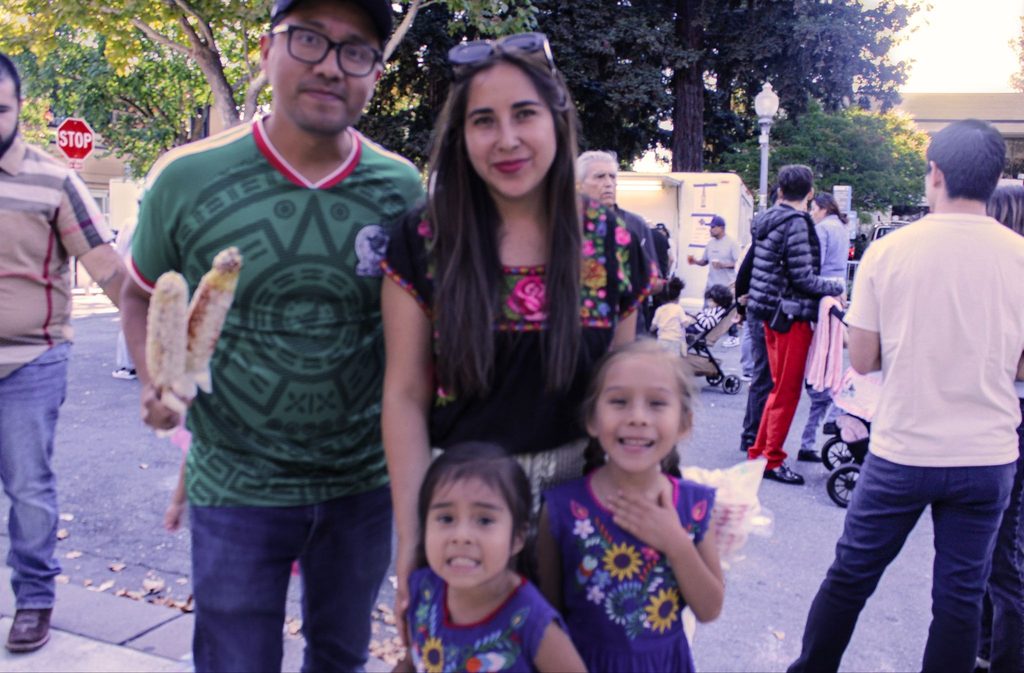
The festival began with speeches from the event organizers, including 16-year event facilitator Connie Guerrero. “It’s very important to have events like this to celebrate our culture, our traditions,” Guerrero said. “It’s very exciting, because people that aren’t able to go back to Mexico have a little bit of Mexico here.” Telemundo reporters Johanna Ochoa and Miryam Villarreal also attended the event.
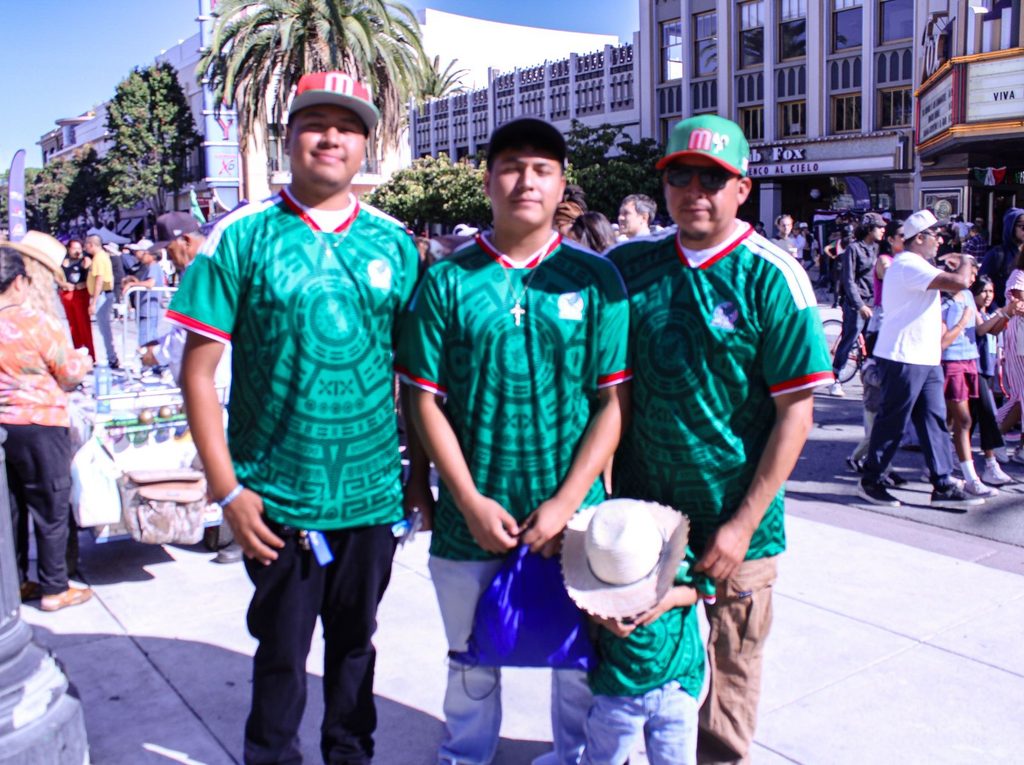
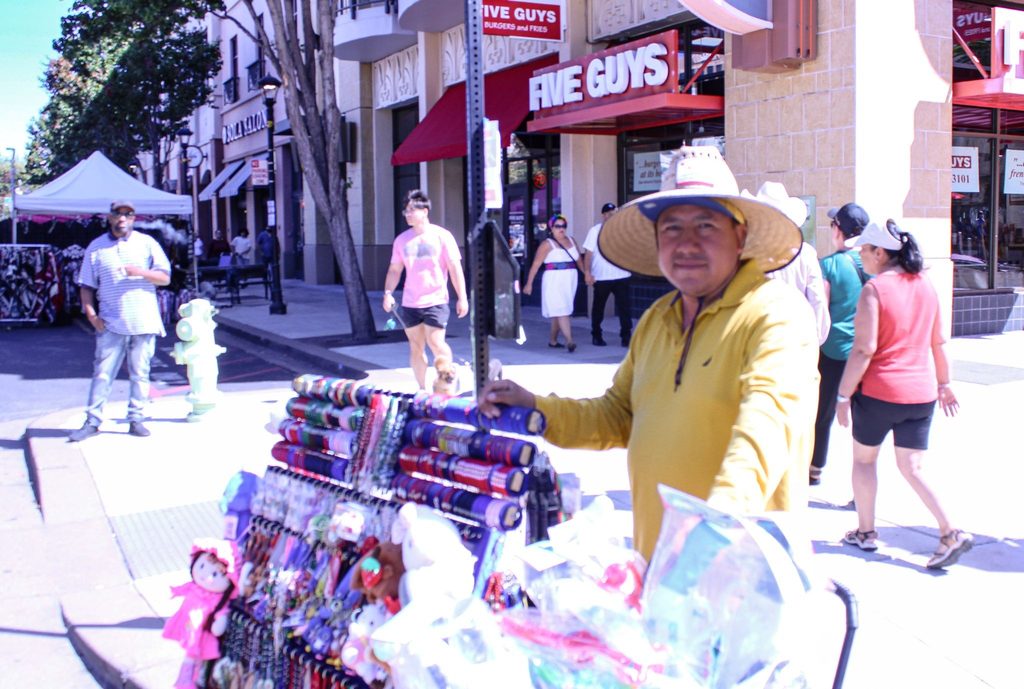
Vendors lined booths on the closed-off streets surrounding Courthouse Square, selling items from Mexican handicrafts and traditional clothing to jewelry, toys, balloons, and fresh produce. Festivalgoers could also enjoy popsicles, elote, tacos, and freshly cut coconuts.
One attendee was M-A alum Katy Bailon ’17. “Even though we’re far from home, there is still a home here,” she said. “It’s one of the times where you feel your culture not just in passing moments, but all together in one whole day.” Bailon noted that the impact of this year’s celebration is elevated due to national politics. “[There is] a lot of fear within the Mexican community. I think that everybody’s been afraid to celebrate or to say, ‘Yeah, no, I am Mexican,’ or even wear the Mexican flag at times,” she said.
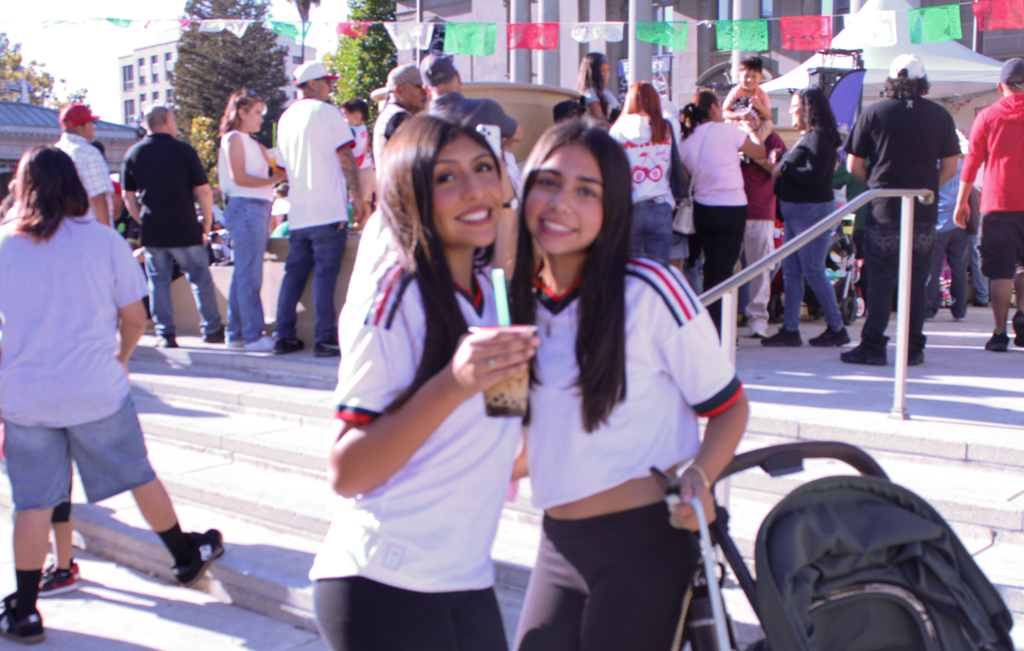
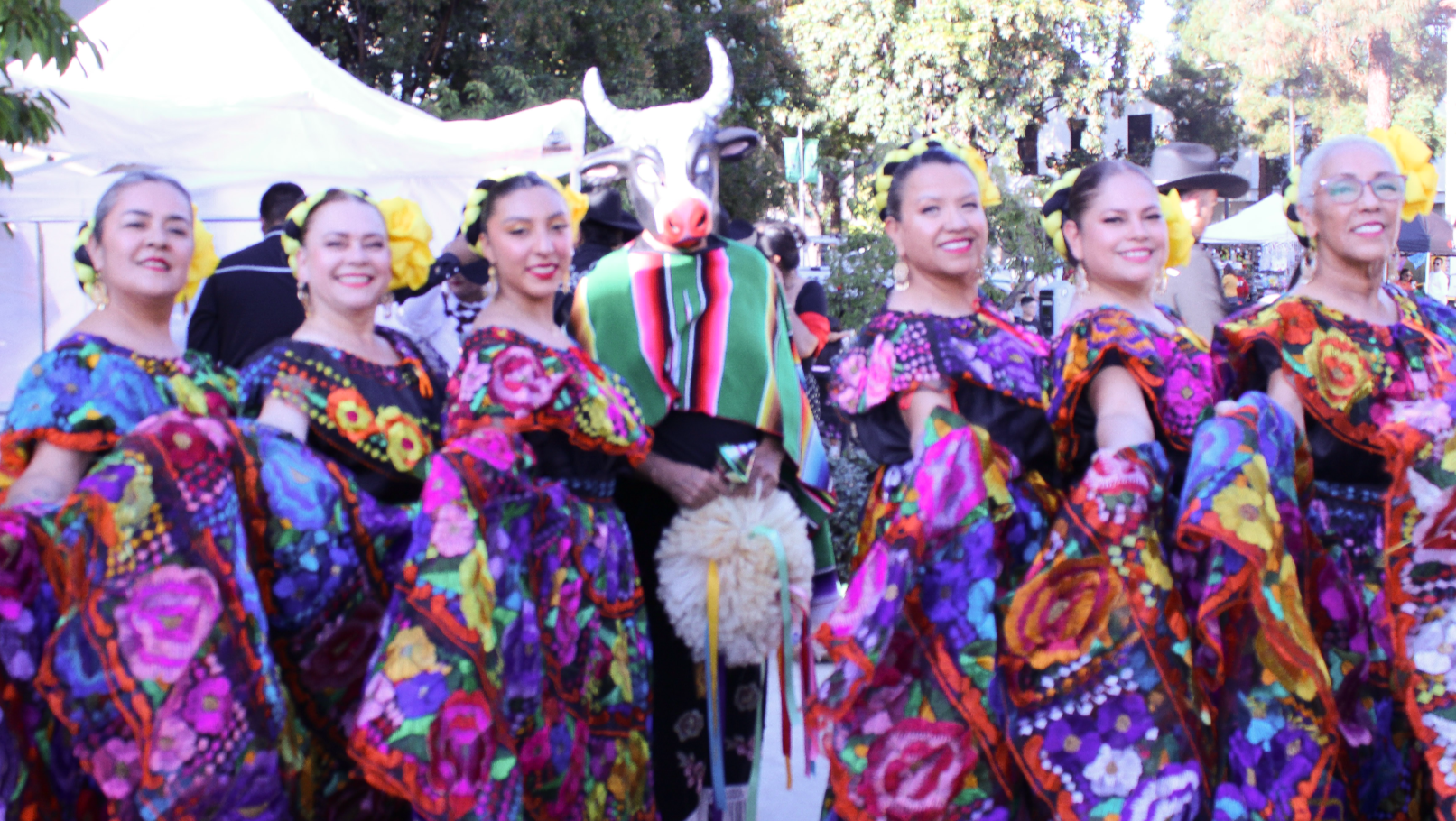
Three hours of the event were dedicated to performances in Courthouse Square. Mariachi bands, colibrí dance groups, and baile folklórico groups performed nonstop. The performers were of all ages, and the massive crowd around the stage was remarkably energetic. Children sat on their parents’ shoulders, admiring the dancers, elderly couples danced to the music, and dancers joyfully shouted “Viva México!”
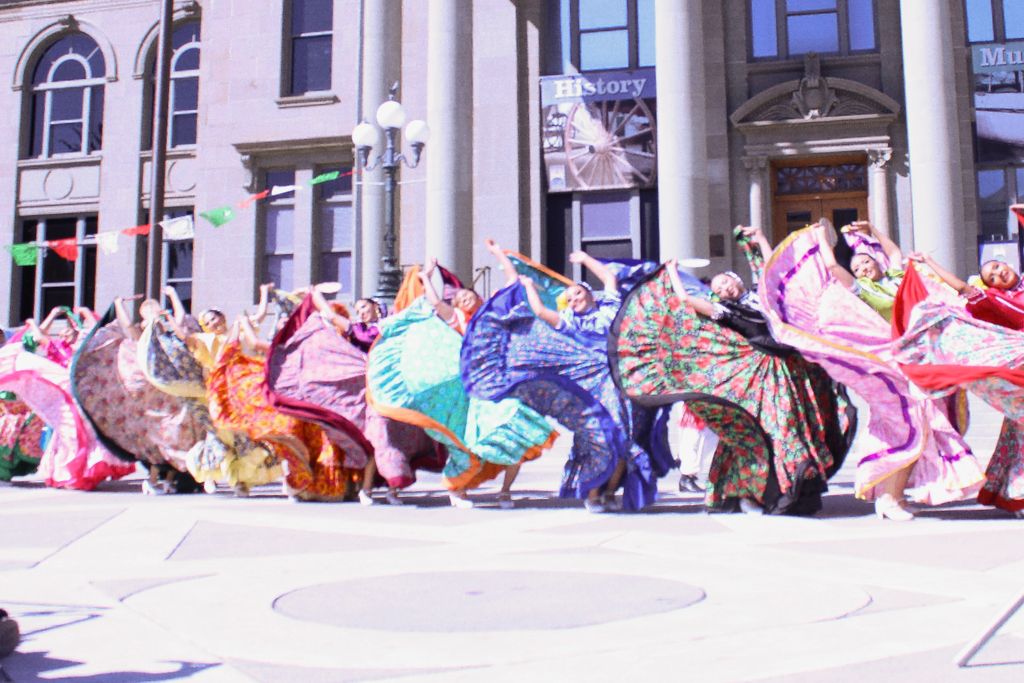
One baile folklorico dancer was M-A alum Samantha Gamez, ’17, a member of the dance group Mexico Vivo. This marked her ninth year dancing at Fiestas Patrias. “[Performing for the community] is a way to honor the state of Mexico. We can all come together and celebrate because we’re all one,” she said. “With the current social climate, there’s a lot of negative views towards Latinos and Hispanics. It’s important to take a step back and realize that not everybody is like that.”
Gamez added that last year, she was afraid to attend because of fear of Hispanic oppression. “But I’m here today, proud to showcase the Mexican culture,” she said.
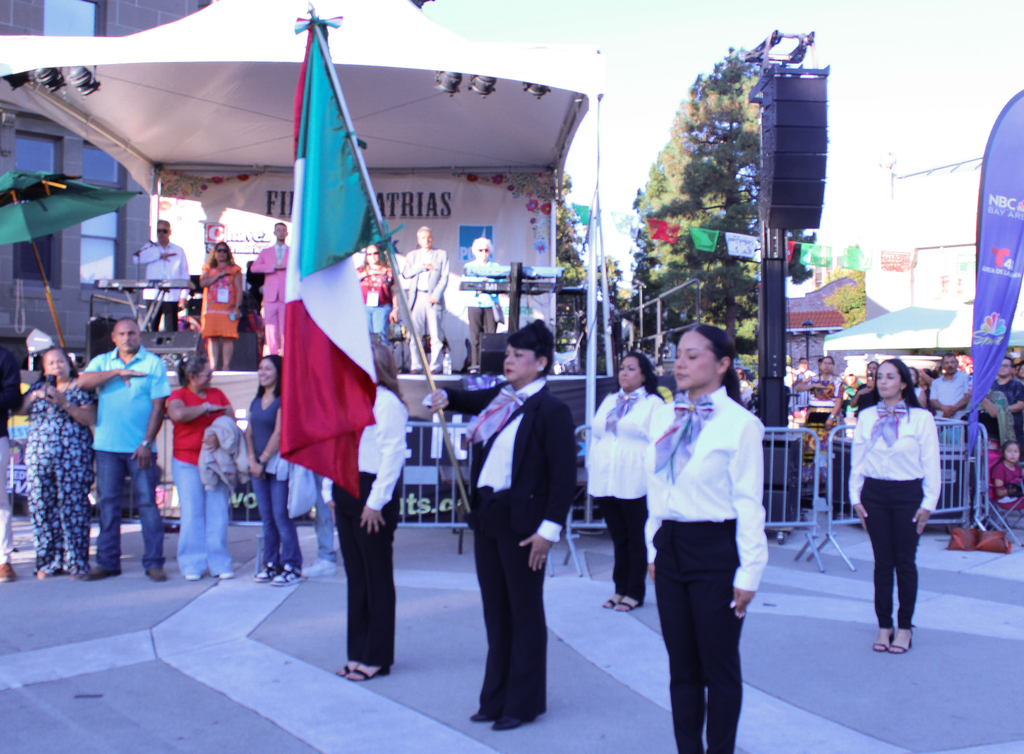
The final event was the Flag Ceremony. Mexican diplomat Marco Antonio Mena Rodríguez and Redwood City’s Mayor, Elmer Martínez Saballos, walked the American flag down an aisle and up the steps to the top of Courthouse Square. There, Mayor Martinez and Consul General Rodriguez each gave speeches fully in Spanish, emphasizing the significance of the event and the pride they both have in the community.
Then, the escolta de bandera, a prestigious, military-style group that marches in formation to protect and ceremonially carry the Mexican flag, marched down the aisle and gave the flag to Rodriguez. Redwood City chose to honor Mexico’s President Claudia Sheinbaum’s unprecedented all-female escolta de bandera by including an all-female escolta of their own. When given the flag, Rodriguez gave the traditional Grito de Independencia, even addressing the crowd “Mexicanas y Mexicanos”—females first, an unusual and forward-looking phrasing.
“Viva Mexico,” he shouted. “Viva!” The crowd shouted in response. “Y que viva Redwood City!” “Viva!” The crowd erupted into cheers and applause.
For the hundreds who gathered in Courthouse Square, Fiestas Patrias was not only a celebration of Mexican independence but a space to embrace Hispanic culture, pass traditions on to younger generations, and find strength in community. In a year that has sometimes been marked by fear and uncertainty, the festival celebrated Hispanic culture, offering unity and hope.