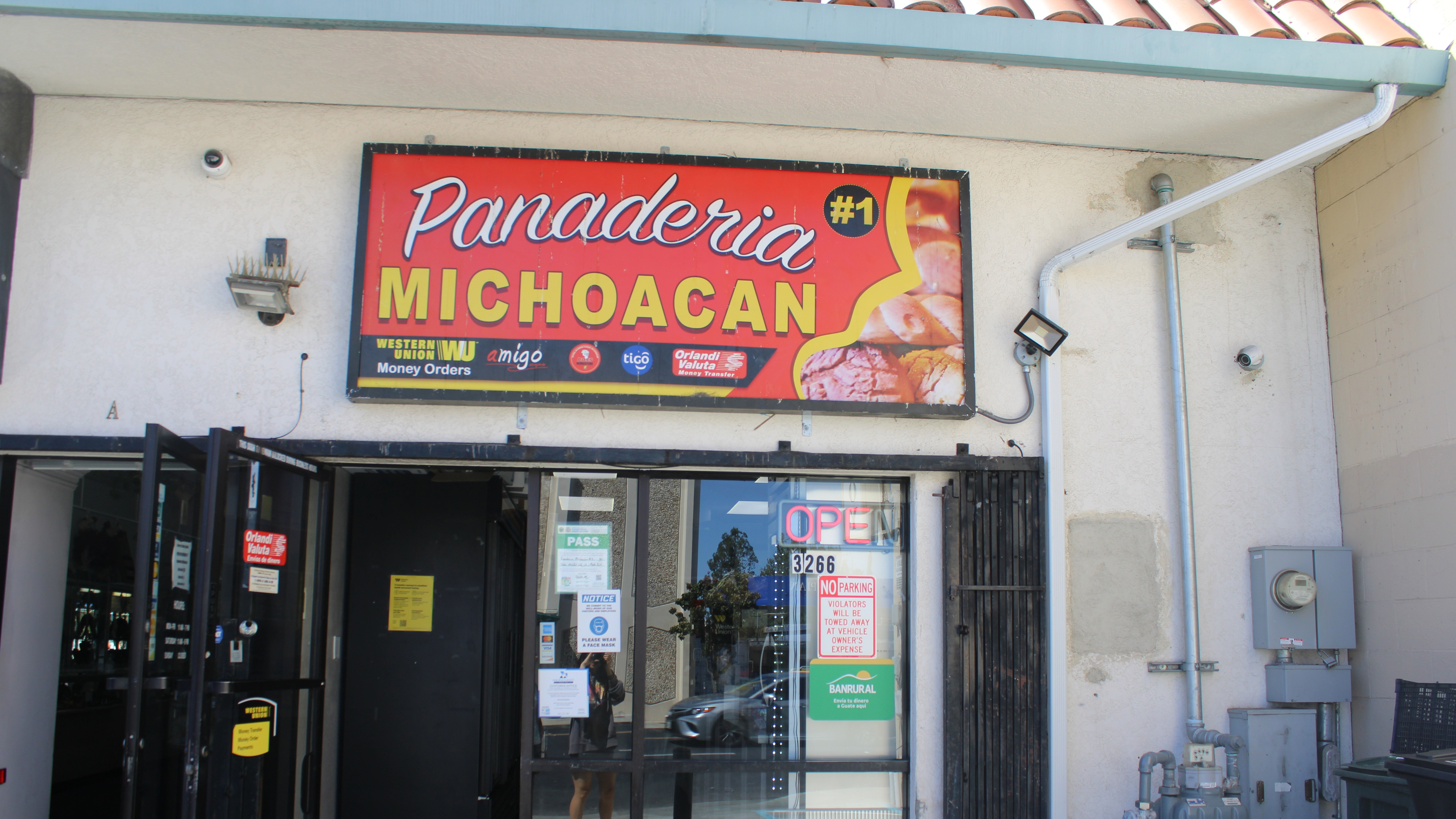
Redwood City is home to more people from Aguililla, in the Mexican state of Michoacán, than people living in Aguililla itself. “Our community here is really little Mexico—little Michoacán,” Pedro Baez, the owner of Panadería y Taquería Michoacán, a family-run restaurant in Redwood City, said.
Baez’s late father started the restaurant in 1991 after he and his wife emigrated from Aguililla. The family business has operated as a combined restaurant and bakery since.
Born and raised in Redwood City, Baez grew up loving the kitchen, learning to cook from his mother and to bake from his father. A part of the family business for many years, he began selling his family’s pastries on the street when he was 7 years old.
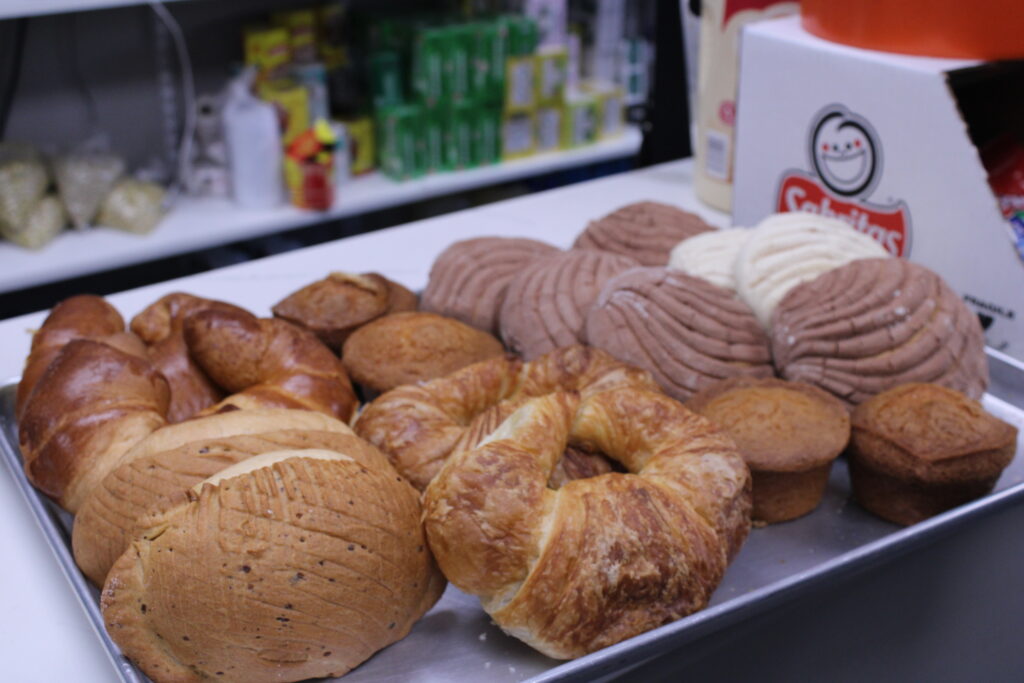
As for the restaurant and food itself, Panadería y Taquería Michoacán does not disappoint. The menu features an array of carefully prepared, authentic Mexican foods, including customer-favorite tacos de barbacoa, chilaquiles, and pozole, as well as tortas de huevos con jamón and huevos rancheros, a typical breakfast food. Mexican pastries, including conchas, are sold separately at the counter. All the food is made using unique Baez family recipes.
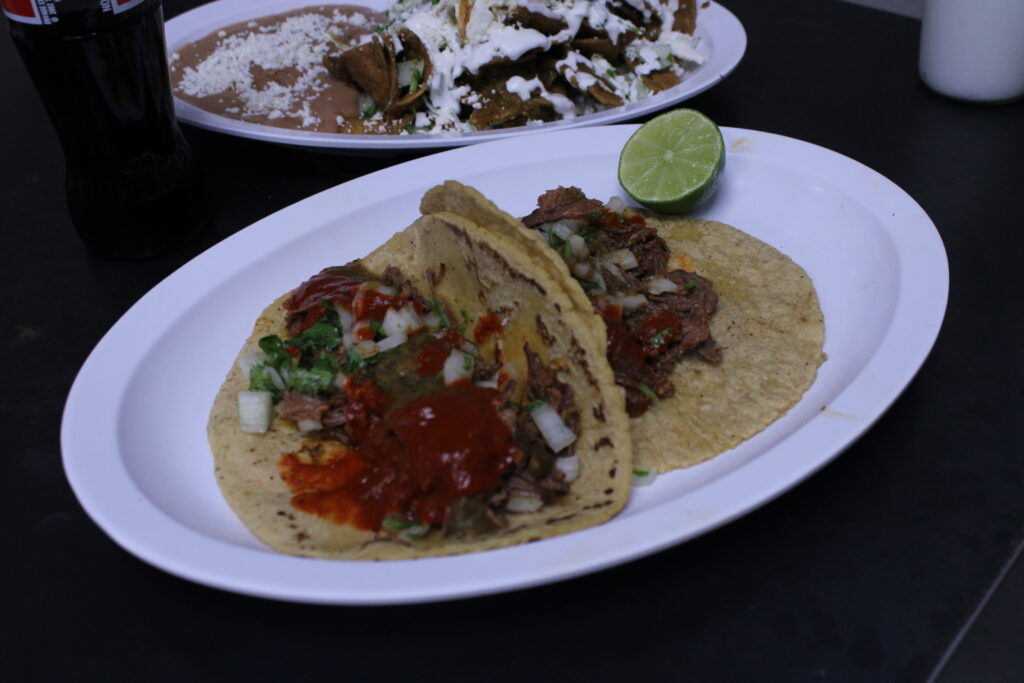
Taco de barbacoa (left) and taco asado (right), with handmade tortillas, flavorful, smoky meat, and fresh salsa. 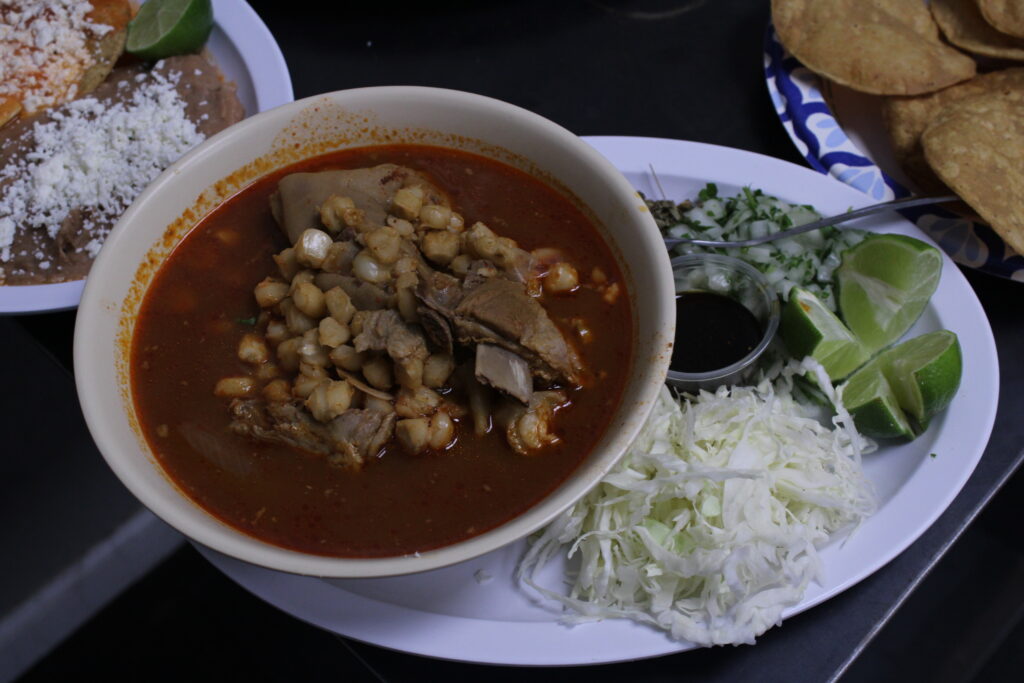
Rich, savory pozole, with tender meat that falls off the bone and soft hominy, plated with fresh condiments. 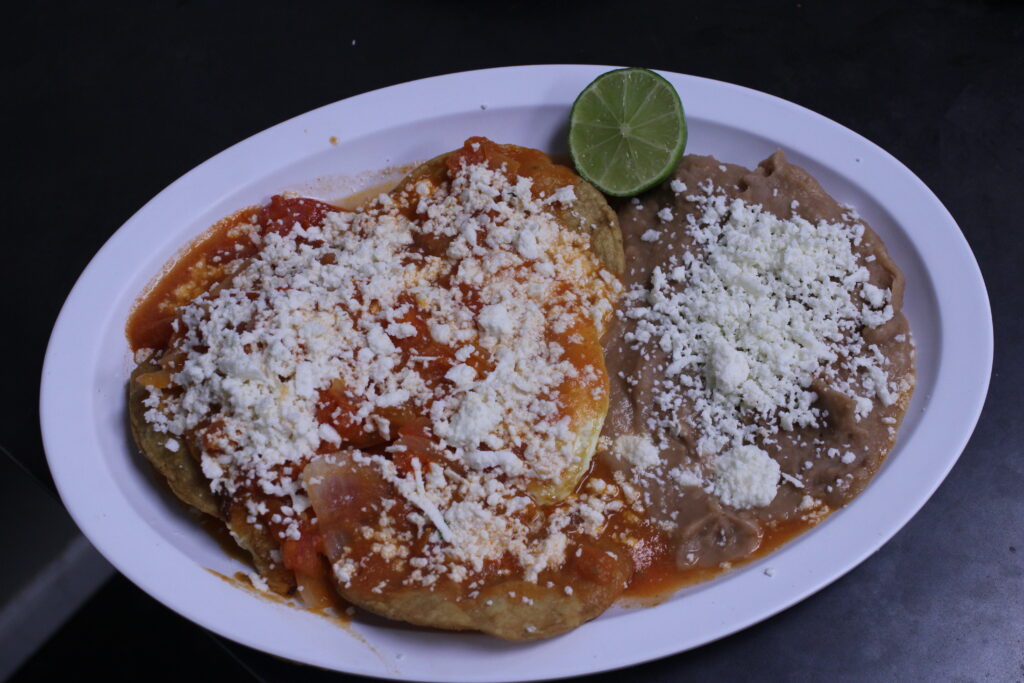
A heartier take on Huevos rancheros, a classic Mexican breakfast: crispy fried tortillas, refried beans, fried eggs, and fresh ranchero sauce, topped with a generous layer of queso fresco.
But there’s more to Panaderia Michoacán than its cuisine; the restaurant reflects Redwood City’s Little Michoacán hospital community and culture.
“If somebody’s hungry and they have nothing to eat, I will offer a piece of bread or a couple of tacos. I do that all the time,” Baez said. When Spanish-speaking neighbors receive paperwork in English, he often helps translate and fill it out.
Such values can be traced back to his father, who passed away in 2016. “He would help anybody he could,” Baez said. “If there was a plate of food and somebody was hungry, he would give that plate away and not eat himself. And when the Reagan administration gave out 5 million to have permanent residence, people [asked] my dad for a signature.”
Maria, the head chef at Panadería y Taquería Michoacán, emigrated from Michoacán five years ago with her daughter. She attested to the strength of the Redwood City community, having relied on it for support when her daughter gave birth and during her husband’s battle with cancer. “My best memory is how they welcomed my daughter and her children. They opened their doors to us here, and that was the most beautiful thing to me,”* she said.
“There are lots of job opportunities, and so much support, whether it’s medical, food, clothes, or shoes. There’s support for your kids, support for single mothers,” she said.
Redwood City’s Latino community has grown more diverse. What began as a few immigrant families has developed into a complex, united neighborhood. “[Where] we landed [is where] our communities grow. We start bringing our people,” said Baez. “We have a bit of everything. We have a lot of Latin America here. We have a lot of people from Guatemala, El Salvador, Honduras, Nicaragua, Venezuela, Colombia, Peru.”
Having lived in Redwood City his whole life, Baez has noticed change in the community over time. “[The newer generation] is being more educated,” he said. “They’re not being rough, they’re paying attention. They want to live a better life and take the opportunity of being in the United States.”
Baez looks forward to the continued community expansion. “Hopefully, [immigrants] keep coming, and [someday] they’ll have legal status where our community keeps growing for good,” he said. “We welcome everybody. We help each other out. Doesn’t matter who you are, what you are, or what race,” Baez said.
“The community comes together. As Latinos, we are united; we stand together to support each other—to me, that is really beautiful,” Maria said.
*This quote was translated from Spanish.