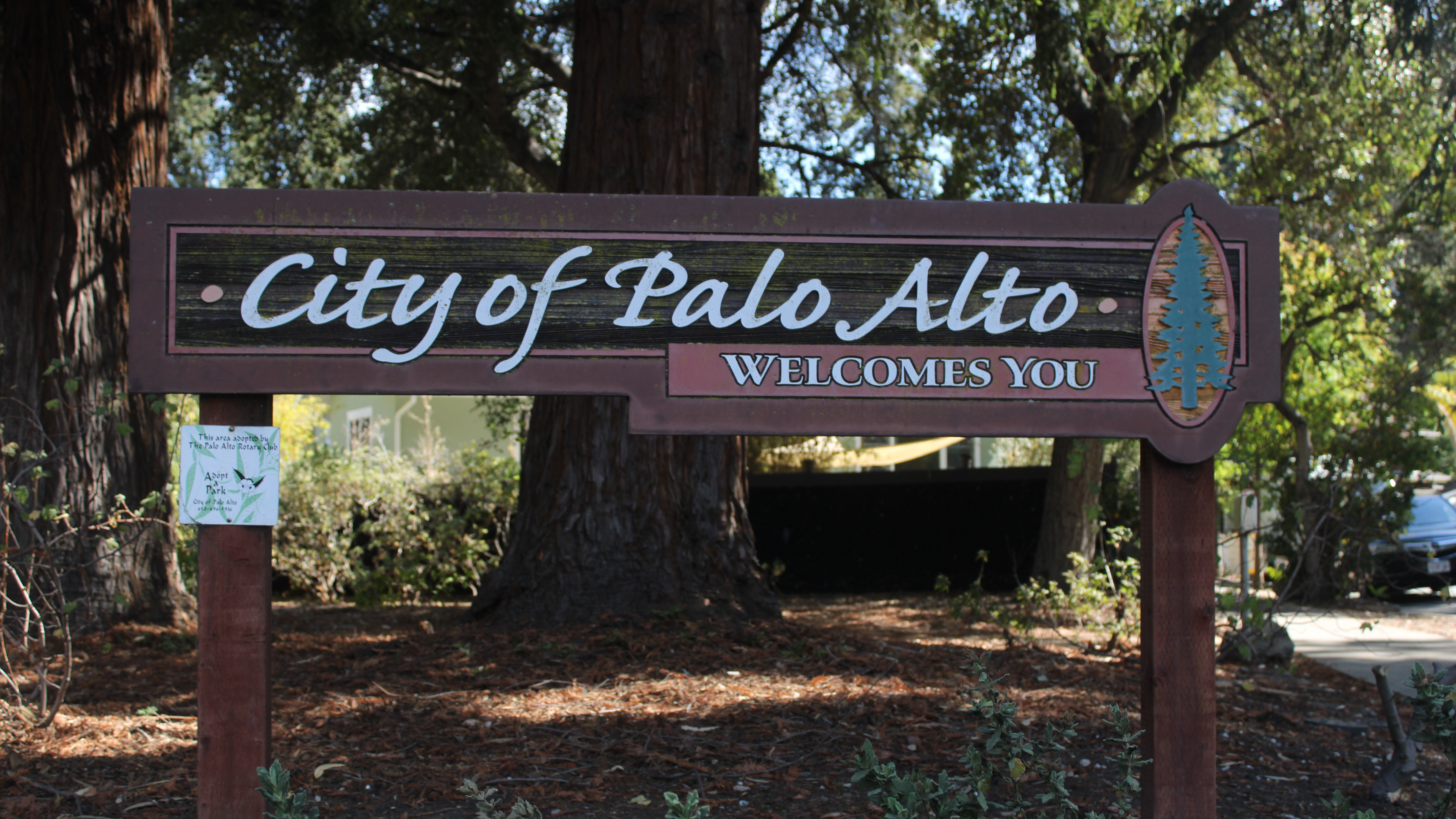
Palo Alto is widely known for its intense, achievement-driven environment. Often recognized for its top-tier high schools and position as the birthplace of Silicon Valley, the city has long been associated with exceptional opportunities. However, these opportunities can come with significant pressure, especially for its youth. It is important to note that although suicide is a complex phenomenon with no single cause, some have attributed such pressures as an explanation for Palo Alto’s history of youth suicide clusters. As a result, the city is a frequent subject of national discussion regarding the expectations placed on high-achieving students, with national media outlets such as the New York Times and The Atlantic covering the issue.
The culture surrounding accomplishment in Palo Alto is shaped by a multitude of factors, and students experience such pressures in different ways. Current and former students at Palo Alto High School and Gunn High School describe an intense culture in which achievement, comparison, and expectations can be difficult to escape.
“Even in casual conversation, we’re always bringing up tests and stressing about grades,” Paly sophomore Iris Liao said.
“Many students automatically think [that] people should take the highest level of classes, such as the highest lane of math, assuming someone takes honor classes without asking, things like that,” Doyoon Kim ’26, a Gunn graduate currently attending the University of Pennsylvania, said.
“Right before I started my senior year, I was told by some adults and friends that I may not have enough APs to get into college,” Kim said. “I seriously considered adding [two] more APs because of the amount of ‘advice’ I was getting from other people.”
Students say peer pressure is another major contributor to stress. For many, one student’s accomplishments can quickly become the standard, resulting in a community in which no achievement is enough. In schools such as Paly and Gunn, the environment seems to fuel a perpetual academic arms race.
“[When] all their peers do a lot of very competitive things, it makes them feel pressured to do more,” Paly junior David Lian said. “Say that a bunch of people around you [are] doing math competitions, you will try to do it too.”
“[Students] see their peers overachieving or outperforming them, and then parents also see that, so they’re just like, ‘Oh, you need to do more, you need to be better than them,’” Paly sophomore Claire Rao said.
Gunn junior Gabriel Lopez believes that this demanding hustle mentality could stem from familial influence. “I think [this] culture comes from the Silicon Valley mindset. In order for parents to live here, they have to work very hard. Those parents then teach their kids to work in the same ways,” Lopez said. “There’s this idea that they come with that if you work hard enough, you’ll get where you want to go.”
In the eyes of many students, this pressure extends beyond academics, often shaping students’ interests and well-being.
“There are so many other sources that can disturb one’s mental health that I think are really overlooked as everyone is going through their adolescence,” Kim said.
While students describe real frustrations regarding academic pressure and school support or lack thereof, several also pushed back against the perception that Palo Alto students are defined entirely by competition.
“I think a lot of outsiders think student culture is toxic and people are just so deep into competition, but I don’t think it’s necessarily true,” Kim said. “Many of my peers were very supportive of one another, and I think the toxicness was from a maybe vocal minority.”
Students don’t all necessarily see themselves as defined by competition. Beneath the grades, college applications, and expectations to succeed, they are, ultimately, still teenagers trying to figure things out like anyone else.
“We’re just regular students trying to do our best in a cutthroat, competitive environment,” Liao said.