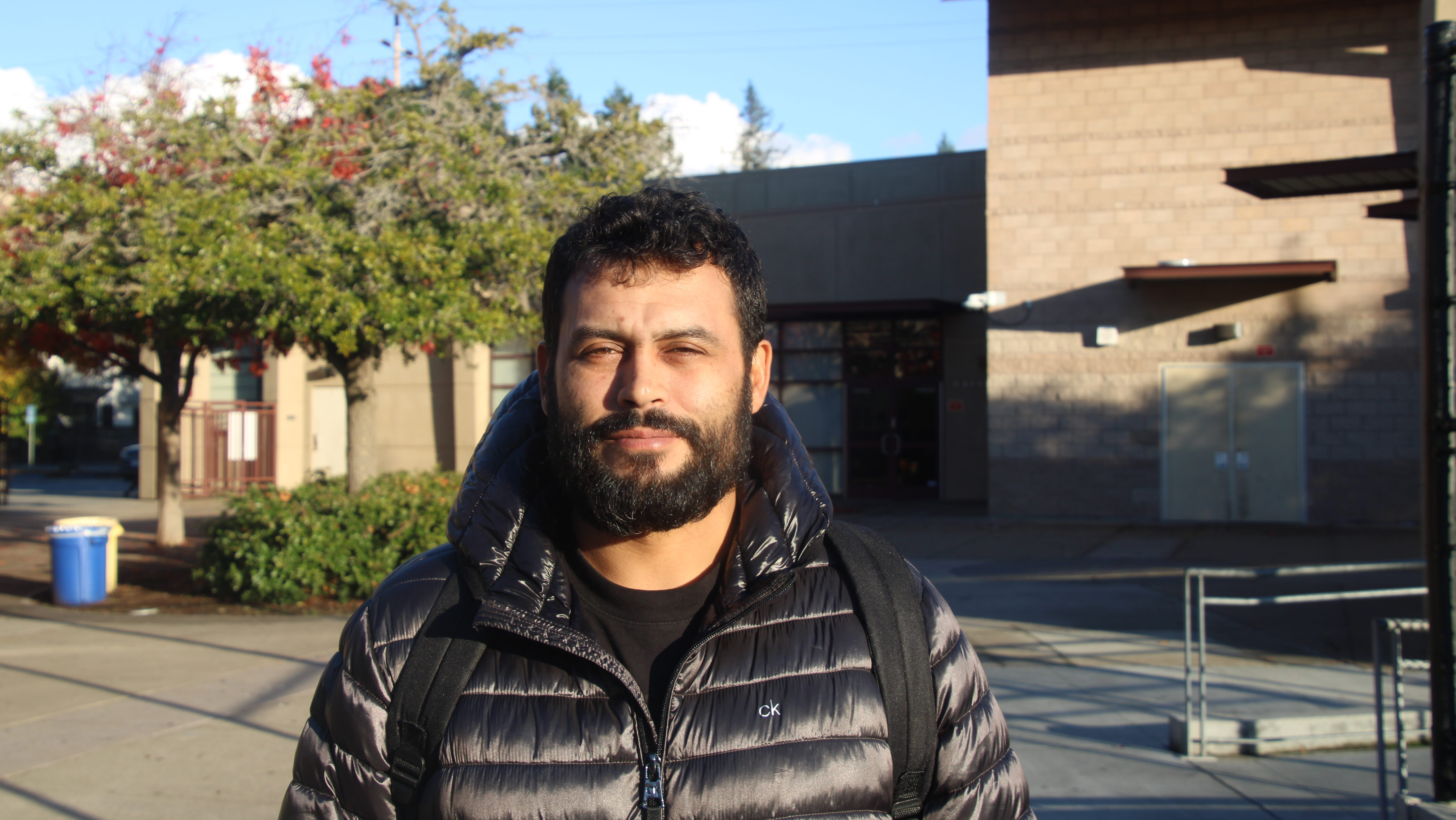
Paul Barbosa is a campus aide and paraeducator at M-A. He can be found dishing out fist bumps in the halls or working with his special education students in D-4. But before working at M-A, Barbosa was a professional goalkeeper, playing for various clubs in the United States, Mexico, and Europe.
At a young age, Barbosa was surrounded by soccer. “[It] started by my dad taking me to watch him play and playing with my friends,” he said. “Growing up, it’s very much through my environment.” Barbosa’s biggest inspiration was Mexican goalkeeper Jorge Campos, who led Mexico to both the 1994 and 1998 World Cups. “Him being 5’6’’ definitely motivated me because I was short at the time, and that definitely gave me my motivation and my wings to be my own goalie,” Barbosa said.

Barbosa played for his first competitive team, the MP Strikers, under M-A boys varsity soccer head coach Brian Mansell. “[It was a] horrible team, but I think that’s what makes you better because you have to learn, you have to adapt if you want to be able to learn,” he said.
Barbosa attended Woodside High School and participated in football, track, and soccer all four years. During these years, Barbosa continued to play club soccer, which surrounded him with talented players. “[I] played with a lot of players who made it pro,” he said. “It was definitely a lot of experience in competition growing up.”
In high school, Barbosa thrived as a goalkeeper, receiving numerous college offers. Despite this, he chose to forgo playing in college to try out for the third-division professional team Tecos FC in Guadalajara, Mexico.
Barbosa made the team and played there for three months, until his coach came in one day and said he had to let the whole team go. “He’s like, ‘All right, guys, we want to thank you all for your dedicated time and efforts, but we’re gonna have to let you all go. Good luck on your future endeavors.’ And the entire team got let go that day.”
“You have to handle it as a 17-year-old alone in Mexico. There are a lot of people that quit. It’s hard because it’s very businesslike, very cutthroat. So you have to have strong discipline and desire to be able to make it,” Barbosa said. “You can’t just be good. You have to be professional at all times, and have to want more than the guy next to you.”
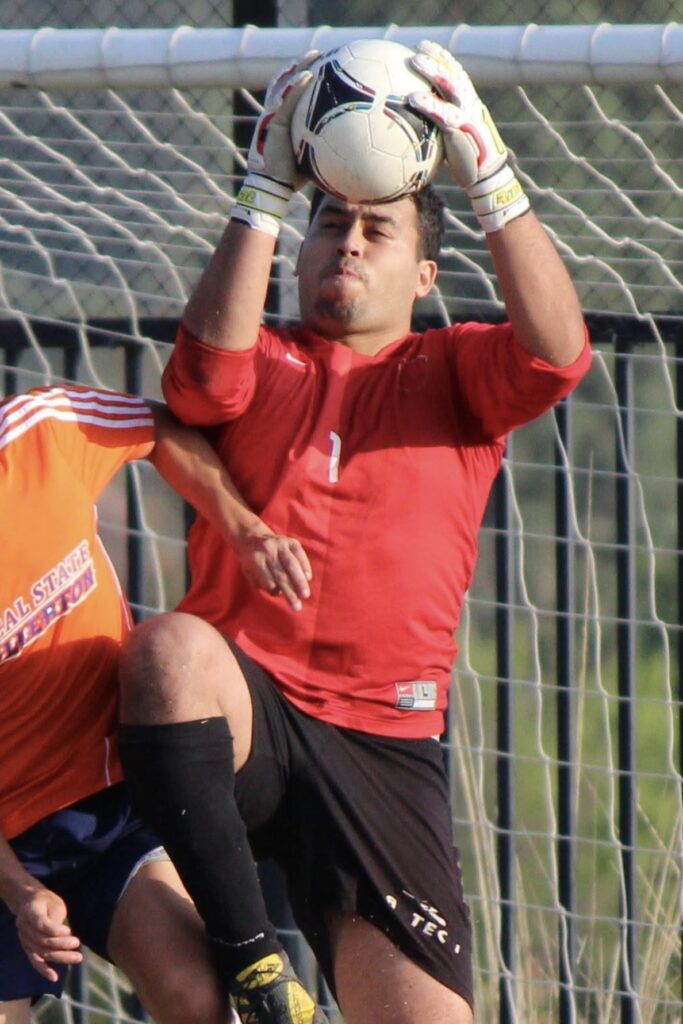
After leaving Tecos FC, Barbosa and his cousin tried out for Académicos de Atlas, a Mexican second-division team in Jalisco. They both made the team, and Barbosa played there for a year before trying out for pro teams in Europe. He tried out for the first-division Italian team Parma, then he briefly trained with the fourth-division Spanish club Club Deportivo Ibiza. After three months in Europe, Barbosa returned to the U.S. to attend college.
Barbosa attended De Anza College for two years, where he played soccer. After that, he transferred to the University of California, Riverside and played two more years there. Barbosa didn’t find the transition to college life too difficult, but he acknowledges the challenges many face after leaving a sport. “At that point, it actually wasn’t that bad. I feel like that [is] definitely [one of the] biggest things that can affect a person psychologically. That transition from the professional to college to amateur soccer definitely messes with you because you’re used to such a routine, because people don’t understand soccer is still a job,” Barbosa said.
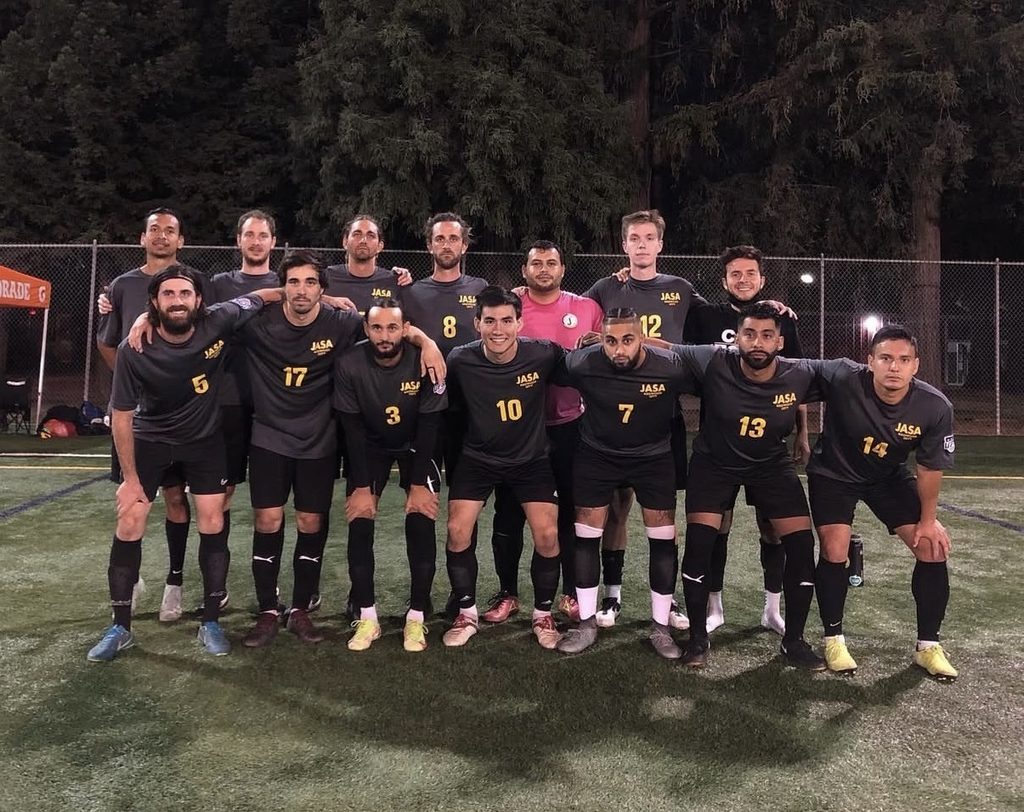
After graduating from Riverside, Barbosa continued to pursue his passion for soccer, playing for local semi-professional teams in the United Premier Soccer League. Semi-professional soccer came with many sacrifices. “Players would pay out of pocket,” he said. “Most guys [playing] are your average workers. You have a 9-to-5 job and have to travel.”
Barbosa sacrificed most of his free time to play. On weekends, he traveled as far as Sacramento and Reno for regular season games. Through all the challenges, Barbosa’s love for the sport kept him going. “To me, it’s not necessarily too much of a sacrifice. It’s something that I loved. If you want to be good at something, you have to dedicate yourself to it. If not, you have to be willing to accept the mediocrity that may come with it,” he said.
Despite Barbosa’s passion for the sport, he stopped playing after becoming a father. “I became a dad and just wanted to dedicate myself, my time to it. Having a child is something beautiful. You can’t really explain it,” he said. “Also, the first few years of someone’s life just fly by. So I definitely want to spend that time with him before it disappears, and I’m not his superhero anymore.”
Before coming to M-A, Barbosa worked in security at Facebook starting in 2020. However, after being laid off, Barbosa became a campus aide at M-A and later a paraprofessional. “I was able to apply my experience and expertise from that to here. And given that I like working with kids, it just seemed like a good fit,” Barbosa said.
His favorite part of working at M-A is the connections he makes with students. “The kids, being able to help them out and seeing how much they appreciate [it],” he said.
Additionally, Barbosa appreciates the community at M-A. “Everyone’s a team player [and] gets along. A little bit of smart remarks, but those moments are funny. So those moments, nothing special, but they’re special to me,” he said.
Although Barbosa no longer competes at a high level in soccer, he channels his love for the sport into coaching at M-A. “I love talking soccer, talking the tactics, training regimens, seeing [them] grow. What drives me is not financial. I’d rather work with kids who want to improve,” Barbosa said.
“There’s always that competitiveness that’s always going to be inside of me. I’m always gonna miss it, but I still love watching it, still play when I can,” Barbosa added.
Barbosa hopes students aren’t afraid to put it all out there for the things they love. “Whatever you do, if you don’t want to live with regrets, give it 200% so you can definitely move on and look back and be like, ‘I gave it my best, and there’s no regrets.’ When you move on, you’ll be able to move on with peace,” he said.