FEATURES · RECENT STORIES · LOCAL LORE
The Oldest Building in Menlo Park is Just Minutes From M-A
November 18, 2026 · LOUISA KING · LILIA WILKIEWICZ
A couple of blocks down Ravenswood stands the Gatehouse, an over 160-year-old building that was originally part of a property seven times larger than M-A’s campus. It is the only surviving gatehouse—a building at the entrance of a mansion—in California still in good condition.
The Gatehouse is one of three sites in Menlo Park on the National Register of Historic Places, the other two being the Church of the Nativity and the Menlo Park Railroad Station.
The house passed through multiple owners, including former California governor Milton Slocum Latham and the “richest widow in America,” Mary Hopkins.
1864-1871
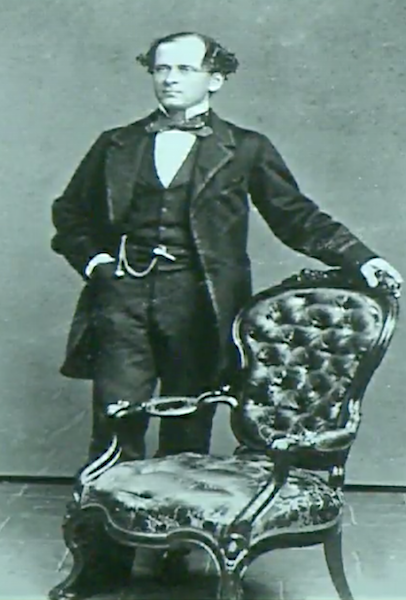
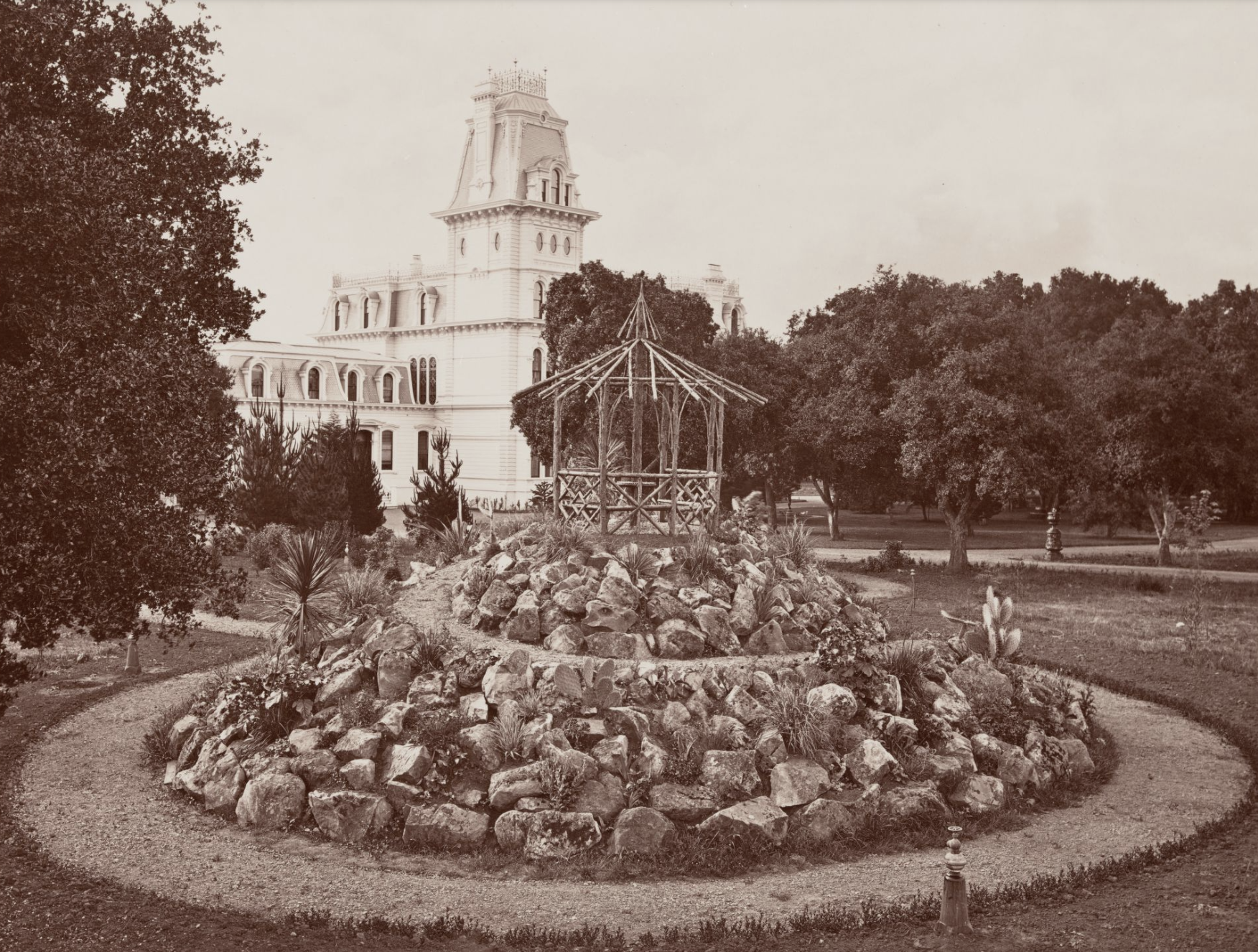
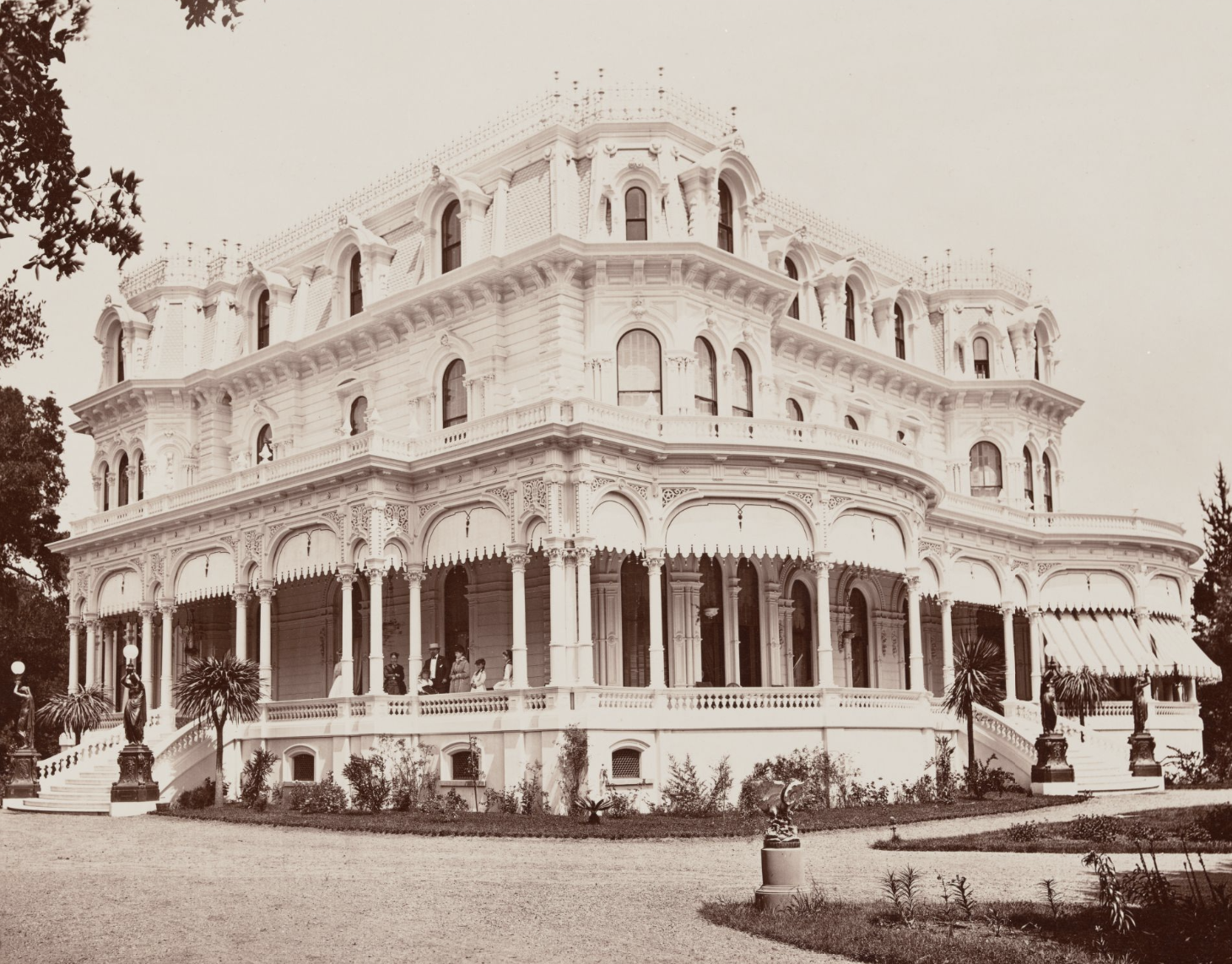
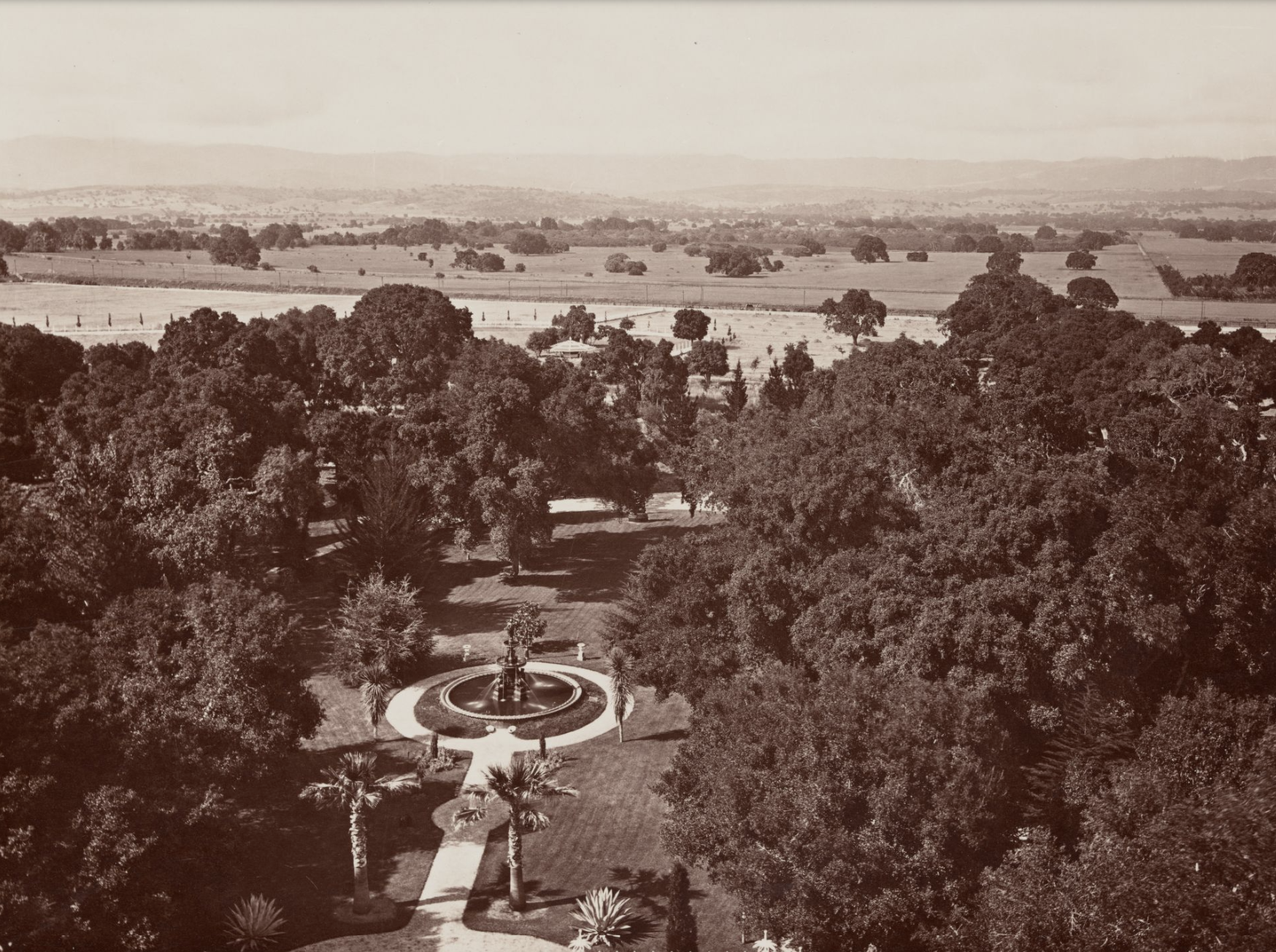
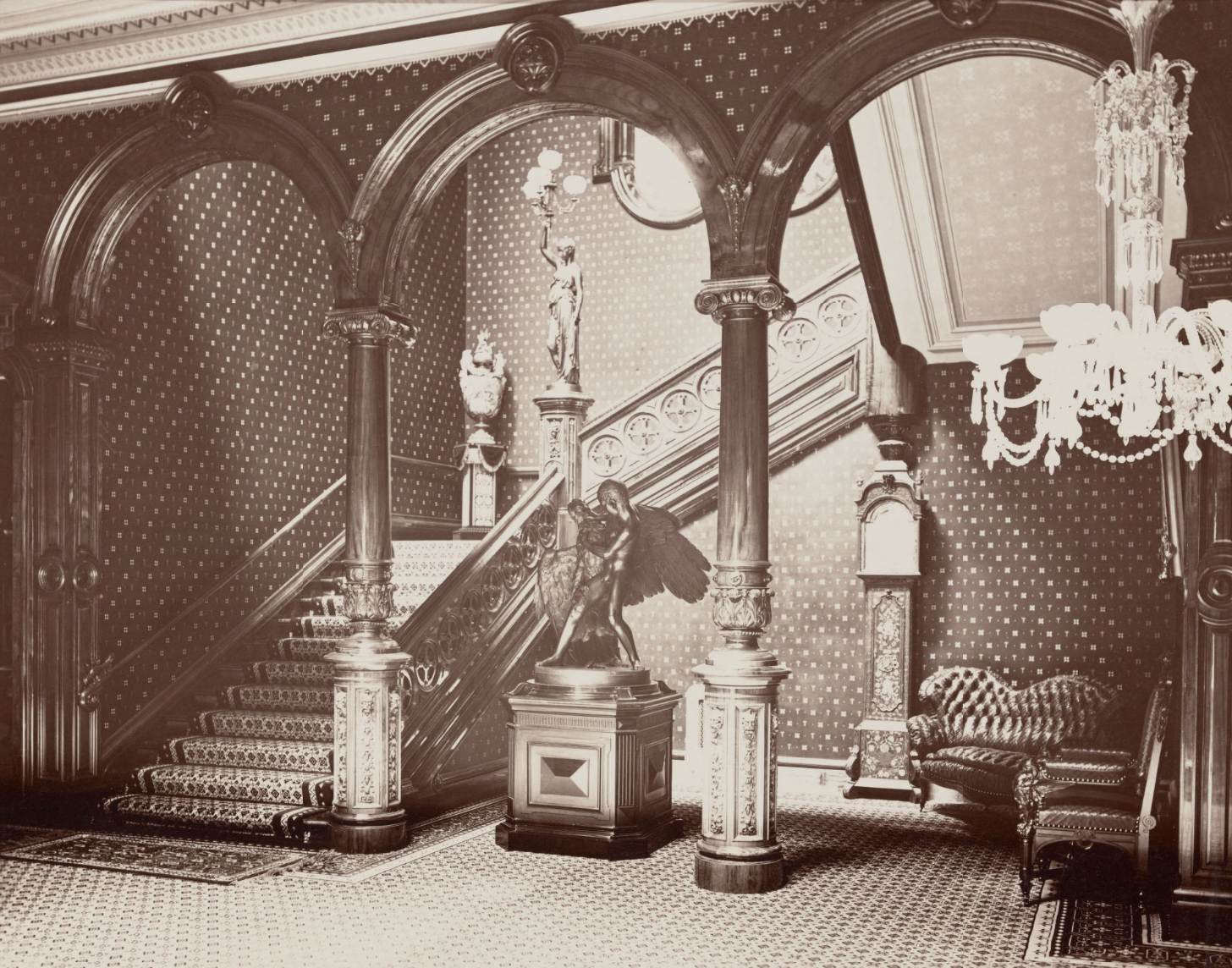
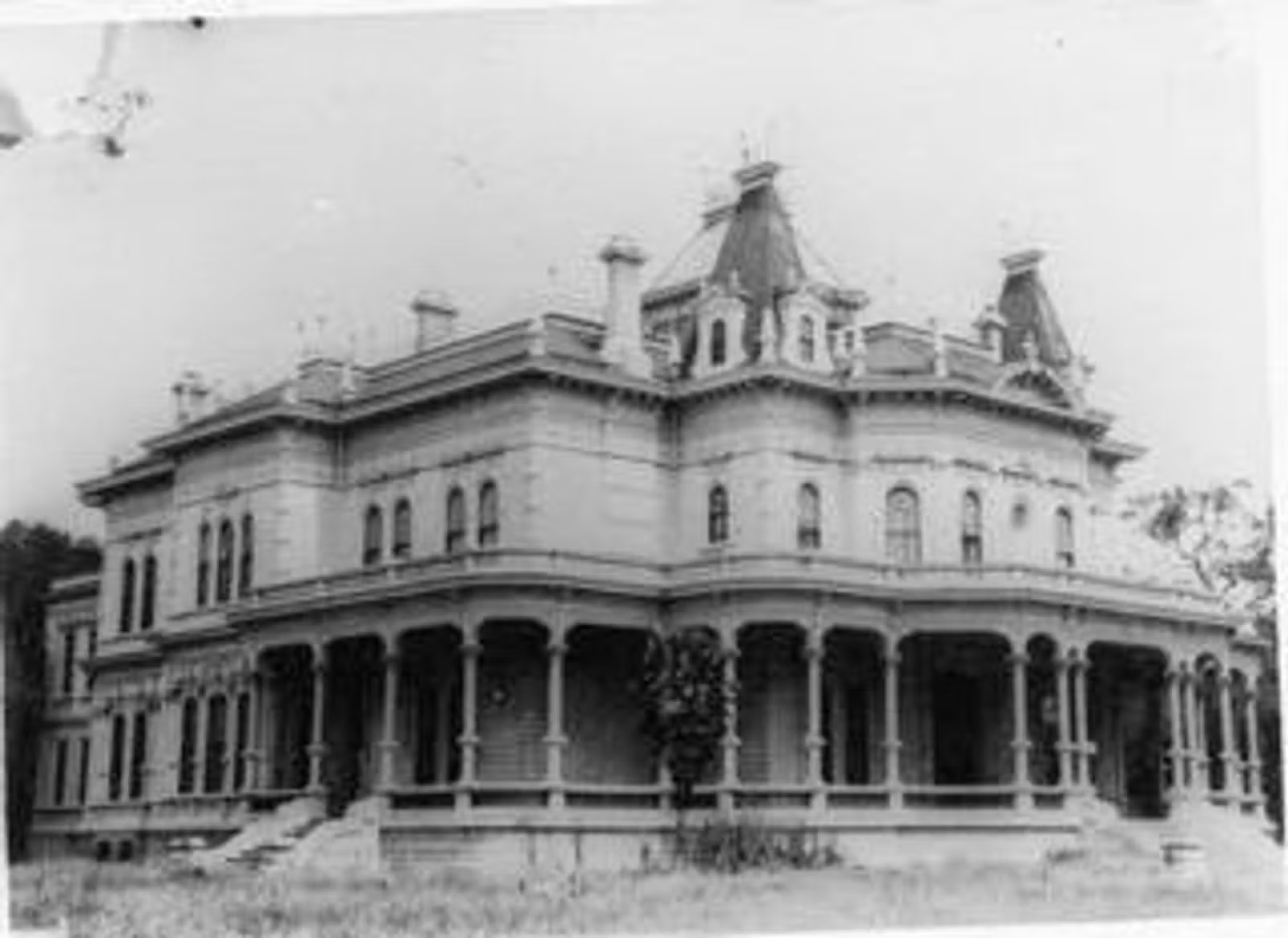
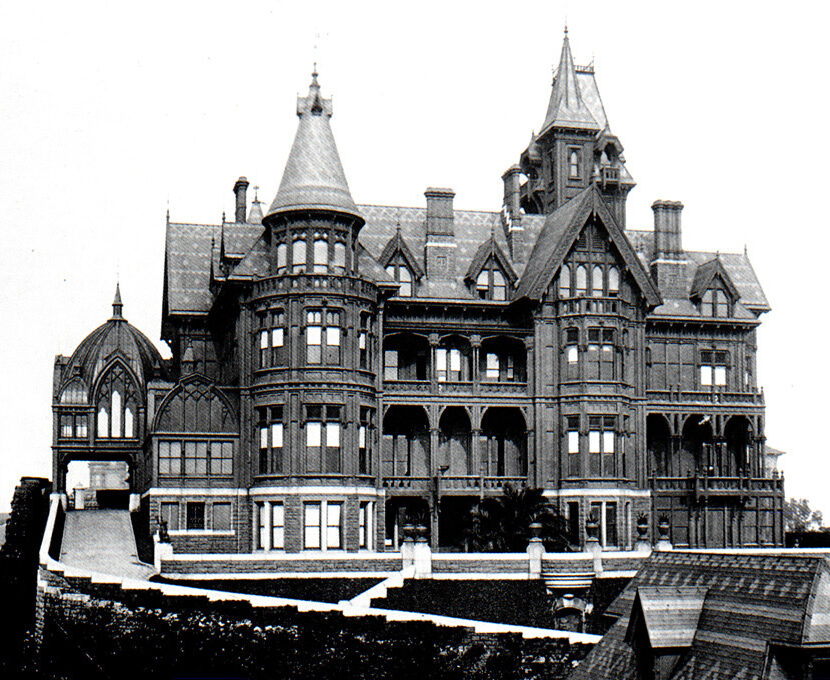
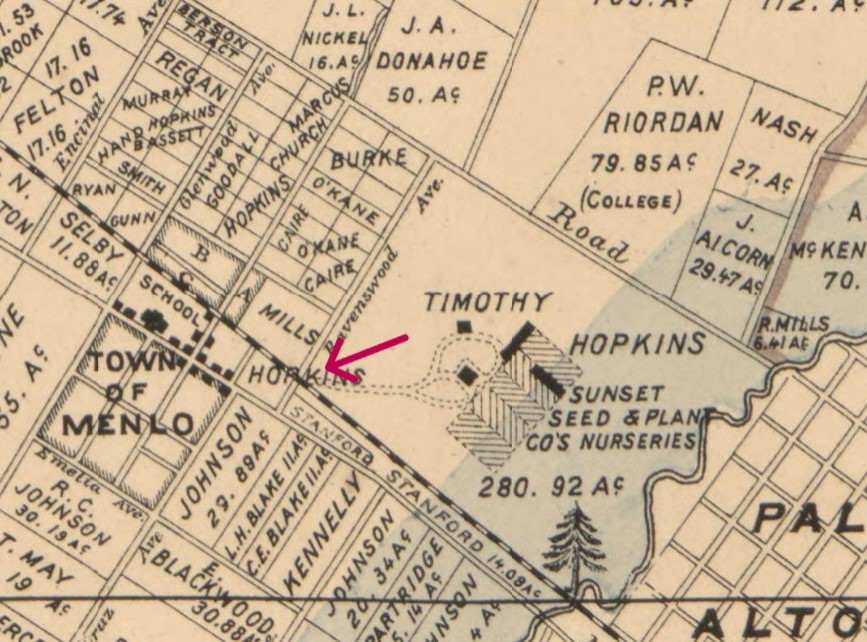
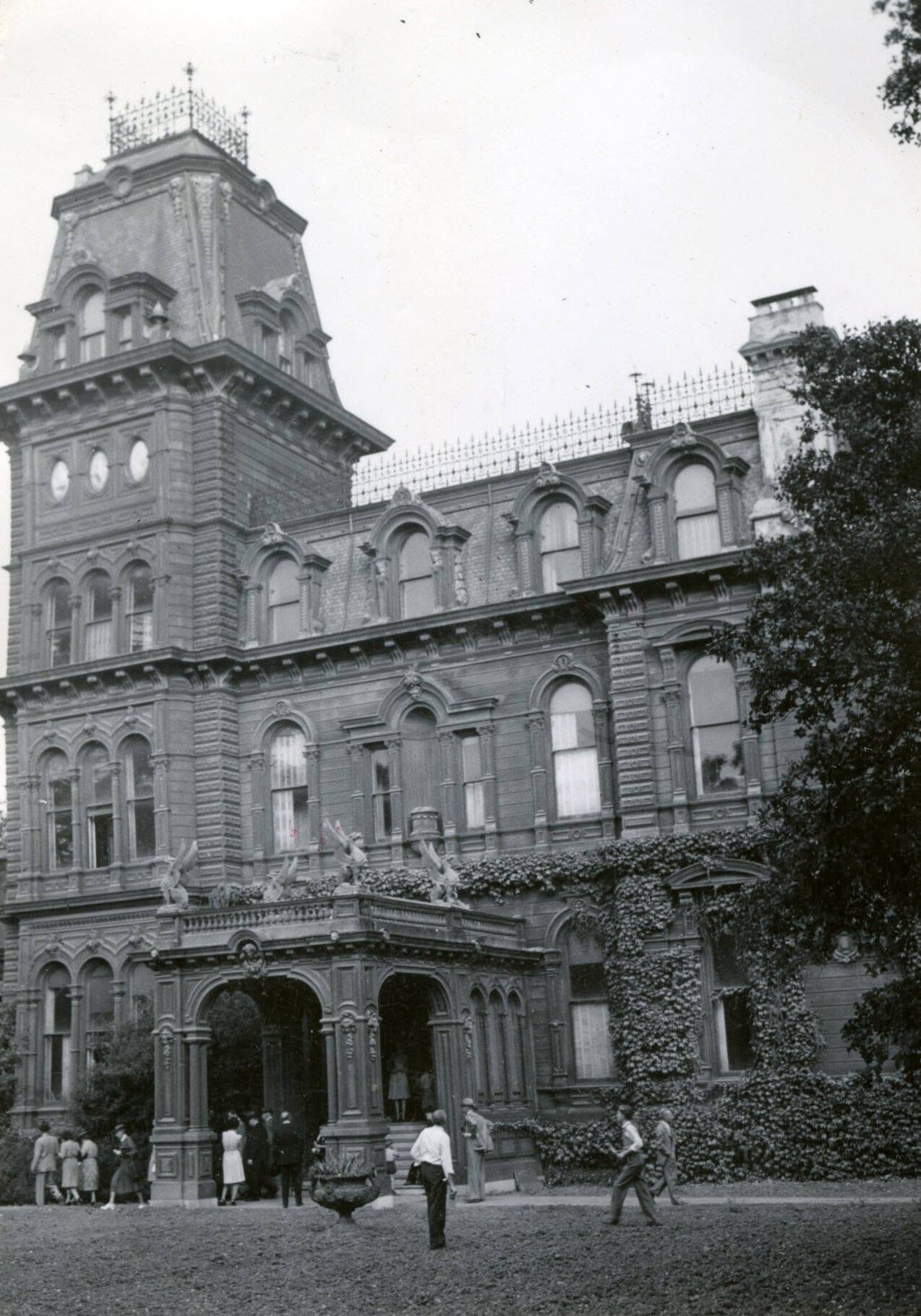
Businessman William Eustace Barron financed the construction of the gigantic 40-room mansion that included the Gatehouse in 1864. The 280-acre estate stretched from Middlefield Road to the Caltrain tracks and from Ravenswood Avenue to the San Francisquito Creek.
Barron amassed wealth through the quicksilver mining industry, controlling a large portion of the New Almaden Quicksilver Mine in Santa Clara County. Quicksilver mining extracts cinnabar, an ore used to produce mercury, which was in high demand during the Gold Rush when mercury was used to separate gold and silver ore from rock.
During the Civil War, the Union relied heavily on gold extraction to fund operations. Because of how valuable the industry was, Abraham Lincoln even approved an order to evict Barron and the other owners from the profitable mine, but backed down out of fear of sending California to the Confederate side.
Barron used the mansion as a vacation home, believing Menlo Park’s climate would improve his declining health. He eventually sold the property, moved to San Francisco, and died in 1871 at age 49.
1871-78
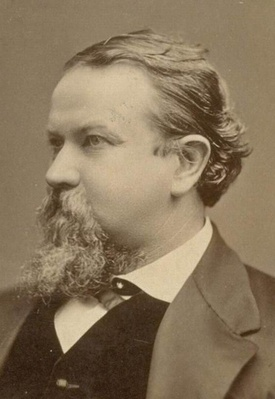
Politician Milton Slocum Latham purchased the estate for $75,000 in 1871 and renamed it Thurlow Lodge.
Latham served as the sixth California governor in 1860 for five days, California’s shortest governorship in history, before resigning to fill the U.S. Senate seat left vacant by David C. Broderick’s death by duel.
After acquiring the Thurlow Lodge, Latham quickly began remodeling it. He had the entire mansion raised by eight feet to construct a basement.
In 1872, while Latham was away in San Francisco, workers making interior renovations deliberately lit a fire to dry out the inside of the main mansion, but it instead burned the entire house down after being left unattended through the night. The damage was estimated at $40,000, about $1.1 million in today’s dollars. The Gatehouse, however, survived unscathed.
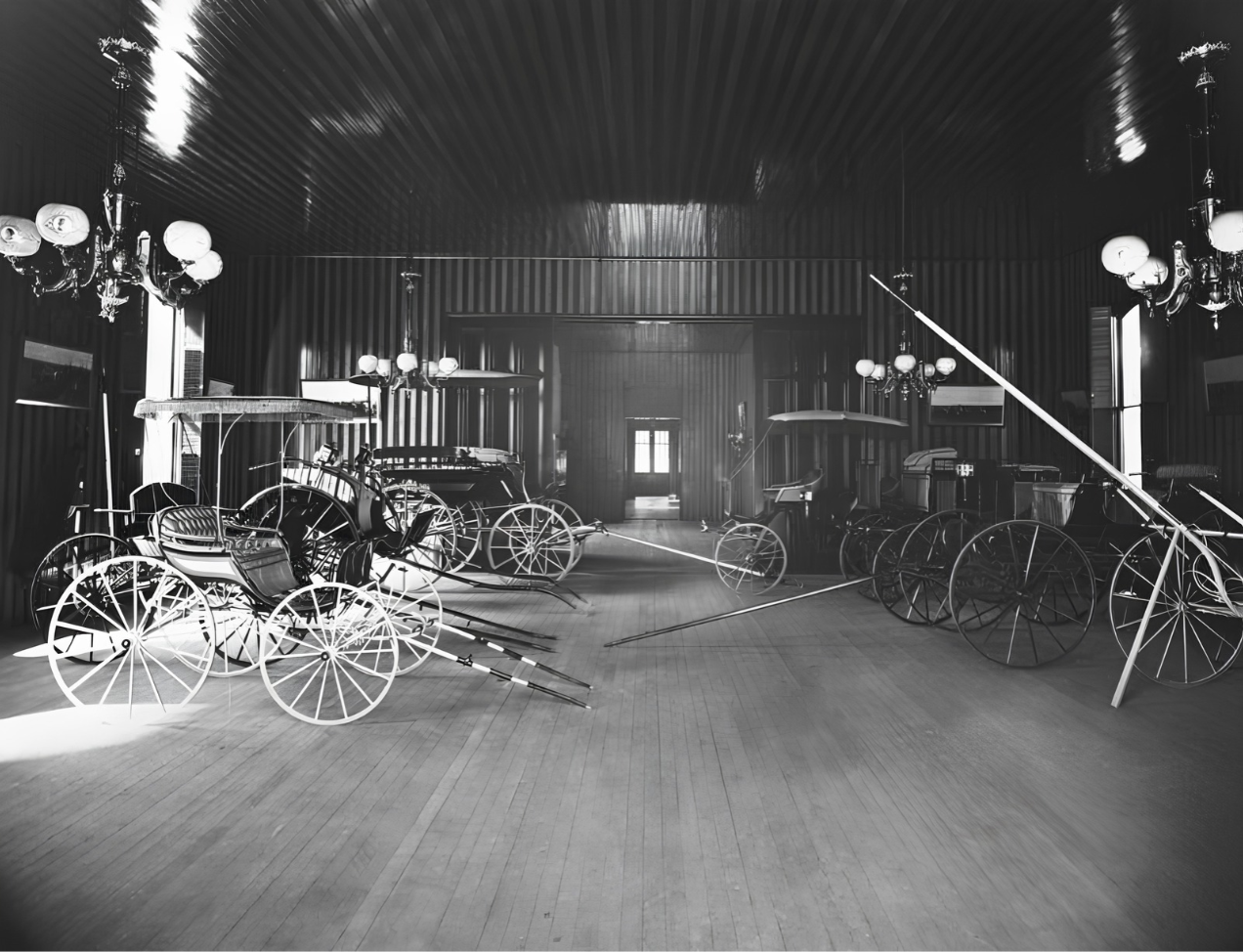
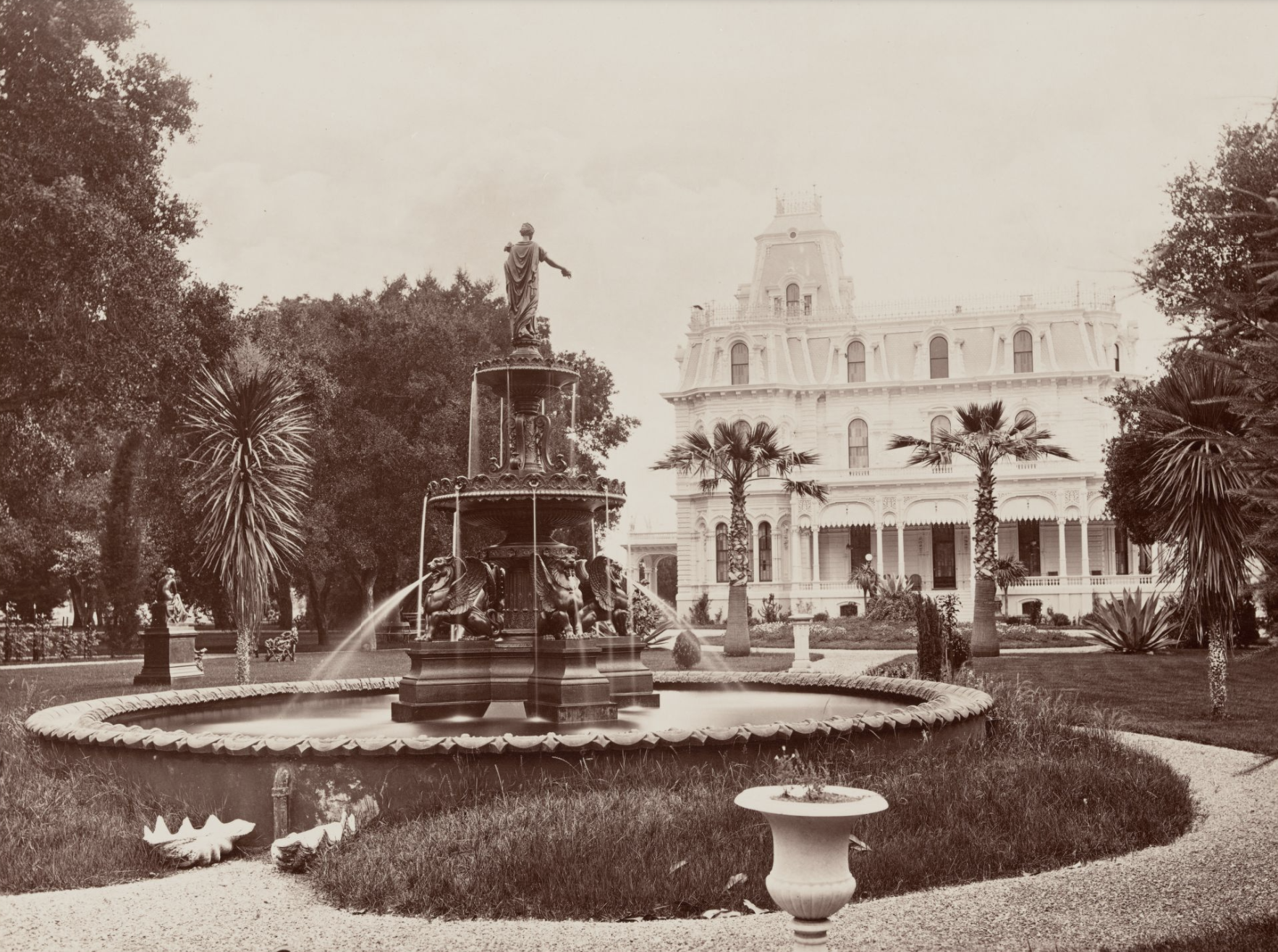
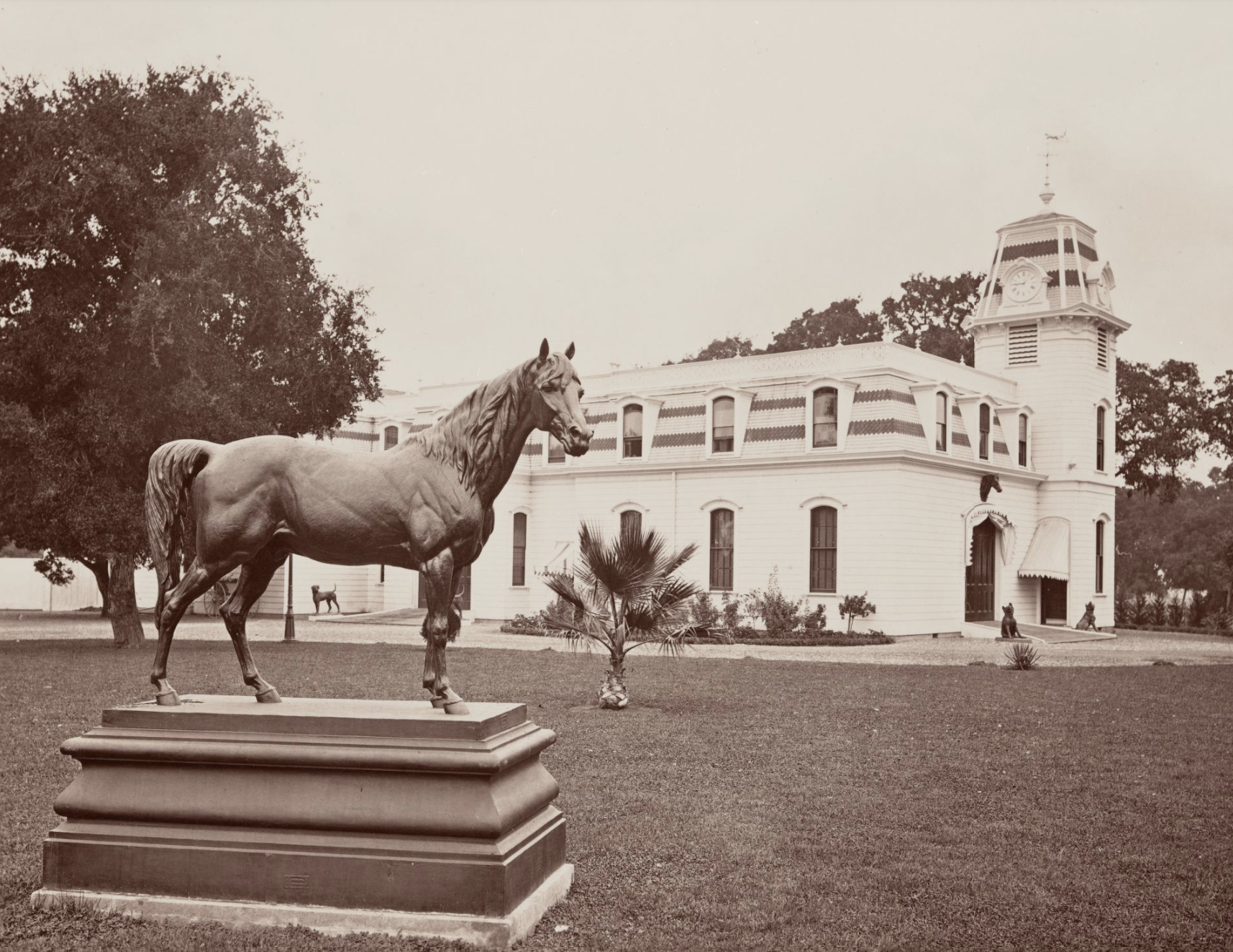
Latham had the estate rebuilt in 1873 and constructed an additional house and stable on the property. He also purchased multiple outdoor fountains, which he installed around the house, one of which remains at the Gatehouse today. Latham moved into the mansion in May 1873, four months before the house was finished.
Latham lost most of his wealth during the 1875 depression, forcing him to sell the estate in 1878 to James G. Fair for $850,000. He then moved to New York City in order to lead the New York Mining Stock Exchange.
The estate remained briefly in the ownership of Fair until 1883.
1883-88
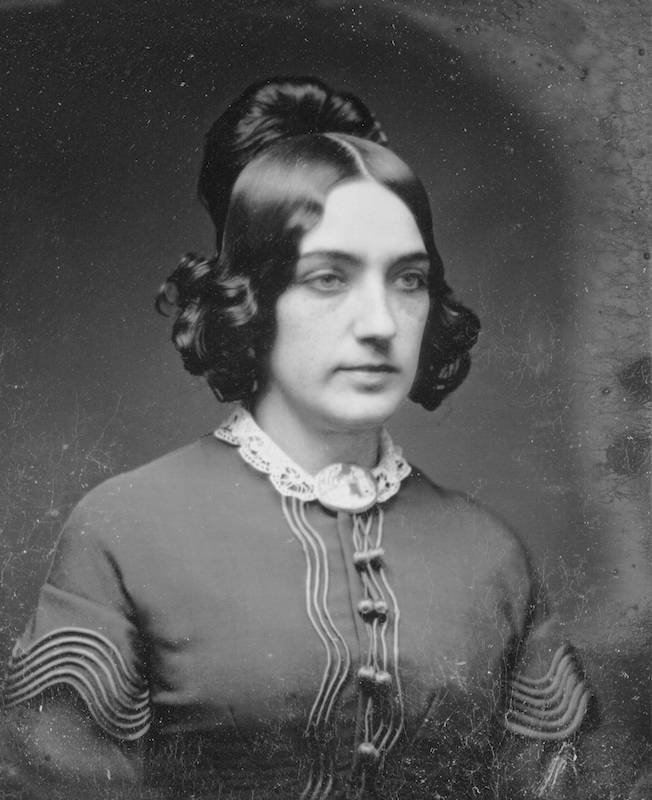
Newspapers dubbed Mary Hopkins “the richest widow in America” in 1878 after she inherited between $20 million and $40 million when her husband and cousin, Mark Hopkins, passed away. Mark Hopkins amassed wealth by serving as treasurer of the Central Pacific Railroad, where he was known for his hatred of excessive spending, despite fulfilling Mary’s desire to build a San Francisco mansion.
After he passed away in 1878, Hopkins purchased the Gatehouse estate in 1883 for $205,000 and named it Sherwood Hall. Though legal, this purchase of a large portion of land by a woman was unique at the time, as gender norms reserved land buying and management for men.
Hopkins had the walls of Sherwood Hall painted green, and the rims painted red, a combination many considered unpleasant.
She left the estate to Timothy Hopkins, her housekeeper’s son whom she adopted, as a wedding gift when she remarried. She died in 1891 at age 73, and Timothy assumed ownership in 1888.
1888-1941
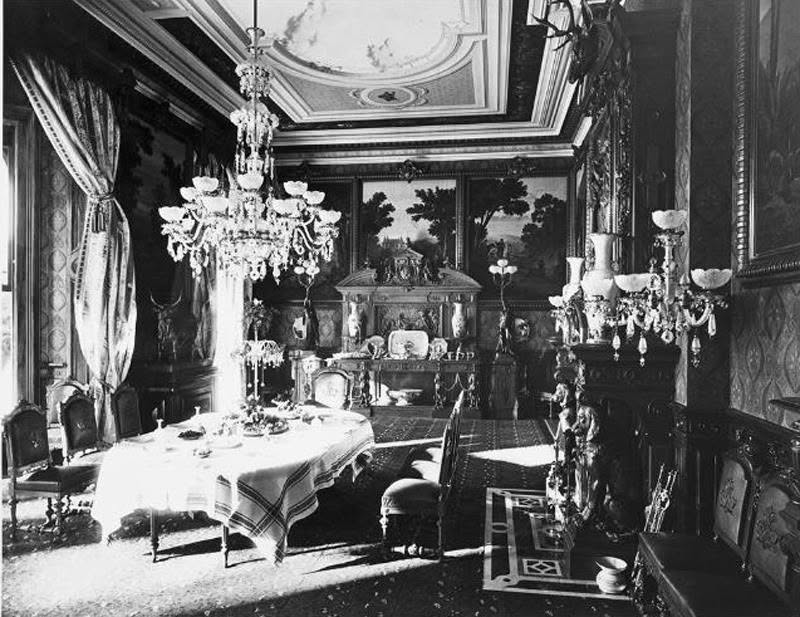
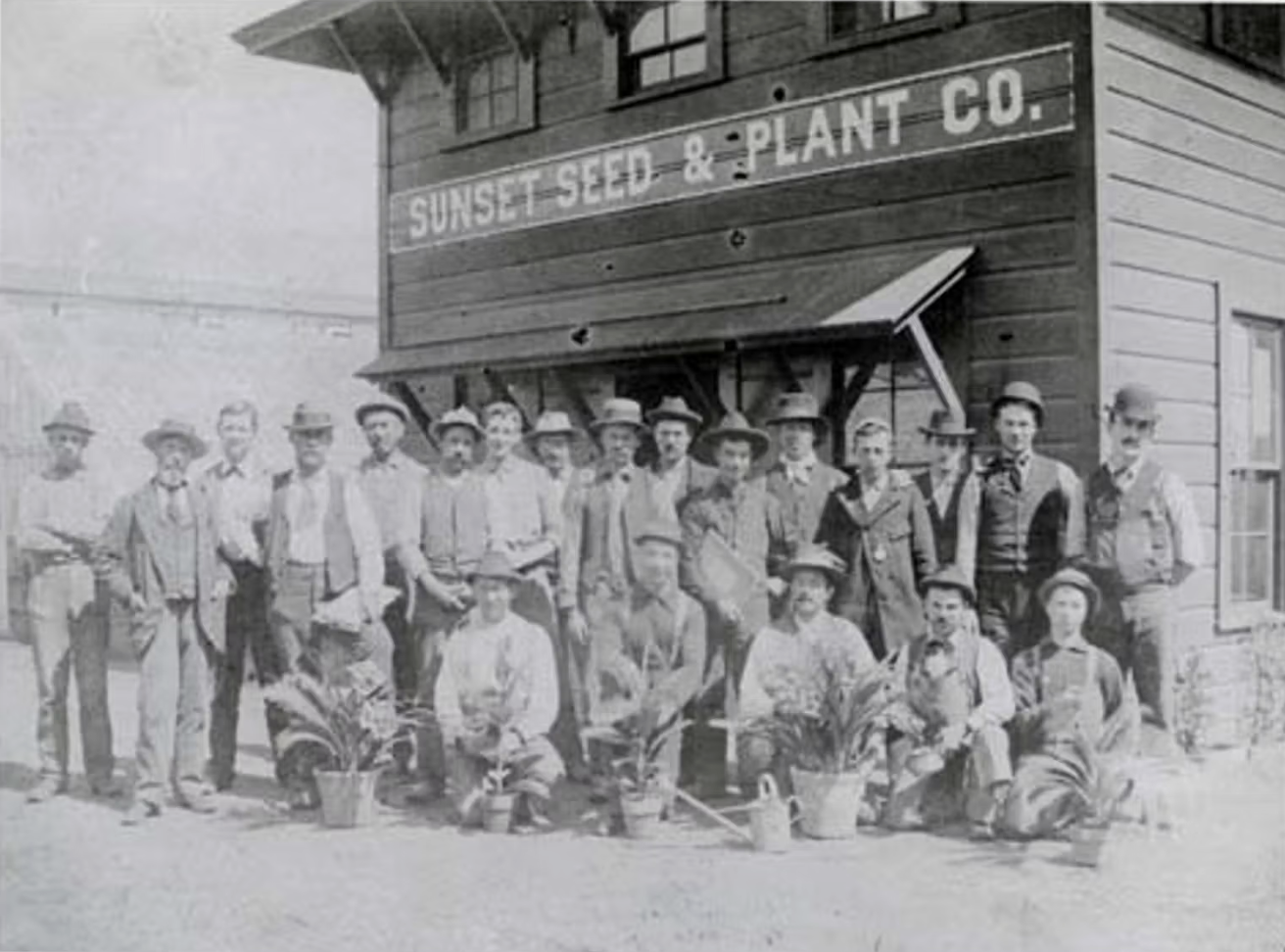
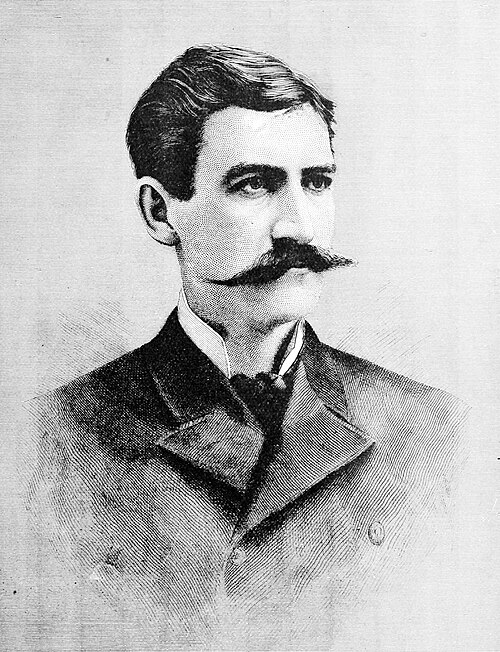
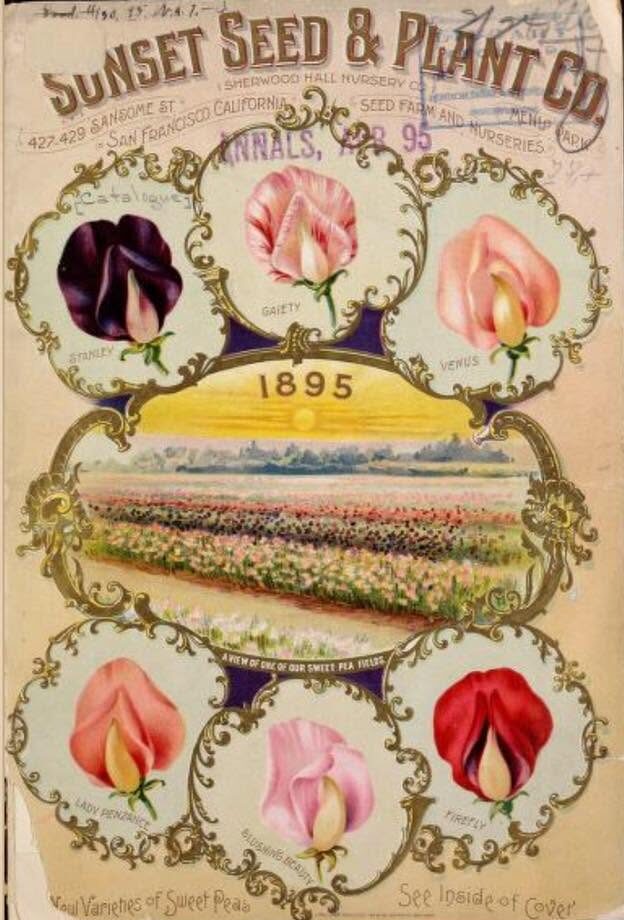
During Timothy Hopkins’ ownership of the Gatehouse, he oversaw the construction of a seed and plant nursery, the Sunset Seed and Plant Company, which grew peas, chrysanthemums, and vegetables for profit. However, Hopkins was rumored to have lost $70,000 from the business and secretly sold it to the nursery manager in 1897.
Before owning the estate, Hopkins was close friends with Mary Hopkins’ neighbors and business partners, Leland and Jane Stanford, and was appointed a trustee of Stanford University in 1885. Having accumulated wealth as the treasurer of the Southern Pacific Railroad Company, Hopkins also purchased the land that would become the city of Palo Alto in 1887.
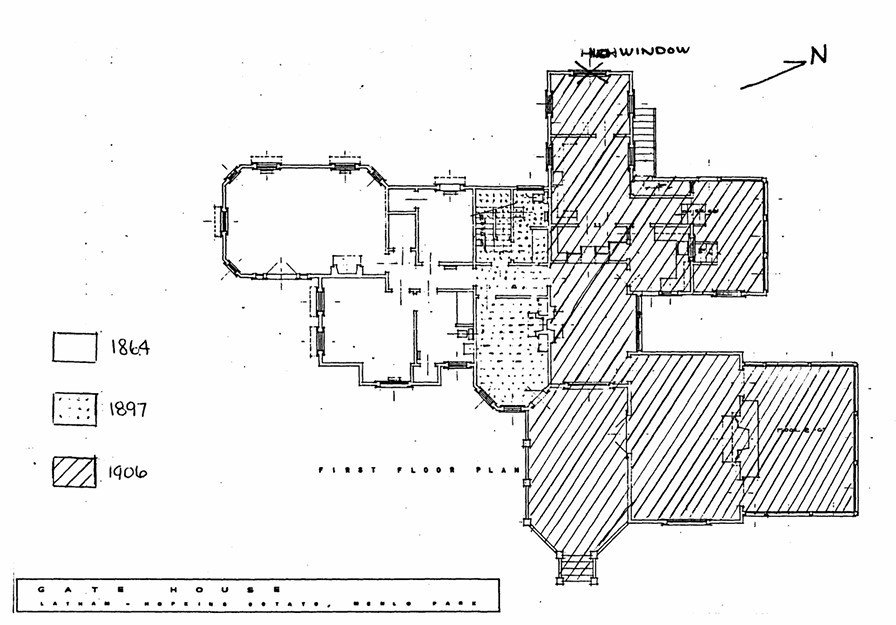
In 1906, disaster struck. A massive earthquake left most of the mansion unlivable, and after renovations added another story and a concrete foundation to raise the platform, it was used mostly as a summer vacation home. Hopkins willed the estate to Stanford University after his death in 1936 at age 76. His wife, Mary Kellogg Hopkins, assumed ownership until her death in 1941.
1941-1968
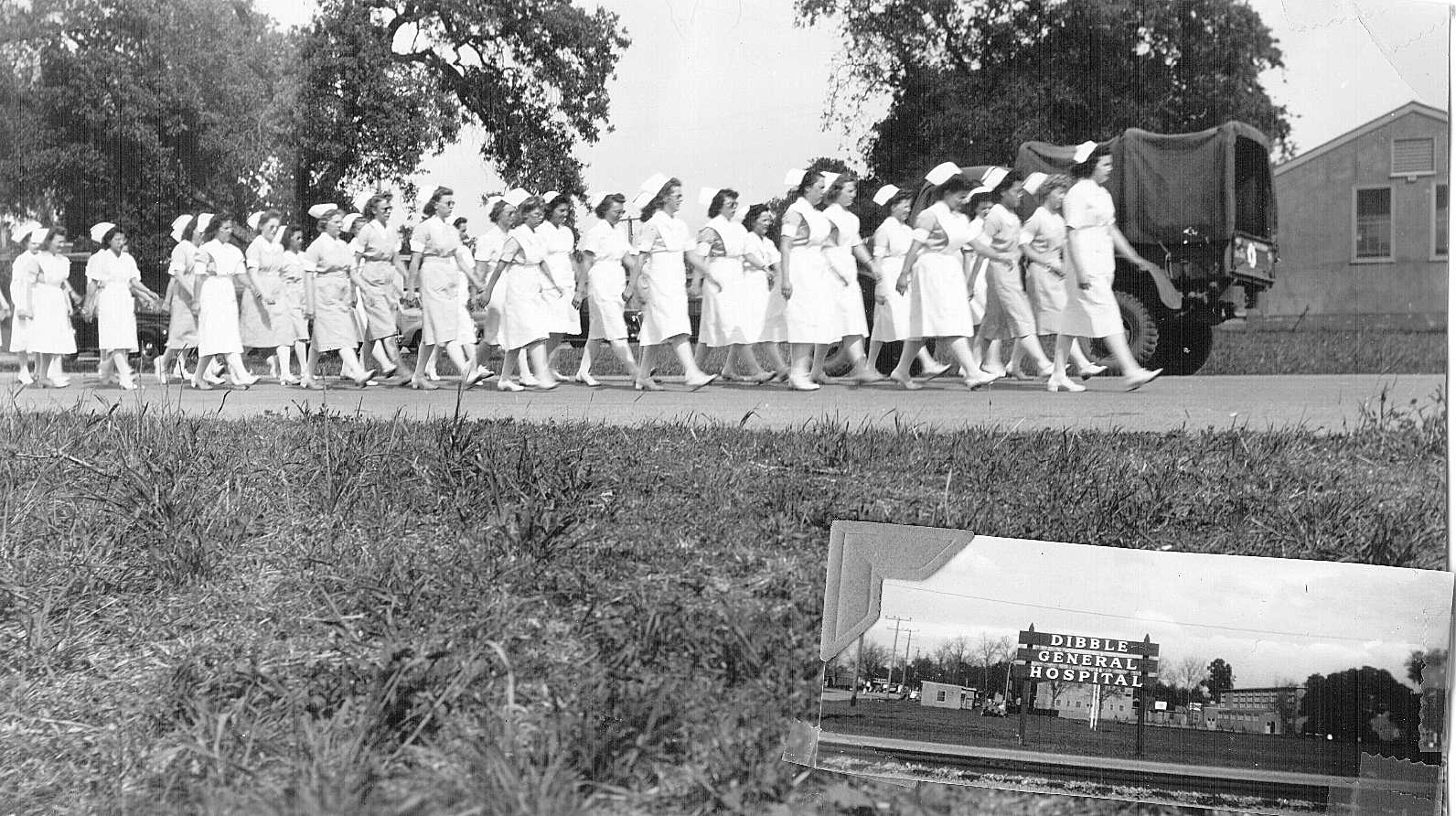
Stanford inherited the property, auctioned off its furniture and contents, and sold some of the wood to meet demand during World War II. Universal Studios purchased parts of the deconstructed mansion, surviving interiors, and furniture for movie sets, including for Alfred Hitchcock’s Psycho.
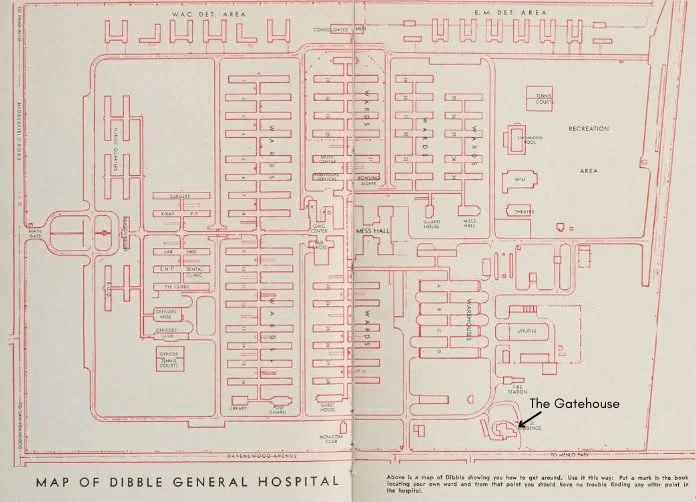
Stanford cleared the estate to make room for Dibble General Hospital, a U.S. Army Hospital during World War II, which housed over 2,400 beds. Today, the land is occupied by the SRI International building.
Stanford preserved the Gatehouse and leased it out until 1968.
1968-present
The City of Menlo Park purchased the Gatehouse in 1968 and renovated its roof. In 1986, the building was added to the National Register of Historic Places. The Junior League of Palo Alto-Mid Peninsula (JLPA) began managing the Gatehouse in 1996 and initiated a six-month restoration. Since then, the Gatehouse has served as the official JLPA headquarters.
Currently, the Gatehouse functions as a meeting space for the JLPA, is available for small-event rentals, and is occasionally open to the public for tours.
To rent the Gatehouse for an event, visit this link.