8/10
Fontaines D.C., an Irish rock band that started releasing music in 2017, has captivated listeners over the last nine years with their moody sound and indie vibe. The band has five members: Grian Chatten on lead vocals, Conor Curley on lead guitar, Conor “Deego” Deegan III on bass, Tom Coll on drums, and Carlos O’Connell on guitar and synth. Despite being frequently categorized as a post-punk band due to their roots in the genre, their last few albums have broken out of this characterization and experimented with a diverse range of styles, including Romance’s alternative rock.
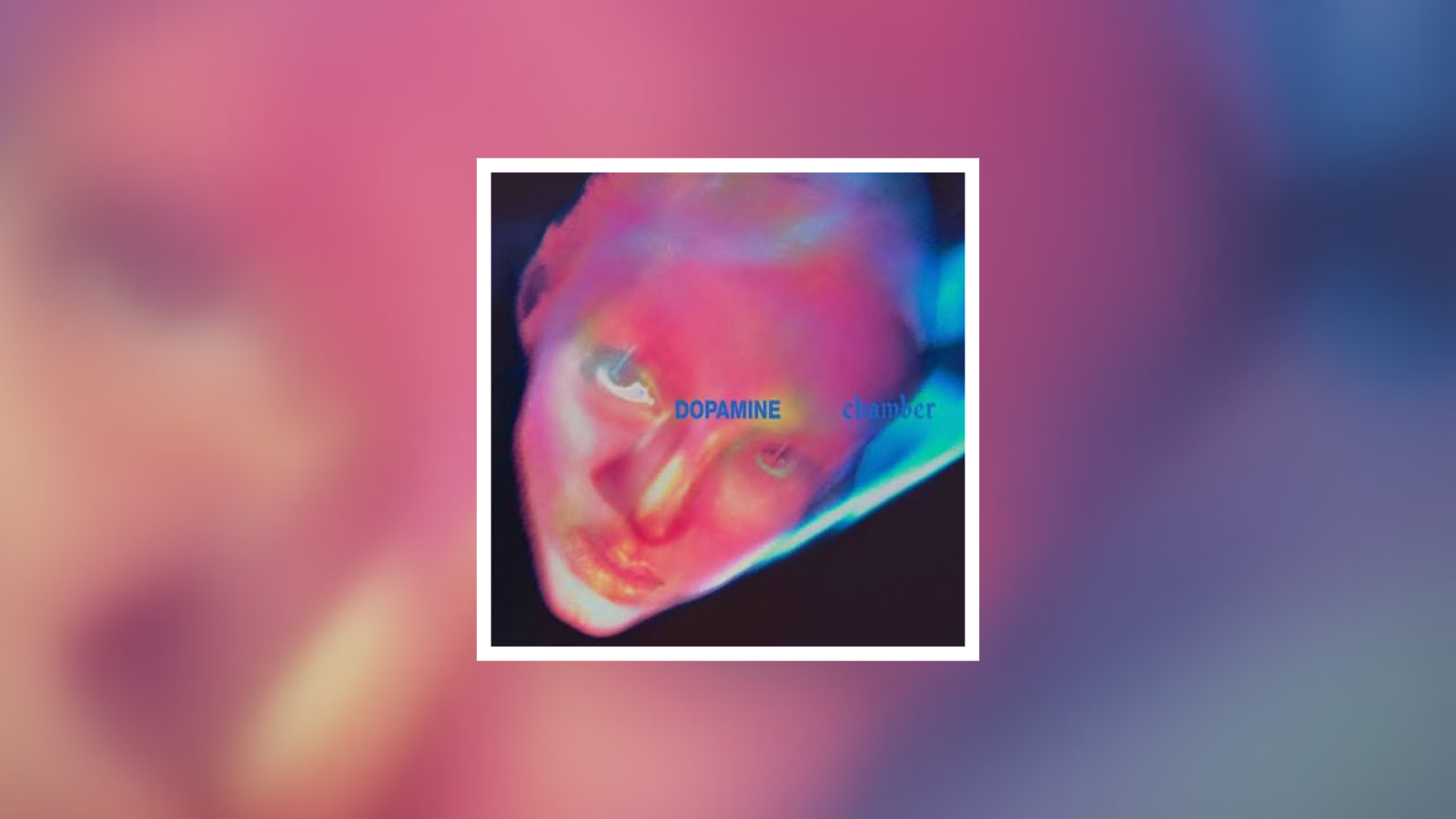
Fontaines D.C. released their fifth studio album titled Dopamine Chamber, the most dystopian and electronic of their career. The album has eleven songs, three of which were dropped as singles prior to the album’s release. The songs tend to reuse parts of the same melody, which can get repetitive, but it doesn’t take away from the overall listening experience.
“Six Shot Morning,” the first song on the album, opens with an alternative synth melody that immediately distinguishes Dopamine Chamber from the band’s previous, bass guitar-driven work. Chatten’s voice comes in with the lines “Six shot morning, it’s a beautiful world / Sky’s gone crying on a beautiful world,” painting the picture of a bleak, futuristic society juxtaposed through the singer’s satirical romantic phrasing. The song goes on with this same melody for the next minute and a half, with more surreal images and ’90s-style synth, until Coll comes in on drums to kick the song into another gear. The Bay Area gets a shoutout in the line “Silicon Valley, took a photograph / Fork tongue kissing in a ten-foot bath,” arguing that in our current tech-driven society, cruelty and malice sit in a ten-foot bath.
Next on the album is “Marianne,” the album’s lead single. This song carries the same critical tone of modern society as “Six Shot Morning,” though it focuses on a desire to escape from reality, which is represented by the titular character, Marianne. Marianne is presented as a seductive woman, luring the narrator into a fantasy in order to escape the issues and suffering around them. Chatten’s vocals shine over the song’s strong drums, and the melody is very catchy. The highlight of the song is its bridge, which features new lyrics sung over the repeated melody, giving it a cinematic feeling. “You can go on dreaming / You can go under the knife,” highlights the song’s darker message, with the narrator chasing after Marianne while ignoring the corruption surrounding them.
The album’s second single, “Tongue,” diverges from the album’s apocalyptic theme, focusing on the rotting that happens inside as mental overload and self-criticism take over. The song consists only of Chatten’s vocals over raw percussion, an overwhelming sonic feeling. “Tongue” also came out not long after Chatten’s public ADHD diagnosis, and touches on many of his challenges with the disorder. “You say you don’t, I say your happiness is going missing,” he sings.
“Where is Gone?” is the album’s final single, featuring Spanish pop star Rosalía. The song is sonically unique, straying far from the synth-rock sound of the album’s other tracks. It is a theatrical ballad about heartbreak and learning to move on despite the pain. The lyrics describe a narrator nostalgic over a lost relationship, with both singers singing from the same perspective. Chatten’s voice layers over Rosalía’s beautifully, making the song sound almost hypnotizing. As they explore the difficult process of letting go, they harp on the pain. “There’s no harm in saying leave and let it die,” they sing. Overall, “Where is Gone?” brings a slow-burning edge and a dab of heartbreak to Dopamine Chamber.
The tenth song on the album, “Japan,” follows in the footsteps of “Where is Gone?” It’s a melancholic, vibe-driven song. Most reminiscent of the band’s previous album, Favorite, “Japan” dazzles with its indie-pop sound and dreamy atmosphere. The song describes a toxic relationship between a wealthy woman and a lower-class man, whose physical distance from her adds to their emotional challenges. The relationship is portrayed as cold and emotionally distant. “And she pays for all his sh*t ‘til he says thanks without a smile,” Chatten sings. “Japan” serves as Fontaines D.C.’s criticism of financial imbalances in society, arguing that economic disparities can fracture emotional connections. The song’s music video stars “Stranger Things” star Charlie Heaton alongside Angèle Metzger and Sean Black, and tells a much darker version of the song’s story.
Dopamine Chamber marks a new era for Fontaines D.C. Though the songs can get a bit repetitive, the album has a unique sound that is successfully used to explore social and political issues. Dopamine Chamber seems to toe the line between dystopian future and massive heartbreak.