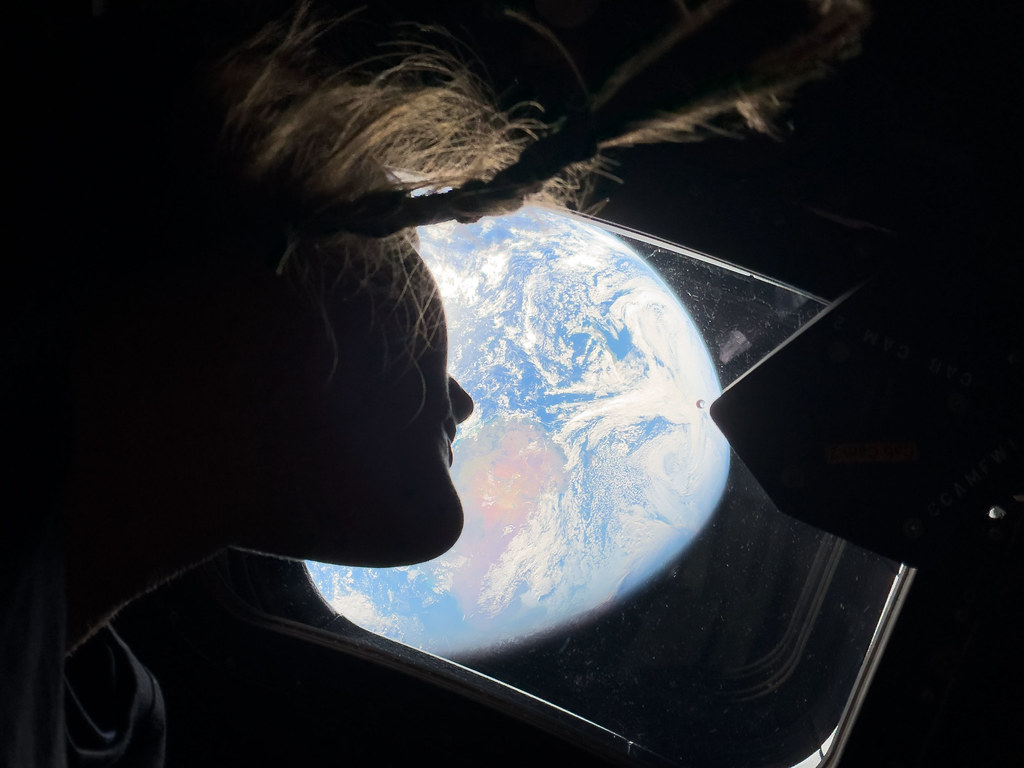
Four astronauts launched into deep space from the Kennedy Space Center in Florida on Wednesday, April 1. Their mission lasted 10 days, during which the Orion spacecraft traveled around the Moon and back to Earth.
The mission is NASA’s second in the series of Artemis missions, the first of which orbited the Moon uncrewed. The Artemis program aims to land humans on the Moon by 2028, the first time since the Apollo missions over 50 years ago.
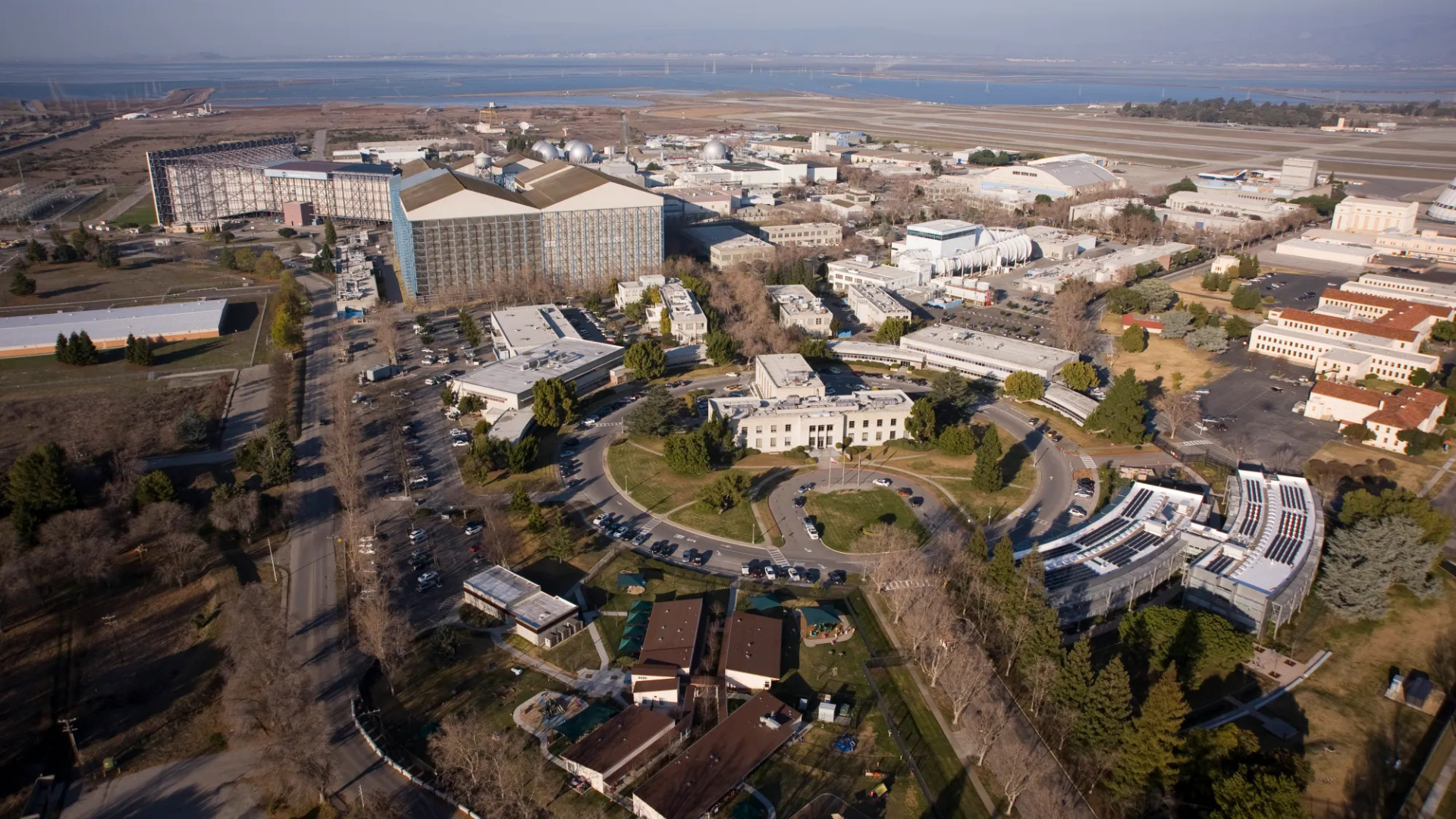
Located in Mountain View, nine miles from M-A, the NASA Ames Research Center hosted scientific testing for different aspects of the Artemis II mission years before its launch. Local scientists have been dedicated to improving the safety and efficiency of the Orion Spacecraft since before the Artemis I launch in 2022.
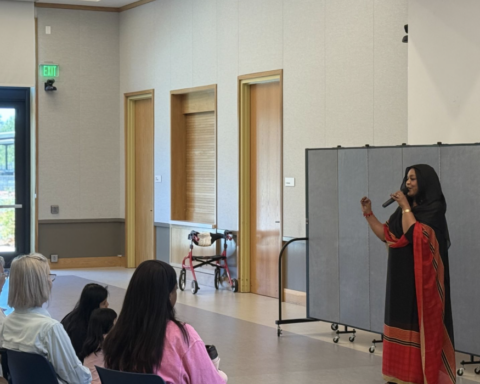
“It’s been an incredible journey, and I love to see how the Bay Area is contributing,” Ames Director and Bay Area native Eugene Tu said.
“[NASA] is a lot of young kids’ dream, and it feels, as you get older, a little harder to achieve. So having a concrete example of people working on a really big project like Artemis II, just here in the Bay Area, is pretty cool,” junior Lila Weber said.
The Ames Research Center used its advanced facilities, such as their Arc Jet Complex, to design and test Orion’s heat shield and improve its stability upon reentry to the atmosphere. Heat shields are critical to preventing capsules from burning up as they fall through the atmosphere and reach temperatures near 5000 degrees Fahrenheit. In addition, multiple scientists from Ames worked on the systems that guided Orion’s lunar observations while it was in space and will help analyze the post-flight performance of the spacecraft.
“I think teachers like to model based on local problems and local scientists and try to connect it back to the area,” Weber said. “So it’s really useful to live in a place that values education so much so that we can have actual hands-on experience and not just learning out of a textbook.”
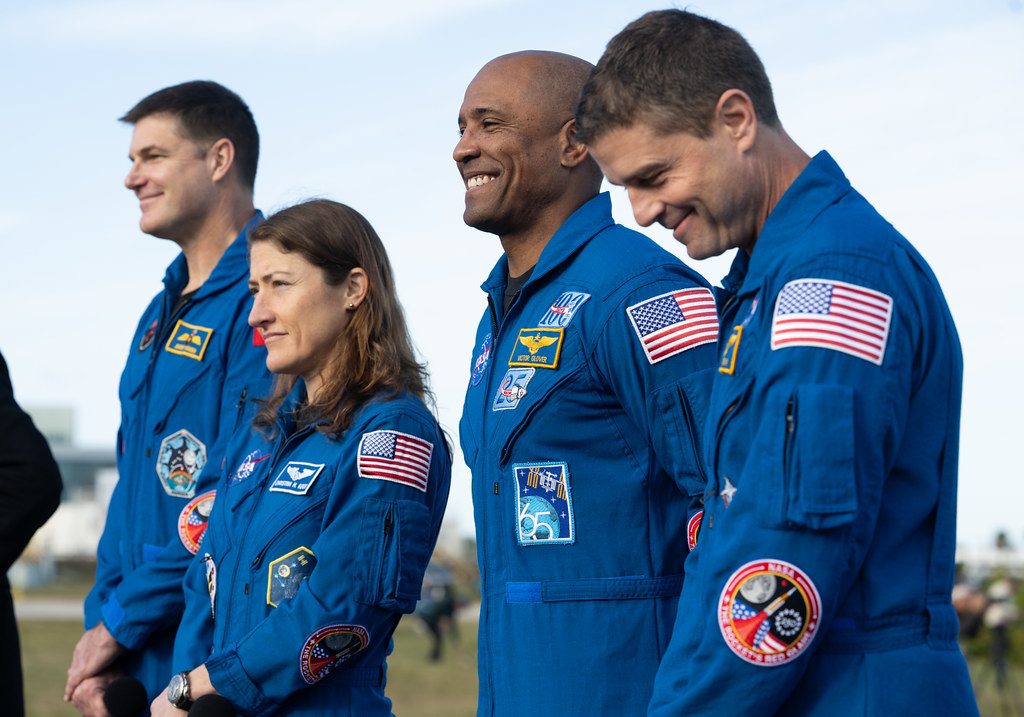
The Artemis II mission is groundbreaking in multiple aspects. For one, its crew went the farthest humans have ever been from Earth—252,756 miles from home—shattering the previous record set by the Apollo 13 mission of 248,655 miles.
Beyond that, the Artemis II crew marks a series of firsts that reflect the growth of diversity and opportunities in the scientific world. Artemis II’s Christina Koch and Victor Glover became the first woman and first person of color, respectively, to exit Low Earth Orbit and enter deep space. Canadian Jeremy Hansen is also the first non-American to do so, a showing of diplomacy between the U.S. and Canada during an unprecedentedly strained time between the two nations.
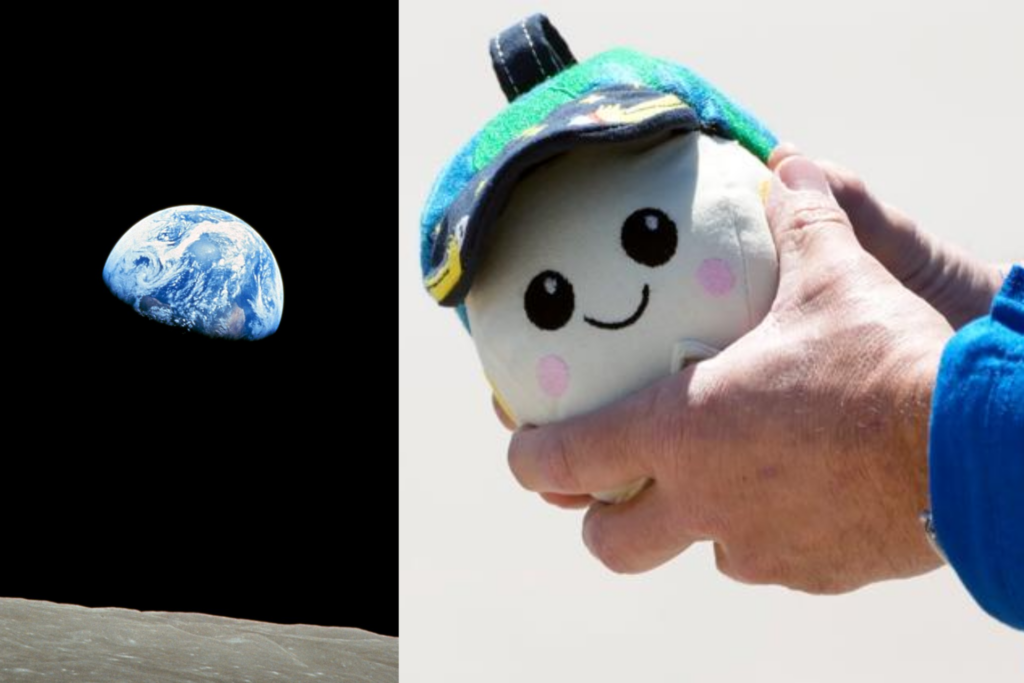
As for another Bay Area connection, the small plushy that acted as Orion’s zero gravity indicator was designed by Mountain View 8-year-old Lucas Ye. Ye won the international Moon Mascot competition with his creation, ‘Rise,’ inspired by the Earthrise photo from the Apollo 8 mission.
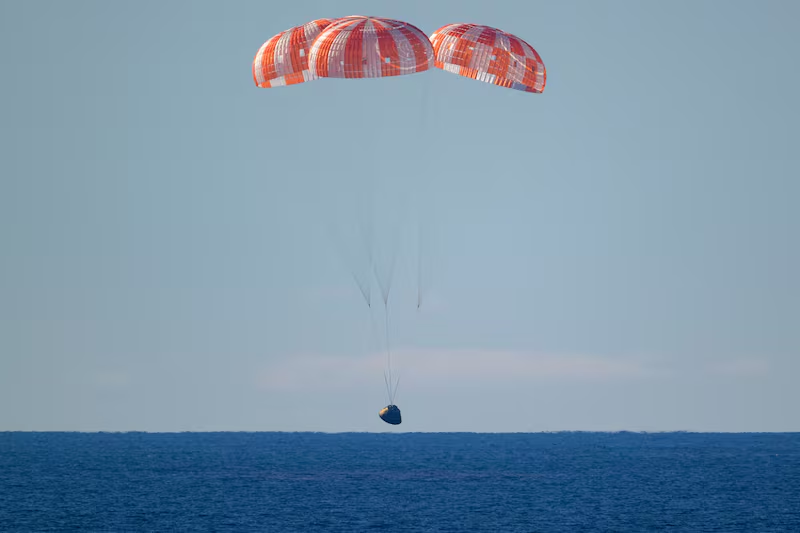
The Orion splashed down successfully on April 10 off the coast of San Diego, where a team of Ames researchers were waiting to collect data on the heat shield and study how it can be improved for future missions.
Future Artemis missions plan to land humans on the Moon again and establish a frequent American presence.
“There’s desire for American leadership in space, and the Moon is that next destination,” Tu said. “I think we’re going to get to that stage where space and space exploration and leveraging space for benefit here on Earth is part of everybody’s everyday life.”