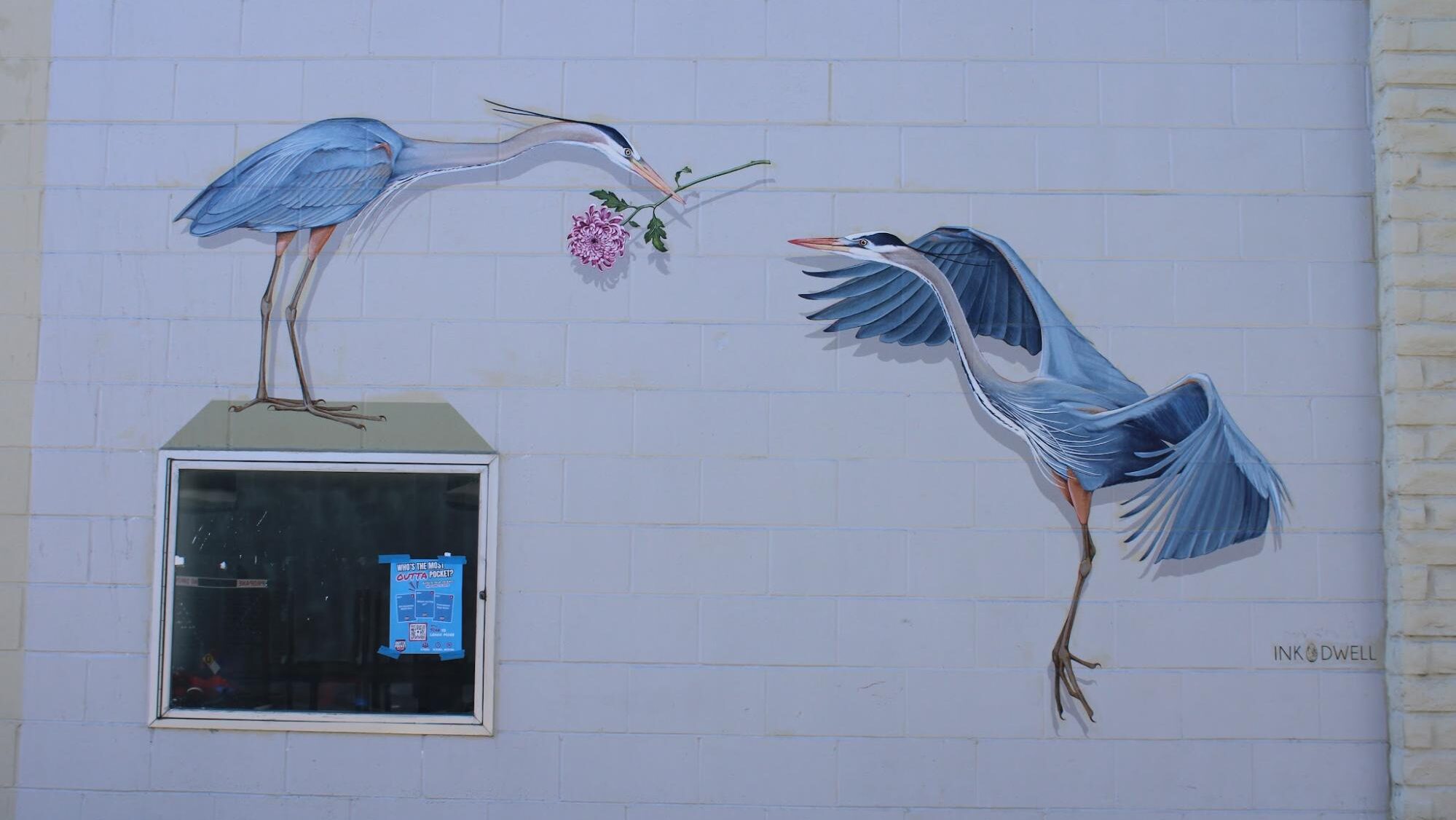
Street art provides a spirit and personality that people need to thrive. Murals evoke joy and cheerfulness, reflect diversity, add character to a town, and bring color to dark, decrepit spaces. From San Francisco to San Jose, Redwood City, and Palo Alto, the Bay Area is full of public art, created by individual artists or as a group effort. But Menlo Park remains unpainted.
Walking through downtown Palo Alto, you find tiny pockets of whimsy: paintings of people sweeping the street or rolling a stroller. Each brushstroke hides a world of infinite imagination.
One mural exhibits a man unknowingly transporting an alien in his trash can. Another features a man on a porch inviting tiny aliens into his house. Even the smallest piece of outdoor art matters, adding personality and a story to a once blank wall.
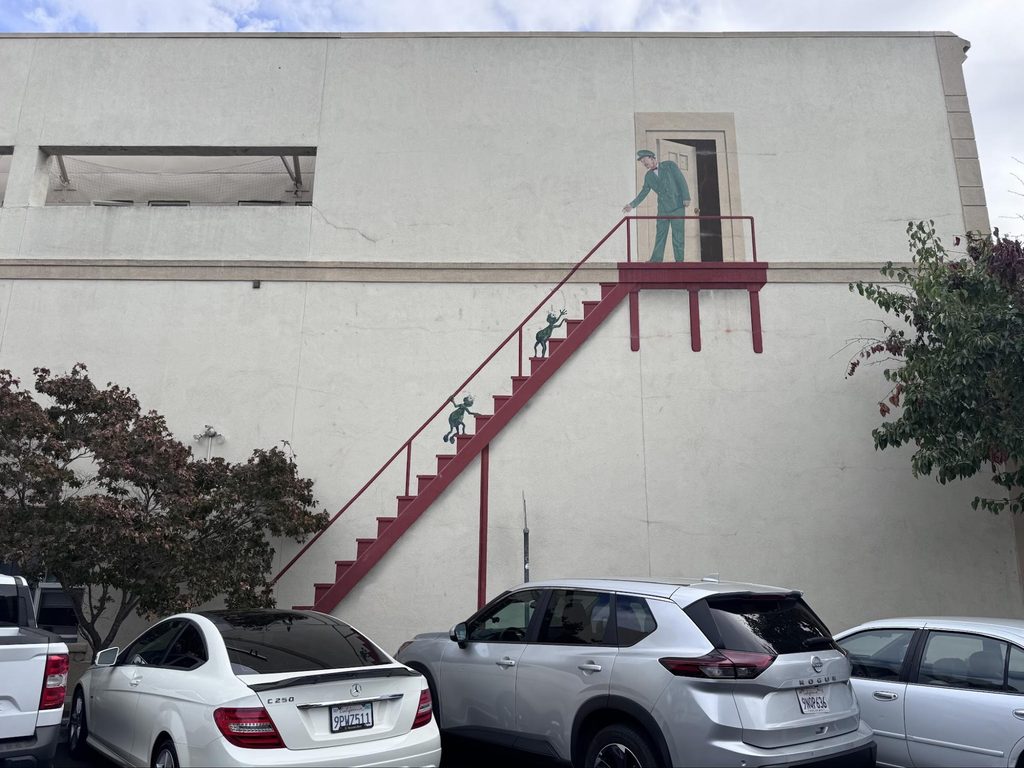
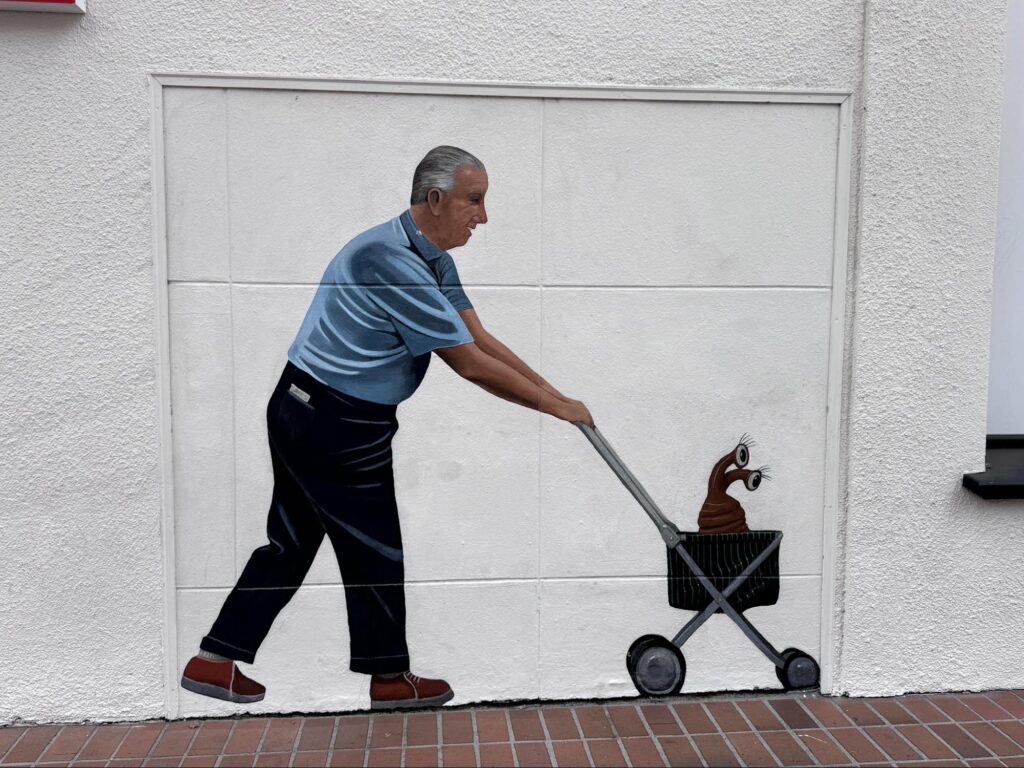
Walking through downtown Menlo Park’s drab rug stores and coffee shops, you can’t help but feel down. Vibrant blues and pinks would fix that.
“We don’t have to live in a gray world. I don’t know why every construction builder wants to paint their walls beige and navy. We need more color. It connects us to what we see in everyday life and what our dreams are,” Co-director of Precita Eyes, an organization focused on creating community murals in San Francisco, Paola Reyes Melendez, said.
Beyond simply improving a space’s appearance, public art can be emotionally impactful by reducing stress and anxiety and improving mental health. “Murals and street art uplift the space. It ends up bringing positive energy. It also helps with businesses. It also helps the community to be able to look at beautiful art. It uplifts people’s spirits,” M-A art teacher Mitzi Ulloa said.
“In a place that has no color, you’re just kind of in this stagnant place. It’s supposed to mess with your mind. Supposed to put fear in people. So even those colors in that way bring emotion out. Graffiti is very powerful, and muralism is very powerful because the colors and the shapes, based on what they are, are gonna say something to someone,” San Jose muralist Carlos Rodriguez said.
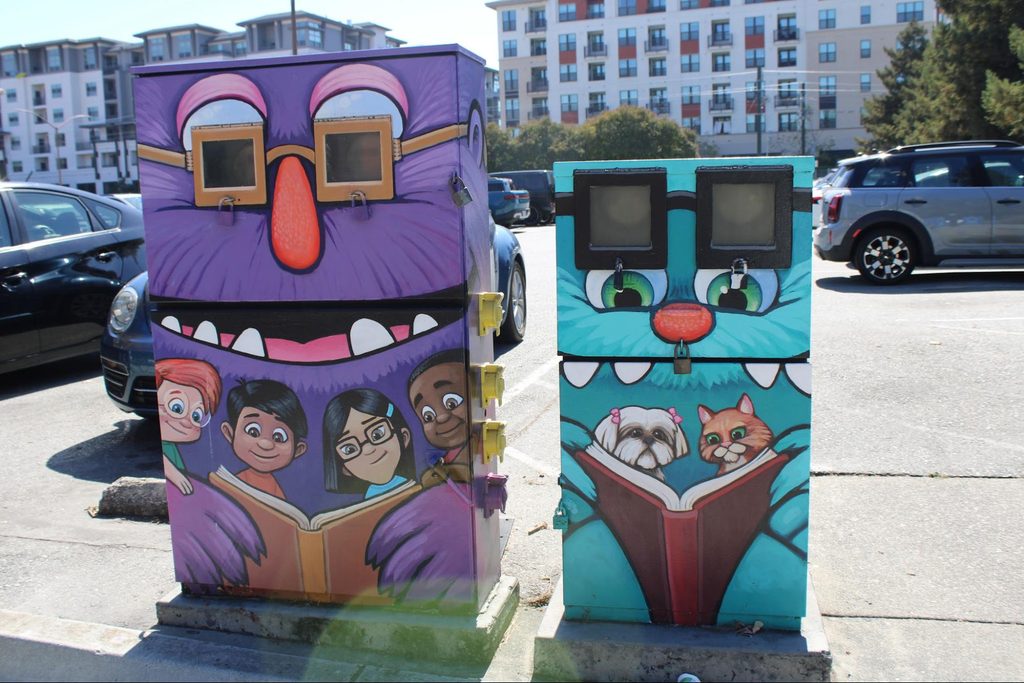
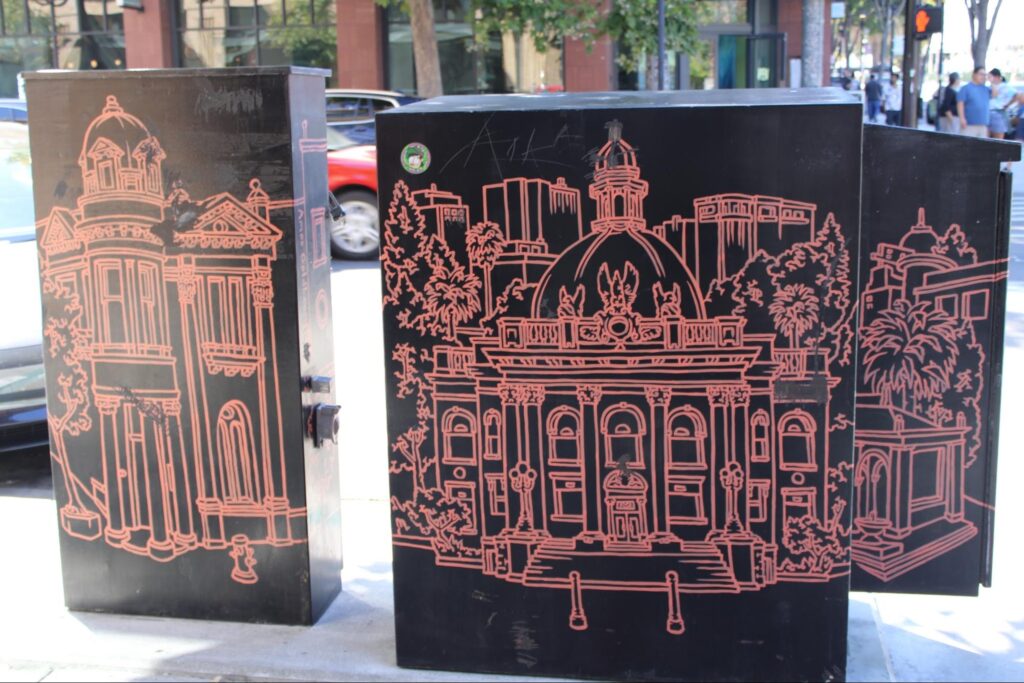
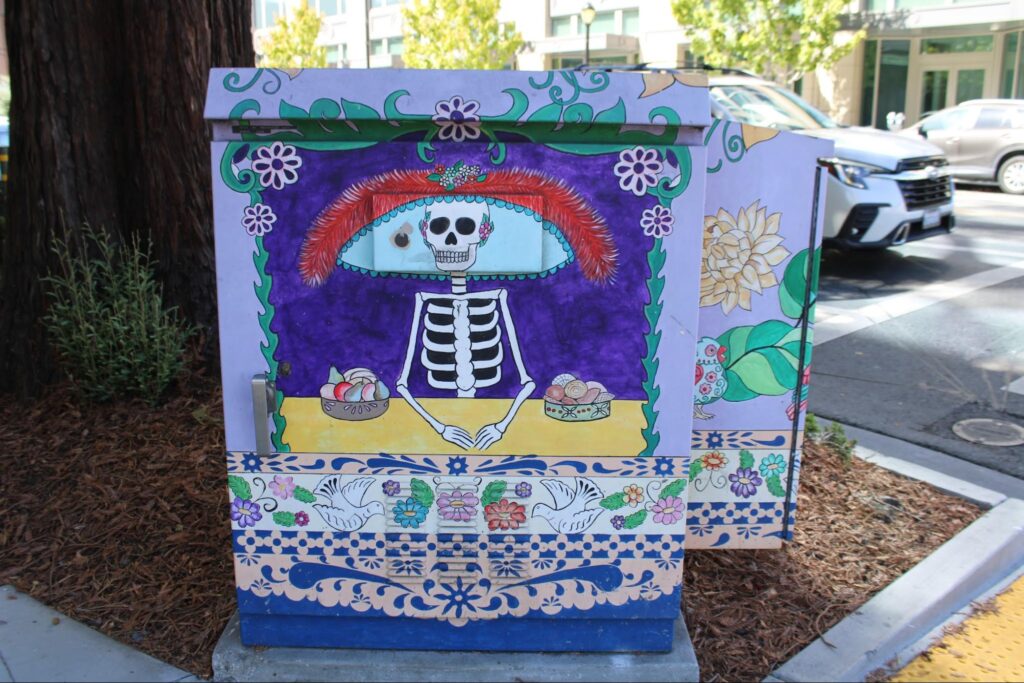
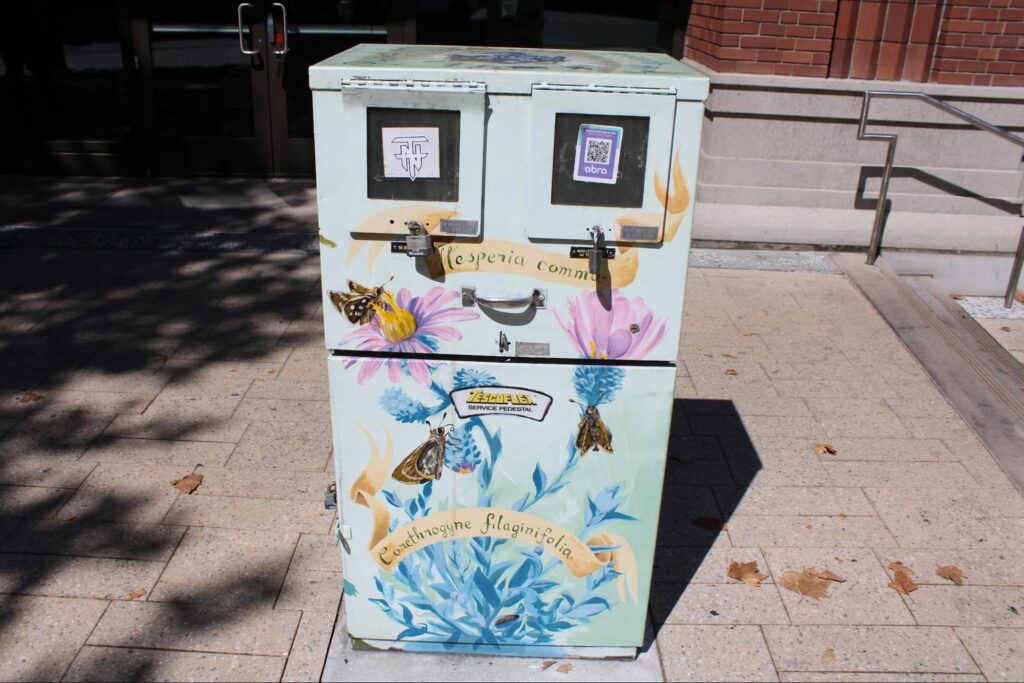
Murals developed with community participation lay the foundation for shared stories and local pride. Community-focused street art reflects a town’s values and fosters deep social connections with the neighborhood where it is painted.
“A mural’s supposed to bring people together, supposed to make people feel safe. It’s supposed to put color because color really is the way we heal our minds, our unconscious psyche,” Rodriguez said.
Urban artwork strengthens communities by showing different perspectives and reflecting variety in its brushwork. Murals can bring out private or unknown stories into public areas where everyone can see, share, and connect.
Towns with artwork can display the community’s diversity. Our towns and neighborhoods are among the most diverse in the United States, and we need to be proud of that. So we need to support our community’s diversity by highlighting moments in history that show how different perspectives have positively affected our community. Art transcends literal language, and can foster emotional connection. So sharing stories about diversity through artwork is unique and constructs a foundation for love and unity.
In downtown Redwood City, a nearly 700-square-foot mural contains images of history, social justice, and local heritage. “I feel that it shows different historical moments, and it shows a lot of diversity in it. And I feel like that just helps people feel like they are represented, and this is their home. They see just a little bit of their individual history,” junior Riona Nerrie said.
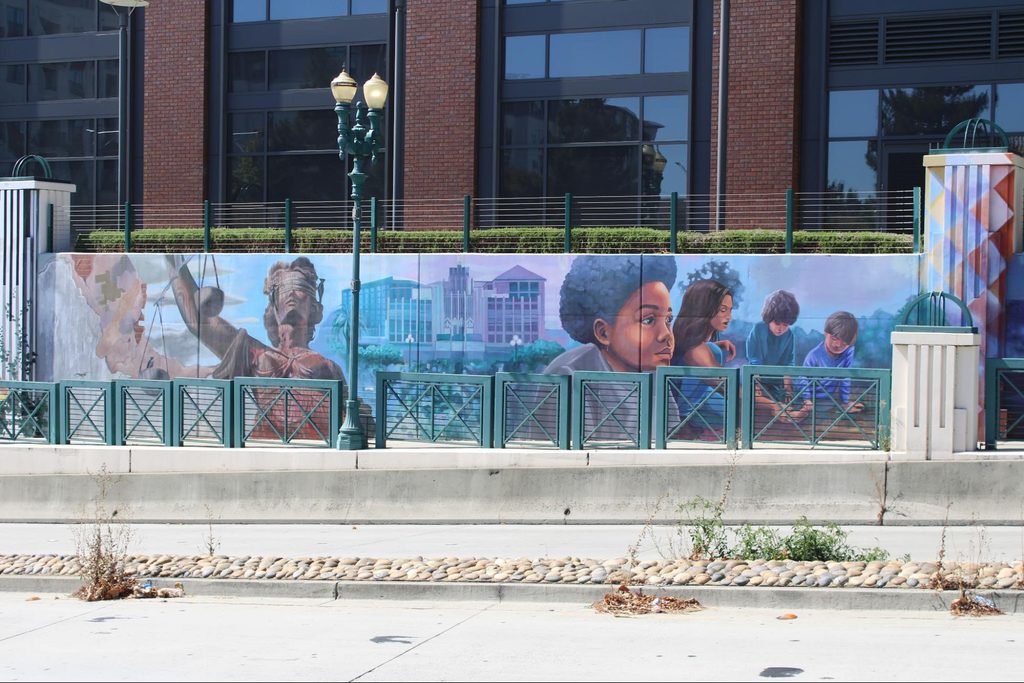
In San Francisco’s Mission District, lively murals feature abundant references to Latino culture, with people dancing in traditional dress or skeletons representing Día de los Muertos, embodying the pride of Hispanic heritage. People feel dignified and like they belong when they see their cultures and traditions represented in public spaces. In the world we live in today most ethnicities aren’t represented showing power and strength, so it is important to show that those ethnicities do matter, and do have an impact on everyday life.
“I think that diversity is as far as who we all are, even if we’re all the same, there’s always differences. There’s always different cultures, different grandparents, different customs, different dishes, different things that make us who we are,” said Rodriguez.
Viewing artwork in museums is not free, accessible, and public, while murals and urban artwork is everything but costly. Murals painted and curated specifically for a neighborhood or town can mirror the community members thoughts and ideas, and create connection.
“Murals are powerful. They’re a reflection of the community, what the community is going through, experiencing what they like to celebrate. So again, for me, there is power, there’s community and unity when it comes to creating public art,” Ulloa said.
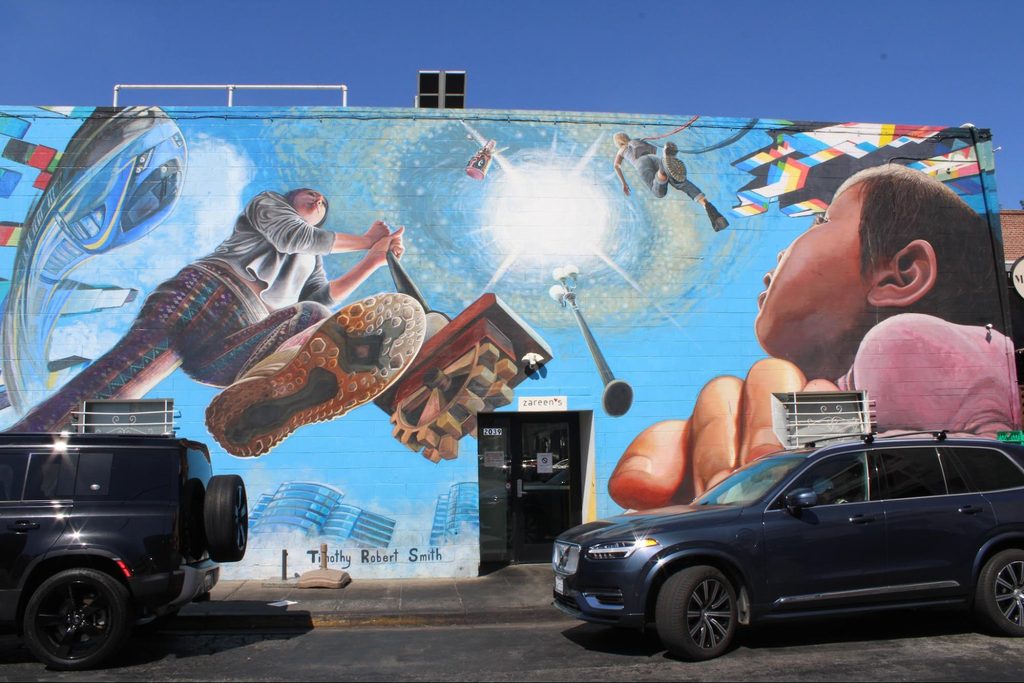
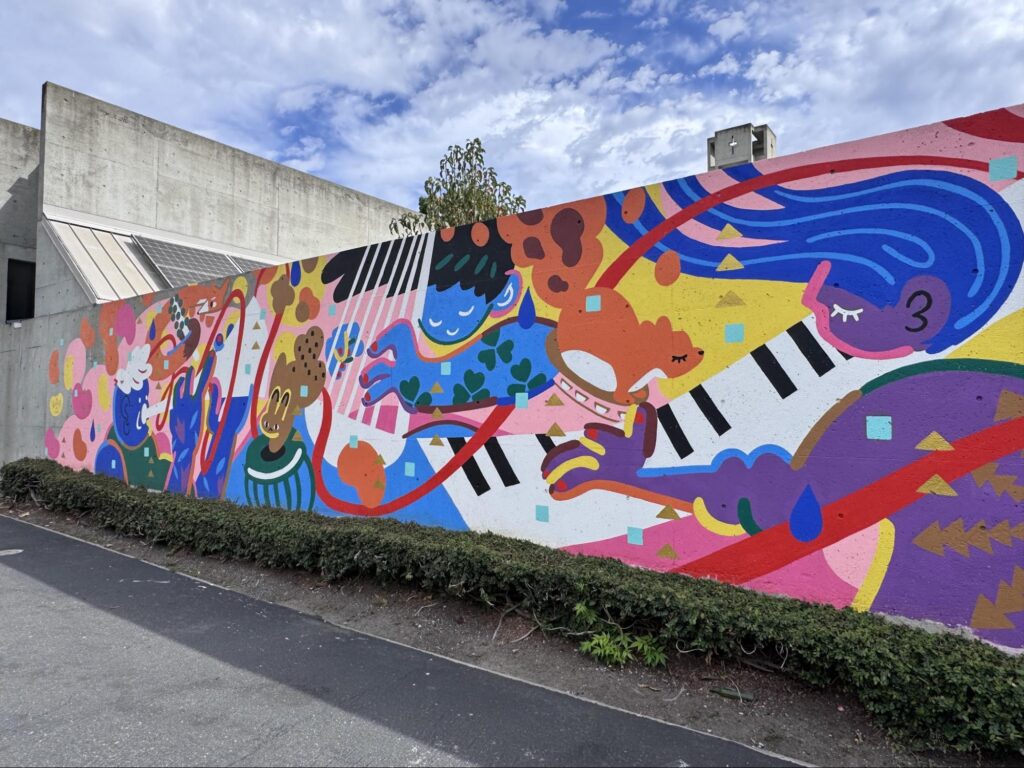
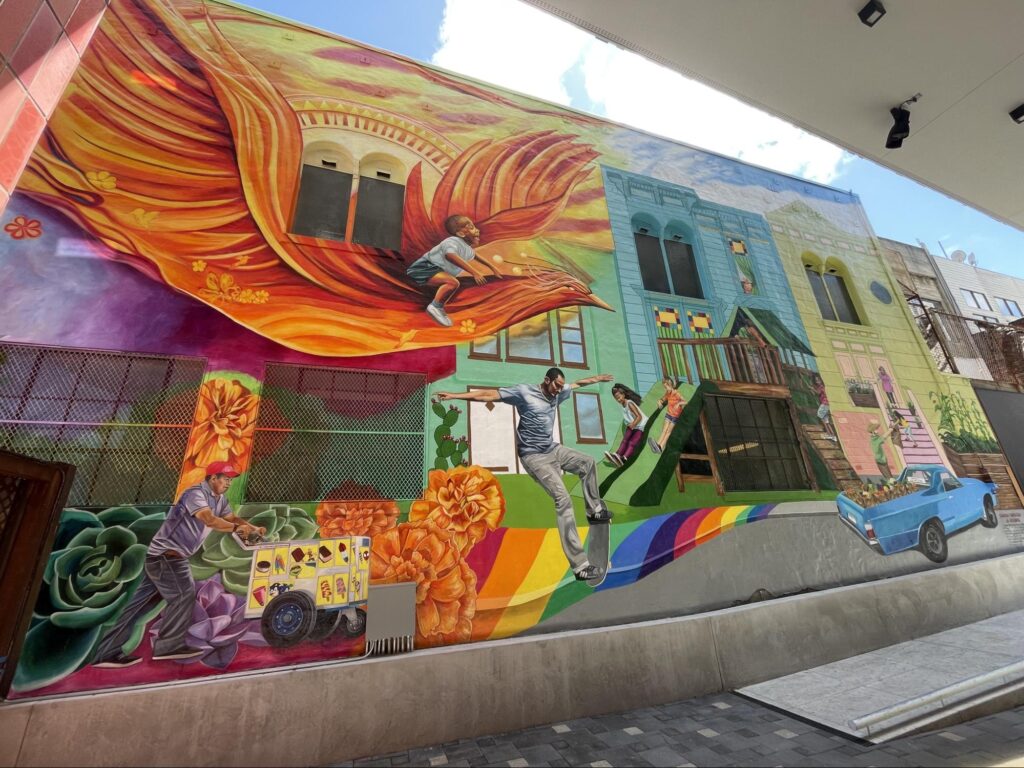
Menlo Park does have small remnants of public artwork, but our wonderful town could only benefit from adding color to everyday life.
Art can open doors to different perspectives. It can show us hardships others have faced, painted on a wall for the whole community to see, creating empathy.
If you were to walk around downtown and see murals containing bright flowers, happy faces, nature, or historical moments that show the best of humanity, that would bring people together and create joy. Different murals are pockets capturing hope and kindness.
“[Murals] let people dream. It lets people hope. It gives people pride. It does a lot, and there really should be more,” Melendez said.