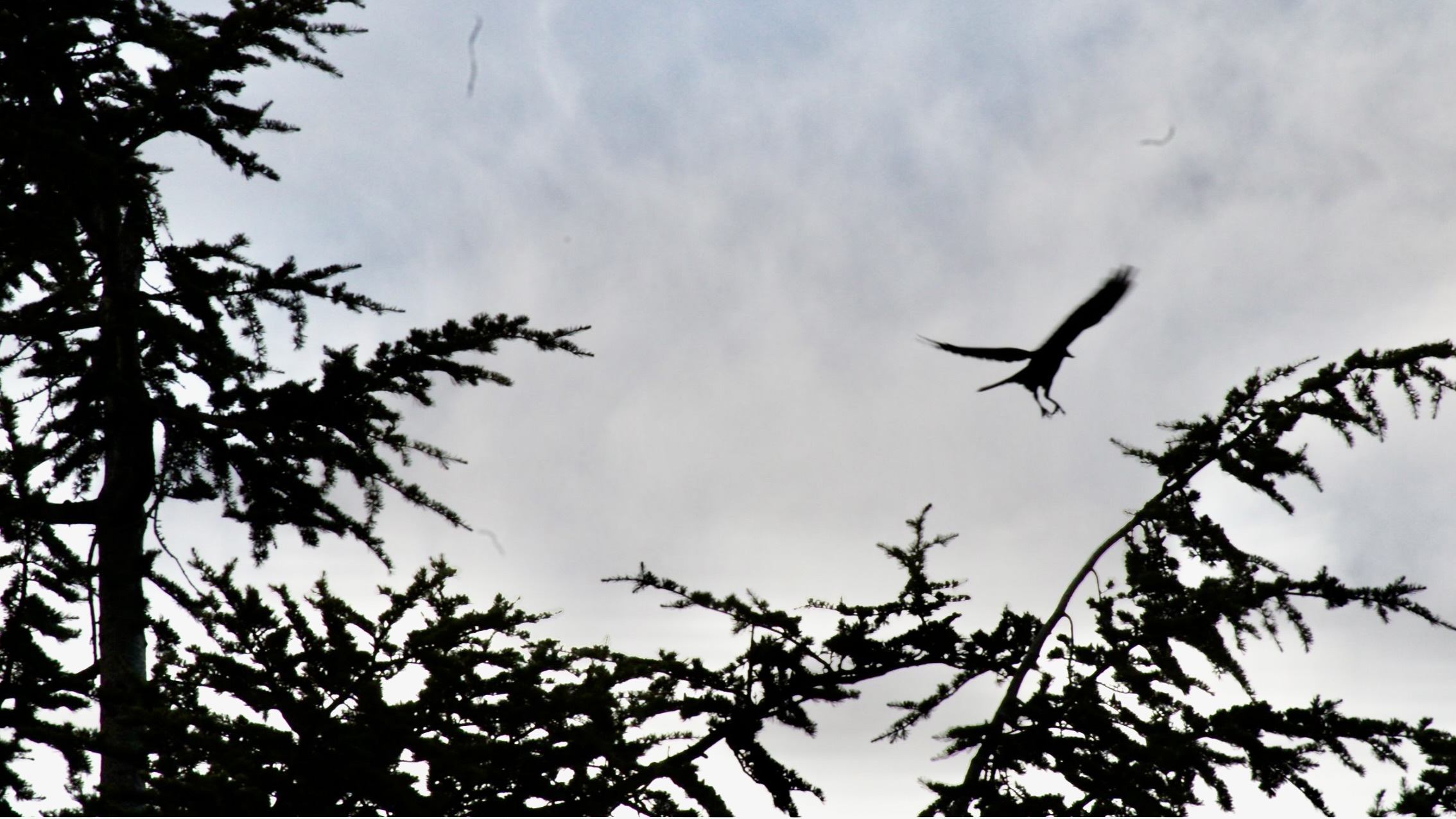
San Mateo County has seen an uptick in the number of crows infected with the West Nile virus since the beginning of June. As of Sept. 8, seven crows in Menlo Park and two crows in Atherton have tested positive for the virus. However, the virus cases do not present a major health concern for most San Mateo County residents.
The West Nile virus is a mosquito-borne illness that primarily affects horses and birds in the Corvidae family, including crows, ravens, and jays. Cases peak between June and October as a result of increased activity from Culex mosquitoes, the main carrier of the virus. Notably, infected hosts are not contagious, meaning mosquito bites are the only way for the virus to be transmitted.
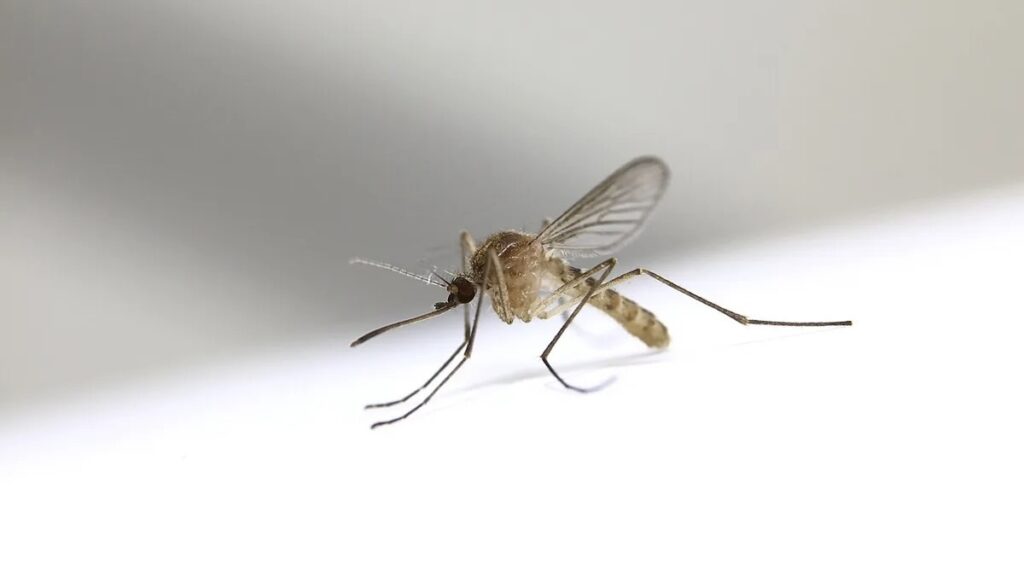
Although humans can contract the virus via mosquito bite, around 80% of infected people never display symptoms, according to the Centers for Disease Control and Prevention (CDC).
“Most people, like young, healthy high school kids, will not even ever know that they had West Nile virus,” said San Mateo County Mosquito and Vector Control District Communications Director Dr. Rachel Curtis-Robles.
Still, Curtis-Robles and other officials warn that certain demographics should take extra precautions. “West Nile virus can be fatal, particularly for the elderly and immunocompromised,” said California Department of Public Health Director Dr. Erica Pan.
“When we talk about using repellent and long sleeves and long pants and dumping standing water, we’re gonna especially want to make sure that all our grandmas and grandpas and all the older people in our lives are making sure to protect themselves from mosquito bites,” Curtis-Robles said.
The California Department of Public Health announced in August that statewide West Nile virus activity had reached a five-year high.
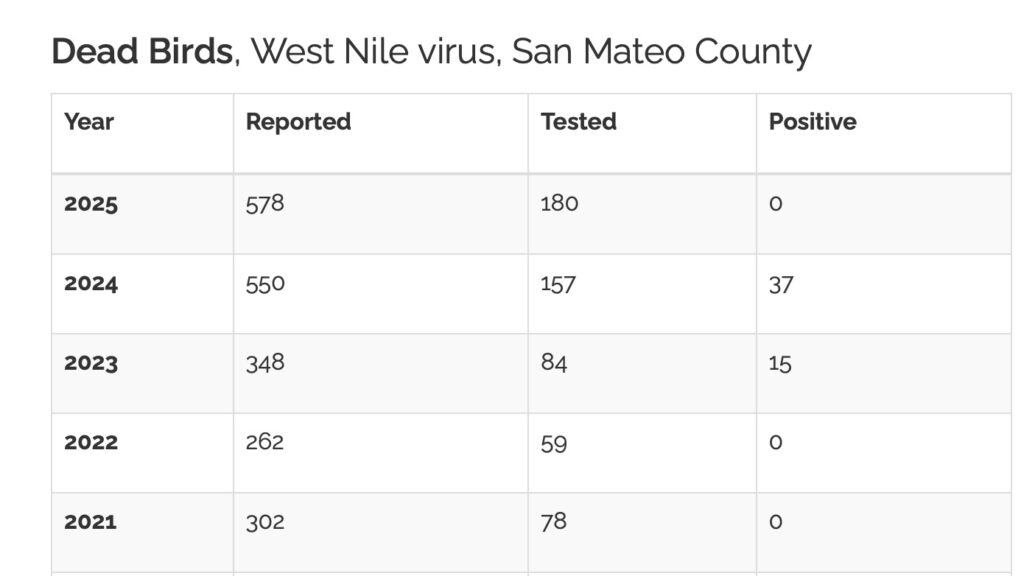
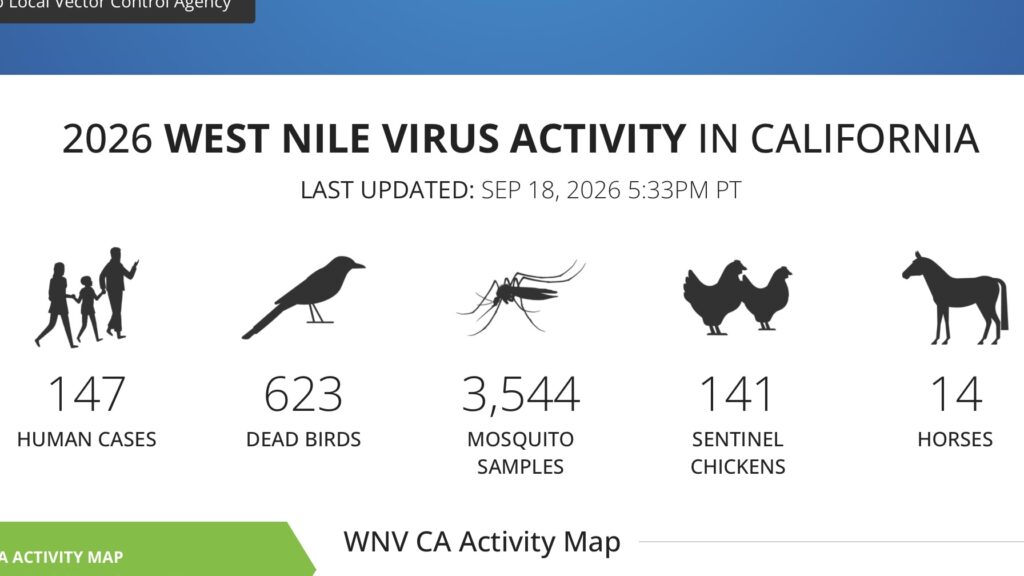
However, experts say most San Mateo County residents do not need to worry about the effect of increased bird cases on humans.
“If you’re talking about San Mateo County, the risk is very, very, very, very, very, very, very low. said Curtis-Robles. “[If] you’re talking about other parts of California, there is a risk.”
Despite the heightened presence of the West Nile virus in local birds, mosquito traps across San Mateo County have yet to find a single mosquito carrying it. As of Sept. 8, 4,133 mosquitoes from 347 pools had been tested, with none testing positive.
“What we think is happening is these birds are actually getting bitten by mosquitoes in other places outside of San Mateo County, but have, as part of their daily commute, let’s say, flying back and forth to San Mateo County,” Curtis-Robles said. “Some might be dying here, but are not necessarily getting infected here.”
Nonetheless, the San Mateo County Mosquito and Vector Control District works diligently to monitor mosquito populations. “What the team is doing all the time is checking for water all around San Mateo County and making sure that those mosquitoes that might be living in that water cannot emerge and come out as adult mosquitoes that can bite and can spread diseases,” said Curtis-Robles.
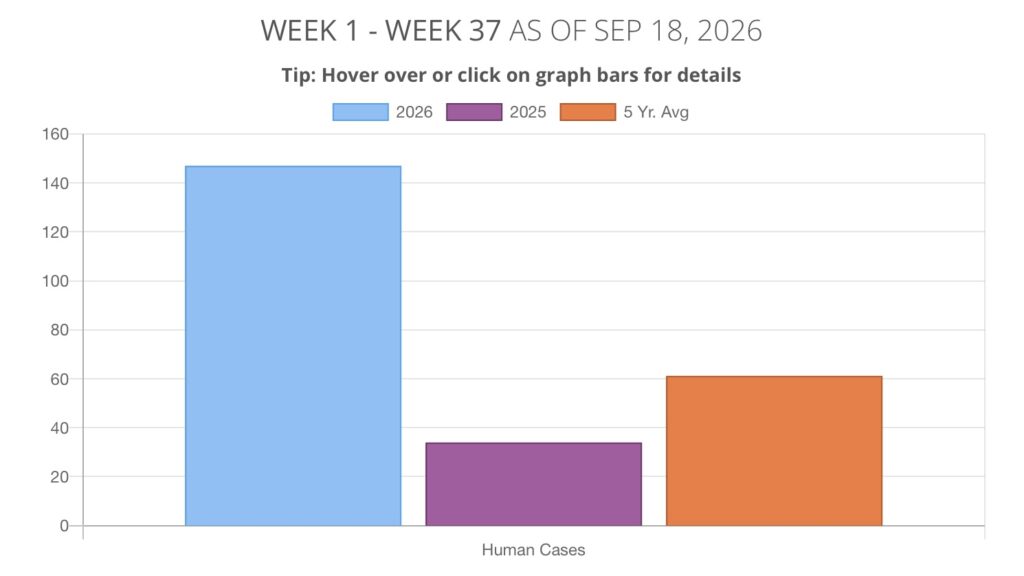
Approximately 2,000 officially diagnosed human cases of the West Nile virus occur across the United States each year, as reported by the CDC.
A small portion of people who get infected may develop symptoms two to six days after the mosquito bite, including headaches, vomiting, rash, joint pain, body aches, diarrhea, or fever. Fewer than 1% develop severe symptoms such as tremors, vision loss, muscle weakness, numbness, or paralysis, according to the CDC. Most people recover fully, though symptoms can last for several weeks.
Crows, along with jays, ravens, and magpies, are particularly susceptible to West Nile virus, so their deaths can help health officials assess human risk and identify areas where the virus is circulating.
“[People should report] what we might call a freshly dead bird,” Curtis-Robles said. “It’s not covered in ants. It’s not a skeleton of a bird. People have said, ‘Oh, it looks like it just dropped out of the sky.’”
Report dead birds that match this description to https://westnile.ca.gov/report to help track the West Nile virus.