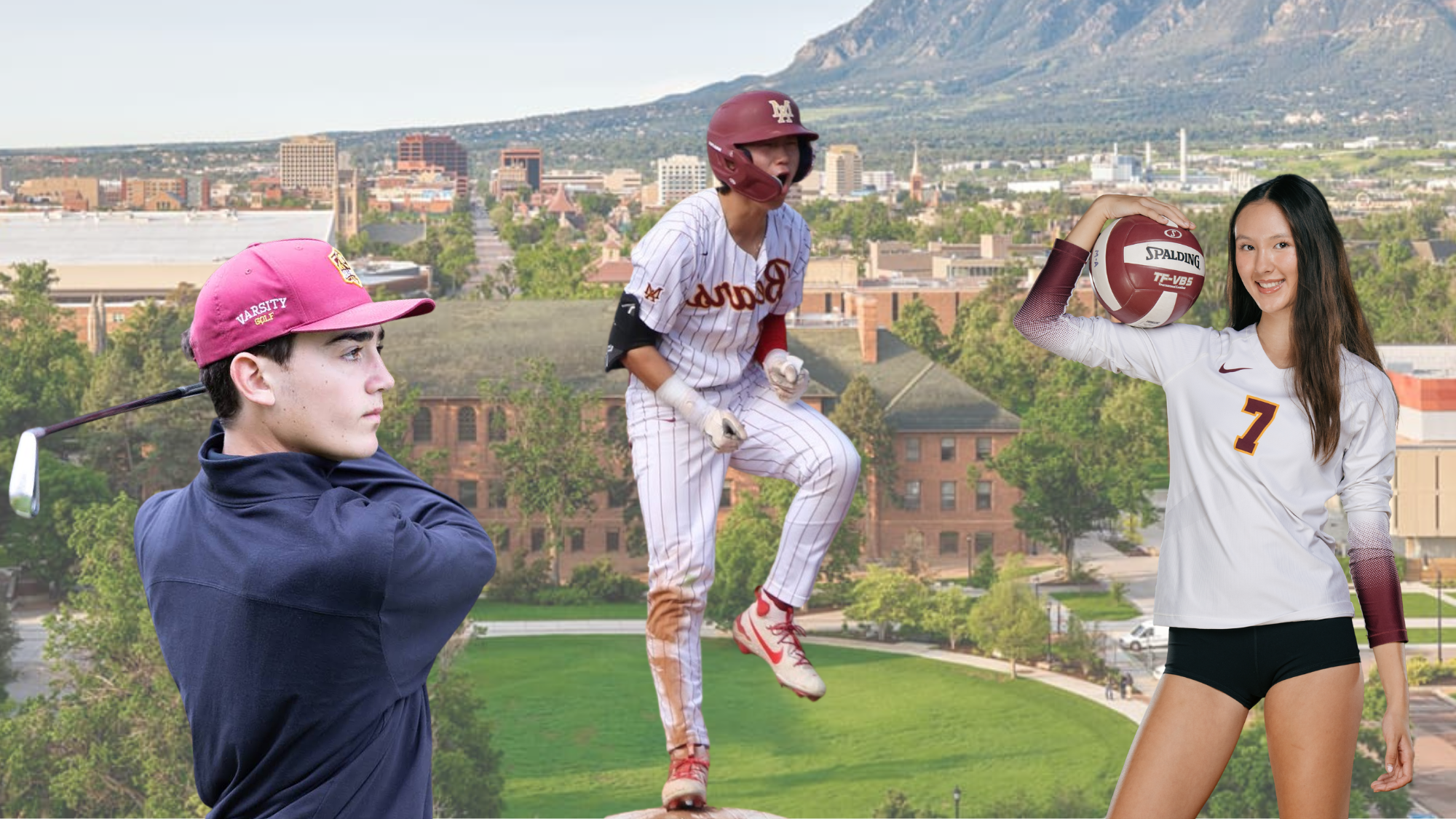
This is an ongoing article and will be updated as new athletes announce their commitments.
Henry Pecore

On Oct. 1, senior Henry Pecore committed to row for Dartmouth College. He ended up choosing Dartmouth due to its team culture. “I thought a lot of the other schools I was looking at had a bit of a separated team culture where the athletes would kind of be off on their own doing things with other athletes, but at Dartmouth, there’s more of an integrated culture where you can still be a normal student and an athlete,” Pecore said.
Pecore began his rowing career in eighth grade, following the path of his older sisters. “Both of my sisters rowed in high school, and I played lacrosse before in middle school. I just was ready for a switch, and I decided to try it. I started as a learner at summer camp, and I liked it,” he said.
His transition was easier because most rowers start later in childhood. “I feel like rowing is unique in that most people don’t start very young. Some other sports, like swimming, have people who’ve been swimming since they were like five years old, but in rowing you really can’t start before seventh or eighth grade, so making the transition in eighth grade is not at all like you’re late to the game,” Pecore said.
He enjoys the duality of rowing and high school. “I do sort of have two different worlds that I’m a part of, but it’s been good that I can have that separation where if something happens in school, I can talk to my rowing friends, and if something bad happens at rowing, I can talk to my school friends,” he said. “So the two worlds are definitely pretty separate, but it’s nice to have both of them as a balance.”
Pecore emphasizes the importance of visiting schools during the recruitment process. “I would say try to visit. Don’t make a decision anywhere before you’ve gone there, and talk to people who are actually on the team, because what someone will say about a school is very much biased by what they think, and it’s important to figure out what you think about a school before you decide to go there,” he said.
Henry Pecore is a journalist for the M-A Chronicle.
Mary Dolan
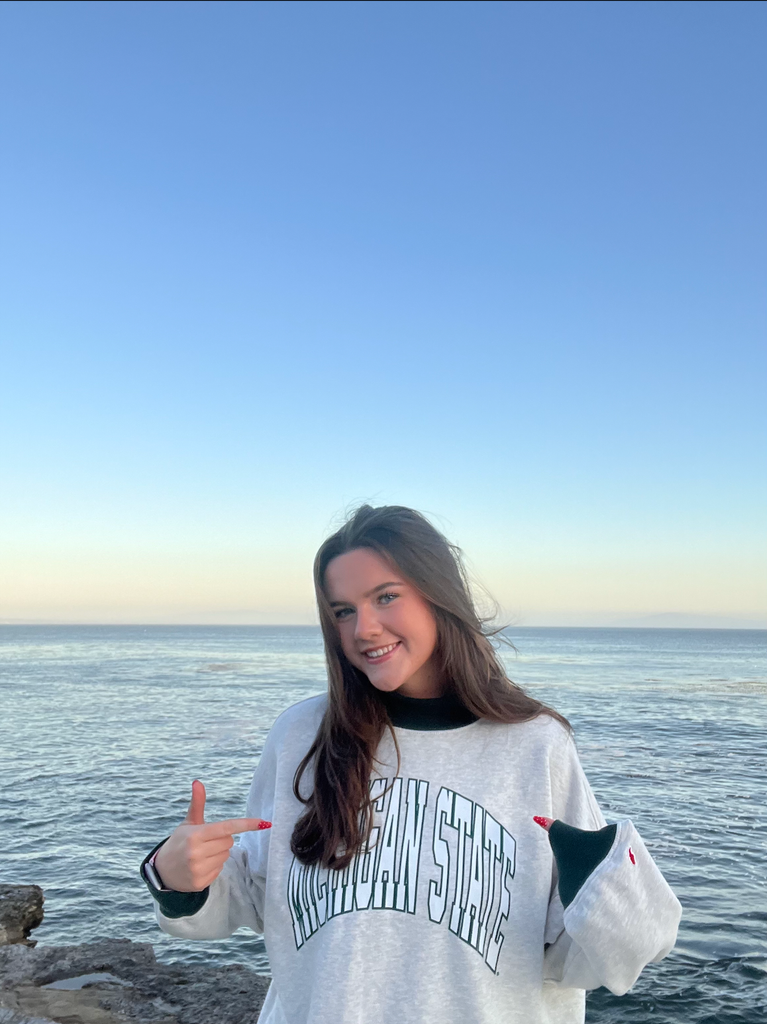
On Oct. 3, senior Mary Dolan committed to Michigan State University for rowing. Dolan was drawn to Michigan State because of its culture. “I really like the school spirit they have and the big rivalries between Michigan State and Michigan,” she said. While rowing was a gateway for Dolan, her decision ultimately came down to the team atmosphere. “I love the girls on the team and all that stuff, so it kind of kept me there,” she said.
After quitting basketball, Dolan quickly picked up rowing in her junior year and decided to pursue crew in college in October of that year. “Some of my friends played water polo before they started rowing, and they were able to pick it up pretty easily, and they’re going to great schools too,” Dolan said. “I knew I wanted to be an athlete in college, but I didn’t think basketball would be a right pathway.”
She values the organization sports bring to her life. “I really enjoy having a schedule, like having that structure that I had to follow every day, being a student-athlete,” Dolan said. “And then there’s also a lot of like academic support you get as an athlete.”
Dolan’s recruitment was a tedious and repetitive process, but it paid off. “You kind of got to keep everyone updated every two weeks. It’s just a lot of emailing,” she said. “I got really good about talking about myself, though, so it was like a good learning experience.”
Dolan advises others to remain persistent and confident in their abilities. “Just stick with it because I feel like progress isn’t linear. There’s a lot of ups and downs, and sometimes it feels like you’ve had bad practice after bad practice, but then there’s always a breakthrough you’ll have after that,” she said.
Calvin Blanford
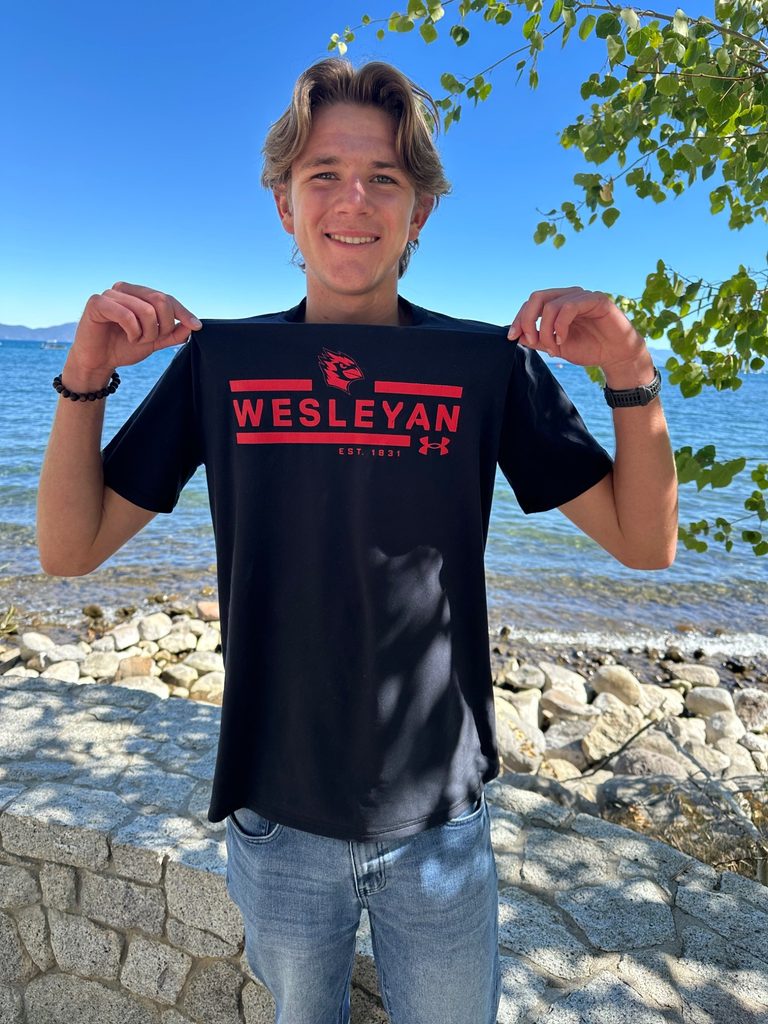
On Sept. 23, senior Calvin Blanford committed to Wesleyan University to run cross country and track. He landed on Wesleyan primarily because of its strong interest and communication. “Wesleyan was the first one to reach out to me, which mattered to me. I also liked the school at first, so I was lucky that the school I liked the best of was the one that reached out to me,” Blanford said.
M-A naturally guided Blanford to running. “I just started freshman year. It was kind of just luck of the draw or a fluke, but I stuck with it for whatever reason. The coaches were great. They made it a good time, and I was just inspired by the people around me to keep improving,” he said.
Blanford credits M-A’s unique cross country environment with deepening his love for the sport. “The coaches introduced me to the sport, and they gave me what I have today. The running community at M-A is really special. It’s definitely one of excellence and supporting each other. At a different school, I don’t think I would have reached the same level and have the same opportunities that I have,” he said.
Blanford recommends not comparing your recruitment process to that of other athletes. “Just take people’s advice with a little bit of a grain of salt because it’s their experience, and your experience is going to look different. Just communicate with your coaches and your parents and have your goals in mind and just trust that whatever’s going to happen is going to work for you,” Blanford said.
Sophie Marks
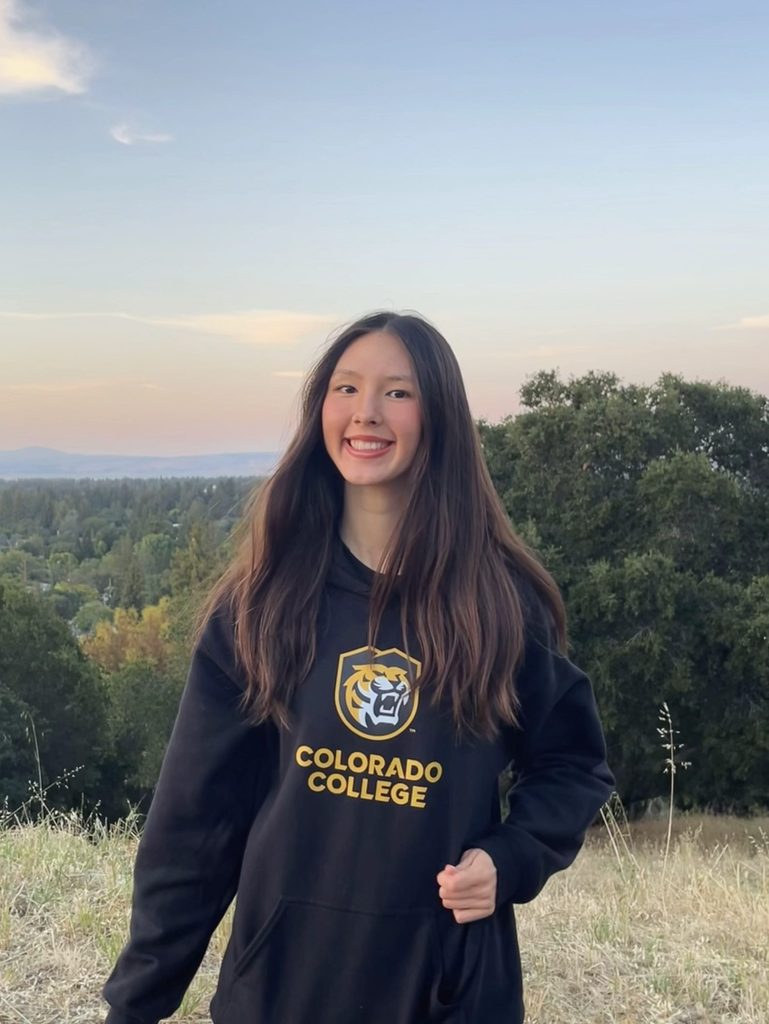
On May 25, senior Sophie Marks committed to play volleyball for Colorado College. She pointed to Colorado College’s unique schedule as a major influencing factor. “I love the block plan of Colorado College. I get to talk to my professor and dive deep into a subject for three weeks, and then instead of balancing a lot of classes, it makes it a lot easier for me as an athlete to focus on one class at a time,” Marks said.
Volleyball was always in Marks’ life. “I started playing when I was 7 because my mom did. Throughout first grade, I loved playing,” she said.
The recruitment process was a mix of challenges and successes for Marks. “It’s always gonna be hard to just be rejected, like telling coaches to come watch you play and they don’t show up, or them telling you that they have a full roster already and no one can get recruited,” she said. “But I’d say for me it was a lot better because I was able to call a bunch of coaches and get my video out there pretty easily.”
Marks recommends the recruitment process to anyone considering it. “Just do it, honestly. I wasn’t sure at first if I actually wanted to, but going through the journey, you learn so much more about colleges and what other colleges are out there. You might not think you want to play, and then end up going to the college of your dreams,” Marks said.
Merrick Lee

On Aug. 19, senior Merrick Lee committed to play baseball at Claremont-Mudd-Scripps (CMS). Lee chose CMS due to its excellent baseball program and recent renovations. “They have all the stuff that I need. They have great academics. It sets me up for success in the future for baseball and after,” Lee said.
Lee has been playing baseball since a very early age. “I first started when my neighbor started playing when I was like 7. I joined him, and then started taking it seriously and realizing that I could play in college by my sophomore year,” he said.
Lee attributes his success to his parents and coaches. “My parents have helped me a lot. They spent so much money with all the club baseball and all the equipment. Also, all of my coaches. I have a good core group of coaches that have helped me,” Lee said.
Many of the older baseball players from M-A helped shape Lee into the player he is today. “M-A surrounded me with good players and good people to look up to,” he said. “As a sophomore on varsity, I had a lot of people playing college baseball that I could look up to and learn from.”
Lee’s advice for anyone in the recruitment process is to not lose perspective on the game. “Just keep having fun, [and] keep playing it for the right reasons,” Lee said.
Stella Hall
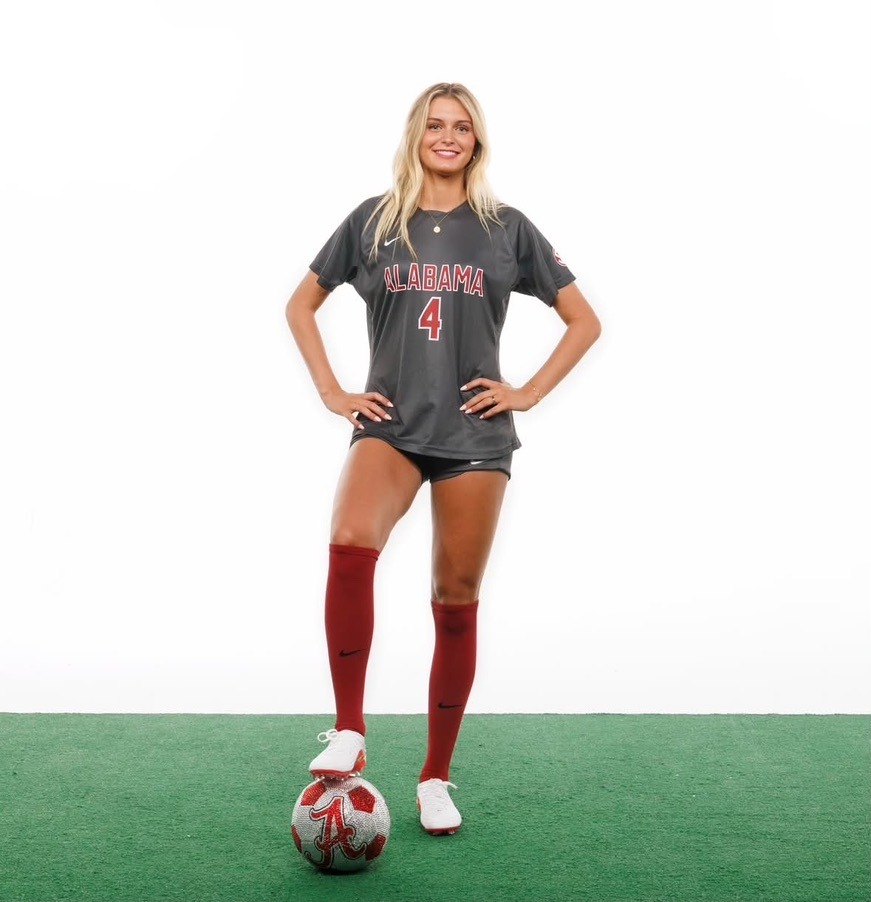
On April 3, senior Stella Hall committed to the University of Alabama to play soccer. She especially loved the school because of its southern hospitality and school spirit. “I went to a couple colleges in the South on visits, and I was like, ‘Oh my gosh, I love this.’ The school spirit, it’s such a big thing [in Alabama],” Hall said. “There are actually no pro sports teams in Alabama, so University of Alabama teams [are] the sports that people go to watch. It just feels really special to be a part of.”
When Hall was 5, her parents enrolled her to play in the American Youth Soccer Organization (AYSO), and she never tried another sport. “I would play during brunch and lunch at Oak Knoll in the field with all my friends, and I made them play with me. But I think that when I realized I really, really loved it, and I think my parents saw it too,” she said.
Hall’s recruitment process was straining. “I skipped eighth grade, so I’m a year younger for my grade, so I don’t think I was mentally prepared, honestly, for [recruitment]. And it starts the summer before your junior year for soccer players, and I was just so overwhelmed at first,” Hall said.
While most of Hall’s teammates knew what they wanted in a school and had a parent to guide them through the process, Hall did not. “Me and my mom kind of went and learned about [recruiting] together through the process. So mine was a couple months longer than other people’s but I’m really grateful for that. I wouldn’t be going to Alabama if I didn’t wait longer, so I’m really happy that I took the time and visited places and saw what I liked,” she said.
Hall’s favorite thing about her sport is the people it’s brought into her life. “I’ve been on multiple teams over the years, but each time it’s like a family and you get so close, just traveling together and all of that. My soccer friends are my family,” she said.
Hall’s advice to other student-athletes is to create a life to support themselves outside of their sport and to be secure in themselves. “It is hard when you’re not performing well in your sport, or you feel like you’ve hit a plateau, or you’re kind of streamlined for a bit, which happens often,” Hall said. “I think balance is good, and I think a lot of times, [athletes] get stressed.”
Sonia Haggie
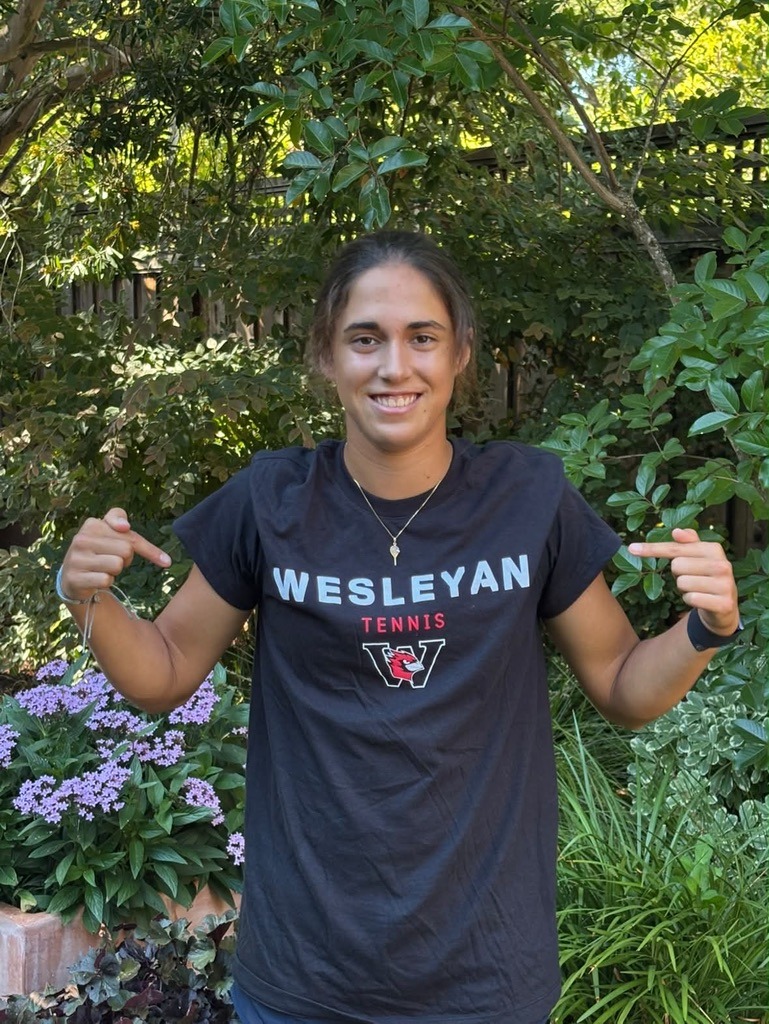
On July 22, senior Sonia Haggie committed to play tennis at Wesleyan University. Haggie chose the school because of its balance. “I really like the coach and the team culture there, and they’re a pretty strong team at the top of D3,” Haggie said.
Haggie got into tennis at 8 years old and began playing in tournaments at 13. “My mom played, and so that kind of got me into it, but then I really liked tournaments and wanted to keep playing,” she said. “I really like traveling for tournaments and going around the country.”
Haggie decided she wanted to play in college her freshman year of high school and began the recruitment process as a junior. “I would say it helps to go to a national tournament where a lot of the coaches are and then they watch you play. After that, I just started talking to a lot of schools, and then I went on some visits, and I really liked Wesleyan, so I decided to commit there over the summer,” Haggie said.
Her advice to other student-athletes is to be communicative and organized, especially during the recruitment process. “It’s really good to communicate with your teachers if you ever have to miss school, and just trust that you’ll find the right place for you in the end,” Haggie said.
Alex Powell
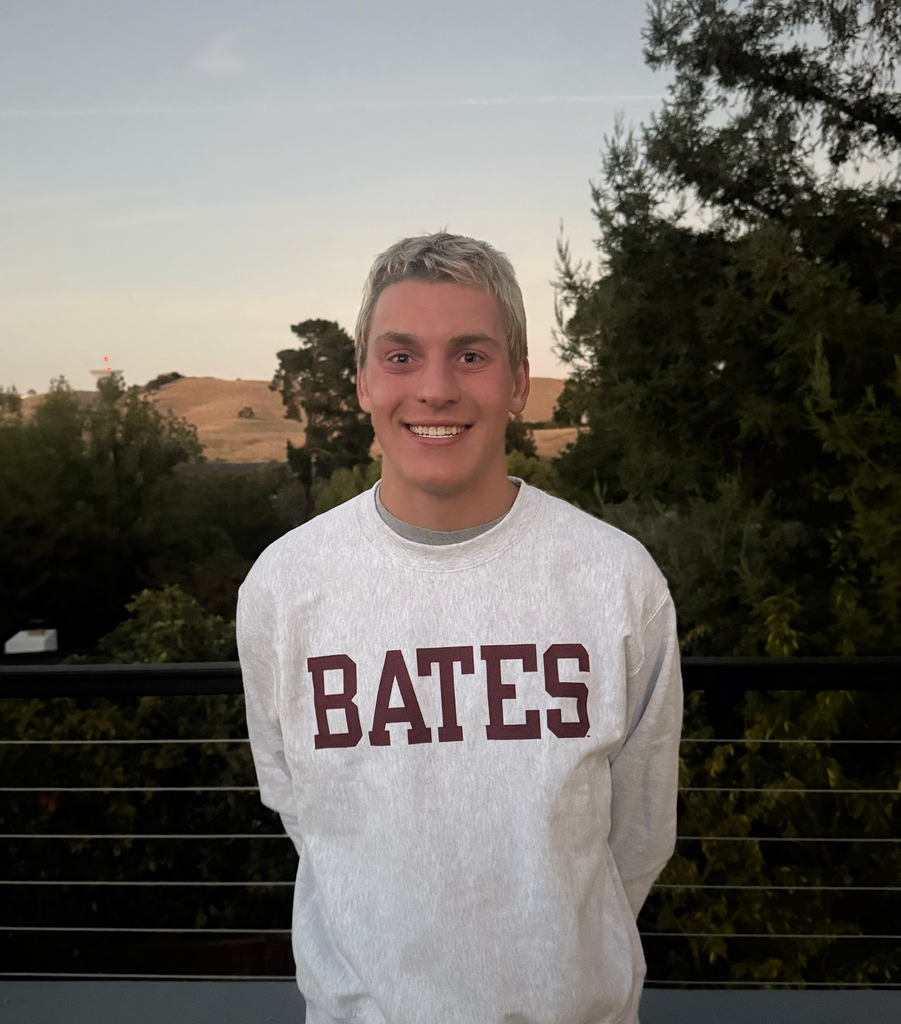
On Sept. 2, senior Alex Powell committed to swim at Bates College. His decision to attend Bates came down to his positive experience while visiting the school. “When I visited the team, the coach was super nice. It felt like my home team, and I didn’t really feel anything else with all the other teams. He just seemed like a good coach in general. He seemed like he cared about everyone being faster and enjoying the sport,” he said.
Powell has been swimming since he was 2 years old. “The reason I started was because it was the only sport I liked. I tried out a lot of other sports, and I just hated all the rest of them,” he said. His desire to compete in college started when he was 11 years old. “I realized that you could continue to swim [at] different levels,” Powell said. “I was like, ‘Oh yeah, I just really want to swim in college’.”
He started the recruitment process in Dec. by reaching out to coaches, and began to narrow down his list during the summer. “I was like, ‘Okay, I really gotta start thinking about which colleges I actually want to swim at, which ones do I want to visit and stuff like that,’ and then after that, I would go visit the teams, talk with them, [and] see what the vibes [were] like there,” Powell said.
Powell’s advice to other student-athletes is to be open-minded. “I wouldn’t worry too much about what college you want to get at because your dream college might not be the one,” he said. “So just keep your mind open about all the other different colleges, and don’t have your mind too fixed on one.”
Alina Decker
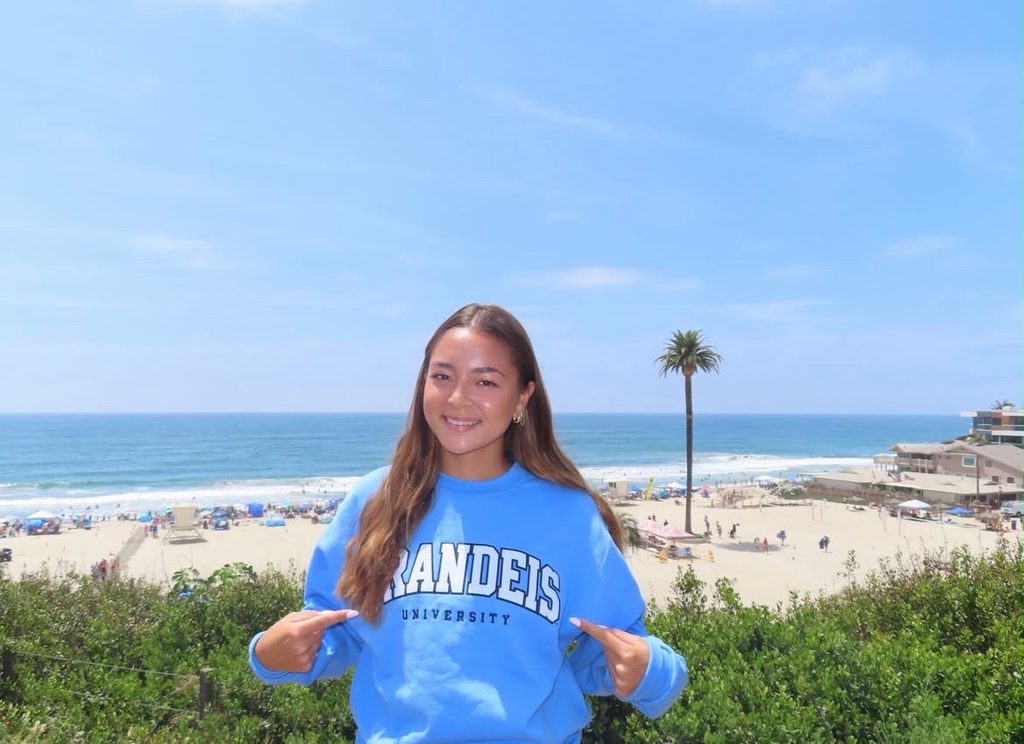
On July 24, senior Alina Decker committed to Brandeis University for track and field. “I chose Brandeis because the coach was something that really stood out to me. Obviously, track coaching can be a little different because there’s so many coaches on a team,” she said. “But the one thing I loved about Brandeis was that I loved each and every single coach, no matter if it was just a coach that was coaching my event or coaching throwing and stuff. I just loved all of them.”
Decker didn’t start running track until high school, after playing soccer her whole life. “I joined it freshman year as a joke. I just wanted to stay in shape, and my times were not super great,” she said.
She originally started the recruitment process in soccer and continued through junior year. “I realized I wasn’t sure if I really wanted to do soccer, so then I started focusing more on track,” she said. “Track recruiting is pretty straightforward because you have times that you can send in. But for me, the main thing was because I haven’t been running for very long, I needed coaches to understand that my times were one thing, but my potential was another thing, and I think track coaches are really good at seeing that.”
She started the track recruitment process during her junior year, when her times showed significant improvement. “I started to get times that were actually good, and I started to realize, ‘Oh, I kind of want to continue this,’” Decker said.
Decker’s advice to other student-athletes is to keep your options open. “It’s never too late. I was getting recruited for soccer until literally [the] end of junior year, I decided to get recruited for track instead. So honestly, it’s never too late,” she said.
Michael Powell
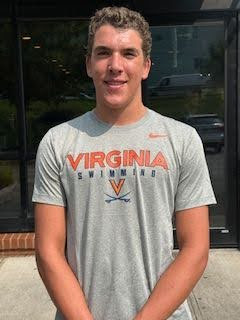
On Sept. 28, senior Michael Powell committed to swim for the University of Virginia. His decision to attend UVA was ultimately due to the supportive community and its amazing education system. “I really loved the vibe that the team had and the coaches are some of the best in the world,” Powell said. “I also really enjoyed their campus, and they had everything I wanted in terms of academics as well.”
Powell has been swimming for longer than he can remember. “I first fell in love with it because I had lots of fun in the water and with my friends on the team. As I got older, I stuck with swimming because I found that it was something I was really good at,” he said. At the same time, Powell really enjoyed the competitiveness of it all. “I had people around me who were competitive, so I wanted to get better to beat them. Now I do it for all the same reasons, with friends and competition,” he said.
Throughout his recruitment process, Powell had trouble remembering to respond to schools and coordinating times to meet and discuss with his coaches. “It was hard to find time to talk to coaches and keep track of replying to the schools I had interest in,” he said. Although there were some difficulties along the way, some parts were easier, like traveling to the schools to check them out. “An easy part would have to be going to the recruiting trips, because the teams planned out everything I could do while I was there,” Powell said.
During Powell’s recruitment journey, his parents were the first people there, helping and guiding him the whole way. “My parents drove me to every swim meet even when some were hours away. They always woke up early to help drive me to morning practice every day,” he said. “I would also like to thank my coaches as well for helping me become the best swimmer I can be.”
Powell’s advice to other student-athletes hoping to play collegiately in the future is that failure is crucial to improvement and that coaches will always want the best for you. “Failing is the most important part of the process. You have to fail in competition and in practice, and just keep going. I’d also say to trust the process and your coaches. They know what they’re doing, and if you feel like there is a problem, like a real problem, then voice it to them,” Powell said.
Graham Martin

On Nov. 22, senior Graham Martin committed to the U.S. Naval Academy to play golf. Martin’s decision was primarily because of the larger commitment that comes with the U.S. Naval Academy. “My whole life, I feel like I’ve had this desire to do something and be impactful in my life, and going to the U.S. Naval Academy fulfilled this dream for me,” he said.
Coming from an athletic family, Martin felt a lot of pressure over his decision to play golf, but he has been incredibly dedicated throughout his career and only continues to grow. “I come from a tennis family with both my dad and my sister playing Division 1 tennis, but by the time I was 10 years old, I split off with tennis and picked up golf. It wasn’t until eighth grade that I really started taking golf seriously, which meant playing tournaments and practicing every day,” Martin said. “I faced a lot of backlash with people always questioning whether it was a real sport or thinking I was joking when I said I played, but I’ve practiced almost every day for the last three years and kept grinding.”
His recruitment process luckily came without much difficulty, but the ultimate decision was still a complicated choice. “I had assistance from many people in my recruitment process that kept things running smoothly, and I always tried to respond on time, but for me the hardest part was the decision. I was offered to play golf at a couple of other schools that I would’ve dreamed of going to not too long ago, and with the deadlines I was given, it was really hard to make a choice,” Martin said.
He owes a large part of his golf journey to his dad and is incredibly grateful for the endless support he has given. “As I get older, I realize that my dad is one of the only guys in my life who wants to see me do better and be greater than him. He covered all the expenses, drove and flew with me for hours upon hours to these tournaments, and was always there when I struggled,” Martin said. “All the greatest lessons I learned are from him, and even though there were times when I questioned his teaching methods, it always worked out.”
His advice to other student-athletes is to be as open as possible when considering your choices. “Visiting as many schools as possible will widen your perspective on colleges and will help you find what you truly want. I wouldn’t get too caught up in the statistics or what other people tell you, but instead find a place where you can see yourself being happy even when you’re not playing your sport,” Martin said.