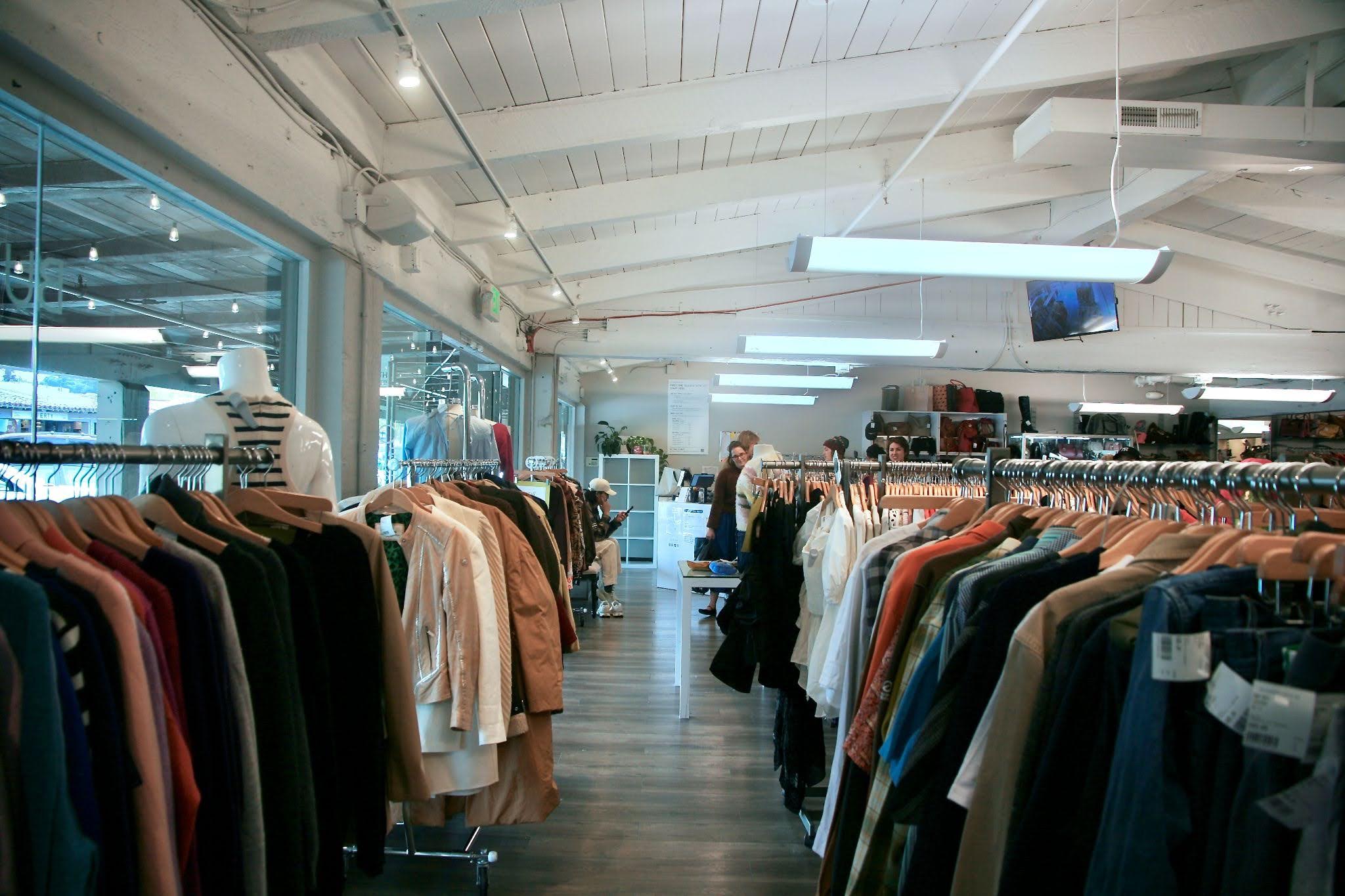
For some students, buying unique clothes means a quiet scroll through Depop on their bed between homework assignments. For others, it’s an afternoon digging through overstuffed racks at Goodwill with friends. These methods have different strengths. Online thrifting is a more low-key experience, highlighted by a tailored algorithm, whereas in-person thrifting is stimulating and communal. Despite these differences, students often weigh the same factors—cost, convenience, fit, sustainability, and overall experience.
For most students, thrifting starts with one simple goal: spend less money on clothes. Many said that in-person thrifting is significantly cheaper than online resale sites like Depop, especially for brand-name items. One of junior Lily Hackett’s best thrifting finds was a Free People jean skort for $5 at a Santa Cruz Goodwill, which would normally cost $78. “It’s a hidden treasure,” Hackett said.
Junior Anna Brown also turns to in-person thrifting to find name brands at discounted prices. “In this economy, clothes are so expensive,” Brown said.
But, as many online thrifters point out, in-person thrifting requires too much time and effort. “I’m just too lazy to go in person,” freshman Nadia Urena said.
Others are discouraged by the unpredictability and physical toll of in-person thrifting, pointing out that they have a better chance of finding a suitable piece online. “I don’t like having to sort through all the clothes,” senior Katie Jun said. “I like just seeing it on the website.”
Jun acknowledges that Depop and other resale apps’ costs are driven up by factors unique to online platforms, like shipping, yet she still said she preferred the app because she enjoys scrolling through endless listings. “Depop [is more expensive] because you have to pay for shipping and tax and stuff,” Jun said. “I still enjoy it because the prices are really reasonable and the extra [shipping] cost makes it worth it.”


Junior Kabir Iyer, however, appreciates that in-person thrifting isn’t streamlined or curated. For him, the active search is the whole point. “It’s a lot more rewarding finding a good piece rather than just going to an [app] where it’s all marketed to appeal to you,” Iyer said.
Iyer says the pieces he finds in person contribute to his sense of self. “When you’re actively searching for clothing, you’ll find stuff that’s closer to your interests, and you’ll strengthen your sense of identity,” he said.
For Brown, the most significant difference is the physical experience. “[Depop] is thrifting in the sense that you’re getting used clothes, but not in the sense that you are getting the experience,” she said. “Depop is online and on your phone, which is something I’m trying to steer away from,” Brown said.
Senior Caroline Baker also enjoys scouring the stores. “[It’s] the journey that I like,” she said. Although she agrees that Depop has plenty of appealing clothes, she can’t rule out in-person thrifting. “You can find a million things that are awesome, but it’s not as fun,” Baker said.
However, digging through racks and piles of clothes can be chaotic for even hardcore thrifters. For Hackett, Depop is a backup plan for the days when physical thrifting is too demanding. “Sometimes after I go thrifting, I can feel the grime on my hands,” she said. “That’s when I go into Depop, that’s when I [look up] cute sweaters.”
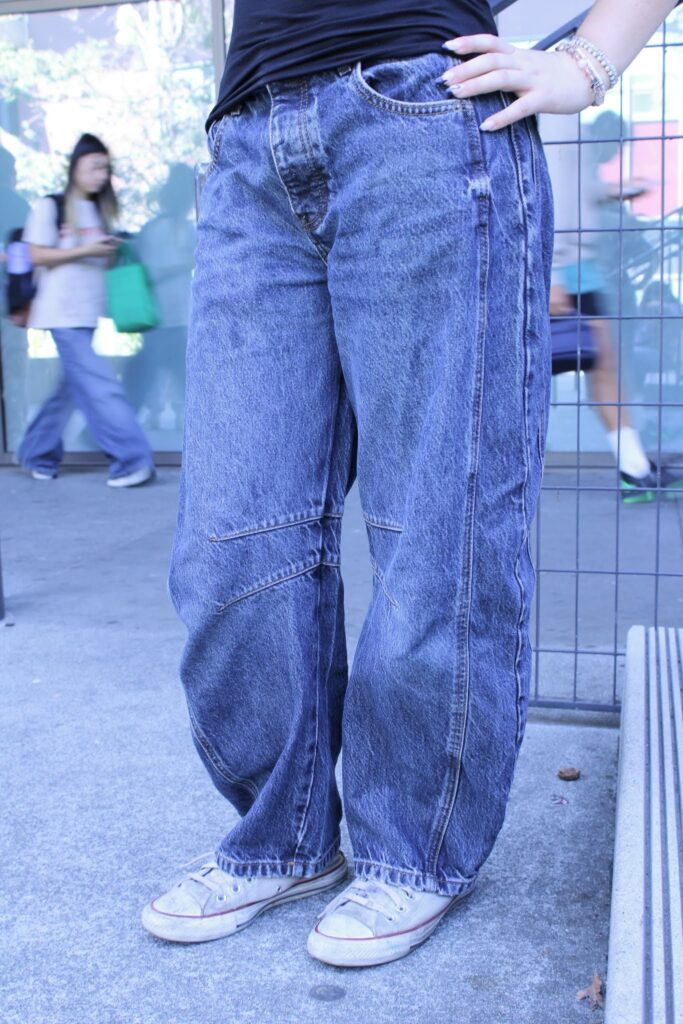
For some students, like senior Skarlette Pech, seeing how well clothes fit is the dealbreaker. “[Depop] sometimes [does] have better things, but it’s very difficult to see if it’ll fit right or not,” Pech said. “[In-person], I can see the way that it kind of lays, and if I want to, I can try it on. It makes it easier to tell what I do, and I don’t like.”
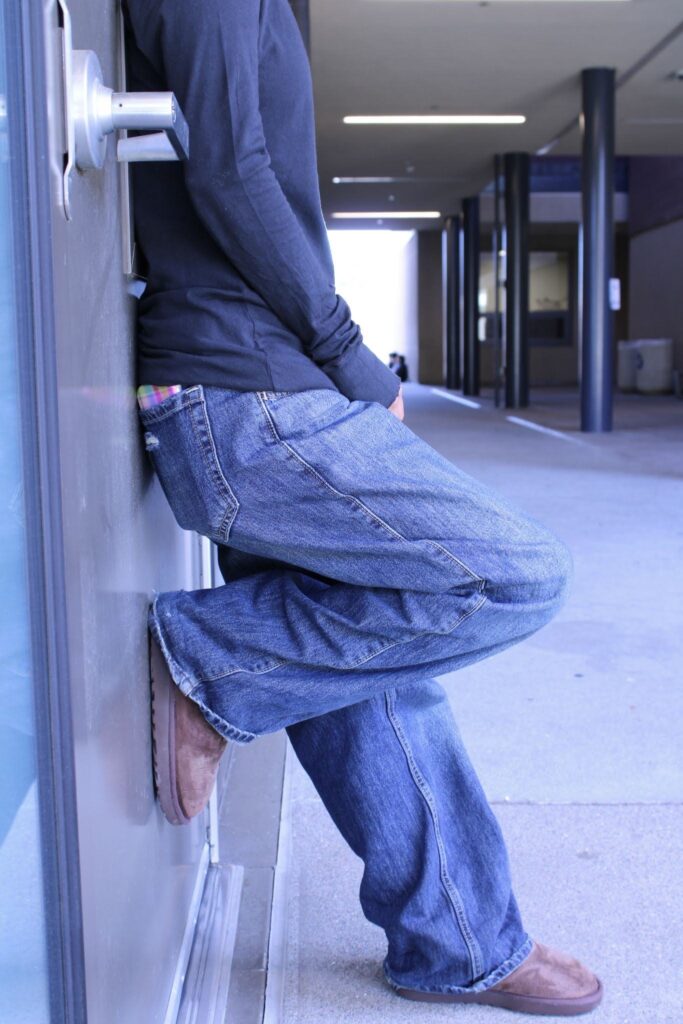
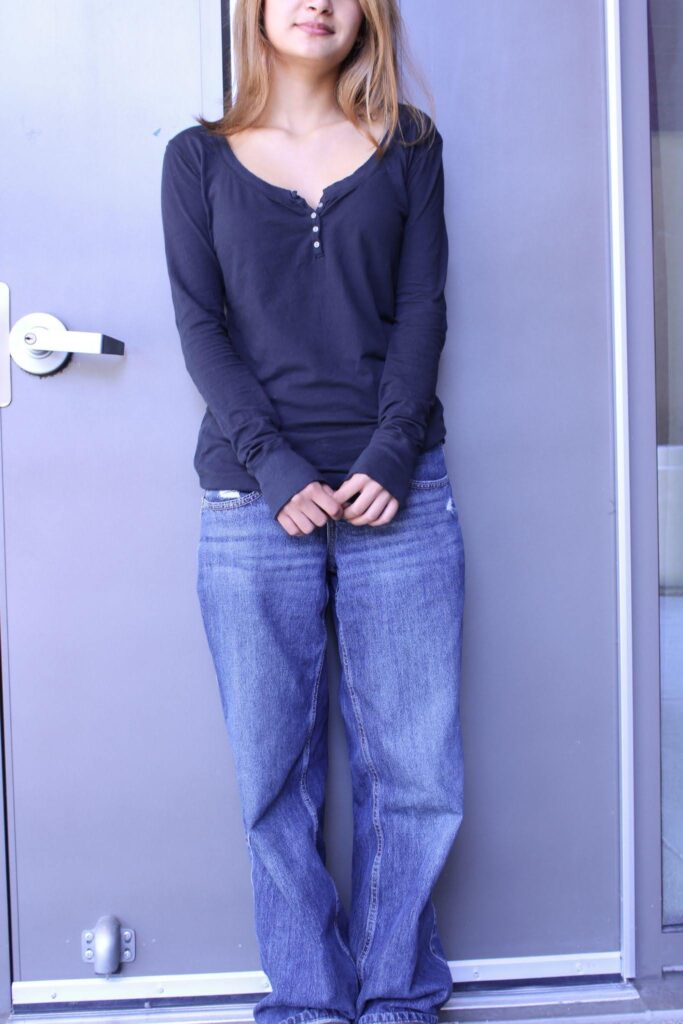
Another big motivation behind thrifting is the sustainability of buying secondhand. Iyer and Jun say this is a major reason they prefer Depop over online shopping from name-brand sites. “It’s not contributing to climate change,” Jun said.
“[Retail brands have] unfair working conditions for the people who actually work to [make] the clothes, and so buying secondhand, like Depop, Vinted, even thrift stores, it feels a lot better in my heart,” Iyer said.
For those looking to thrift in person, Hackett swears by the Goodwill in Santa Cruz, where she found her “treasured” skirt. For something a little closer to home, Brown recommended Savers in Redwood City. Iyer recommends heading a little farther out of town to Second Street Stonestown Galleria in San Francisco, or trying Vinted instead of Depop online for cheaper finds.
“Search up antique or flea markets because they also have really good, cheap stuff,” Pech said. “Usually, [they’re] cheaper than actual thrift stores.”

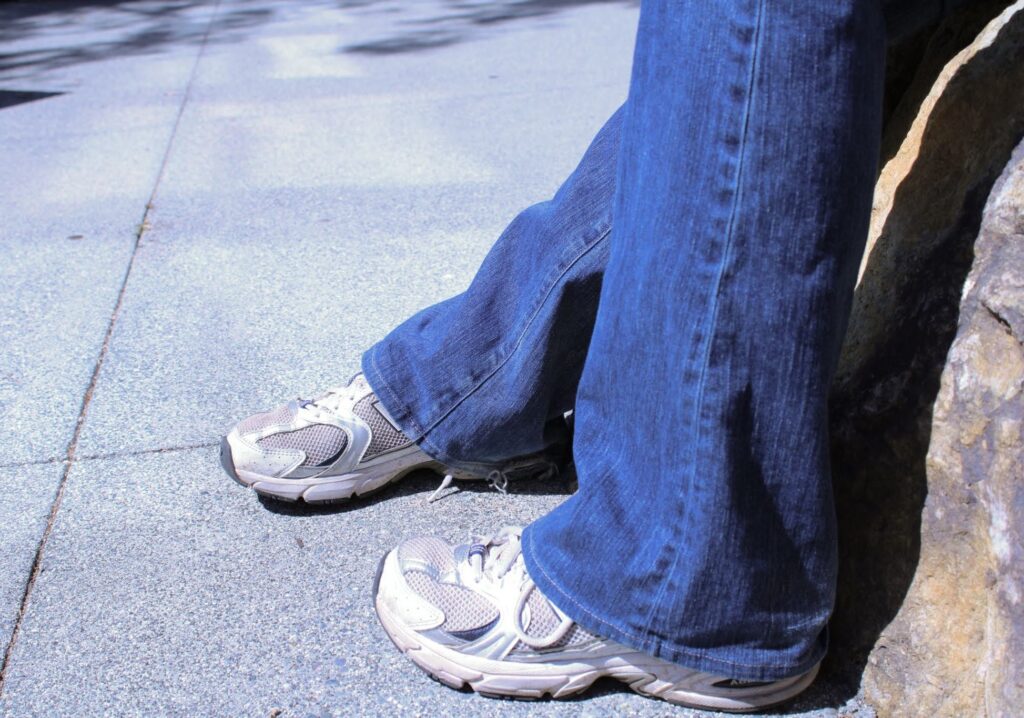
Ultimately, students who prefer in-person shopping cite lower prices, reliable sizing, and the excitement of the search. Those who favored online platforms, like Depop, valued convenience, specific finds, and the ability to shop from home. It’s such a fun way to experiment and see new things and try new things,” Hackett said. “I have found so many good clothes from thrifting that I just love.”