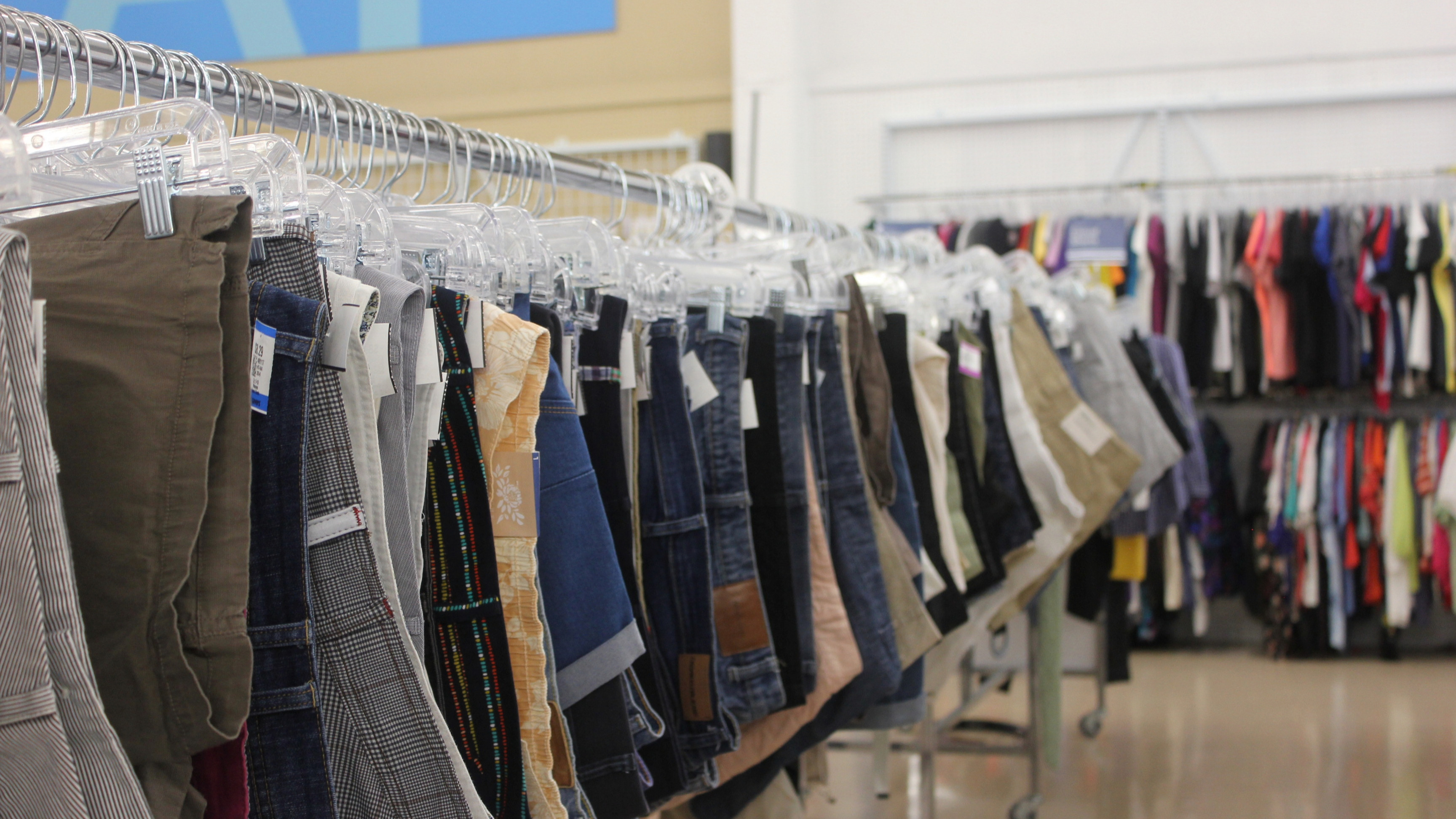
Thrift reselling—the practice of searching through secondhand racks for high-value items to resell online for a profit—has become increasingly popular in recent years. However, with that popularity comes controversy. As these online marketplaces grow, many believe reselling has driven up prices at thrift stores and online reseller platforms and is interfering with the core values of thrifting.
In April, the annual inflation rate rose by 3.8%, the largest increase in three years. Some argue that thrift store price increases are due to inflation, salaries, and rent prices rather than resellers.
Goodwill stores and other thrift shops were created as nonprofits in which proceeds directly support community projects. Accessible pricing was never the primary purpose, though lower prices drew attention from budget-conscious shoppers.
Regardless, some students who rely on thrift stores and second-hand clothing are concerned with the shift in pricing.
“I saw something that I thought was gonna be kind of cheap, but then it was like 70 bucks,” sophomore Amaru Chilvo-Saechao said when discussing thrifting price changes.
Resellers list thrifted goods on apps like Depop and Poshmark. Despite being labeled as “lightly used” or seeming like someone’s own clothing, these items come straight from the thrift with the main purpose of profit.
“I like Depop [but] you will find people who crazy overprice things there,” community member Audrey Ribera said.
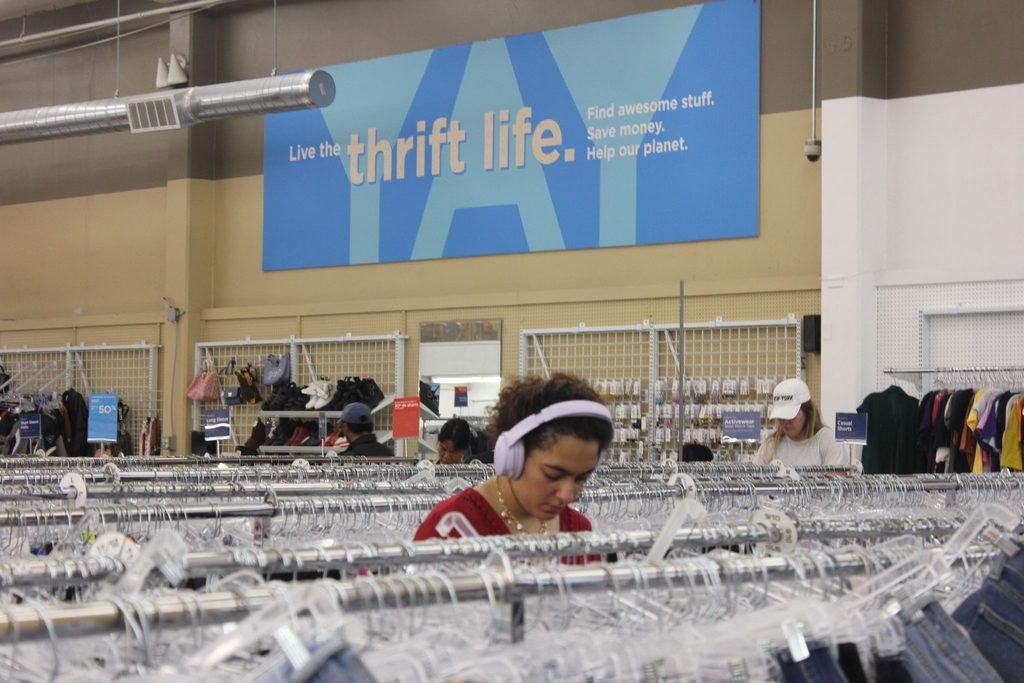
Many students believe the issue of reselling extends beyond higher prices and raises ethical concerns of taking inventory away from everyday shoppers.
“I think it’s rude, and I think you’re scamming them, and I think it’s not the purpose of thrifting,” junior Lily Hackett said.
“I see grown adult men shopping in size two women’s, and I’m like, you’re not wearing [that], with all due respect,” Ribera said. “It’s just annoying because you’re not wearing it, you’re pricing it for God knows how much, so it’s probably not even gonna get bought.”
However, some see reselling as a viable way for people to make money.
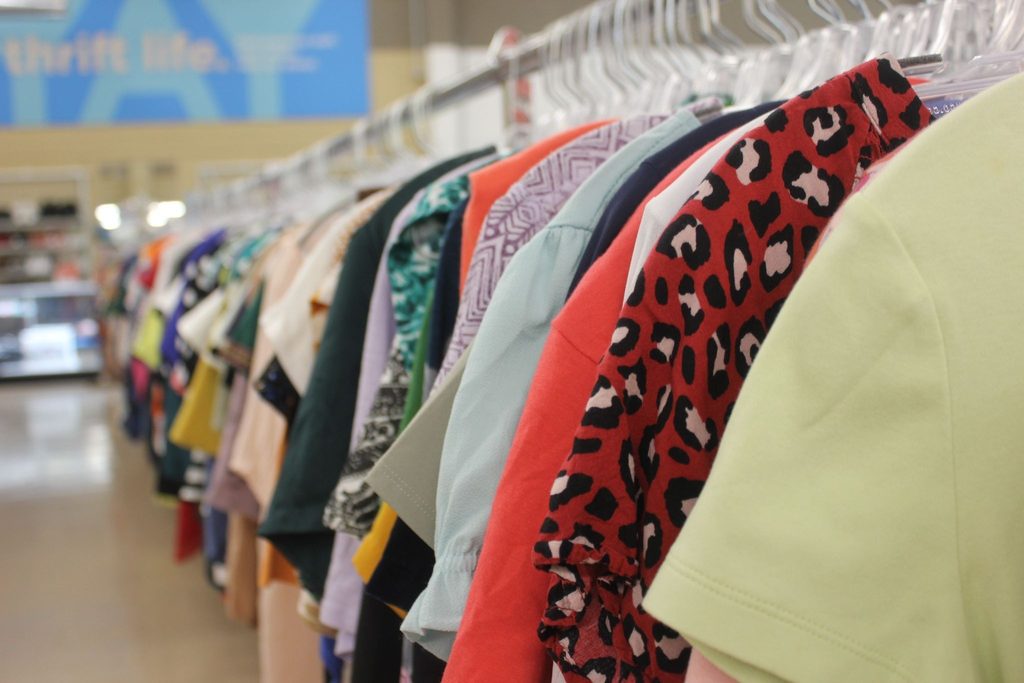
“I really have no opinion on [resellers] because, I mean, people do what they gotta do,” Goodwill employee John Medina said. “I just feel like if it’s what’s necessary for them to do, then by all means I support it.”
For others, the time and effort that goes into reselling justifies the practice. “I think that, honestly, if you have the dedication [and] you need the money that bad, go ahead,” senior Willow Basta said.

Whether it’s seen as an opportunistic side hustle or a practice that harms budget-conscious shoppers, reselling continues to divide opinions.