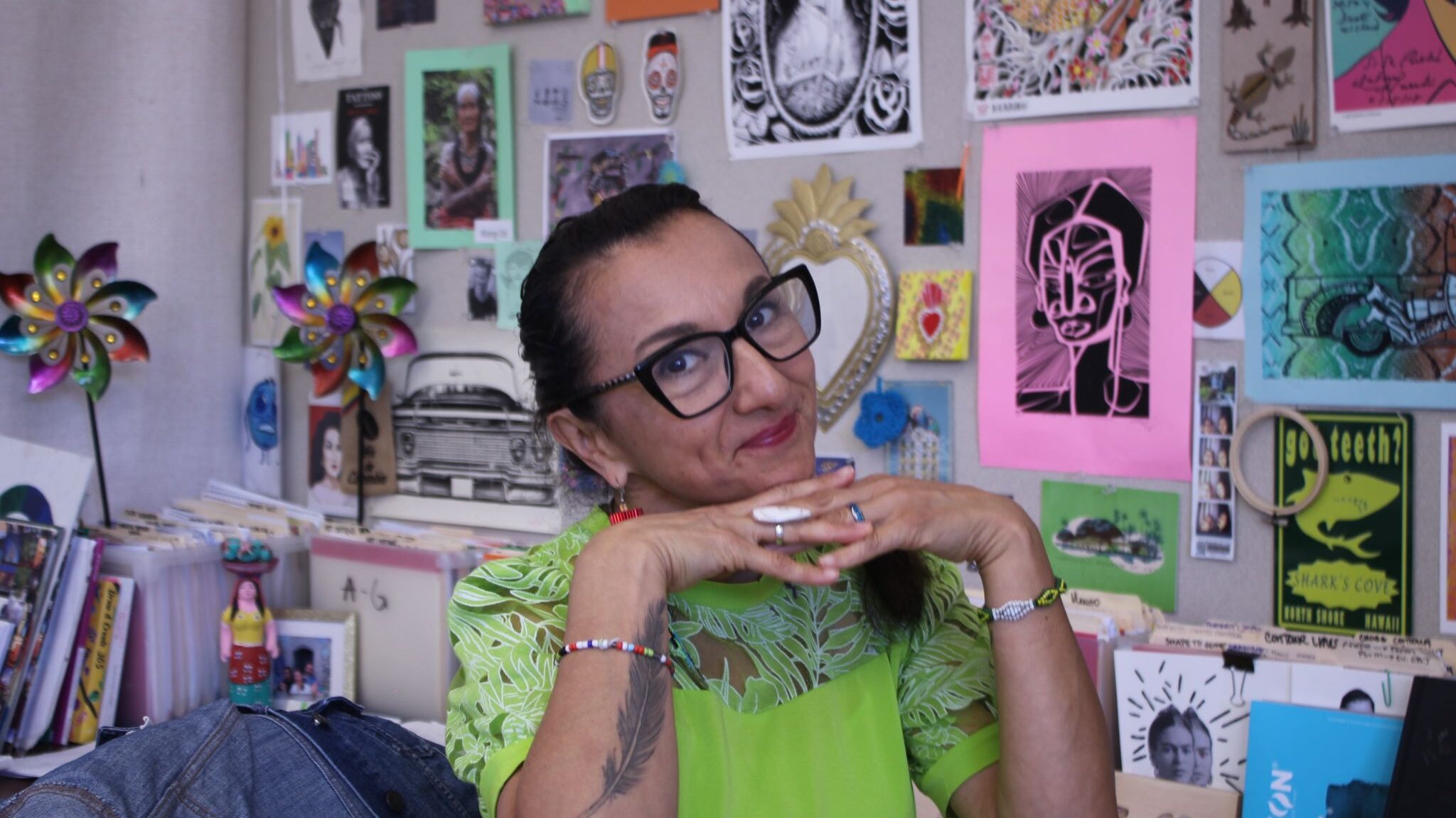
Before becoming the art studio teacher at M-A, Mitzi Ulloa was a young teen navigating the challenges of high school by tending to her family’s farm in Turlock.
“The farm is very healing. It helped me out during some really challenging times,” Ulloa said. “Being able to work the land, and then also to be able to walk the land, the dirt with your bare feet, there’s that connection with the Earth that’s really powerful.”
In Turlock, Ulloa’s entire community was supported by agriculture. Her family’s six acre farm harvested a variety of crops and animals, including chickens and a cow. “We would grow watermelon, corn, and sunflowers,” Ulloa said. “That’s where I actually get my work ethic, because I used to have to get up really early in the morning to go feed the animals.”
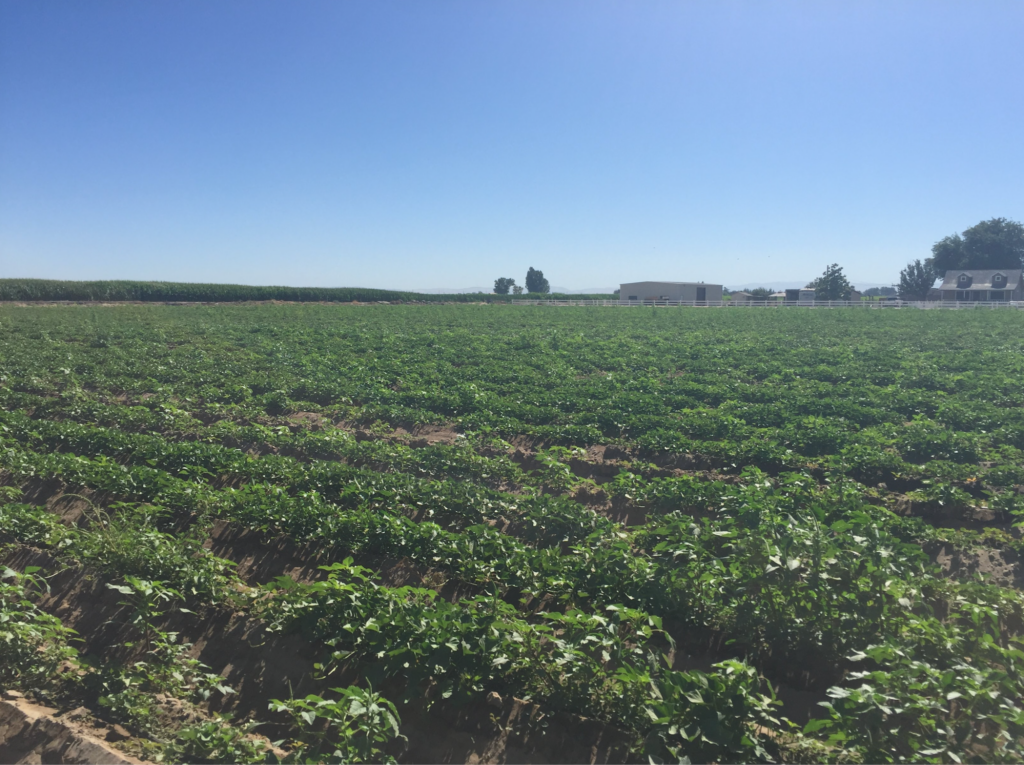
Ulloa credits farmwork for developing her creativity, a necessary trait in art. “My family is very creative, so at home, we were always constantly creating things,” she said. “Like if it was [a fashion show], a backdrop for a scene, choreography in the front yard, we were constantly creating at home.”
Ulloa attended Turlock High School, where she described herself as rather disengaged when it came to academics. “I was the one that was sitting in the back, not interested in school whatsoever, especially my senior year,” she said. “I was very outspoken, talked a lot of you know what.”
Instead, Ulloa focused most of her energy on extracurriculars like volleyball, track, and orchestra. “Sports were huge for me,” she said. “I really enjoyed working on teams, and it was also a good outlet for me. You know, I have a lot of energy, so it was a great way just to be able to let things out,” she said.
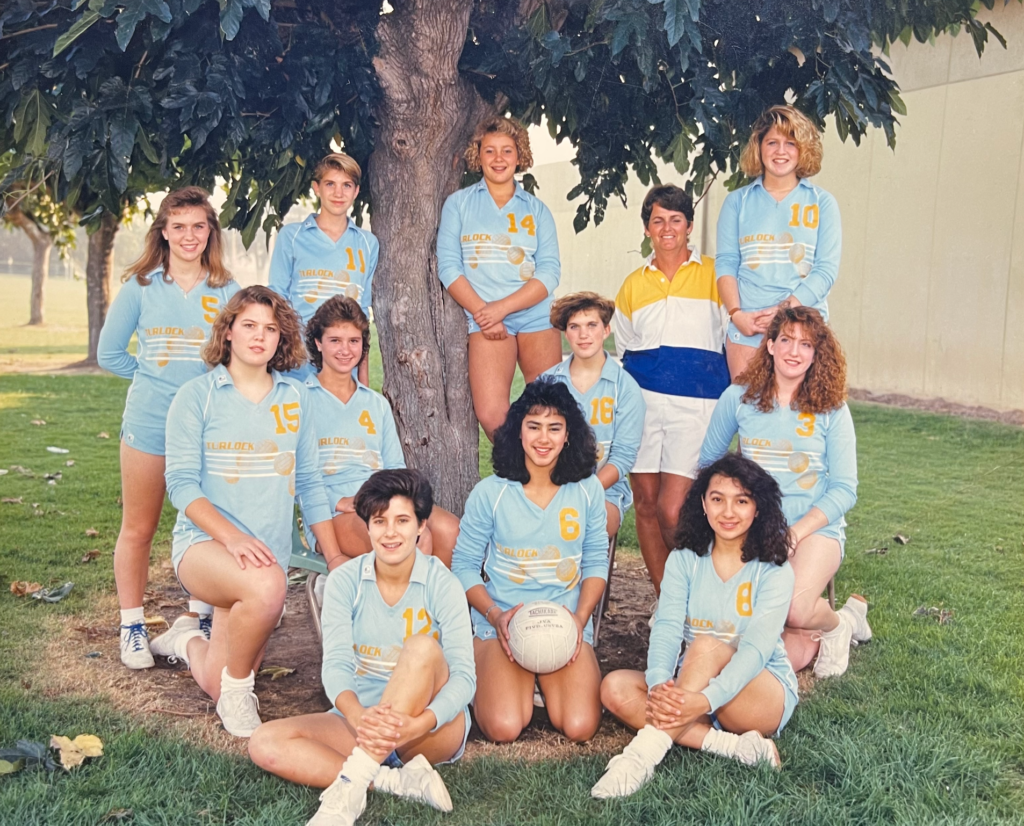
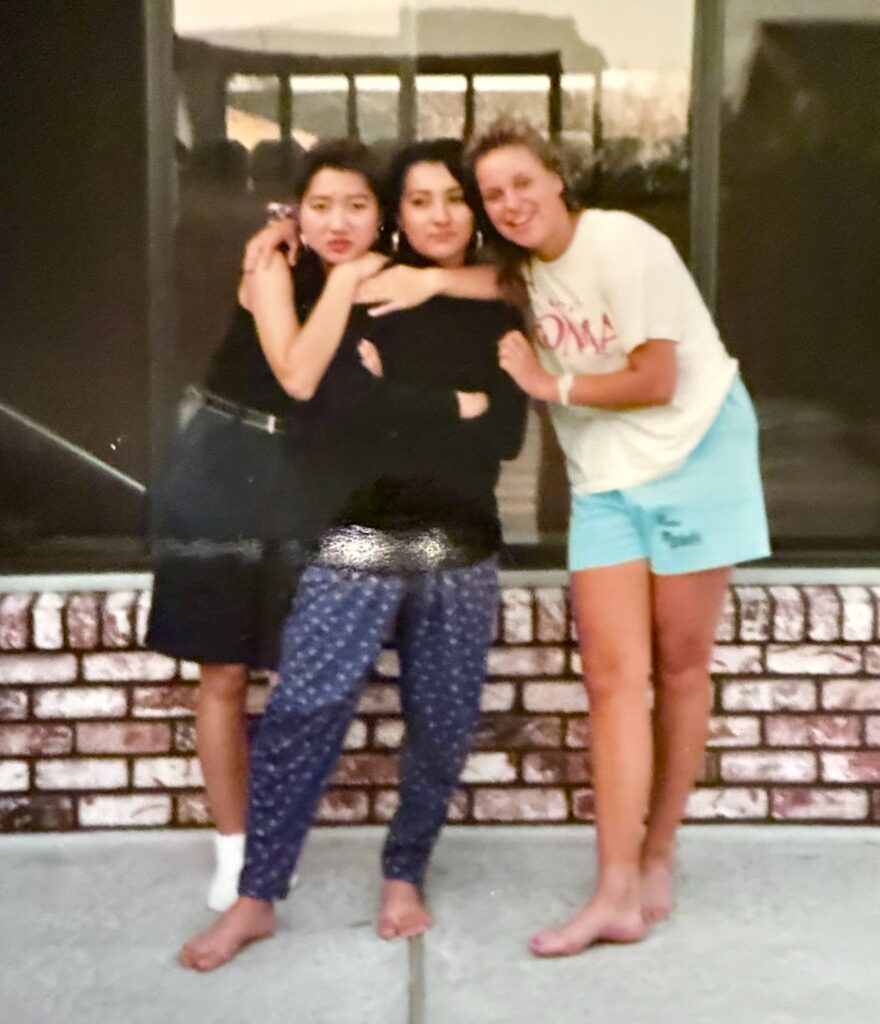
Reflecting on her high school experience, Ulloa emphasized the diversity of her social circles. “A lot of my friends were foreign exchange students, artists, and skaters. Alternative kids, you know?” she said.
As the eldest daughter of immigrants, Ulloa took on the responsibility of translating for her family throughout high school. “My mom is Colombian and my dad is Mexican, and they are migrants, so I’m first generation,” she said. “I had to do a lot of the translation for my family. My Spanish is not perfect. You can ask my students, they’ll clown me on it, which is fine because I also learned too.”
At Turlock High, Ulloa and her family experienced a lack of support from the school. When her brothers were sent to continuation school—an alternative high school for students struggling in traditional settings—Ulloa had a difficult time coping.
“I found that the admin was really quick in pushing my brothers out to continuation school. Whereas now, we have mediation and restorative practice. You know, back in those times, if you were a person of color, forget it, they would send you out,” she said. “It was hard to see my brothers go through that. I wish they had more support, you know?”
M-A has many important student resources that weren’t available to Ulloa at Turlock. “I always tell my students, ‘You guys have a lot of support here at M-A. Take advantage of it,’” she said. “You have to think about how these systems were not in place back in my days. If someone was acting out, [the school would go] ‘Ugh, this is a bad kid. Send him out of here.’”
After graduating from the Class of 1990, Ulloa attended San Francisco State University, where she majored in art education, dance, education, and youth development.
“If you would have said, ‘You’re going to be a high school teacher,’ or like ‘Hey, guess what, you’re going to be teaching?’, I’d be like, ‘You’re effing crazy,’ because I wanted to get the hell out of high school,” she said.
However, seeing the lack of support at her high school shaped her understanding of how important it is to connect with students.
“[My high school experience] brought me into the classroom, because I realized there’s a need for supportive teachers who genuinely care about their students,” Ulloa said. “I’m bringing everything that I would have liked to have seen as a student of color into the classroom.”