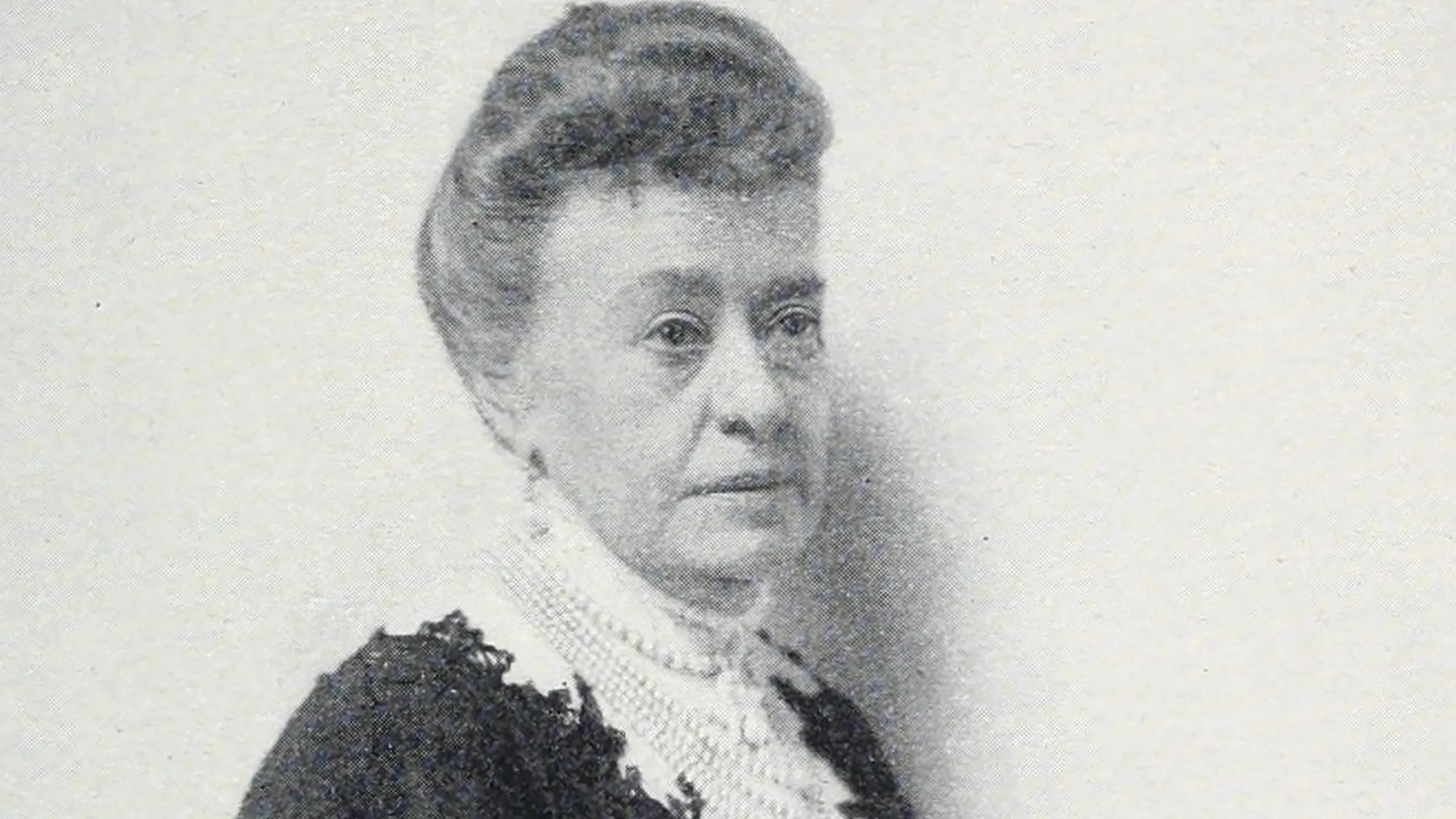
Someone poisoned Stanford’s co-founder. Twice!
So, who killed her?
In January 1905, Jane Stanford—the widow who singlehandedly funded and ran Stanford university for 12 years—drank a glass of mineral water at her Nob Hill mansion, noticed it tasted bitter, and vomited it all out. Weeks later, a pharmacist confirmed the bottle had been laced with enough strychnine to kill her within minutes. She had managed to narrowly escape her first poisoning attempt.
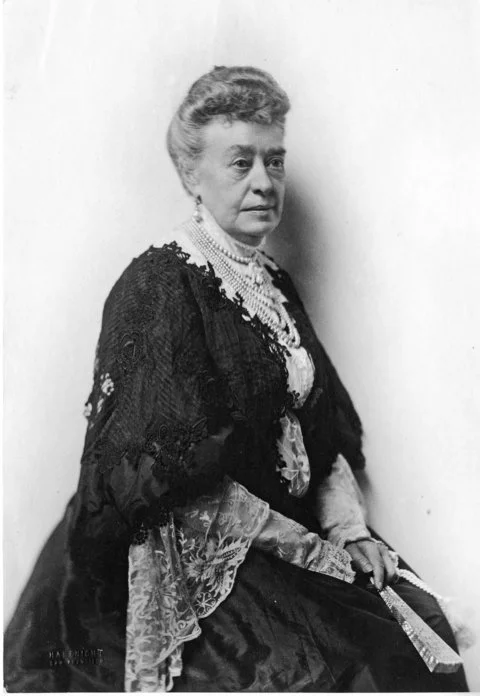
J. Stanford was 76, the wealthiest woman in San Francisco, and the unrivaled patron of Stanford University. In the weeks before the poisoning, she had told the board she planned to fire Stanford’s first president, David Starr Jordan, a notorious eugenicist Stanford would only fully disavow in 2020. Terrified after the failed poisoning, she fled to Hawaii.
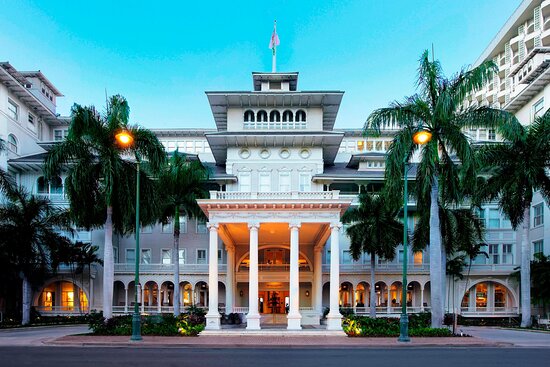
She arrived at the Moana Hotel in Honolulu on Feb. 21, 1905, with only her secretary of 21 years, Bertha Berner, and a new maid. On the night of Feb. 28, after a picnic at the Pali, J. Stanford returned to her room and asked Berner to prepare a glass of bicarbonate of soda. Berner mixed the powder, and two hours after J. Stanford drank it, she started screaming in agony.
When the hotel physician arrived, he found her in tetanic spasm, essentially a state of total body rigidness. “My jaws are stiff,” J. Stanford said. “This is a horrible death to die.” She stopped breathing.
The autopsy found pure strychnine in her tissue. The bicarbonate bottle, purchased in California weeks earlier, had been laced with poison. The Honolulu coroner’s jury heard three days of testimony and ruled it murder after deliberating for just two minutes.
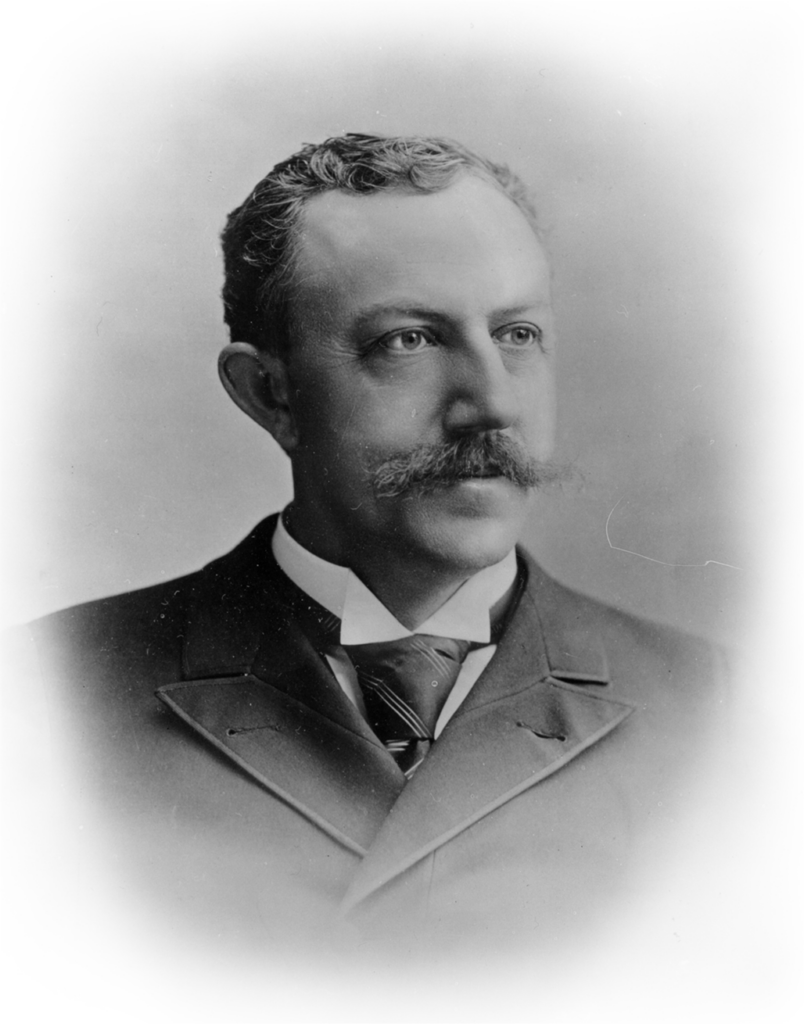
Jordan arrived in Honolulu the day after the verdict and hired a young local doctor, Ernest Waterhouse, who had only been in practice for one year. Jordan paid him roughly $7,000 for a four-page memo blaming J. Stanford’s death on “advanced age” and “a surfeit of unsuitable food.” At the same time, Waterhouse himself never even examined the body. For nearly a century, that was the official story.
In 2003, Stanford neurologist Robert Cutler proved through irrefutable medical analysis that J. Stanford’s symptoms could only have been strychnine poisoning. In 2022, Stanford historian Richard White named Bertha Berner the most likely killer, citing Berner’s embezzlement of J. Stanford’s money, her romantic involvement with a Palo Alto pharmacist who had access to pure strychnine, and the $15,000 she inherited in the will.
Berner was never charged. She lived another 40 years in a house at the corner of Sand Hill Road and Junipero Serra Boulevard (Monte Verde) that Jane Stanford herself had given her.
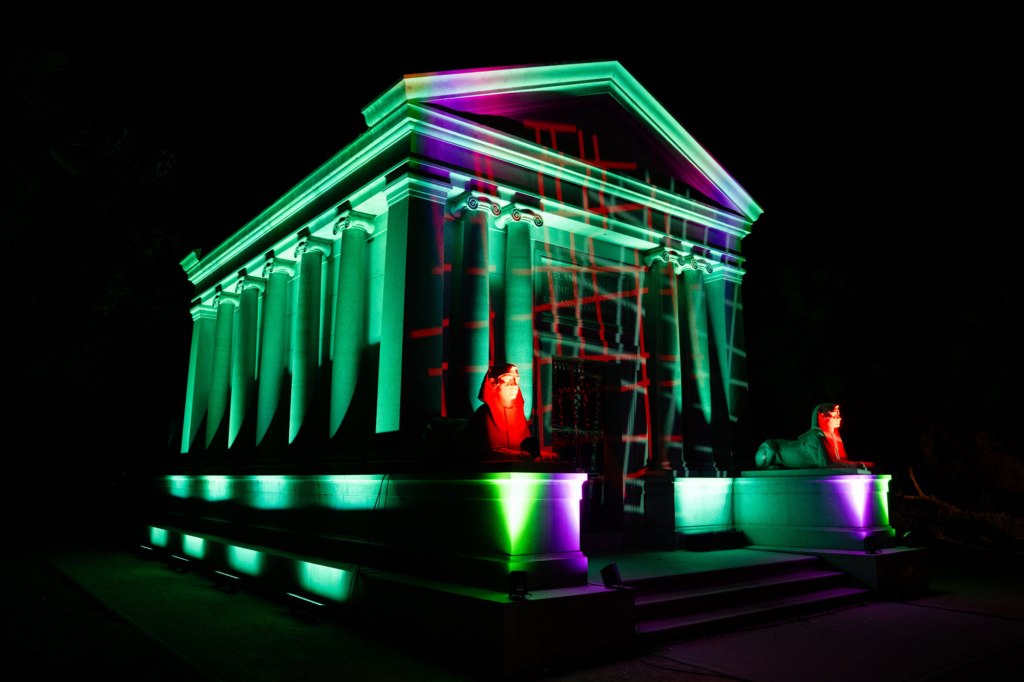
Today, J. Stanford is buried in a mausoleum on Palm Drive, guarded by four stone sphinxes. And since the 1980s, the Stanford undergrads have thrown an annual Halloween party outside her doors.