8/10
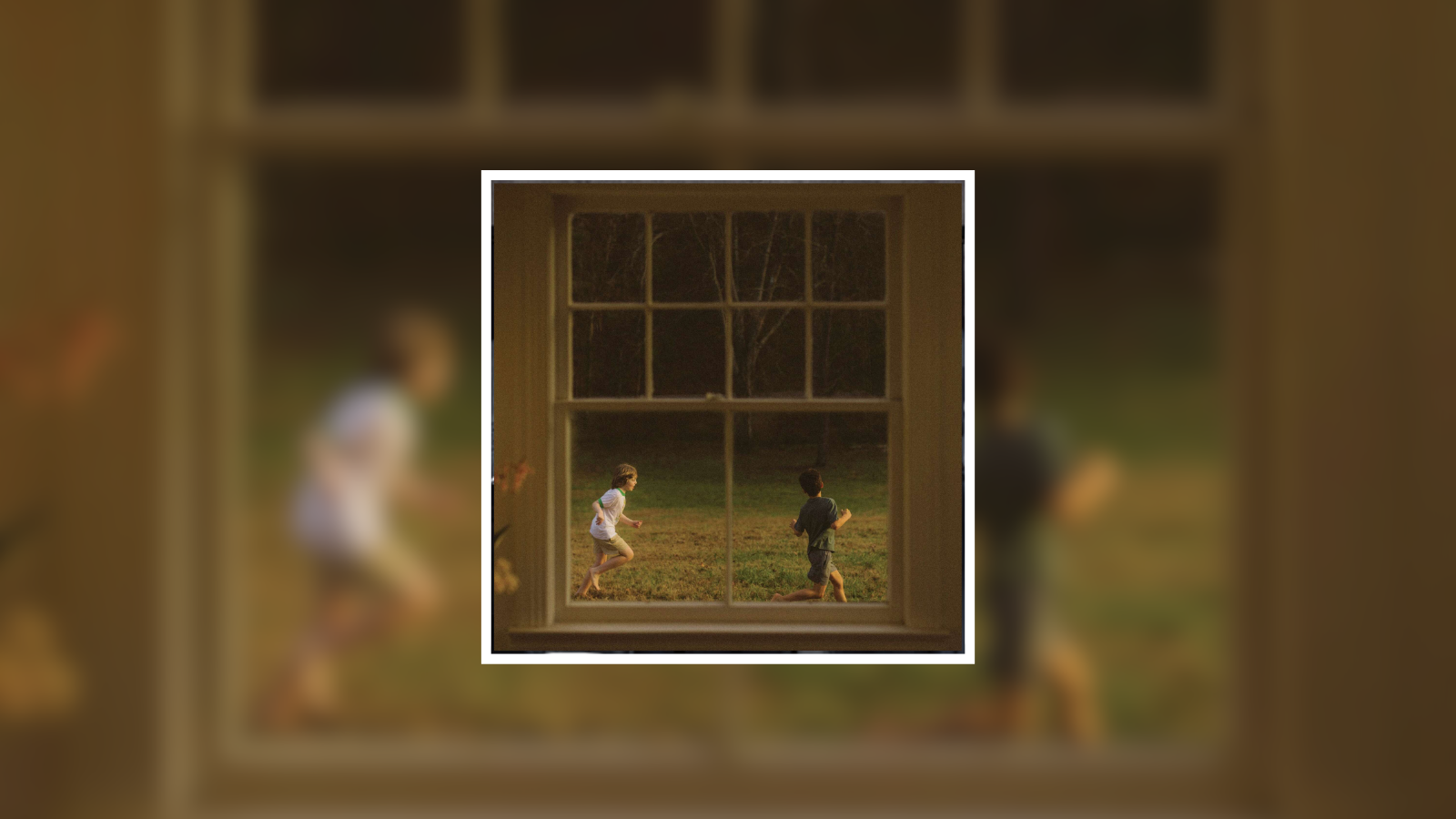
Noah Kahan’s return to the music world has been heavily anticipated. The Great Divide is Kahan’s fourth studio album, highlighted by the killer namesake single, released on January 30 and peaking at sixth on the Billboard Hot 100. While Kahan has made many guest appearances on other artists’ songs, his own discography hasn’t been updated since his breakthrough album, Stick Season in 2022. Until now. After returning to his home in Vermont, where his success ultimately began, on The Great Divide, Kahan dives into his comforting yet sentimental sensibilities.
The album’s melancholy vibes, expertly mixed with catchy choruses, provide the perfect backdrop for either a retreat into the woods or a reflection on nostalgic memories. The Great Divide consists of 17 tracks, lasting one hour and 17 minutes, full of classic guitar, somber piano, and complementary banjo and strings.
Notably one of the most emotion-evoking songs, track one, “End of August,” is not just heartbreaking, but the perfect opener for this album. Beginning with a twinkling piano, the tune wholeheartedly captures the overall essence of The Great Divide: Kahan needs to feel pain to feel alive. “Late August angst, and a pointless night / Ooh, and the feeling of being alive / For the first time, in a long time,” he sings. Both the song and album as a whole explore Kahan’s tricky relationship with his growth and its juxtaposition with his hometown in Vermont, which Kahan describes as frozen in his past.
The title track, “The Great Divide,” is arguably the catchiest song. Kahan reflects on his wishes for a childhood friend to break free and find a healthy relationship. “I hope you threw a brick right into that stained glass / I hope you’re with someone who isn’t scared to ask,” he sings.
“American Cars” is another favorite, exploring dynamics of familial and hometown relationships and hardships after returning from his newfound success. The track steers off from his usual folk tendencies, incorporating strong electric guitars and furious drumming. As you’re hooked onto the roused lyrics, Kahan incorporates his signature banjo to stay close to the folk sphere—it’s still reminiscent of his past classics.
“Dashboard” is a masterpiece of a song. The chorus is short and sweet, and the lyrics are the perfect mix of reflective and visceral. Kahan metaphorically explores intrusive thoughts, difficulties of self-discovery, and self-hatred. “Like the world just restarts, like the clock just resets / Like we all just move on, like we all just forget,” he sings. “And you tell yourself lies and disguise them as facts / It’ll hurt half as much if you drive twice as fast.”
Kahan also references the deceptiveness of society in “All Them Horses.” He focuses on the conflict between fame and reality, and the challenges and loneliness that come with returning home. “Oh, everyone looks happy in a photograph / I’ve crossed the county line, I cannot go back / I’m always on my own,” he sings. It is more vulnerable than the others, with Kahan reflecting on his own loneliness.
The contemplative mood continues in “Haircut.” Kahan reflects on how fame changes people, creating abundant pride and the difficulty of maintaining one’s identity alongside it. “You grew your hair out long, now you think you’re Jesus Christ / There ain’t nobody mistakin’ your guilt for some great sacrifice,” he sings.
“Porch Light,” a long teased track, can finally get its round of applause. Kahan first played this song on a TikTok livestream in 2024, and it even made its way up his setlist in recent performances. However, upon first and many listens, it is easy to imagine this song on his preceding album, continuing his use of his famous falsetto. It follows the concept of an old friend calling their friend who struck fame. The protagonist of the song conveys extreme resentment, wishing their friend would turn against fame and ultimately return home. This song is consistent with the theme, yet stands out through its unique perspective. “And I’ll pray for you, be in pain for you / I’ll leave the porch light on,” he sings.
However, when unfamiliar, the album comes off monotonous. The banjo becomes a familiar sound throughout, leaving no songs jumping out at first. The thematic “divide” of relationships also stays consistent, but the catchy lyrics and varying references make up for where the tone lacks.
Ultimately, The Great Divide lives up to its hype—the choruses are addictive, and Kahan’s emotion is masterfully displayed. While on first listen the tone may sound repetitive, the thought-provoking and relatable lyrics are nothing short of remarkable.