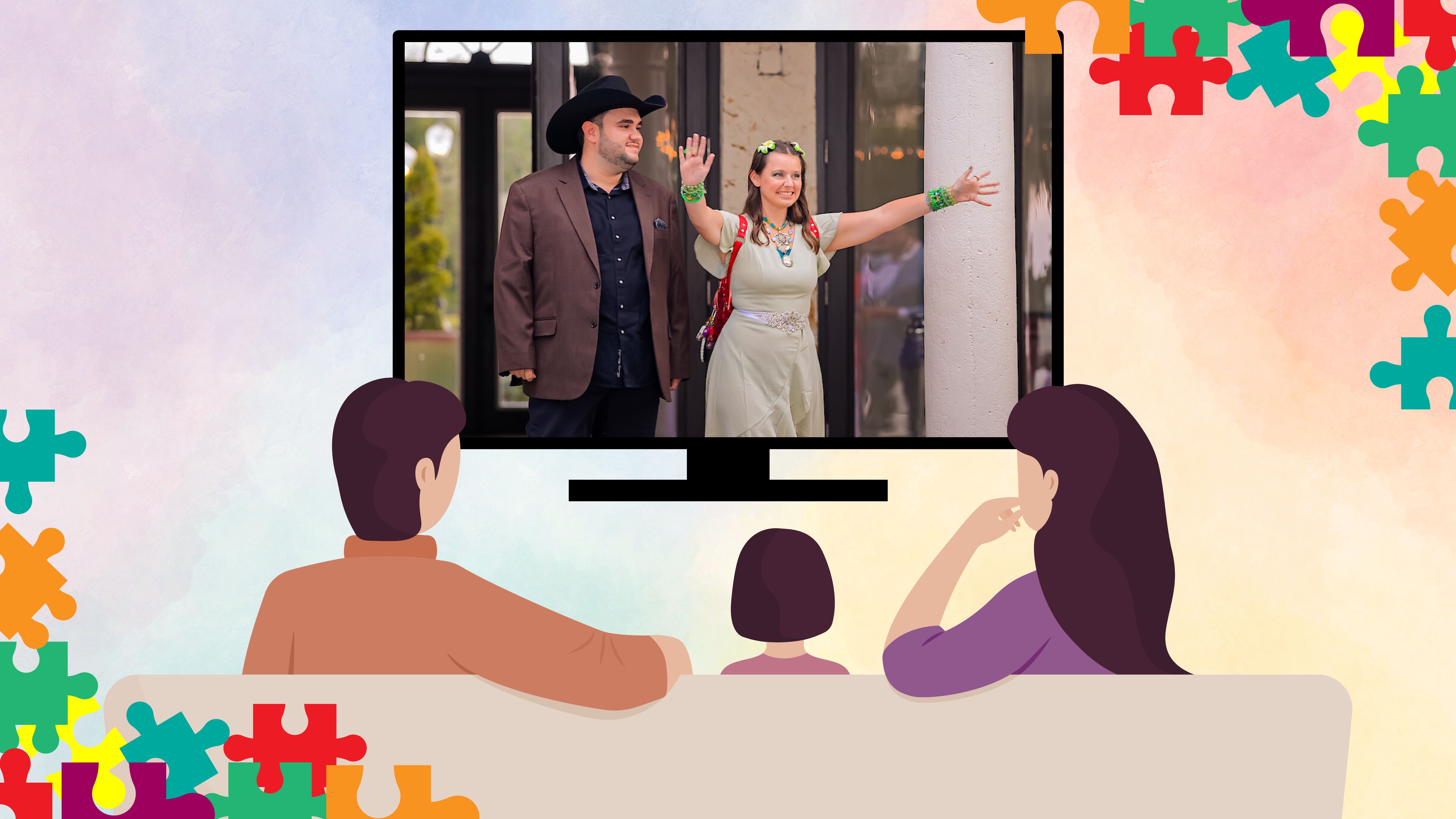
Netflix’s Love on the Spectrum has been praised for something reality television rarely achieves: sincerity. Instead of dramatic eliminations, manipulative rivalries, or manufactured chaos, the Emmy-winning dating show follows autistic adults as they navigate relationships, awkward first dates, and the universal desire for love and connection in a wholly genuine way.
When it comes to autistic individuals, it’s important to hold creators accountable for how they portray participants, especially in an environment as manipulative as reality TV. While Love on the Spectrum has helped break harmful stereotypes about the autistic community, it still profits from turning real people into content. That tension is what makes the show both groundbreaking and worth questioning.
Created by Cian O’Clery, the show was originally developed in Australia before Netflix released the U.S. version in 2022. O’Clery has emphasized that he did not want the show to treat autism as something to “fix,” but instead aimed to portray participants as complex people with humor, independence, and depth. “I think the most important thing is to never assume that you’re an expert, which I’m not,” he said in an interview with Netflix.
That attitude is part of why the show feels different from traditional dating reality TV. Producers may arrange settings and dates, but the conversations and interactions are natural and not dramatized for an audience. The awkward pauses, nervous excitement, and emotional vulnerability come across as genuine, not scripted.
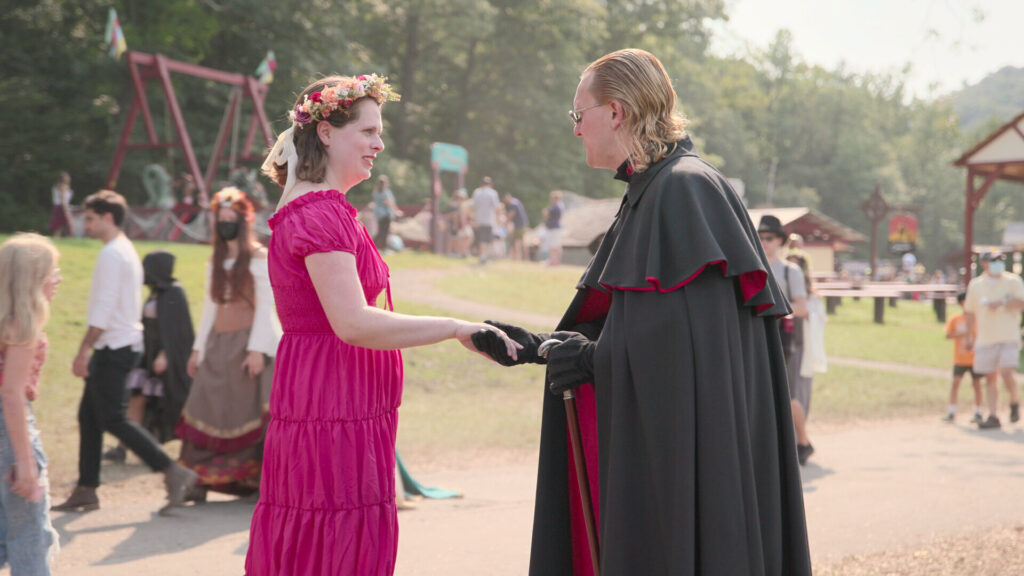
One of the show’s positives is that it challenges the stereotype that autistic people are incapable of romance, independence, or emotional intimacy. Instead of rewarding manipulation and hyper-confidence like many reality dating shows, Love on the Spectrum embraces direct communication and honesty between participants. This distinction matters because autistic people are so often portrayed in the media as socially disconnected or emotionally limited. The sincerity of participants illustrates that while they may struggle with their emotions more than neurotypical people, they still want meaningful human connections.
The series presents its participants as completely human. Hopeful. Funny. Anxious. Caring. Heartbroken. For autistic viewers especially, seeing people on screen whose experiences resemble their own can feel validating in a media landscape where disability representation remains limited.
However, even if the show is more respectful than typical reality television, it still depends on audiences consuming deeply personal and emotional moments for entertainment. Every awkward pause or misunderstanding becomes part of a product designed to attract and entertain viewers.
“I do think in [Love on the Spectrum] they paired people up who I don’t think you would pair up unless they both had autism” senior Zoe Yob said. “It didn’t seem like the producers necessarily wanted to make a fool of the people, but I think that’s what ended up happening.”
Similarly, the internet can also shift perceptions. Clips from the show often circulate online without context, turning participants into memes or “wholesome” viral content. While some viewers may see this as supportive, it often becomes patronizing, reducing autistic adults to inspirational or comedic figures rather than treating them as humans.
This raises a difficult question. Can a reality dating show truly prioritize awareness if its success still depends on audiences being entertained by people’s personal vulnerabilities? The show may genuinely aim to increase acceptance of autistic people, but Netflix benefits financially from depicting the participants’ experiences as binge-worthy TV. Good intentions cannot remove the power imbalance between massive entertainment companies and the individuals whose lives and disabilities become part of the product.
The producers of Love on the Spectrum have an obligation that is different from any other reality TV show. Popular reality TV shows rely on introducing new, flashy, drama-filled elements from episode to episode in order to keep viewers engaged. Conventionally, cameras that rush to any scene filled with conflict give the viewer mindless entertainment accompanied by a feeling or moral superiority over the stars. Love on the Spectrum strays from this classic outline. Instead, it creates a sense of connection between the viewer and the love-searching individuals they are rooting for, which is the real reason for the show’s success.
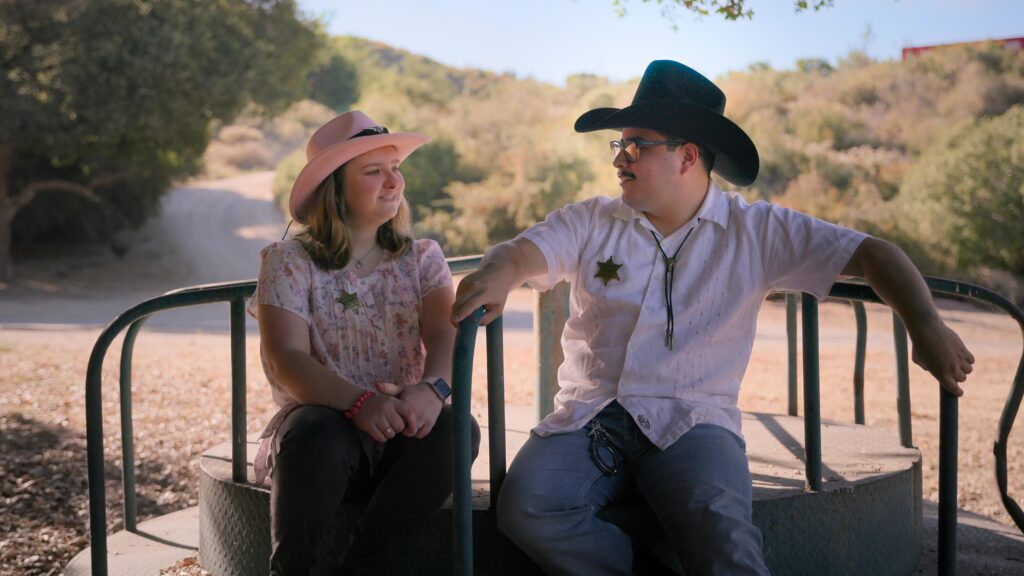
“They’re more patient with them, and it’s clear that they’re really kind to them, whereas in other reality TV shows, sometimes they invade their privacy a lot and make sure they’re recording tough conversations, even when the people don’t necessarily want them to be there,” sophomore Kate Peterson, a frequent viewer of the show, said.
The show is also successful because it’s refreshing. It represents people on the spectrum as relatable, breaking down the wall that separates people who are inaccurately seen as socially awkward and impossible to make connections with. Through the show, the participants are shown to be brave, true to themselves, and models for all audiences.
Because of Love on the Spectrum’s cultural reach, it has the ability to have a real impact. Unfortunately, it falls short. Even with pure intentions, the show is blatantly profiting through the use of autistic individuals as a source of entertainment rather than truly raising awareness; the incentives are the problem. Love on the Spectrum satisfies the same basic need that all reality television does: capturing intimate moments as stories designed to capture attention and keep audiences invested.