The online image of high school life has always consisted of the same stereotypical categories: the popular group, the jocks, the geeks, and the theater kids. An unsuspecting freshman stumbles into one of these cliques, and their identity is established for the next four years. Or at least, that’s how teen life is portrayed through movies like Mean Girls or 10 Things I Hate About You.
Even though high school cliques and clichés may still be present, the stereotypes surrounding them are outdated and fail to capture how students actually interact today.
In The Movies
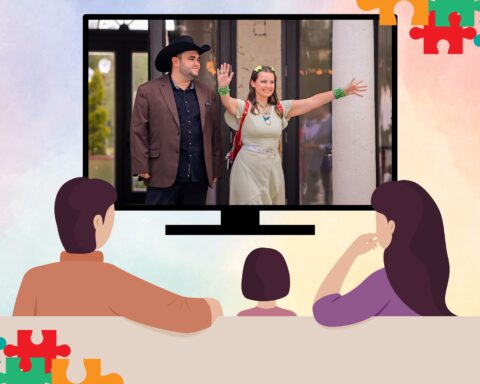
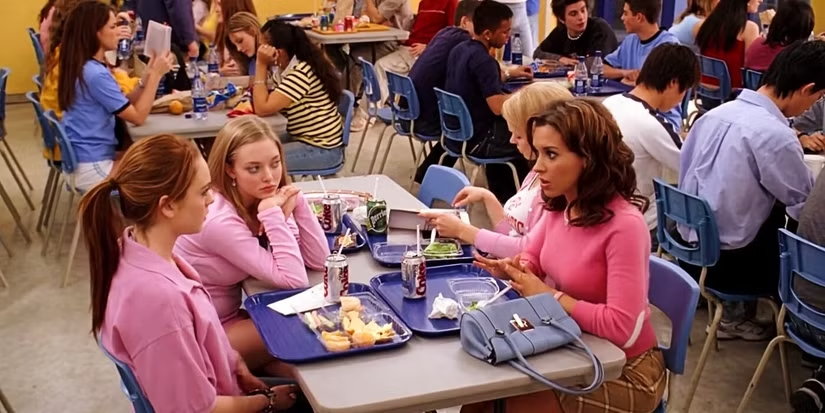
Popular media of the early ‘90s and ’00s often portray high school as a rigid social hierarchy. In films like Mean Girls, students are divided into the typical groups. The “Plastics” are not just popular, but the center of the entire social system, controlling trends, relationships, and even how other students behave. The group you placed yourself in determined your social standing.
“[These films] do exaggerate, because I feel like the directors who do the films show what they’ve experienced from their youth, rather than just actually researching how high school [has] changed so much,” senior Ana Karen Colorado Arguello said.
The cafeteria scene, where every table represents a different stereotype—the nerds studying at lunch, art freaks with their sketchbooks, or the band kids with their instruments—suggests there is no room to exist outside of a label. These portrayals tell students that they must fit into one category, and once placed, that they have to stay there.
Similarly, the popular 1999 film 10 Things I Hate About You reinforces the familiar stereotypes, complete with the clichés of the “popular girl,” “bad girl,” and “bad boy.” The main character, Kat Stratford, is defined almost entirely by her rebellious attitude and unwillingness to conform to the expectations of being a popular girl, while her sister Bianca is shaped by her high social status and good looks. Although the film still challenges some of these standards, it relies on the labels to structure its characters. It still exists within these recognizable roles — ones that the movie seems to say viewers should more-or-less fit into — instead of stretching beyond them.
Even the iconic movie series High School Musical begins with a divide between jocks and theater students, suggesting that stepping outside of your “assigned” group is unusual.
M-A Math teacher Evan Lee says that he’s experienced something similar in high school. “Almost every day I would see the same groups of people hang out together,” Lee said, “Therefore making me assume that they do not mingle as much with people outside of those groups.” This may have been true in the past, but now this version of high school is just outdated. It doesn’t reflect how modern-day high school works.
Freshman Henrique Carvalho points out how these former portrayals often exaggerate social divides. “[The movies] make it seem very black and white…while in reality it’s not exactly like that,” he said.
On Social Media
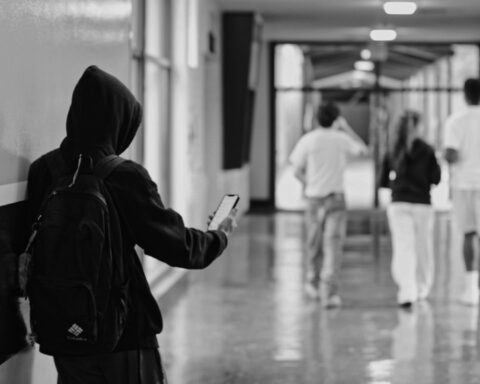
A major difference in how students connect today is the rise of social media. Platforms such as Snapchat, Instagram, and TikTok play large roles in students’ social lives, allowing them to connect to social circles beyond their school, meet with different communities, and bond over shared interests.
Before the rise of technology, social circles were largely limited to in-person interactions. Now, the ease of communicating online often makes it easier to form friendships, weakening the influence of rigid cliques, and making the idea of a closed, or exclusive, clique more difficult to uphold.
This is not to say, however, that cliques have completely disappeared.
At M-A
It is false to say these classic clichés and cliques don’t exist anymore, or even to say they are completely outdated. While some aspects of the classic clichés of “nerd” or “popular girl” definitely still exist in high school, many of them simply are not prominent enough to represent the student population, even as stereotypes.
Carvalho believes that while cliques still exist, they are not as clearly defined as the media suggests. “It can be hard to tell whether these groups are friend groups or cliques,” he said. Carvalho also explained that social circles often overlap rather than remain completely separate.
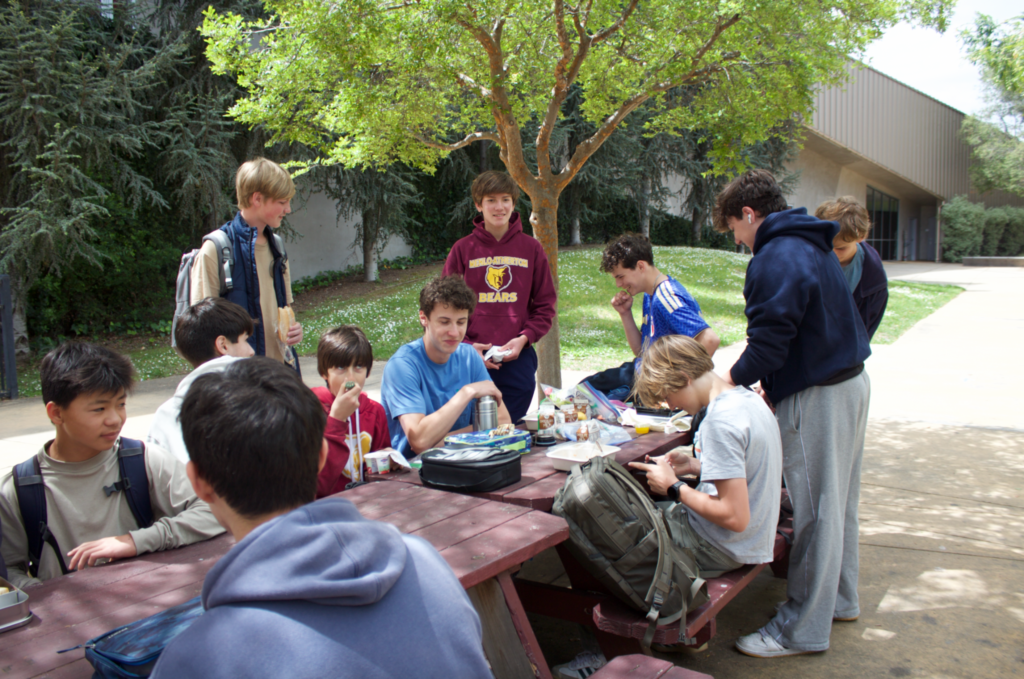
“I do see [exclusion] a lot in our school, maybe not to that degree that you would see in a film, but definitely something similar,” Carvalho said.
Furthermore, many students today resonate with a different experience, one that is less defined by a social hierarchy and more representative of flexible and overlapping identities.
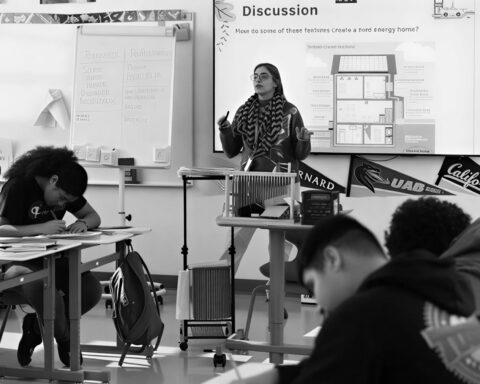
“When we’re in class, I feel like we’re not really that divided, because we do end up working with each other,” Arguello said. “We end up communicating, especially since teachers are like, ‘Oh, please interact with people to do this or do that.’”
While stereotypical archetypes like the “popular” kids or the “nerds” still exist, they no longer play a big role in a student’s experiences. Instead, friendships are often formed based on shared interests, classes, or activities rather than social standing.
Carvalho mentions that because of how divided high school can be, there are still difficulties in navigating through groups, for reasons outside of social standing. “It can be hard to move between groups, especially when these groups have been pre-existing for so many years, since elementary school,” Carvalho said.
Rather than being confined by rigid stereotypes like those seen in movies, these divisions are often shaped by familiarity and long-standing relationships. Students seeking a fresh start are not trying to completely reinvent themselves, but instead looking for spaces where they are not limited by expectations formed years earlier.
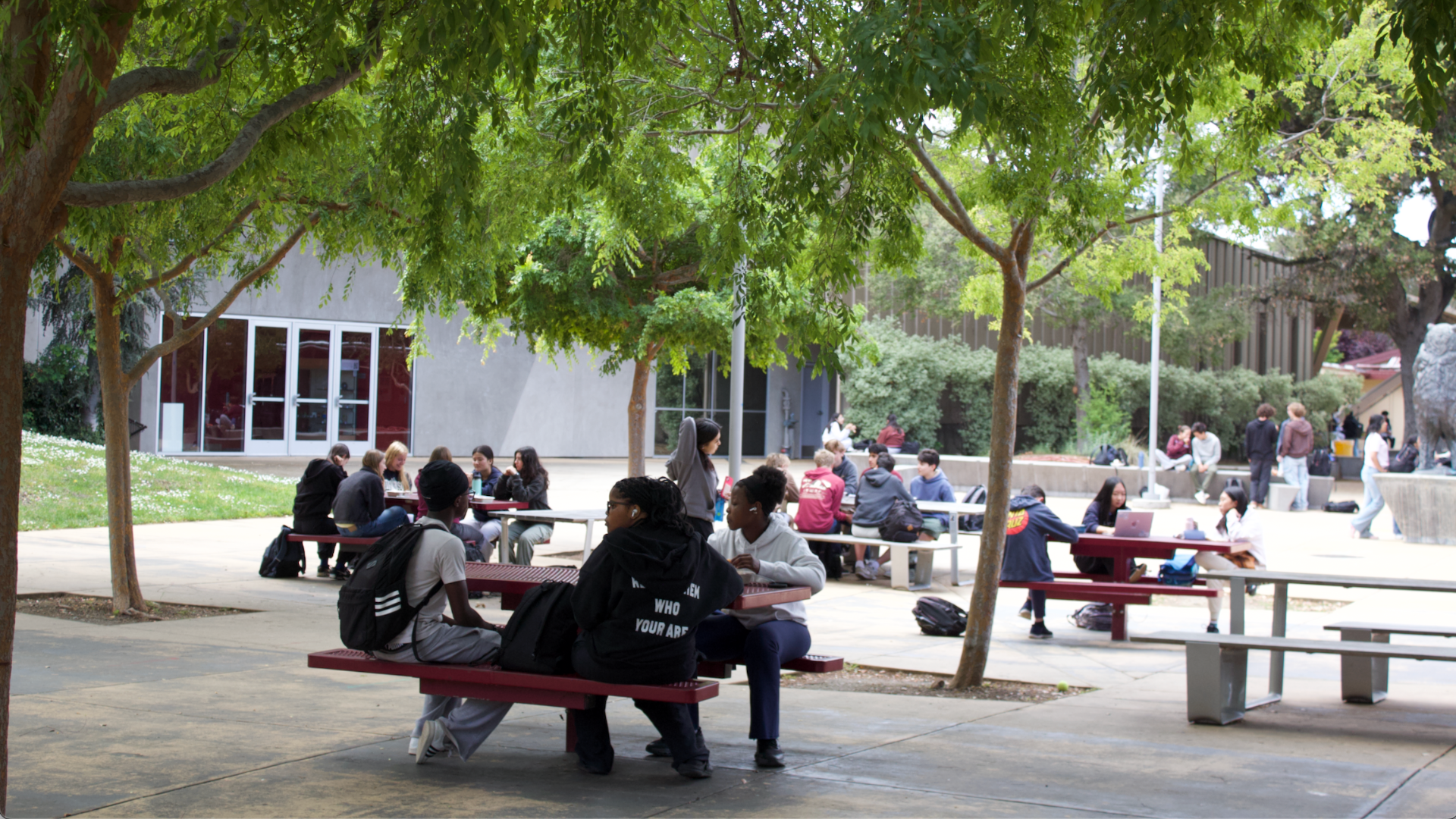
For M-A specifically, especially for freshmen, many friendships are based on a student’s middle school experience. “I know a lot of the West Menlo kids all hang out together, and a lot of the Willows kids hang out together, and all the [East Palo Alto] kids,” Carvalho said, “And this might just be the problem of attending a feeder school that has all these students coming from different places.”
Freshman Philomene Delafosse says another factor adds to M-A’s outlier status. “I think it’s also [because] our school is pretty big. So I’d say if we had a smaller school, it would fit more into the stereotypes,” Delafosse said.
High school social life today cannot be reduced to the same simple categories often seen in the past. While traces of cliques still exist, they no longer define students in the same way they once did. Social media can create opportunities for freedom and growth, letting students move between different circles rather than remain confined in one.
The classic image of high school cliques may exist forever in past movies, but the real world has moved far past it. It just doesn’t reflect how students actually experience social life any longer.